Former Xbox Chief Operating Officer Helen Chiang Breaks Silence on Abrupt Exit Following Major Brand Reset

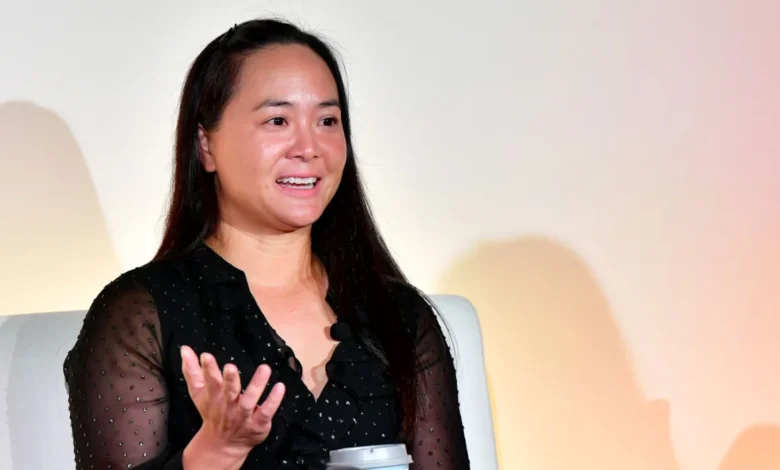
Helen Chiang, a veteran Microsoft executive who spent more than two decades at the company and played a pivotal role in the massive expansion of the Minecraft franchise, has publicly addressed the circumstances surrounding her abrupt departure from Xbox. After being promoted to the newly created position of chief operating officer during a high-profile corporate restructuring in July, Chiang exited the company just three months later. Her sudden departure triggered industry-wide speculation and unverified anonymous allegations regarding policy violations, prompting Chiang to break her silence and set the record straight through a detailed public statement.
The suddenness of Chiang’s exit, combined with the sparse official communications from Microsoft leadership, created a vacuum filled by rumor and speculation within the gaming industry. By utilizing a professional networking platform to address the narrative directly, Chiang sought to distance her legacy from unverified claims of misconduct or incompetence, while signaling underlying tensions regarding how corporate policies and leadership standards were applied during her final months at the tech giant.
The July Reset and the Rise to Chief Operating Officer
To understand the weight of Chiang’s departure, it is essential to examine the tumultuous landscape at Xbox during the summer. In July, Microsoft leadership initiated a sweeping organizational reset designed to streamline operations, optimize financial performance, and refocus the division’s strategic priorities. As part of this overarching corporate overhaul—which included broader workforce reductions affecting thousands of employees and strategic shifts across multiple internal studios—Microsoft established the position of chief operating officer for Xbox.
The creation of the COO role represented a significant centralization of authority. Chiang was handpicked to fill the position, granting her end-to-end profit and loss (P&L) responsibility spanning content creation, hardware development, platform infrastructure, and digital services. For an executive who had spent the majority of her professional life climbing the corporate ladder within Microsoft’s gaming ecosystem, the appointment was widely viewed as a vote of confidence from top-tier leadership.
Her career trajectory prior to the COO appointment was marked by steady advancement and monumental responsibility. Joining Microsoft in the mid-2000s, Chiang steadily navigated various strategic and business management roles within the Xbox platform division. By 2020, she had assumed the role of corporate vice president of the Minecraft franchise, successfully overseeing one of the most commercially lucrative and culturally ubiquitous intellectual properties in modern entertainment history for more than six years. Given this extensive tenure and proven leadership track record, her sudden exit after only a quarter in the division’s top operational seat stunned industry analysts and peers alike.
An Abrupt Departure and Restrained Official Response
The transition from high-profile promotion to sudden departure occurred with virtually no internal fanfare or public explanation from corporate communications channels. Just three months after assuming the COO mantle, Chiang was gone from the organization.
The official internal memo announcing her departure, authored by Xbox CEO Asha Sharma, was remarkably brief and restrained. The communication simply stated that Helen Chiang was leaving Microsoft, expressed gratitude for her years of service, and offered a standard well-wishing farewell. The lack of customary executive praise or detailed context regarding the transition immediately fueled speculation across industry forums and news outlets.
Compounding the opacity of the departure were anonymous claims circulating within certain industry circles alleging that Chiang had been terminated due to unspecified policy violations. In the high-stakes environment of corporate technology, such unverified leaks often threaten to permanently damage an executive’s professional reputation, transforming a standard management disagreement or organizational misalignment into a speculative scandal.
Setting the Record Straight: Chiang’s Public Statement
Recognizing the potential damage to her professional standing, Chiang issued a comprehensive statement via LinkedIn to address the swirling rumors and clarify the nature of her exit. Emphasizing that clarity is a form of kindness and that it was vital to set the record straight, Chiang explicitly denied the unverified allegations of policy breaches and incompetence.
In her message, Chiang wrote candidly about her disappointment and the stark contrast between her expected career conclusion and the reality of her exit. "This is not how I ever imagined my story here would end," Chiang stated. "And it is not the whole story."
While Chiang refrained from detailing the specific catalysts behind her departure due to ongoing legal or professional sensitivities, her statement strongly implied that the split was far from amicable. She pointedly addressed the principles of fairness and corporate governance, noting that she believes in accountability and holding organizations to the standards they expect of their workforce.
Furthermore, Chiang raised serious concerns regarding how these standards were administered in her specific situation. "I believe in fairness, accountability, and holding ourselves to the standards we expect of others. Those standards only mean something when they’re applied consistently," Chiang wrote. "I have serious concerns about how they were applied in my case, and I believe those concerns deserve to be taken seriously."
She concluded her statement by emphasizing that her professional legacy should be defined by integrity rather than manufactured scandal. "I share this because I don’t want my departure reduced to an inaccurate story about incompetence, ambition for the next big job, or a Nelson-level scandal. My story is about staying true to your core values, especially when it is hard. That’s the legacy I hope to leave behind."
Broader Implications for Xbox Leadership and Corporate Culture
Chiang’s departure and subsequent public remarks arrive at a highly sensitive time for Microsoft’s gaming division. The brand has been navigating a complex transitional phase characterized by shifting business models, a greater emphasis on multi-platform publishing, hardware ecosystem evolution, and rigorous cost-cutting measures designed to satisfy institutional investors and corporate leadership in Redmond.
The high turnover rate among executive-level personnel during periods of corporate restructuring often exposes internal friction between traditional corporate oversight and the unique cultural demands of the interactive entertainment industry. When a leader with a twenty-year institutional memory and a proven track record of managing multi-billion-dollar properties exits under a cloud of ambiguity, it inevitably raises questions regarding internal communication, executive alignment, and governance standards within the corporate hierarchy.
Industry observers note that public statements of this nature from departing C-suite executives are exceedingly rare, typically signaling a profound breakdown in trust between the individual and the enterprise. By publicly challenging the narrative surrounding her exit, Chiang has established a precedent for executive transparency in the face of unverified corporate leaks, forcing a spotlight onto the internal dynamics governing high-level executive departures at one of the world’s largest technology companies.
As external inquiries continue, Microsoft has yet to provide an expanded official statement regarding the specifics of Chiang’s departure or address her stated concerns regarding the application of corporate standards. The long-term impact of this executive shift on Xbox’s operational stability and internal culture remains to be seen, but the episode serves as a stark reminder of the intense pressures and complex internal politics governing the upper echelons of the modern gaming industry.