The Great Power Struggle: How Data Center Expansion Became a Defining Ballot Issue Across the United States

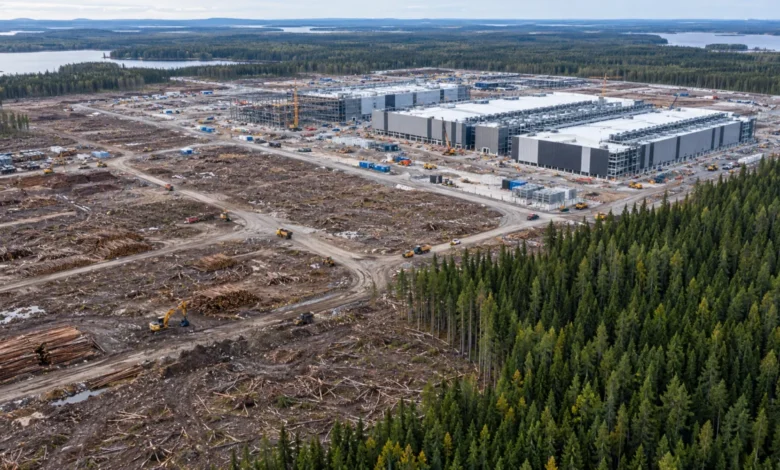
The rapid acceleration of artificial intelligence, driven by the insatiable demand for platforms like ChatGPT and Google’s Gemini, has collided with the physical realities of local infrastructure, setting the stage for a nationwide referendum on the future of the digital economy. On Tuesday, November 3, voters in 10 states will head to the polls to decide on 41 distinct ballot measures directly impacting the development of data centers. This surge in localized governance represents a significant turning point in the relationship between the tech industry and the municipalities that host their massive server farms. Of the measures appearing on ballots, 28 seek to place restrictive zoning or operational hurdles on future projects, while 13 aim to streamline the approval process to encourage further investment.
This localized resistance is not occurring in a vacuum. It is the culmination of years of mounting tension between global technology corporations and residents who are increasingly concerned about the tangible costs of the AI boom. As these massive facilities—often spanning hundreds of thousands of square feet—require consistent, around-the-clock power to operate their high-density cooling systems and server racks, they have placed an unprecedented strain on regional electricity grids. For many Americans, this strain has manifested in the most direct way possible: significantly higher monthly utility bills.
The Anatomy of the Power Crisis
To understand why data centers have become an urgent political issue, one must examine the sheer scale of their energy consumption. According to a comprehensive June 2026 report from the Lawrence Berkeley National Laboratory, data centers could account for as much as 11.8% of total U.S. electricity consumption by 2030, with some high-end projections reaching 15.3%. This is a staggering increase from previous decades, driven primarily by the high energy requirements of training large language models (LLMs) and supporting cloud-based generative AI applications.
The infrastructure required to support this demand—new high-voltage transmission lines, substation upgrades, and expanded power generation capacity—is expensive. While energy companies argue that this infrastructure is a necessary modernization of the grid, residents and consumer advocacy groups have raised pointed questions about who should foot the bill. Reuters has reported that residential electricity prices across the United States have climbed more than 10% since 2024. In states like Ohio, that figure has topped 20%. While these price hikes are multifaceted—involving rising fuel costs and aging transmission hardware—the sudden, massive influx of power-hungry data centers has made them a visible and convenient target for public frustration.
Chronology of the Conflict
The rise of the "anti-data center" movement was not immediate. It began in earnest around 2023, as the "Generative AI" gold rush took off and hyperscalers like Amazon, Microsoft, and Google began aggressively acquiring land for massive server clusters.
- 2023: Early reports of grid instability in data-heavy regions, such as Northern Virginia, began to circulate. Concerns about water usage for cooling and noise pollution from industrial cooling fans began to gain traction in local town halls.
- Early 2025: Regulatory bodies, including the Federal Energy Regulatory Commission (FERC), began facing pressure to re-evaluate how commercial rate structures account for high-load industrial consumers.
- Mid-2025: The first local moratoriums on data center construction were proposed in small towns in Maine and Illinois, signaling a shift from internal corporate planning to public legislative battles.
- November 2026: The current election cycle represents the peak of this friction, with the highest concentration of ballot measures in history, specifically targeting the size, location, and power-draw limits of new facilities.
Ohio: The Focal Point of the Debate
Ohio has emerged as the most intense battlefield for this issue. According to data provided by Ballotpedia, the state accounts for 21 of the 41 measures appearing on ballots this November. The legislative proposals are diverse in their scope. In communities like Sunbury, Defiance, and Oregon, voters will weigh in on ordinances that would prohibit the construction of any new data center consuming more than 25 megawatts of electricity.
The implications are immense. In Sunbury, for instance, the ballot initiative could derail a proposed $2 billion investment by Amazon. Proponents of the project argue that such an investment is a generational economic opportunity, promising a significant boost to the local tax base, the creation of hundreds of high-paying construction and maintenance jobs, and a stronger technological infrastructure for the region. Opponents, however, argue that the "tax revenue" argument is often hollowed out by massive tax incentives and abatements granted to these corporations, leaving the local residents to bear the brunt of the environmental and utility-cost burdens without sufficient public gain.
Broader Implications of Regional Power Markets
One of the most complex aspects of this debate is the nature of regional power grids. Electricity is rarely a local affair; it is distributed via massive regional transmission organizations (RTOs). The PJM Interconnection, for example, serves a vast swath of the country including New Jersey, Pennsylvania, Ohio, and Virginia.

When a data center is built in one town, its power demand is felt across the entire regional market. As noted by a recent analysis from FactCheck.org, the independent market monitor for PJM has explicitly identified the explosive growth of data centers as a primary driver of higher capacity market prices. These costs are shared across the grid, meaning a household in a town without a data center might still see their bill rise to subsidize the grid upgrades necessary to support a massive facility hundreds of miles away.
This reality has rendered local bans somewhat symbolic in some cases, yet they remain politically potent. Even if a local community successfully votes to block a development, the regional demand for AI-driven computing power does not dissipate; it simply moves to a neighboring jurisdiction or state with more favorable zoning laws. This creates a "race to the bottom" or "race to the top" scenario, where municipalities compete to balance the economic allure of tech investment against the local quality-of-life and utility-cost concerns of their constituents.
Official Responses and Industry Defense
Technology companies have responded to this wave of local resistance by emphasizing their long-term commitments to renewable energy and economic development. Amazon, in particular, has launched public relations campaigns in Ohio and beyond, highlighting their investment in carbon-neutral technologies and their role as a pillar of the digital economy.
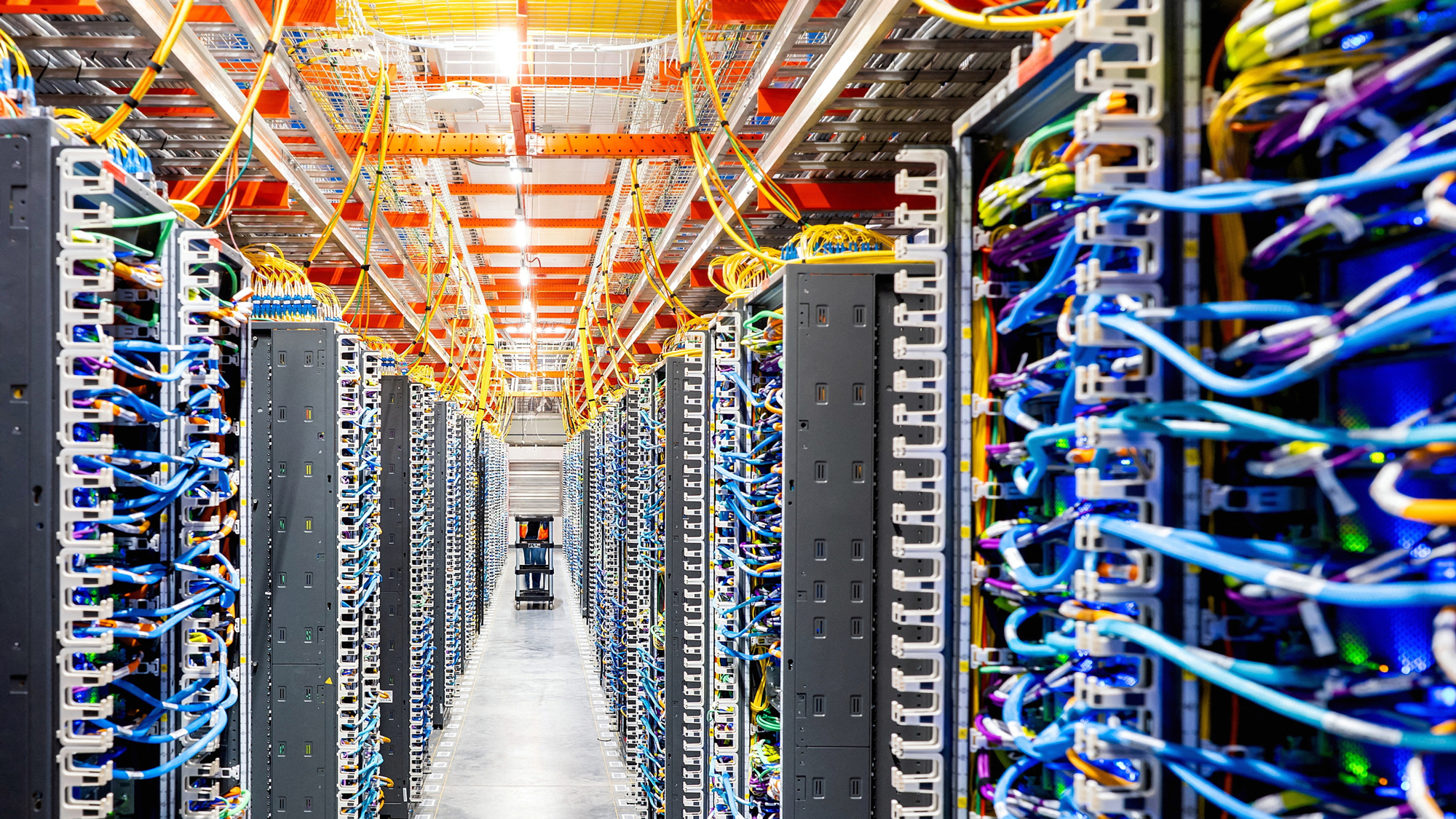
"Data centers are the bedrock of the modern economy," a spokesperson for a regional technology industry group stated in a recent press release. "Without this infrastructure, we lose our competitive edge in AI, we stall economic growth, and we limit the digital tools that millions of Americans rely on for their daily lives, from healthcare applications to education."
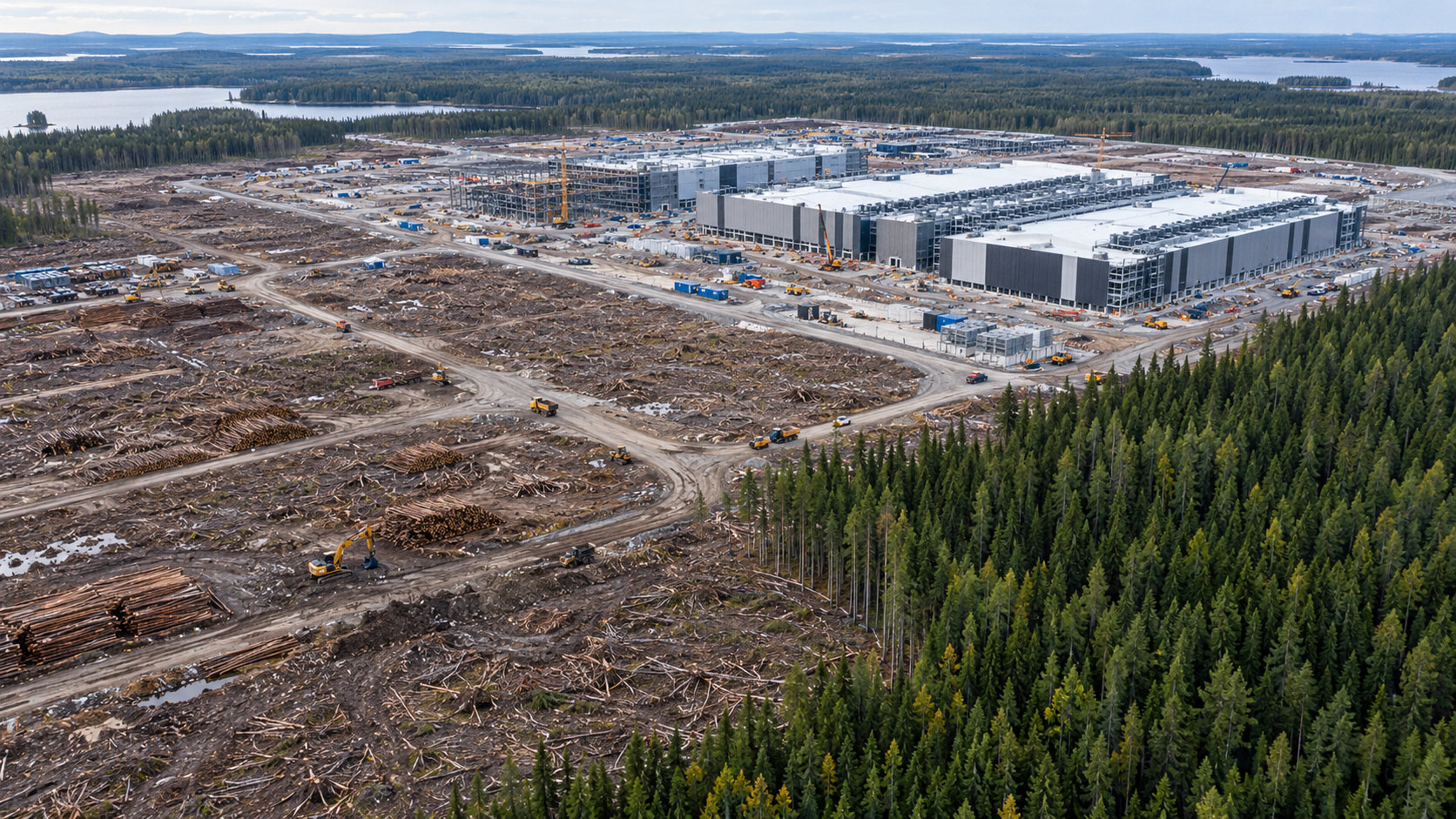
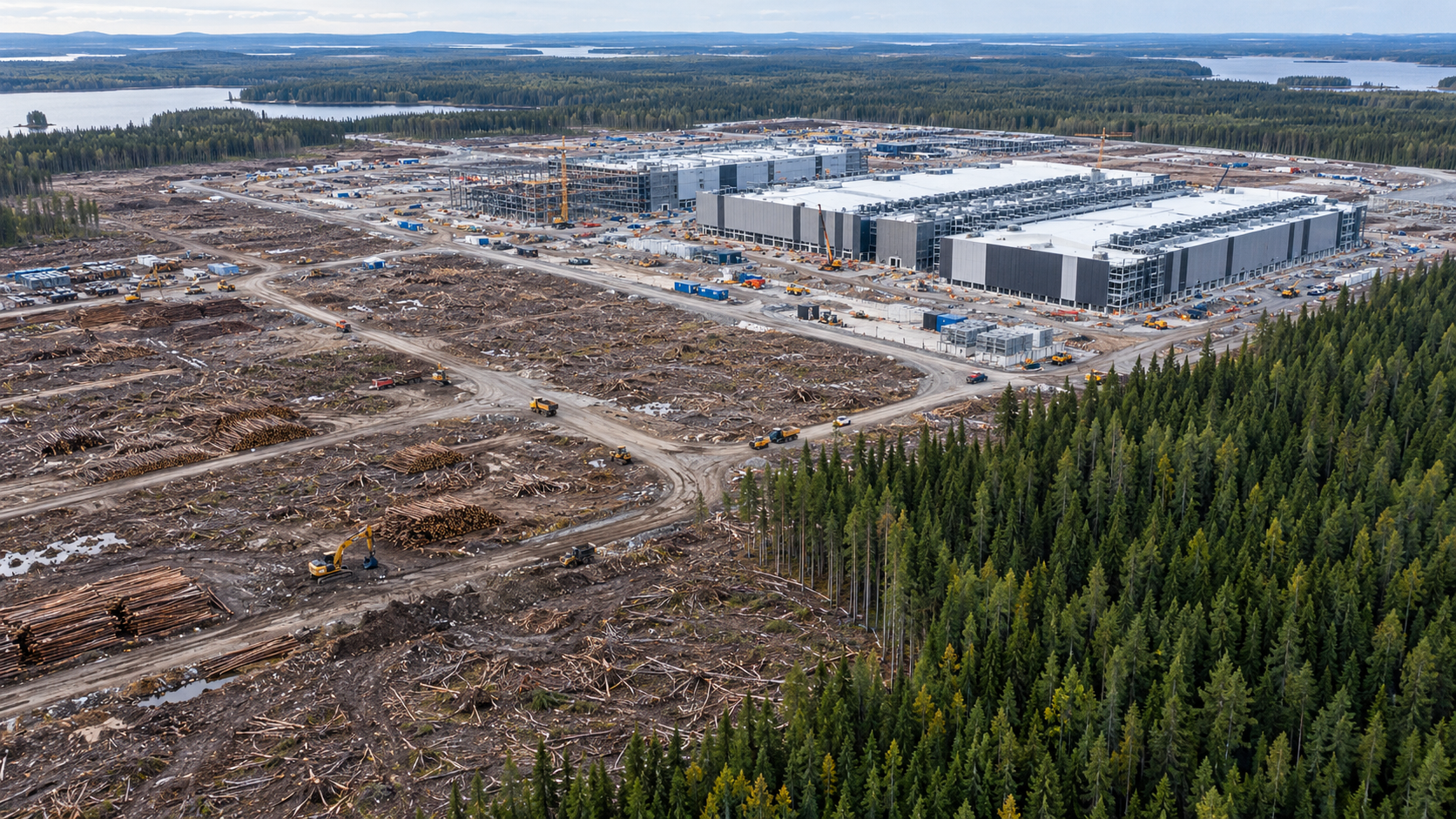
However, critics remain unconvinced by these corporate narratives. Local activist groups, which have organized through social media and town hall meetings, argue that the industry has been opaque about its resource consumption. They point to the hidden costs of water usage—vital for cooling large-scale server racks—and the land-use issues that often see vast swathes of green space paved over for windowless, concrete data warehouses.
Looking Ahead: The Post-Election Landscape
Regardless of the outcomes of the November 3 votes, the conversation surrounding the infrastructure of the AI era is unlikely to conclude anytime soon. The election results will serve as a bellwether for how the United States will handle the tension between the necessity of technological progress and the maintenance of local community standards.
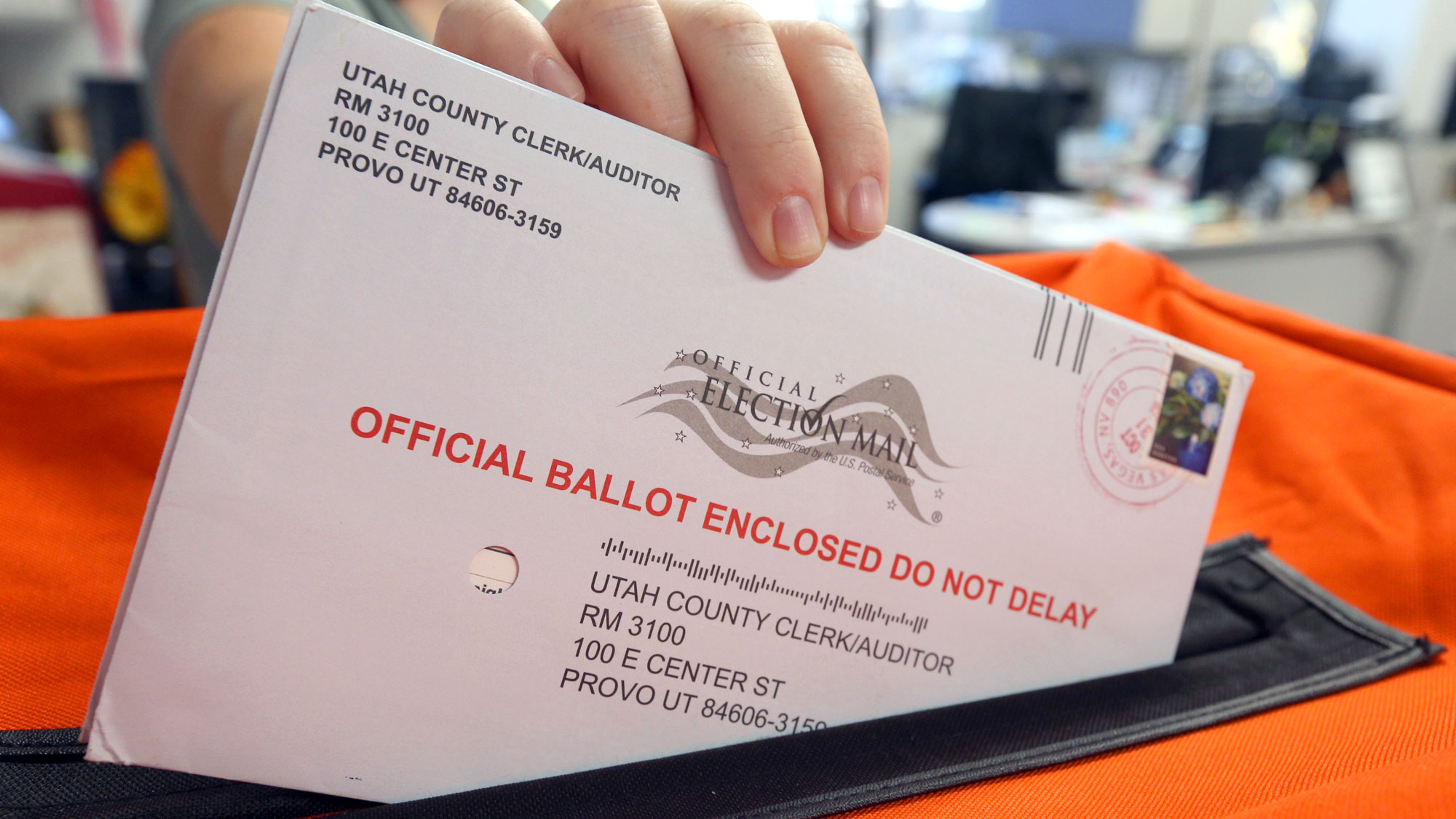
If a significant number of these measures pass, it could force a fundamental shift in how hyperscalers approach development. Future projects might require more robust public-private partnerships, where companies are explicitly mandated to fund the local grid upgrades they require rather than passing those costs on to residential ratepayers. It may also lead to stricter federal or state-level oversight on the siting of these facilities to prevent the current haphazard, town-by-town approach to regulation.
For the average American, the ballot box today is a mechanism for exerting control over an industry that has largely operated in the background. Whether these votes result in lower electricity bills remains an open question, but they have undeniably succeeded in elevating the debate. As AI continues to reshape the global economy, the ability of local communities to dictate the terms of their own physical environment will remain a central, defining challenge of the decade. The results of this election will set the precedent for how the next phase of the digital revolution is built, paid for, and integrated into the fabric of American life.