Apple Settlement Over Siri AI Overhaul Promises Up To 95 Dollars For Eligible Customers

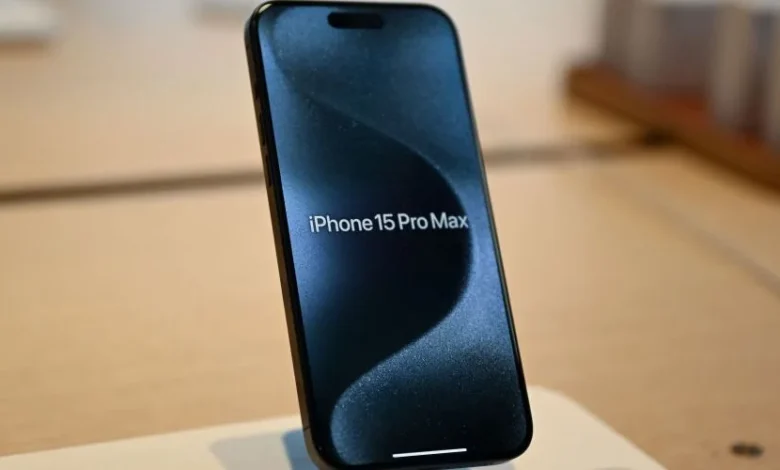
In a significant legal resolution that underscores the growing friction between aggressive consumer marketing and the practical reality of generative artificial intelligence development, Apple has finalized a $250 million settlement to address a class action lawsuit centered on its "Apple Intelligence" marketing campaign. The litigation, which gained momentum over the last year, specifically targeted the company’s promotion of its overhauled Siri voice assistant, a flagship feature that failed to meet the aggressive deployment timelines originally promised to early adopters of the iPhone 15 and iPhone 16 series. While the long-awaited artificial intelligence features are now accessible to consumers through the release of iOS 27, the financial settlement acknowledges the frustration of users who purchased high-end hardware under the premise that these sophisticated AI capabilities would be available at the time of sale.
The Genesis of the Litigation
The dispute originated from a misalignment between Apple’s marketing narrative and its engineering reality. Throughout late 2023 and early 2024, Apple positioned the integration of advanced generative AI—branded under the "Apple Intelligence" umbrella—as the primary justification for upgrading to the iPhone 15 Pro and the subsequent iPhone 16 lineup. The marketing materials suggested that the revamped Siri would possess unprecedented contextual awareness, task-automation capabilities, and cross-app integration.
However, the rollout of these features faced persistent delays. As months passed without the promised functionality, a coalition of consumers filed a class action suit in the United States, alleging that Apple engaged in deceptive trade practices. The plaintiffs argued that by advertising features that were not yet functional or fully developed, the company artificially inflated the perceived value of their hardware, inducing consumers to make purchases based on functionality that did not exist at the point of sale.
Chronology of the Dispute and Settlement
The timeline of this controversy reflects the volatile nature of the AI race, where companies often feel pressured to announce capabilities before they are technically ready for mass consumption.
- September 2023: Apple announces the iPhone 15 lineup, emphasizing future-ready AI capabilities.
- June 2024: The class action lawsuit is formally initiated, representing a class of consumers who purchased devices between June 10, 2024, and March 29, 2025.
- May 2025: Following months of discovery and pre-trial motions, Apple agrees to a $250 million settlement to avoid a protracted court battle.
- September 2025: The full rollout of the revamped Siri occurs as part of the iOS 27 software update.
- December 21, 2025: The final deadline for eligible claimants to submit their documentation for the settlement payout.
Understanding Eligibility and Payouts
The settlement framework is designed to compensate those who felt misled by the "Siri-first" marketing strategy. Eligibility is strictly confined to individuals residing in the United States who purchased specific iPhone 15 or iPhone 16 models directly from Apple or an authorized retail channel between June 10, 2024, and March 29, 2025.
Claimants stand to receive up to $95 per device, depending on the total number of approved claims filed before the December 21, 2025 deadline. The process requires a claimant to attest to the fact that they expected specific Siri functionality at the time of purchase, which was subsequently absent. To facilitate this, Apple has launched a dedicated portal, smartphoneaisettlement.com, where users can register their claims. The verification process requires the device’s serial number, which can be retrieved through the "About" section in the iPhone’s General Settings menu. Payment options for approved claimants include digital transfers via PayPal or Venmo, direct bank deposits, or traditional paper checks.
Corporate Strategy and Legal Stance
In the wake of the settlement, Apple has maintained a stance of total non-admission. In an official statement released in May, the company noted that the resolution was a strategic decision intended to prevent further distraction. "We resolved this matter to stay focused on doing what we do best, delivering the most innovative products and services to our users," the statement read.
Legal analysts note that such settlements are common among technology giants who prefer to mitigate reputational risk and avoid the potential for punitive damages that might arise from a jury trial. By paying $250 million, Apple effectively places a cap on its liability while continuing to push its hardware ecosystem forward. The company’s legal team emphasized that the settlement should not be construed as an admission of wrongdoing, but rather as an effort to maintain focus on the long-term integration of Apple Intelligence into the broader iOS ecosystem.
The Broader Impact on AI Marketing
The implications of this settlement extend far beyond the specific case of Siri. It represents a watershed moment for the "AI Hype Cycle." For the past two years, hardware and software manufacturers have engaged in an arms race to promise "AI-first" experiences. This settlement serves as a warning to the industry that consumer protection laws are increasingly being applied to the promises made by generative AI.
Regulatory bodies and consumer advocates are now closely monitoring how companies describe "coming soon" features. There is a growing consensus that if a device’s value proposition is fundamentally tied to a specific software feature, that feature must be functional at the time of purchase or clearly labeled as a beta service with a defined, non-binding timeline. If companies fail to meet these transparency standards, they risk not only class action litigation but also increased scrutiny from agencies like the Federal Trade Commission (FTC).
Analyzing the Consumer Sentiment
For the average user, the settlement is a partial vindication of the expectation that hardware purchases should be evaluated based on current performance rather than projected software updates. Industry experts suggest that while $95 is a significant refund, the greater value lies in the precedent set. It forces tech firms to reconsider the language used in their keynote presentations and marketing collateral.
Furthermore, the complexity of the claim process—requiring serial numbers and official declarations—highlights the administrative burden placed on consumers when companies fail to deliver on their promises. Despite the availability of the new Siri in iOS 27, many users remain skeptical of marketing claims. The fact that thousands of consumers are expected to participate in this claim process suggests that the trust gap between Silicon Valley’s promises and user reality is a significant factor in current market dynamics.
Moving Forward: What Comes Next?
As Apple continues to iterate on its AI tools, the company is likely to adopt a more conservative approach to product launches. The lesson learned from this litigation is that while "vaporware" or "delayed features" might boost short-term pre-order numbers, the long-term cost—both in financial terms and brand equity—can be substantial.
For those still considering whether to file a claim, the process remains relatively straightforward. By visiting the settlement website and providing the necessary hardware identifiers, users can recoup a portion of their investment. However, it is essential to note that each device requires a separate claim form. For households with multiple eligible devices, this can be a time-consuming process, yet one that remains a primary route for those seeking redress for the initial marketing misalignment.
As the tech industry moves toward more integrated AI, the balance between innovation and honesty will remain a critical point of contention. The $250 million settlement is a stark reminder that the digital age has not exempted corporations from the fundamental requirements of consumer transparency. As Apple moves into the next phase of its AI deployment, the eyes of both the industry and the legal community will be fixed on whether these new features can deliver on the promises that, in the case of Siri, proved to be far more difficult to execute than initially anticipated. Whether this settlement acts as a sufficient deterrent against future over-hyping remains to be seen, but it has certainly shifted the discourse around how "future-ready" tech products are sold to the public.