Samsung Set to Launch Android XR Intelligent Eyewear in South Korea and the United States This December

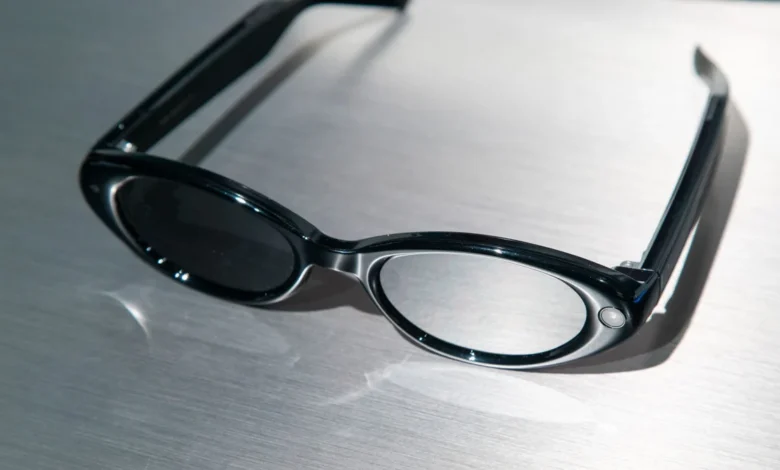
The consumer technology landscape is bracing for a significant shift in wearable computing as Samsung prepares to introduce its highly anticipated Android XR Intelligent Eyewear. Following months of industry speculation, supply chain leaks, and strategic previews, fresh reports indicate that the South Korean electronics giant has locked in a mid-December launch window for its next-generation smart glasses. Initially targeting two of the world’s most critical technology markets—South Korea and the United States—Samsung intends to use this localized rollout as a high-stakes litmus test before scaling up to a broader international distribution strategy.
The decision to roll out the Intelligent Eyewear during the peak holiday shopping season underscores Samsung’s confidence in its hardware ecosystem, yet it also highlights a cautious approach toward consumer adoption in the nascent extended reality (XR) sector. As competition in the smart eyewear market intensifies—particularly against established players like Meta and its Ray-Ban collaboration—industry observers are closely monitoring how Samsung plans to position its ecosystem-driven device in terms of pricing, functionality, and fashion integration.
Chronology of the Launch: From Rumors to Reality
The journey toward Samsung’s Intelligent Eyewear has been characterized by a shifting timeline of leaks, adjustments, and official teasers. Speculation regarding Samsung’s entry into the smart glasses space intensified following the announcement of its strategic partnership with Google and Qualcomm to build a comprehensive Android XR platform. This collaborative foundation was designed to counter rival platforms and establish a unified operating system for spatial computing and lightweight wearables.
Throughout the summer and early autumn of 2026, rumors fluctuated wildly regarding the device’s exact debut. In July, executive remarks suggested that the hardware was maturing rapidly, sparking conversations about a late-autumn release. By early October, tech industry insiders widely reported that a November launch was imminent, fueling consumer excitement ahead of the holiday shopping period.
However, supply chain adjustments and final-stage software optimizations reportedly pushed the timeline back slightly. According to recent reports originating from South Korean publication ChosunBiz, internal schedules now point firmly toward a mid-December release. By choosing a targeted regional deployment in South Korea and the U.S., Samsung aims to closely monitor initial consumer demand, user feedback, and hardware performance under real-world conditions. This phased methodology allows the company to iron out potential software friction points within the Android XR ecosystem before committing to a wider global rollout scheduled for subsequent quarters.
Pricing Uncertainty and Market Positioning
One of the most persistent variables surrounding the Intelligent Eyewear launch has been the retail pricing strategy. While tech enthusiasts have spent months speculating on the cost of Samsung’s wearable, insiders indicate that executive leadership has yet to finalize the definitive price point.
During corporate briefings earlier in the year, Samsung representatives hinted that the Intelligent Eyewear would carry a "reasonable" premium price tag. Rather than competing directly at the budget-friendly end of the spectrum, Samsung is expected to position its smart glasses above entry-level audio-only frames, such as Meta’s popular $300 Ray-Ban smart glasses, which primarily focus on basic media capture and AI voice queries. Because Samsung’s glasses are engineered to integrate deeply with the Android XR ecosystem and leverage advanced visual computing features, analysts anticipate a higher price point that reflects the advanced components housed within the lightweight frames.
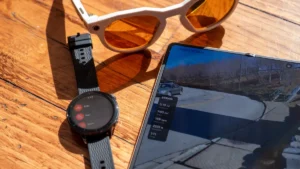
Crucially, Samsung has designed the Intelligent Eyewear to function as an extension of the user’s existing mobile ecosystem rather than a standalone computing replacement. Marketing materials and early developer previews emphasize seamless synergy with Galaxy smartphones and ecosystem peripherals. For instance, users will be able to manage select features and capture photos directly through intuitive gestures performed on a compatible Galaxy Watch, creating a tightly integrated web of smart devices designed to keep the user connected without overwhelming them.
Merging High Fashion with Advanced AI
Beyond raw specifications and software capabilities, Samsung has recognized that mainstream adoption of smart glasses hinges heavily on aesthetics. Past attempts at augmented reality and smart eyewear by various tech companies frequently stumbled because the hardware looked excessively futuristic, bulky, or socially intrusive.
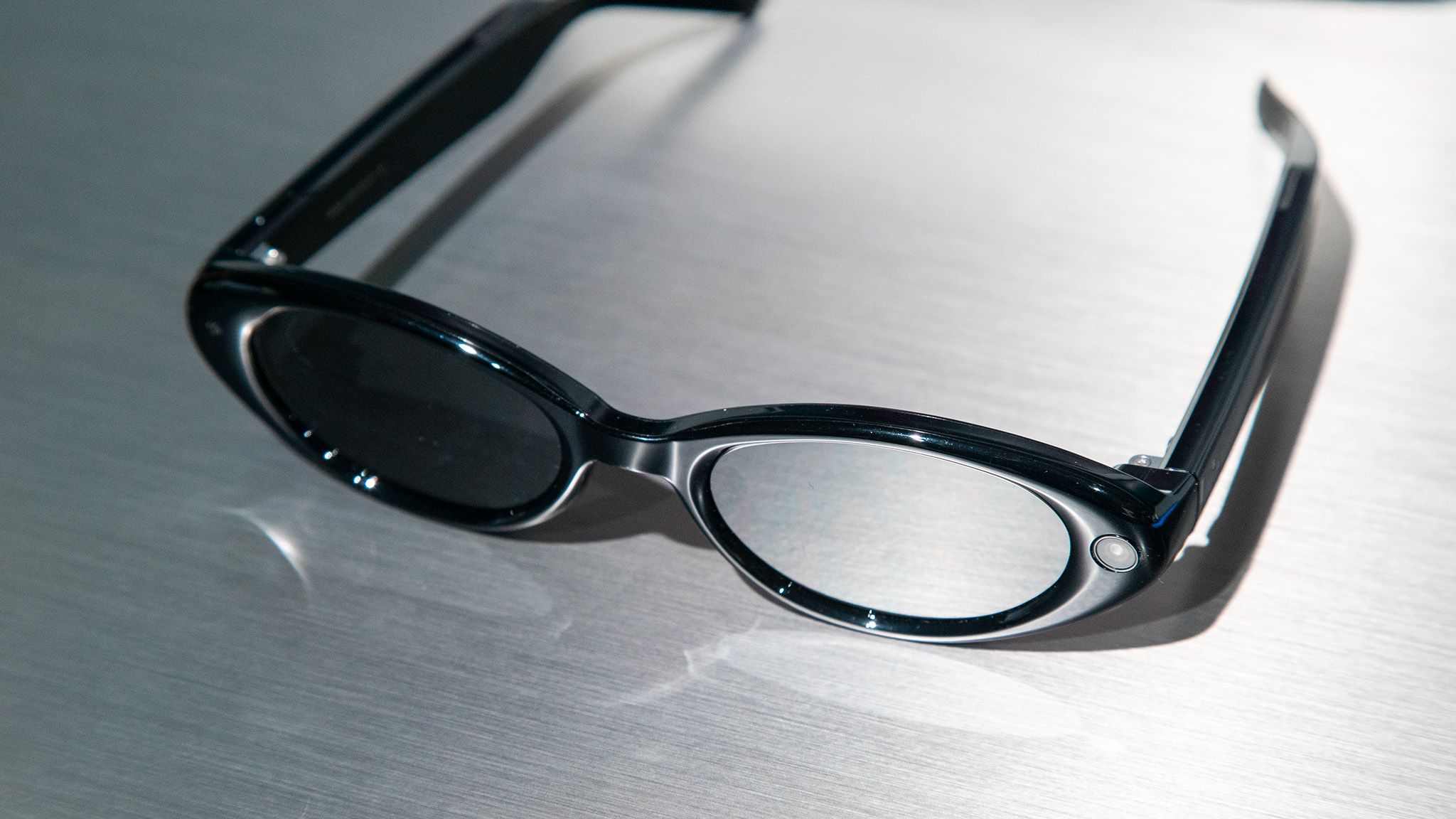
To circumvent this hurdle, Samsung partnered with globally recognized eyewear powerhouses Gentle Monster and Warby Parker. These collaborations were officially highlighted during Samsung’s broader ecosystem reveals, showcasing frames that blend cutting-edge artificial intelligence with contemporary, designer aesthetics. By offering a variety of fashionable frames, Samsung ensures that consumers do not have to sacrifice personal style for technological utility. The collaboration bridges the gap between traditional optical fashion and silicon-driven innovation, making the glasses suitable for everyday wear in professional and social environments alike.

Broader Industry Implications and Future Outlook
The impending December rollout of Samsung’s Intelligent Eyewear carries profound implications for the broader wearable technology sector. For years, the market has been divided between bulky virtual reality headsets designed for gaming and media consumption, and basic audio-streaming spectacles that lack true visual augmentation or advanced contextual AI.
By introducing a device powered by Android XR, Samsung, Google, and their hardware partners are attempting to establish a standardized framework for spatial computing that can be adopted across multiple manufacturers. The success or failure of the mid-December launch in South Korea and the United States will serve as a bellwether for consumer appetite in lightweight, AI-driven optical devices.
If early adopters embrace the seamless integration between Galaxy smartphones, Galaxy Watches, and the new Intelligent Eyewear, it could trigger a rapid acceleration in competitor investments and developer engagement within the Android XR ecosystem. Conversely, any friction in pricing, battery performance, or user interface navigation could prompt a recalibration of how tech giants approach the commercialization of smart eyewear.
As mid-December approaches, all eyes remain fixed on Seoul and Washington as Samsung prepares to unveil what could very well define the next decade of personal computing and wearable fashion.