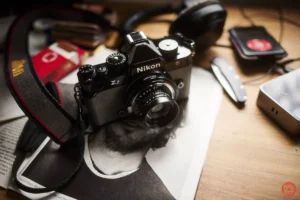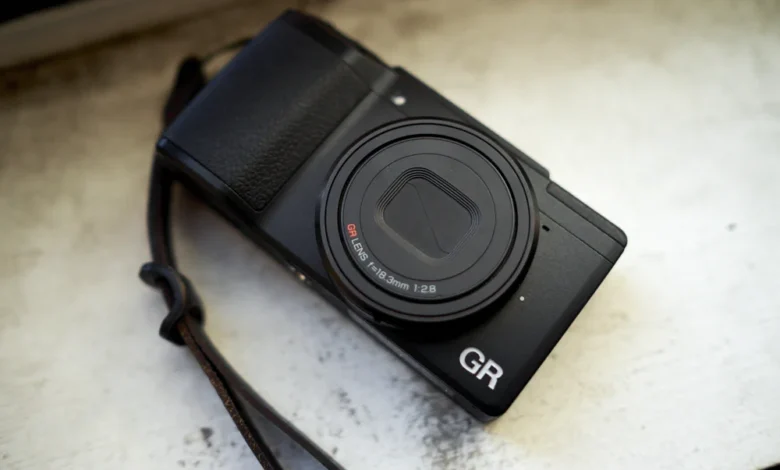
In the dynamic world of street photography, where capturing fleeting moments requires a blend of discretion, speed, and image quality, photographers are often presented with a diverse array of high-end tools. Leading manufacturers like Nikon with its Zf, Panasonic with its S9, and Canon with its R6 series offer sophisticated options catering to various professional and enthusiast needs. However, for the discerning photographer operating on a tighter budget, an older yet remarkably capable contender often emerges as a compelling choice: the Ricoh GR II. This compact digital camera, despite its age, continues to impress with its robust performance, making it a standout option for those seeking to document urban life without breaking the bank.
The Enduring Appeal of the Ricoh GR II
The Ricoh GR II, released in 2015, belongs to a lineage of cameras renowned for their fixed, wide-angle lenses and minimalist design, specifically engineered for street photography. Its enduring appeal lies in its ability to deliver exceptional image quality and intuitive handling, characteristics that remain highly relevant even in the face of newer technological advancements. While modern cameras boast cutting-edge autofocus systems and advanced connectivity, the GR II’s fundamental strengths in image rendering and its discreet form factor continue to resonate with a dedicated user base.
Autofocus Prowess and Macro Capabilities
A critical aspect of street photography is the ability to quickly and accurately acquire focus on a subject, often in unpredictable environments. The Ricoh GR II excels in this regard, particularly in daylight conditions. Its autofocus system, while not on par with the sophisticated phase-detection or hybrid systems found in contemporary mirrorless cameras, is remarkably effective for its class and era. Photographers can effectively employ the "focus and recompose" technique, locking focus on the intended subject and then adjusting framing, a staple of street shooting.
In low-light scenarios, the GR II does exhibit some limitations, a consequence of its technological origins. However, this is a common trade-off for many cameras of its generation, and for its intended purpose, its low-light focusing remains serviceable. One of the GR II’s underappreciated features is its adeptness in macro mode. This allows photographers to get remarkably close to their subjects, opening up creative possibilities for capturing intricate details and textures often overlooked in wider street scenes. This macro capability adds a layer of versatility that broadens the GR II’s photographic potential beyond traditional street documentation.
Image Quality: A Defining Characteristic
At the heart of the Ricoh GR II’s enduring reputation is its image quality. The camera features a 16-megapixel APS-C CMOS sensor, a significant advantage for a compact camera, as it allows for greater detail capture and better performance in varying light conditions compared to smaller sensor formats. This sensor, coupled with a fixed 28mm equivalent lens (on a 35mm full-frame basis), provides a classic wide-angle perspective that is ideal for street photography, offering a broad field of view without excessive distortion.
The camera also includes a built-in flash, a useful feature for those moments when extra illumination is needed, though its output is modest and best used for fill light rather than primary illumination. The 3-inch LCD screen provides a clear window into the captured images, and the camera’s lightweight design, weighing in at a mere 251g, makes it exceptionally portable and unobtrusive. With an ISO range extending to 25,600, the GR II offers a reasonable degree of flexibility for shooting in dimmer environments, though high ISO performance will naturally show noise.
The JPEGs produced by the Ricoh GR II are consistently praised for their vibrancy and pleasing color rendition. In an assessment from The Phoblographer, the camera’s JPEG output was notably highlighted: "The colors are fantastic and deliver some wonderful JPEGs. ‘Fujifilm and Olympus tend to deliver really nice JPEGs, but the Ricoh GR II beats both of them in my opinion.’" This strong in-camera processing means that many photographers can achieve excellent results straight out of the camera, a significant advantage for those who prioritize immediate usability and workflow efficiency.
Lens Performance and Creative Potential
The fixed 28mm lens on the GR II is not only sharp but also capable of producing attractive background blur, or bokeh, when the subject is brought closer. This subtle yet significant characteristic adds a layer of depth and separation to images, allowing the subject to stand out against its surroundings. The sharpness of the lens is particularly evident when reviewing images on the LCD, revealing fine details with impressive clarity.
Beyond its color capabilities, the Ricoh GR II truly shines when transitioning to monochrome. The camera’s black and white conversions are often lauded for their tonal range and contrast, producing images with a classic, timeless feel. For those who prefer to process their images further, the RAW files offer considerable latitude. Details in both highlight and shadow areas can be effectively recovered, providing ample room for post-processing adjustments to fine-tune the final output. This flexibility in RAW processing is crucial for photographers who want to exert complete creative control over their images.
Build Quality and Ergonomics
The physical design of the Ricoh GR II is a testament to its street photography focus. The camera body is constructed with durability and usability in mind. Tactile buttons and dials are strategically placed on the top and back of the camera, allowing for quick adjustments to settings without needing to delve into complex menus. This intuitive control scheme is essential for street photographers who need to operate quickly and efficiently.
However, one notable omission in the GR II’s design is weather sealing. This lack of protection against the elements means that photographers must exercise caution when shooting in rain, snow, or dusty conditions. While this might be a limiting factor for some, it is a compromise often made in favor of the camera’s compact size and accessibility. For most urban street photography scenarios, this limitation is manageable, but it’s a crucial consideration for those who frequently shoot in challenging weather.
A 24-Hour Immersion: Real-World Performance
The effectiveness of the Ricoh GR II in a real-world street photography context was thoroughly tested in a 24-hour field report. The findings underscored the camera’s inherent strengths and its suitability for extended use. As quoted in the review: "I’ve spent a full 24 hours with the camera and I genuinely have to say that Ricoh is doing a whole lot right. From the low profile nature and how the camera slips into the pocket, to the really good battery life on top of nice RAWs and JPEGs (yes, sometimes I’m actually happy with what I get right out of camera), there’s a lot to love about this camera."
This firsthand account highlights several key advantages: the camera’s discreet and pocketable form factor, which aids in blending into the environment; its respectable battery life, which is crucial for long shooting days; and the consistently pleasing image output, both in RAW and JPEG formats. The sentiment that the camera itself fosters enjoyment in the act of photography is a powerful endorsement for any imaging device.
The Budget-Conscious Choice: Value Proposition
The Ricoh GR II’s position as a budget-friendly option is further solidified by its price point in the used market. While originally priced between $900 and $1200, pre-owned units can now be found for significantly less, often ranging from a few hundred dollars to under $600 depending on condition and seller. This makes it an accessible entry point into the world of high-quality, APS-C sensor photography, especially for aspiring street photographers.
When compared to the cost of newer APS-C cameras, the GR II offers an exceptional value proposition. Its fixed lens design, while limiting in terms of focal length flexibility, simplifies the shooting experience and contributes to its compact size and optical quality. For young photographers or those just beginning their journey into street photography, the GR II provides a robust and capable tool that can significantly contribute to their learning and creative development without demanding a substantial financial investment.
Broader Context: The Evolution of Street Photography Cameras
The landscape of street photography has evolved considerably since the introduction of the GR II. The rise of mirrorless technology has brought cameras that are smaller, faster, and equipped with advanced autofocus systems, often featuring eye-tracking and superior low-light performance. Cameras like the Fujifilm X100 series, with their hybrid viewfinders and distinct retro styling, have also carved out a significant niche in the street photography market.
However, the GR II’s appeal lies in its specific strengths. Its fixed 28mm lens encourages a particular photographic perspective, forcing the user to "zoom with their feet" and engage more directly with their subjects and environment. This fixed focal length can foster a more deliberate and immersive approach to photography. Furthermore, the simplicity of its operation, devoid of the overwhelming array of customization options found on some modern cameras, can be liberating for photographers who prefer to focus on the moment rather than the technology.
The Future for the Ricoh GR II
While Ricoh has since released newer iterations of the GR series, such as the GR III and GR IIIx, the GR II remains a relevant and highly capable camera. Its mature technology, combined with its affordability on the used market, ensures its continued popularity among a segment of street photographers. It serves as a testament to the fact that excellent image quality and a compelling shooting experience are not solely dependent on the latest technological innovations.
For photographers seeking a discreet, high-quality camera that fosters a focused and enjoyable shooting experience, and who are mindful of their budget, the Ricoh GR II continues to stand out as an exemplary choice. Its enduring legacy is a testament to its well-executed design and its ability to consistently deliver excellent results in the demanding and dynamic realm of street photography. The camera’s ability to produce beautiful images, coupled with its tactile handling and unobtrusive nature, solidifies its status as a wise investment for anyone looking to capture the essence of urban life.