Unprecedented nesting of olive ridley sea turtles on California beaches signals a potential shift in marine migration patterns

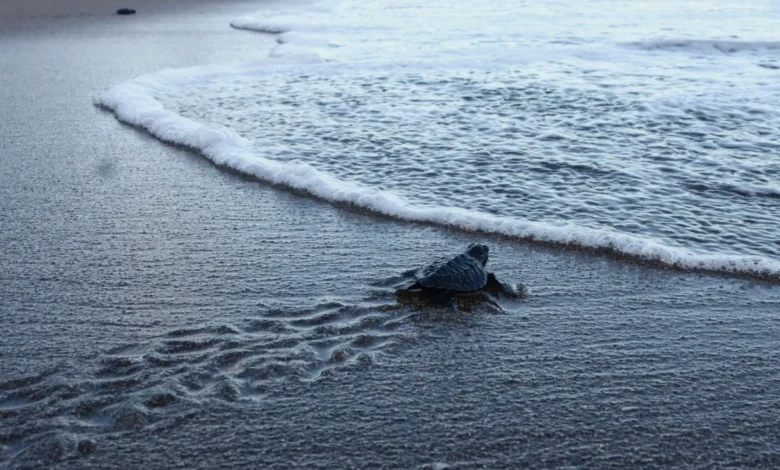
In a milestone event for marine biology and conservation, the United States West Coast has witnessed its first-ever documented natural sea turtle nesting. What began as a surprising observation by beachgoers in Orange County has evolved into a significant scientific inquiry, as researchers confirmed that two separate olive ridley sea turtles (Lepidochelys olivacea) successfully laid clutches of eggs on California soil. This rare occurrence, occurring at the northernmost reaches of the species’ known range, has prompted immediate intervention from environmental agencies and ignited a broader conversation regarding the impact of warming ocean temperatures on global biodiversity.
A Chronology of the Discovery
The incident began on September 16, when witnesses at Saal Beach in Orange County observed a sea turtle emerging from the surf to excavate a nest and deposit eggs. Initially, local lifeguards and authorities suspected the animal might be injured or distressed, a common assumption given that sea turtles rarely venture onto California beaches unless they are in need of rescue. However, as the turtle proceeded with the instinctual process of nesting, it became clear that this was a deliberate biological event rather than a medical emergency.
The significance of this event was compounded just days later when a second olive ridley sea turtle was identified nesting near the iconic Huntington Beach Pier. The proximity of the two events—separated by only a few miles and a short window of time—initially led some officials to wonder if they were tracking the same mother, as olive ridleys are known to engage in multiple nesting events within a single season.
To resolve the ambiguity, Dr. Cali Turner Tomaszewicz, a research biologist specializing in marine life, performed a detailed analysis of photographic evidence captured by beachgoers and staff. By comparing the unique scale patterns and shell morphology of the two turtles, Dr. Tomaszewicz confirmed that the two nests were the result of two distinct individuals. This confirmation transformed the event from a singular anomaly into a broader ecological trend, suggesting that the conditions facilitating this behavior were not isolated to a single, potentially disoriented animal.
The Biology of the Olive Ridley
The olive ridley sea turtle is widely recognized as one of the most abundant species of sea turtles globally, yet they are typically found in tropical and subtropical waters, with primary nesting grounds concentrated in the Eastern Pacific, particularly in Mexico and Costa Rica. Their nesting behavior is characterized by "arribadas," a Spanish term for "arrival," where thousands of females return to the same beach simultaneously to lay their eggs in a coordinated mass event.
Typically, an adult female olive ridley will deposit between one and three clutches per season, with each clutch containing an average of 100 eggs. While they are among the smallest of the sea turtle species, their biological resilience is high. However, their reliance on specific thermal conditions for incubation is a critical factor. The eggs require a specific temperature range to develop properly, and the sex of the hatchlings is determined by the temperature of the sand in which the eggs are buried. Consequently, the choice of nesting site is a high-stakes decision that dictates the viability of the next generation.
Environmental Drivers and Climate Context
The primary scientific hypothesis currently circulating among marine biologists and climate experts is that the unprecedented migration north is a direct response to rising ocean temperatures. The Pacific Ocean has been subject to increased thermal anomalies, often exacerbated by recurring weather patterns such as El Niño. These events result in the warming of coastal waters, which can push marine species, including prey and predators alike, into cooler or more northern latitudes that were previously considered outside of their habitable range.
Dr. Tomaszewicz and her colleagues are examining whether this shift is a transient response to a particularly warm season or a permanent adaptation. If the waters off the coast of Southern California continue to maintain temperatures conducive to the incubation of olive ridley eggs, these beaches may be in the early stages of becoming a permanent, albeit small, part of the species’ expanded nesting range. This phenomenon is consistent with global observations of "tropicalization," where marine species are increasingly moving toward the poles as the planet undergoes rapid climatic shifts.
Official Response and Conservation Measures
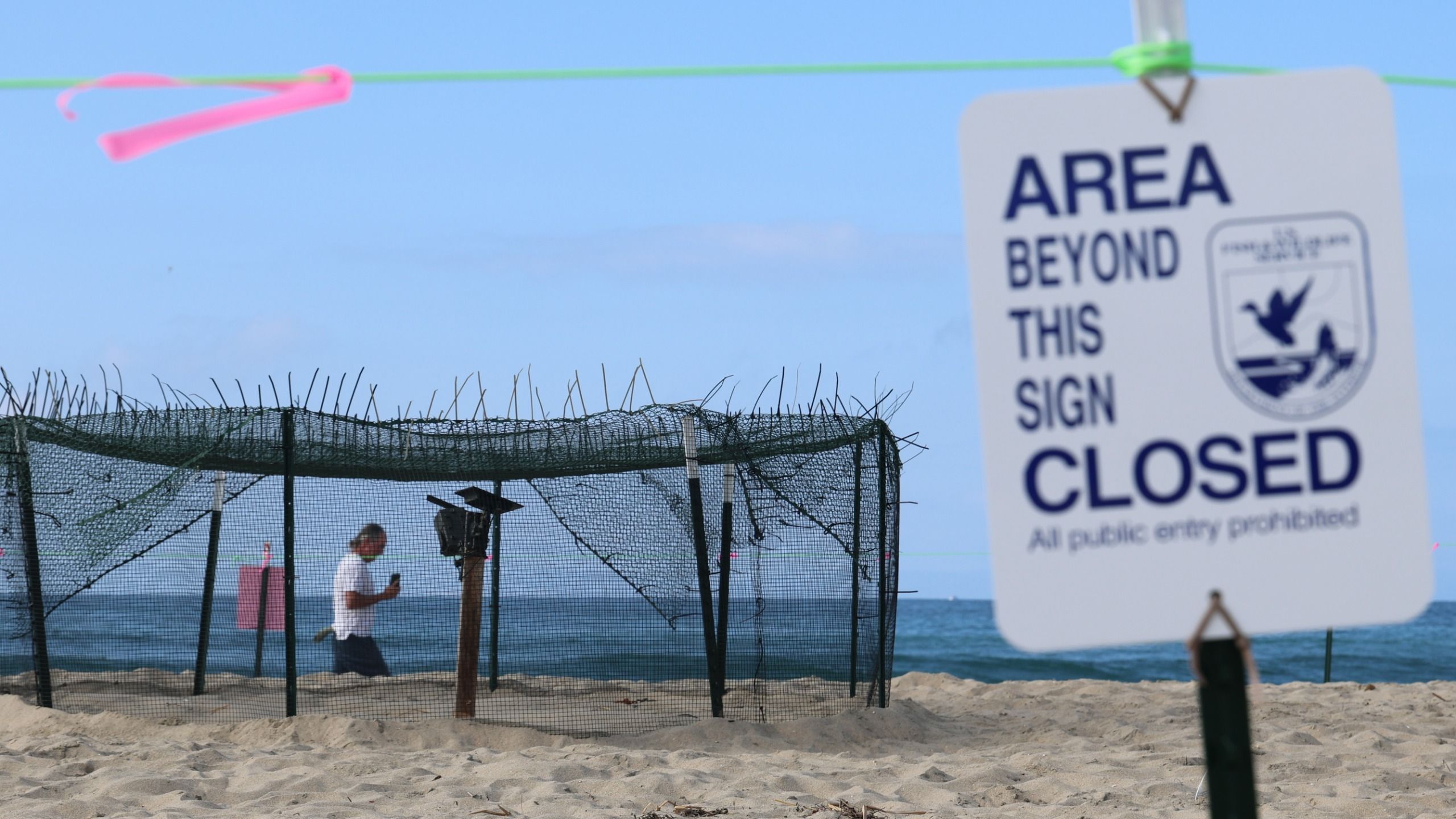
Following the confirmation of the nests, the National Oceanic and Atmospheric Administration (NOAA) and local environmental protection agencies took swift action. Both the Saal Beach and Huntington Beach Pier sites were cordoned off to prevent human interference, as the survival of the embryos is highly dependent on undisturbed sand conditions.
"This is the first-ever recorded natural nesting for any sea turtle species on the US West Coast," stated a representative from NOAA Fisheries. The agency has emphasized the need for public cooperation, urging beachgoers to respect the established perimeters. Given the sensitivity of the eggs and the potential for public curiosity to disturb the sites, the agency has deployed a surveillance team to monitor the nests 24/7.
Furthermore, NOAA has integrated this event into their broader tracking database, creating a dedicated portal for citizens to report any sightings of sea turtles along the coast. Public participation is deemed vital, as the density of the human population on California beaches provides a "human sensor network" that can help scientists track whether more turtles are attempting to nest in the region.

Implications for Future Marine Management
The nesting of these turtles presents a complex challenge for wildlife management. While the presence of nesting mothers is a testament to the species’ adaptability, it also places these populations at risk. California beaches are significantly more urbanized, polluted, and heavily trafficked than the remote beaches of Costa Rica or Mexico. The introduction of light pollution, plastic debris, and human noise creates a hazardous environment for hatchlings, who rely on the horizon’s natural light to navigate toward the ocean.
If these nests successfully hatch, researchers will face the challenge of managing a population that is effectively "off the map" for existing conservation frameworks. Marine biologists are currently discussing the necessity of potential hatchling assistance programs, where experts might need to intervene to ensure the newborns reach the water safely, given the high concentration of predators and urban barriers.
A Broader Scientific Perspective
The event serves as a stark reminder of the fluidity of marine ecosystems. For decades, the "line" between tropical and temperate marine habitats was considered relatively stable. However, as the frequency and intensity of marine heatwaves increase, the geographic boundaries that have historically defined where species live, feed, and breed are becoming increasingly porous.
This incident has also spurred interest in the technological aspect of marine research. The use of crowd-sourced photography—enabled by high-resolution smartphone cameras—played a decisive role in the identification of the two distinct mothers. It highlights a growing trend in "citizen science," where the public acts as a primary source of data for professional researchers.
As the scientific community awaits the incubation period to conclude, the focus remains on the long-term monitoring of these sites. The success or failure of these specific nests will provide data points that inform future climate modeling. Whether this remains a historical footnote or marks the beginning of a new chapter in Pacific marine ecology, the appearance of the olive ridley in Southern California stands as one of the most significant wildlife events of the decade.
For the time being, the message from conservationists is clear: the natural world is moving, and the responsibility to protect these species now extends to beaches that, until last month, were never considered a home for sea turtles. Researchers encourage anyone visiting the Southern California coastline to remain vigilant, keep a respectful distance, and report any further sightings to the appropriate regional NOAA Fisheries office to ensure that this scientific anomaly is documented with the precision it deserves.
Related posts: