The Ricoh GR II: A Budget-Friendly Powerhouse for Street Photographers

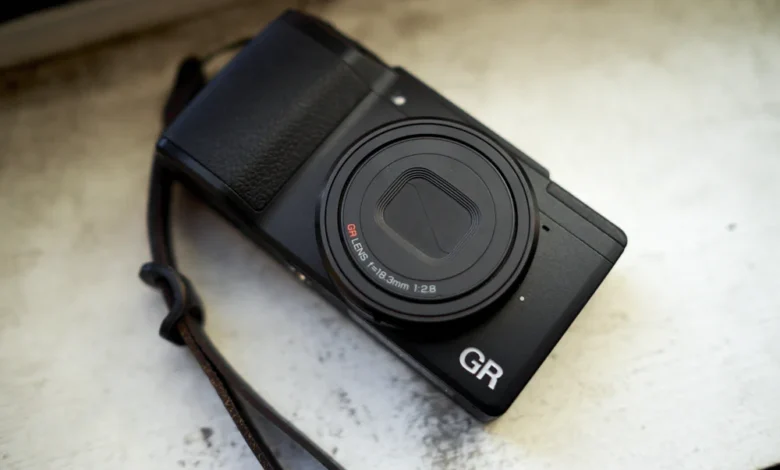
In the dynamic world of street photography, where capturing fleeting moments with clarity and discretion is paramount, camera choices often boil down to a delicate balance of performance, portability, and cost. While contemporary options like the Nikon Zf, Panasonic S9, and Canon R6 series command significant attention and investment, an older, yet remarkably capable, contender continues to hold its ground for budget-conscious enthusiasts: the Ricoh GR II. This unassuming compact camera, despite its age, offers a compelling suite of features that make it an enduringly attractive tool for urban explorers and candid photographers.
The Enduring Appeal of the Ricoh GR II
The Ricoh GR II, first released in 2015, emerged from a lineage of highly respected compact cameras known for their robust build and exceptional image quality, particularly within the fixed-lens segment. Its predecessor, the GR, had already cemented its reputation among discerning photographers for its APS-C sensor in a pocketable form factor and its renowned 28mm equivalent lens. The GR II built upon this foundation, introducing Wi-Fi and NFC connectivity for easier image transfer and remote shooting, a nod to the evolving digital landscape.
For street photographers, the camera’s inherent design philosophy aligns perfectly with the demands of the genre. Its small footprint allows it to be carried unobtrusively, slipping easily into a jacket pocket or small bag. This discreet nature is crucial for candid photography, enabling photographers to blend into their surroundings and capture genuine interactions without drawing undue attention. The "snapshot" focus of the GR series means it’s designed for quick, decisive moments, a hallmark of effective street photography.
Performance in Focus: Autofocus and Image Quality
One of the standout features of the Ricoh GR II, even a decade after its initial release, is its autofocus system. While not as lightning-fast or sophisticated as the latest mirrorless offerings, it performs admirably, especially in good lighting conditions. The ability to utilize the "focus and recompose" technique, a staple for many street photographers, is well-supported. This method involves pre-focusing on a specific distance and then recomposing the shot, a technique that the GR II handles effectively.
In challenging low-light scenarios, the autofocus can exhibit some limitations, a characteristic expected of a camera of its vintage. However, its macro capabilities are noteworthy, allowing photographers to get remarkably close to their subjects. This opens up possibilities for detail-oriented street shots, abstract compositions, or capturing the nuances of urban textures.
The image quality produced by the Ricoh GR II is where it truly shines and earns its reputation. Equipped with a 16.2-megapixel APS-C CMOS sensor, it punches well above its weight class. The larger sensor size, compared to most point-and-shoot cameras of its era, translates to superior detail, dynamic range, and low-light performance. This is further enhanced by its fixed 18.3mm GR Lens (equivalent to 28mm on a 35mm camera), a lens celebrated for its sharpness and its ability to render pleasing bokeh.
The camera’s JPEG engine has consistently been lauded for its exceptional color rendition. In a comparison often drawn with other brands renowned for their in-camera processing, such as Fujifilm and Olympus, the GR II is frequently cited as delivering superior JPEGs straight out of the camera. This is a significant advantage for street photographers who prioritize workflow efficiency and may not always have the time or inclination for extensive post-processing. The vibrant and accurate colors contribute to images that are immediately impactful and engaging.
Furthermore, the GR II’s performance extends to its monochrome capabilities. Switching to black and white mode often reveals an even more impressive output, with excellent tonal gradations and a classic, timeless aesthetic. For those who prefer to work with RAW files, the GR II offers substantial latitude for recovery. Its RAW files are rich in detail, allowing photographers to salvage underexposed or overexposed areas with impressive flexibility, a crucial aspect for handling the often-unpredictable lighting conditions encountered in street photography.
Design and Ergonomics: Built for the Street
The physical design of the Ricoh GR II is as critical to its success as its internal components. The camera boasts a robust, magnesium alloy body that feels solid and durable in hand. The placement of buttons and dials is intuitive and ergonomic, designed for quick adjustments without taking the eye away from the viewfinder or the scene. This tactile control is essential for photographers who need to react swiftly to changing photographic opportunities.
A key consideration for any street photographer is portability. The GR II excels in this regard, weighing a mere 251 grams (body only). This lightweight and compact form factor makes it an ideal companion for long days of shooting, allowing photographers to carry it comfortably without fatigue.
However, the camera’s build, while sturdy, does have a notable omission: weather sealing. This means that taking the GR II out in rain or significantly dusty environments requires caution. For photographers operating in environments with unpredictable weather, this could be a limiting factor, necessitating careful planning and potentially a more rugged alternative.
User Experience and Battery Life
The user experience with the Ricoh GR II has been overwhelmingly positive, particularly when considering its intended purpose. The camera’s interface is generally straightforward, prioritizing essential functions. The 3-inch LCD screen, while not the highest resolution by today’s standards, is sufficient for reviewing images and navigating menus.
One area where the GR II pleasantly surprises is its battery life. For a compact camera of its size and with its APS-C sensor, it offers respectable endurance. While specific figures can vary based on usage, many users report being able to shoot for extended periods without needing frequent battery changes. This is a crucial practical consideration for street photographers who are often on the move and may not have access to charging facilities throughout the day. The ability to rely on the camera for a full day of shooting contributes significantly to its appeal as a reliable tool.
The Value Proposition: An Accessible APS-C Option
The Ricoh GR II’s enduring appeal is significantly amplified by its price point on the used market. While new prices at launch ranged from approximately $900 to $1200, its availability on platforms like eBay and other pre-owned camera retailers now places it within a more accessible range, typically between $900 and $1200, and often less depending on condition and seller. This makes it a highly attractive proposition for aspiring street photographers who desire the image quality of an APS-C sensor and the specialized features of the GR series without the significant investment required for newer, high-end models.
This price point positions the GR II as a gateway into serious compact photography. For young photographers or those on a budget, it offers a tangible upgrade in image quality and photographic capability compared to smartphone cameras or entry-level point-and-shoots. It provides a platform to develop fundamental street photography skills, understand composition, and refine one’s visual style with a tool that is both capable and forgiving.
The Broader Context: Evolution of Compact Cameras
The Ricoh GR II’s continued relevance is also a testament to the broader evolution, and perhaps contraction, of the dedicated compact camera market. As smartphones have become increasingly sophisticated, the market for premium compacts has shifted. However, specialized cameras like the GR series, with their fixed lenses and advanced sensors, continue to cater to a dedicated niche of photographers who value their unique advantages.
The GR II’s existence highlights a period where manufacturers were still exploring the optimal balance between sensor size, lens quality, and portability in compact camera bodies. Its success demonstrated that it was possible to pack the power of an APS-C sensor into a truly pocketable device, a feat that remains challenging for many modern designs, especially those incorporating zoom lenses.
Legacy and Future Considerations
The Ricoh GR II’s legacy is firmly established as a benchmark for premium compact cameras, particularly within the realm of street photography. Its combination of a high-quality fixed lens, an APS-C sensor, discreet design, and excellent JPEG output created a formula that has resonated with photographers for years. While newer models in the GR series, such as the GR III and GR IIIx, have introduced advancements like in-body image stabilization, higher resolution sensors, and updated autofocus systems, the GR II remains a compelling option for those seeking its specific strengths at a more accessible price.
For a young photographer embarking on their street photography journey, the Ricoh GR II offers a robust and inspiring tool. It encourages a deliberate and mindful approach to image-making, fostering a deeper connection with the photographic process. The camera’s limitations, such as its older autofocus in low light and lack of weather sealing, can even serve as learning opportunities, prompting photographers to adapt their techniques and be more aware of their environment.
In conclusion, the Ricoh GR II stands as a testament to intelligent design and enduring performance. While the market continues to innovate, this older model continues to offer a powerful and cost-effective entry point for street photographers, proving that sometimes, the best tools are those that have stood the test of time and continue to deliver exceptional results. Its ability to capture fantastic images with ease and discretion, coupled with its accessible price on the used market, ensures its place as a cherished camera for a new generation of urban storytellers.