Ace Combat 8: Wings of Theve Review – Soaring High Above Flawed Narrative Skies

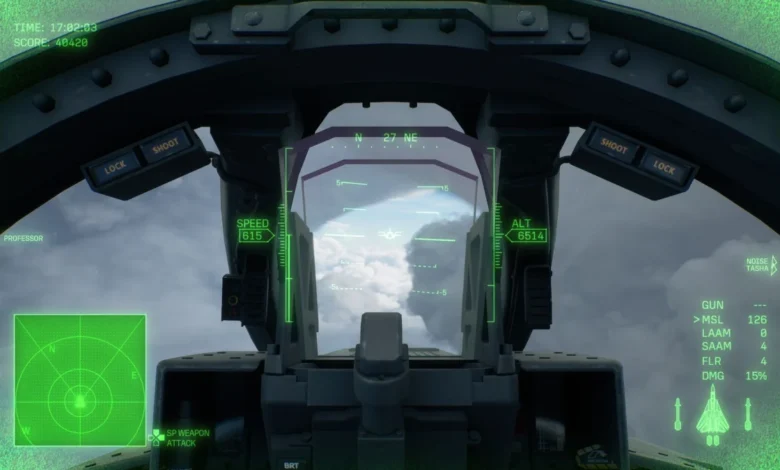
The release of Ace Combat 8: Wings of Theve marks the latest milestone for Project Aces and publisher Bandai Namco Entertainment in their venerable arcade flight simulation franchise. Launching globally on October 2, 2026, for PC, PlayStation 5, and Xbox Series X|S, the new title arrives with the heavy burden of following up on the massive commercial and critical success of its predecessor. Bringing a fresh perspective to the series through first-person cutscenes, advanced atmospheric rendering technology, and an expanded 30-mission campaign, the game delivers breathtaking aerial combat mechanics while struggling with heavy-handed storytelling and pacing issues.
Campaign Structure and Narrative Premise
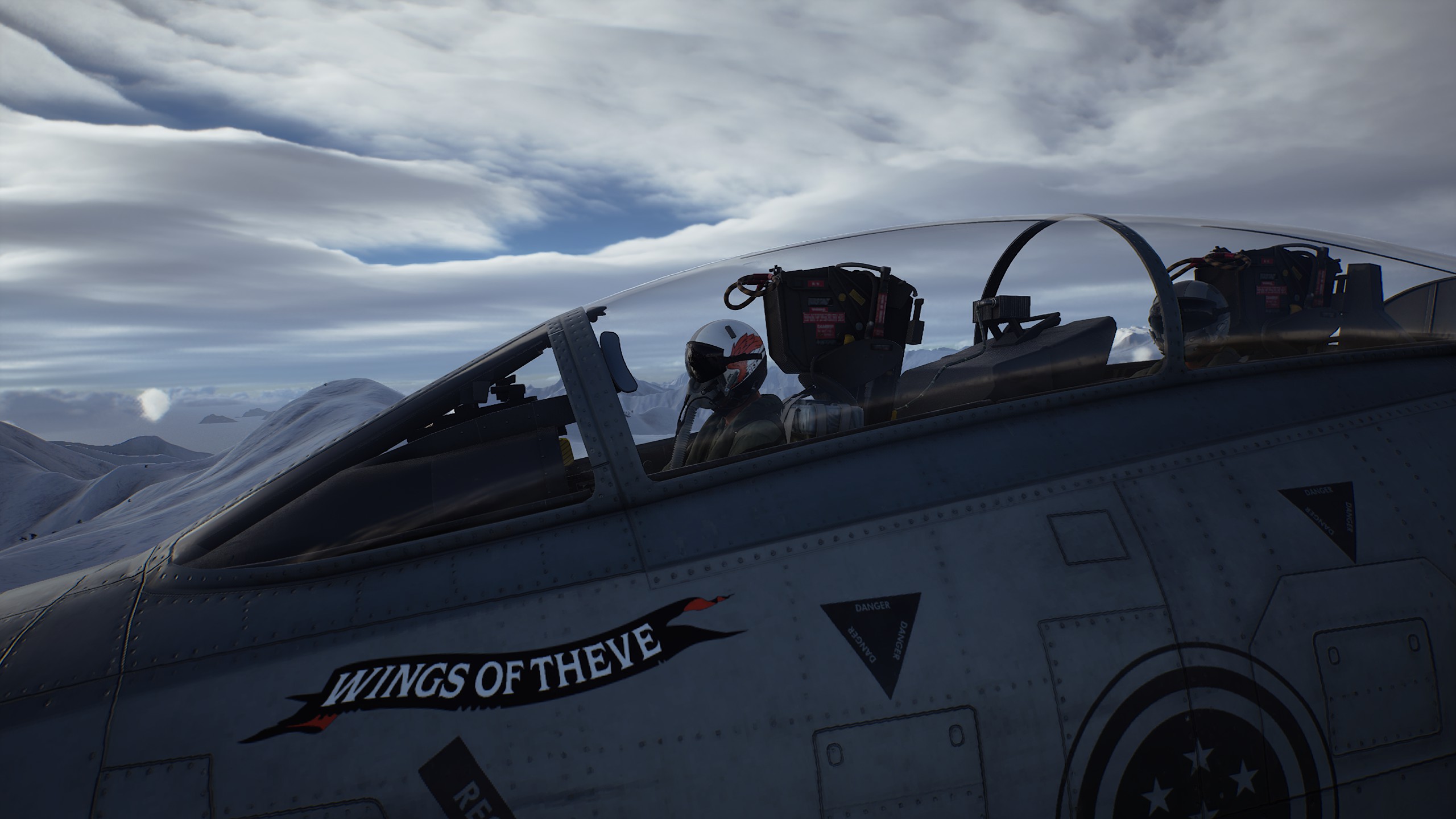
Set within the fictional geopolitical landscape characteristic of the franchise, Ace Combat 8 thrusts players into the cockpit through the eyes of Rex, a naval aviator serving in the Federation of Central Usea (FCU). The game’s narrative kicks off under dire circumstances: the FCU has been nearly entirely subjugated by Sotoa, an expansionist nation of former nomads reminiscent of historical conquest empires. Following a helicopter crash that leaves Rex stranded on a life raft, the plot quickly escalates as players assume the role of a navigator for Jan "Rex" Cope—the legendary "Wings of Theve," a mythical pilot figure constructed around modern wartime propaganda, drawing distinct parallels to real-world modern conflicts.
When Cope is killed early in the campaign, the protagonist is forced to step into his shoes to lead Joker Flight, a specialized squadron tasked with turning the tide of the war. Throughout the 18-hour campaign, players navigate a narrative heavily focused on the intersection of modern warfare, propaganda dissemination, and the pervasive influence of social media. The squad dynamic is anchored by well-developed wingmen, including Ellington "Professor" Baxter, a former university lecturer; Tasha Severskaya, an ex-stunt pilot; and William "Noise" Coster, a taciturn musician. However, these compelling character moments are frequently undermined by overly long, melodramatic cutscenes featuring clichéd secondary characters from the carrier Endurance and shadowy corporate entities like the Enso Order.
Technological Advancements in Visuals and Flight Mechanics
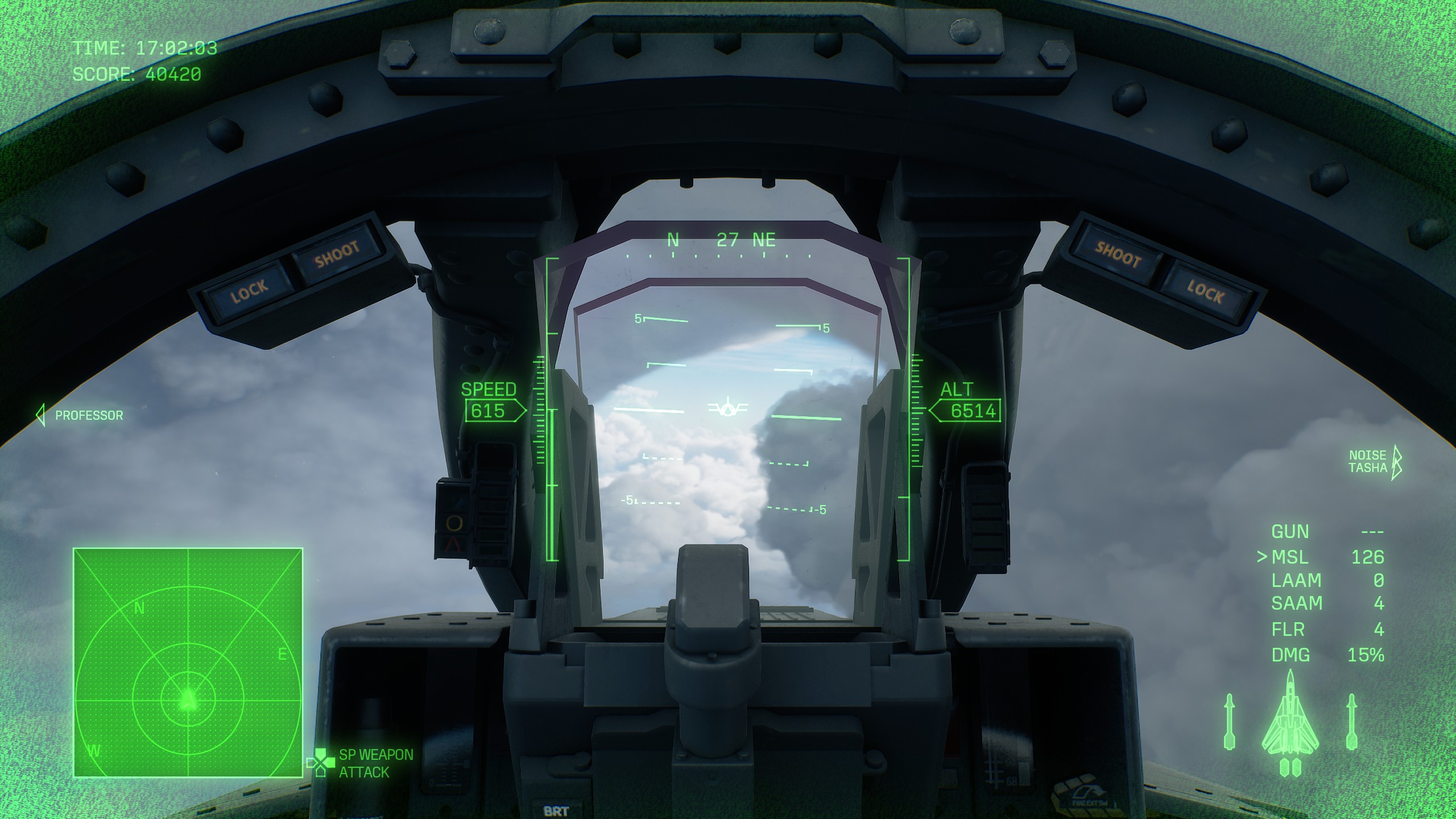
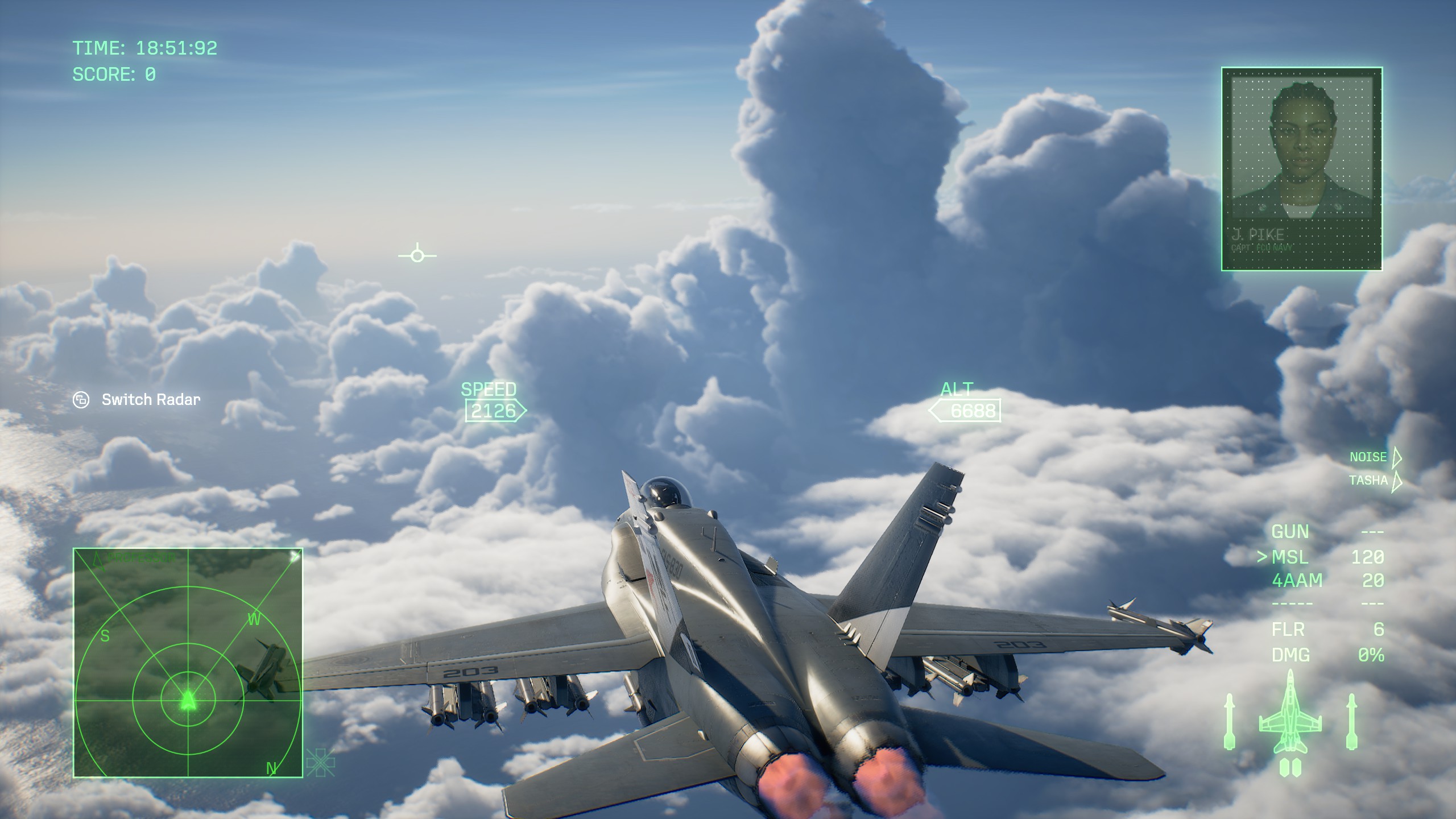
Despite narrative stumbles, the core gameplay loop and technical execution of Ace Combat 8 excel. Project Aces has introduced proprietary atmospheric rendering software known as "Cloudly," yielding what reviewers and technical analysts hail as the most visually impressive cloud formations in modern gaming. These volumetric clouds react dynamically to aircraft movement, presenting a distinct density that enhances the sensation of speed and spatial awareness during dogfights.
Running on contemporary hardware—such as an Nvidia RTX 4070-powered gaming PC—the title maintains a stable 60 frames per second at high graphics settings, suffering only minor dips during intensely chaotic multi-target engagements. The game offers two distinct flight models: an advanced setting providing granular control over aircraft telemetry, and a simplified arcade mode reminiscent of classic retro titles like After Burner. This dual-model approach ensures accessibility for newcomers while retaining enough depth for veteran flight simulation enthusiasts.
Mission Variety and Squadron Mechanics
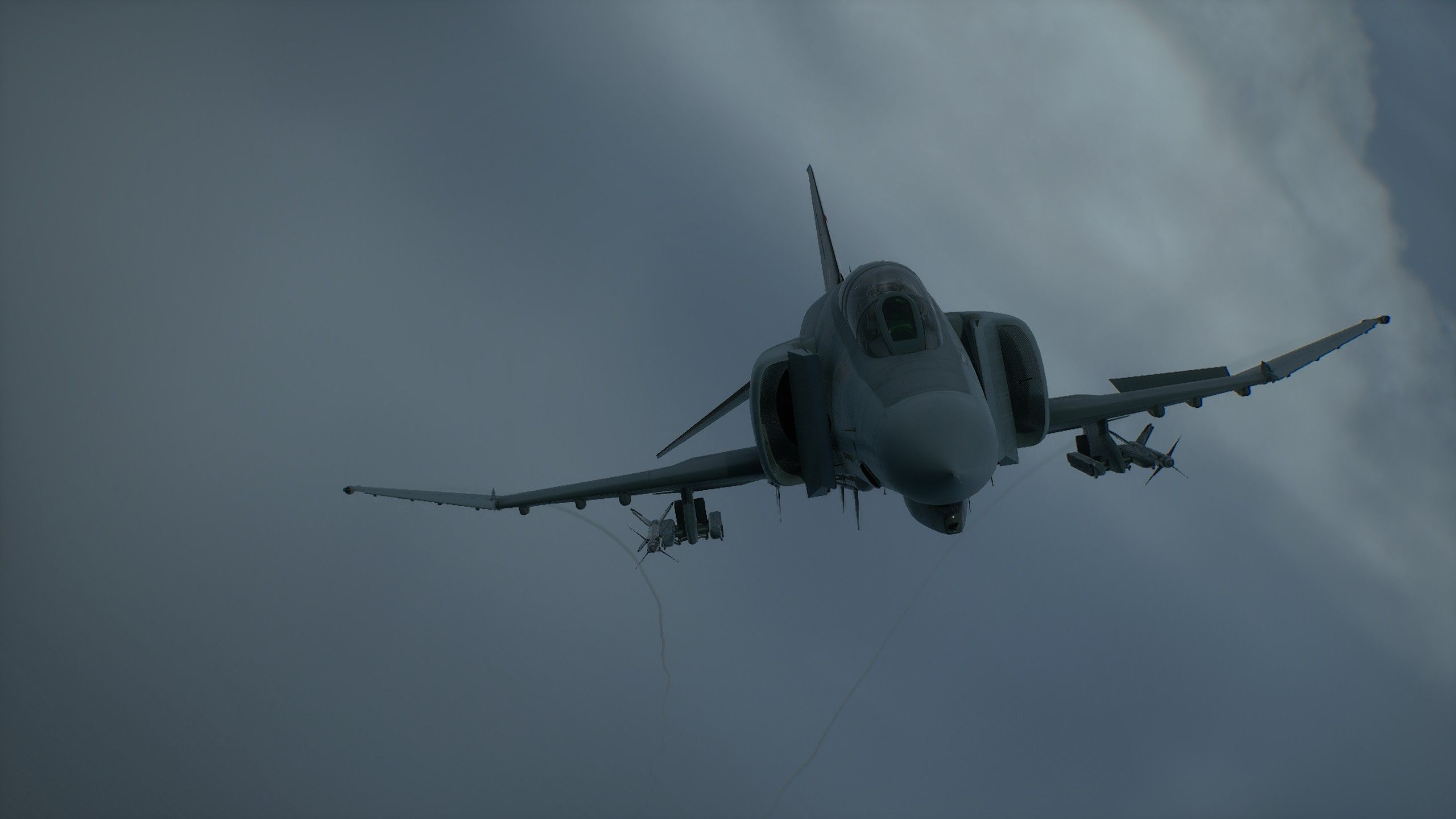
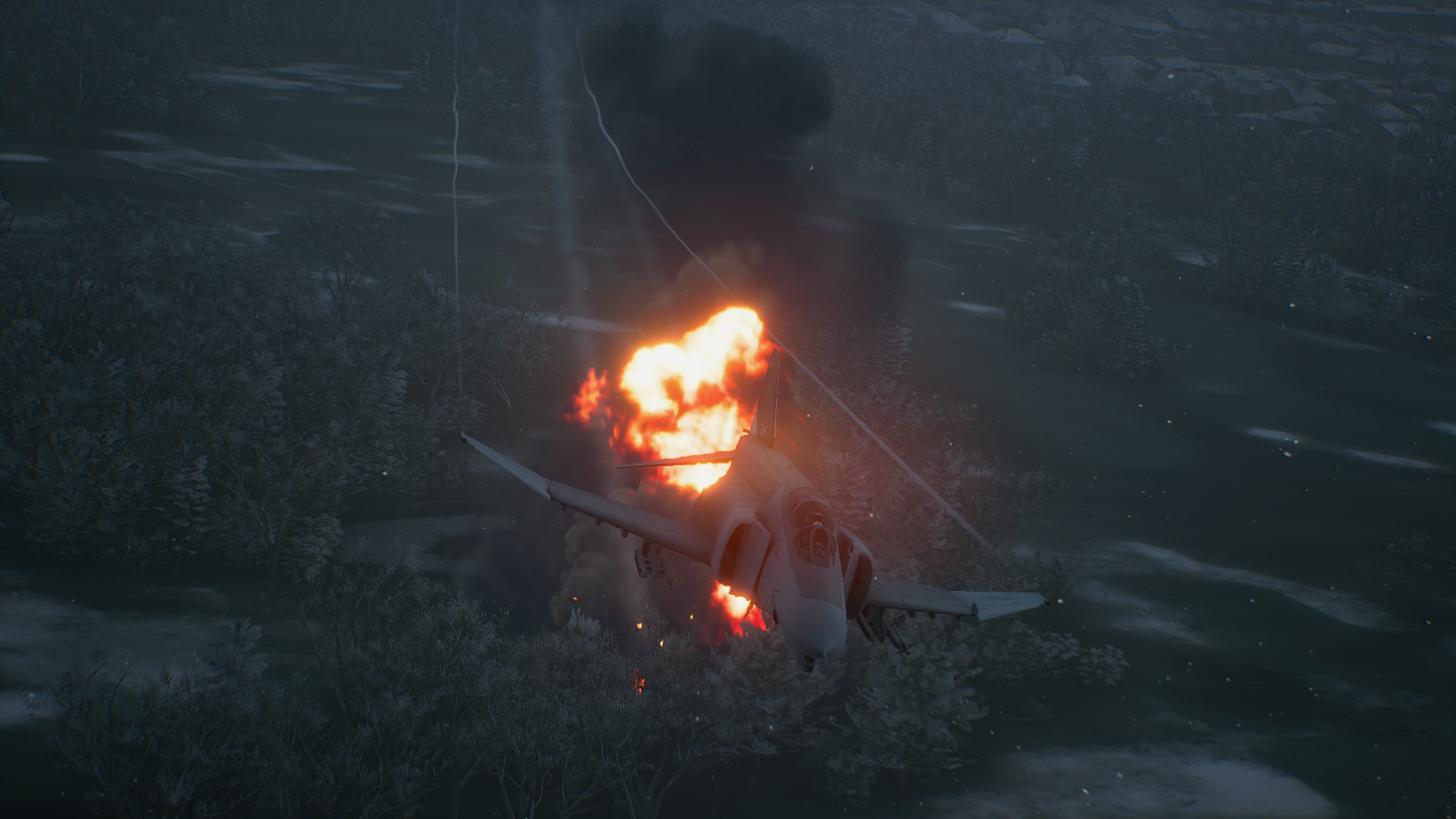
Spanning 30 distinct missions, the campaign introduces considerable variety compared to previous entries. Players transition fluidly between high-altitude dogfights, close air support operations against armored ground columns, naval strikes, and precision maneuvers against elite enemy squadrons like Sotoa’s "The Shadows."
While the game reintroduces wingman command features reminiscent of Ace Combat 5—allowing players to issue tactical orders and select wingman aircraft loadouts—these mechanics ultimately exert minimal impact on mission success. Objectives are generally completed based on the player’s direct performance rather than strategic squadron management, occasionally drawing criticism that the game leans too heavily on established formulas without significantly evolving beyond Ace Combat 7. Nevertheless, the post-campaign experience is bolstered by an extensive Aircraft Tree, encouraging replayability through unlockable jets, varied loadouts, and a robust multiplayer suite designed to sustain long-term player engagement.
Accessibility and Industry Reception
In terms of accessibility, Bandai Namco has implemented foundational features including text-to-speech settings and a colorblind mode that transitions the standard green Heads-Up Display (HUD) to violet. These additions, while modest, broaden the title’s reach alongside the aforementioned scalable flight difficulty settings.
Critical reception of Ace Combat 8 has generally highlighted a sharp dichotomy between its exhilarating gameplay and its bloated storytelling. Industry analysts note that while the title succeeds brilliantly in fulfilling the high-octane fantasy of modern air combat popularized by cinematic franchises like Top Gun, its narrative ambitions frequently outpace its execution. The game’s pacing suffers from jarring narrative landmines—including forced quick-time events (QTEs) and protracted cutscenes—that interrupt the adrenaline-fueled momentum of the flight sequences.
Broader Implications and Future Outlook
The launch of Ace Combat 8: Wings of Theve reinforces the enduring commercial viability of arcade flight simulation games in an industry increasingly dominated by open-world RPGs and live-service shooters. By leveraging proprietary rendering tech and refining core combat responsiveness, Project Aces has demonstrated that the fundamental appeal of the franchise remains intact.
However, the game’s narrative missteps serve as a cautionary tale for developers attempting to weave complex, politically charged allegories about modern warfare and media manipulation into fast-paced arcade action frameworks. As players dive into the multiplayer servers and explore the extensive endgame aircraft catalog, Ace Combat 8 ultimately stands as a triumphant technical achievement that occasionally trips over its own dramatic aspirations, delivering an unforgettable flight experience wrapped in an overly chatty package.