EVgo Strategically Expands Charging Infrastructure with Tesla Supercharger Technology

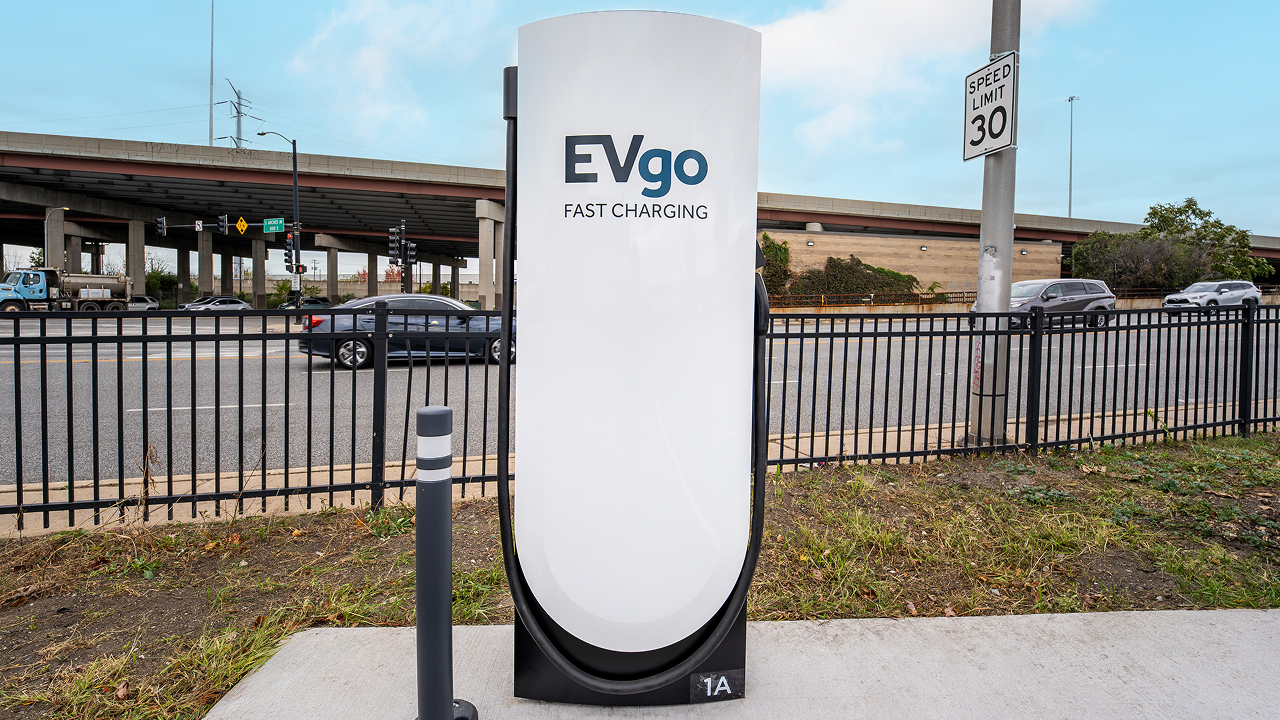
EVgo, a leading public fast-charging network in the United States, has officially launched its first Supercharger-powered site in Illinois, signaling a pivotal shift in the company’s infrastructure deployment strategy. Located at 3145 South Ashland Avenue in Chicago’s Riverside Square & River’s Edge center, this 12-stall facility represents the inaugural installation of a broader national initiative to deploy hundreds of high-performance Supercharger stalls at strategic, retail-anchored locations. By integrating Tesla’s proven hardware into its existing network, EVgo aims to significantly enhance charging reliability, accessibility, and throughput for the growing population of electric vehicle (EV) drivers.
The deployment of this Chicago-based site is the culmination of months of strategic planning aimed at addressing the mounting demand for reliable DC fast charging. As EV adoption rates continue to climb—with Illinois alone reporting a 60 percent increase in EV registrations over the past two years—the necessity for a robust, universal charging ecosystem has never been more acute. EVgo’s selection of Tesla’s Supercharger for Business program allows the company to leverage Tesla’s high-uptime hardware while maintaining ownership and operational control of the stations, including the flexibility to set local pricing.
Technological Integration and User Accessibility
The new Chicago site is equipped with Tesla’s V4 Supercharger stalls, which are widely recognized for their durability and high power output. A central feature of this installation is the implementation of Tesla’s "Magic Dock" technology. This hardware innovation effectively bridges the gap between the North American Charging Standard (NACS) and the Combined Charging System (CCS), allowing both native NACS-equipped vehicles and CCS-capable EVs to charge seamlessly without requiring the driver to carry a proprietary adapter.
From a technical standpoint, the station delivers peak power of up to 325 kW, facilitating rapid charging sessions that align with the requirements of modern, long-range battery architectures. The pricing model, ranging from $0.25 to $0.35 per kWh depending on time-of-use, ensures a consistent and transparent cost structure for all users, regardless of vehicle brand. Furthermore, the seamless integration of these stalls into Tesla’s in-car navigation and Trip Planner software provides a significant advantage for Tesla owners, who can now treat EVgo sites as a native extension of the existing Supercharger network. This cross-platform visibility is expected to bolster station utilization rates, a key metric for the long-term economic viability of public charging infrastructure.
The Strategic Rationale Behind the Partnership
EVgo’s decision to utilize Tesla hardware is rooted in a pragmatic analysis of the current EV market landscape. With EVgo’s own network experiencing an unprecedented 700 percent growth in charging demand over the last three years, the company faced a dual challenge: the need to scale rapidly and the mandate to ensure that new infrastructure remains future-proof.

By adopting Tesla’s V4 infrastructure, EVgo effectively outsources the R&D risk associated with hardware development while gaining access to a mature, highly reliable ecosystem. The "Supercharger for Business" program provides more than just the physical cabinets and dispensers; it offers a path to increased operational uptime and standardized user experiences. For the average consumer, this translates to fewer technical frustrations, shorter wait times, and a more predictable charging experience, even in high-traffic urban environments.
The partnership also underscores a growing trend of industry consolidation, where independent charging operators are increasingly aligning with established standards to facilitate a seamless transition to a fully electric transportation sector. By placing these chargers in grocery-anchored locations like Regency Centers, EVgo is optimizing the "dwell time" of its users. Drivers are afforded the convenience of running errands, dining, or shopping while their vehicles reach a sufficient state of charge, effectively weaving EV charging into the fabric of daily life rather than treating it as a burdensome chore.
Market Context and Future Outlook
The launch in Illinois is merely the first phase of a larger expansion roadmap. EVgo has confirmed plans to roll out hundreds of these stalls across the United States, targeting high-density metropolitan areas where the demand for fast, reliable charging currently outstrips supply. This expansion is timed to coincide with the broad industry transition toward the NACS connector, which has been adopted by nearly every major global automaker.

Industry analysts suggest that this strategy will allow EVgo to effectively double its addressable market. By making its stations compatible with both legacy and future-generation EVs, EVgo is positioning itself as a neutral, high-capacity provider that serves the entire market rather than a specific demographic. This neutrality is essential as the market moves away from proprietary charging ecosystems and toward an open, universal standard.
Furthermore, the operational support provided by the Tesla hardware ecosystem reduces the maintenance burden on EVgo’s internal teams. Given that downtime is the single largest factor affecting customer satisfaction in the EV industry, the high reliability of the V4 hardware is expected to bolster EVgo’s reputation for service quality.
Broader Implications for the Charging Industry
The implications of this move extend well beyond a single installation in Chicago. It marks a paradigm shift in how charging networks compete. Rather than attempting to reinvent the charging experience through proprietary hardware, forward-thinking operators are focusing on site selection, energy management, and user convenience.
As the industry moves toward 2027 and beyond, the competition will shift from "who has the best connector" to "who has the best locations" and "who offers the most seamless payment and authentication process." EVgo’s collaboration with Tesla demonstrates that the most successful companies will be those that embrace interoperability and leverage the most effective existing technologies.
For the end user, this evolution is overwhelmingly positive. The fragmentation that characterized the early years of the EV transition—marked by incompatible plugs, confusing payment apps, and unreliable hardware—is gradually being replaced by a more unified, efficient, and user-centric network. As more sites like the one in Chicago come online, the anxiety associated with long-distance travel and urban charging is expected to diminish, further accelerating the transition away from internal combustion engines.
Summary of Recent Industry Developments
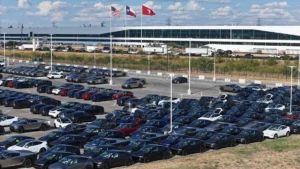
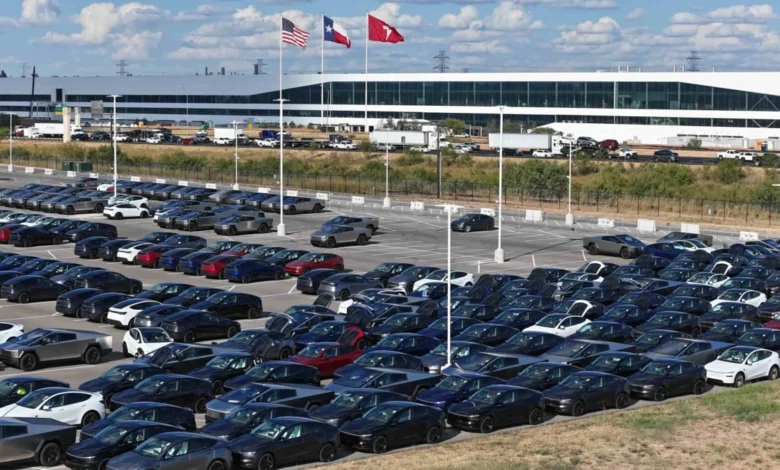
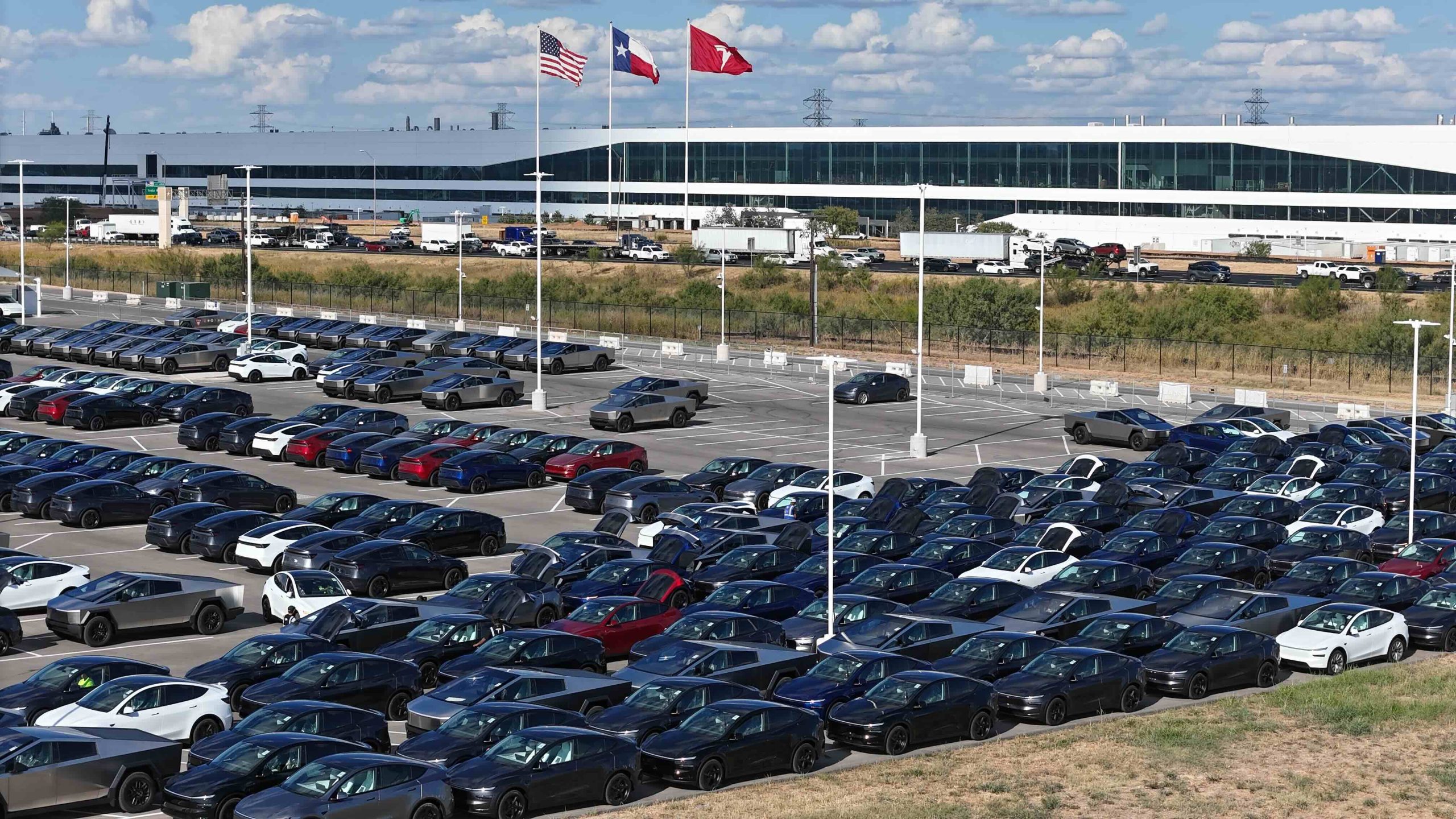
While EVgo focuses on its infrastructure rollout, the broader electric mobility sector continues to evolve at a rapid pace. Tesla, for instance, has recently moved toward 24/7 production at its Giga Texas facility to meet surging demand for the Model Y and the upcoming Cybercab, signaling a robust outlook for vehicle production. Simultaneously, Tesla has opened its new Berlin Engineering Center, a hub designed to accelerate the design-to-production feedback loop for European markets.

In the high-end segment, Ferrari has reported that its first electric vehicle, the Luce, is fully sold out for 2027 despite initial design controversies. This indicates that while the mass market is focused on charging accessibility and infrastructure, the luxury segment remains driven by brand loyalty and exclusive performance metrics.
Against this backdrop, EVgo’s expansion stands out as a critical piece of the infrastructure puzzle. By focusing on the fundamentals—power, reliability, and ease of use—the company is building a bridge to the future of transportation. The success of the Chicago site will serve as a bellwether for the rest of the country. If the integration of Tesla’s hardware at retail-anchored sites continues to drive utilization and user satisfaction, it is likely that other charging providers will follow suit, further accelerating the consolidation of the American charging landscape into a reliable, high-performance network that meets the needs of all EV drivers.
As of late 2026, the convergence of high-volume vehicle production, expanded engineering capabilities, and modernized charging infrastructure suggests that the EV transition is moving from an experimental phase to one of mature, industrial-scale deployment. For EVgo, the road ahead is clear: continue to scale, maintain high standards of reliability, and remain responsive to the needs of a diverse and rapidly growing customer base.
Related posts: