Samsung Unveils Galaxy Watch 9 and Galaxy Watch Ultra 2 with Enhanced Health Features and New Pricing Structure

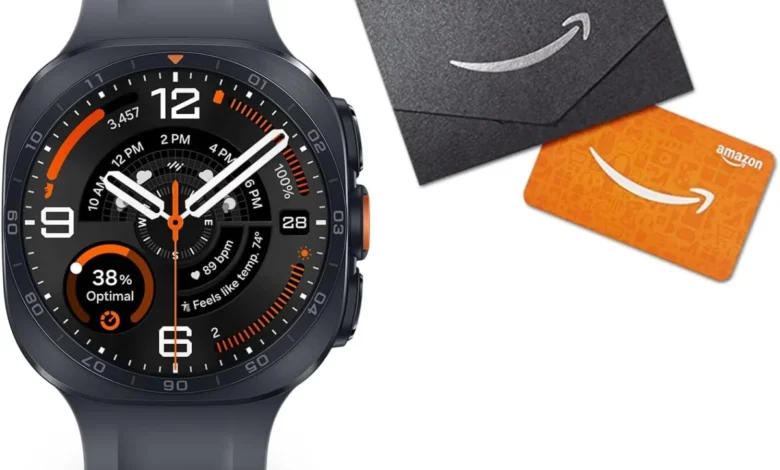
Samsung Electronics has officially expanded its wearable ecosystem with the introduction of the Galaxy Watch 9 and the Galaxy Watch Ultra 2, marking a significant step forward in the company’s integration of artificial intelligence and advanced health monitoring. Announced during the latest Galaxy Unpacked event alongside the newest iterations of the company’s foldable smartphones, these timepieces represent Samsung’s most ambitious attempt to date to capture both the mainstream smartwatch market and the burgeoning high-end rugged wearable segment. The Galaxy Watch 9 enters the market with a starting price of $379, while the premium Galaxy Watch Ultra 2 is positioned at $699. These figures represent a price increase of $30 and $50, respectively, over their predecessors, reflecting the rising costs of advanced components and the inclusion of more sophisticated sensor arrays.
To mitigate the impact of these price adjustments on consumers, Samsung has launched an aggressive series of promotional offers and trade-in programs. Early adopters can secure up to $250 in credit toward the purchase of a Galaxy Watch 9 or Galaxy Watch Ultra 2 when trading in eligible older hardware from Samsung or Apple. For those without a device to trade, the company is offering a $100 instant credit during the pre-order period. Both devices are scheduled for a global retail release on August 7, with pre-orders currently live across major retailers and Samsung’s own digital storefront.
The Evolution of the Samsung Wearable Chronology
The journey to the Galaxy Watch 9 and Ultra 2 has been defined by a strategic shift in Samsung’s software and hardware philosophy. Several years ago, Samsung pivoted from its proprietary Tizen operating system to a collaborative platform with Google, known as Wear OS Powered by Samsung. This transition allowed for a more robust app ecosystem and tighter integration with the broader Android landscape.
The Galaxy Watch 9 serves as the direct successor to the Watch 6 (skipping the numerical sequence in some regional naming conventions to align with the flagship smartphone series), focusing on refinement, battery efficiency, and display brightness. Meanwhile, the Galaxy Watch Ultra 2 represents the second generation of Samsung’s "Ultra" tier, a category created to compete directly with the Apple Watch Ultra and high-end offerings from Garmin. This tier is specifically designed for endurance athletes, hikers, and users who require a more durable chassis and longer battery life in extreme environments.
Technical Specifications and Hardware Innovations
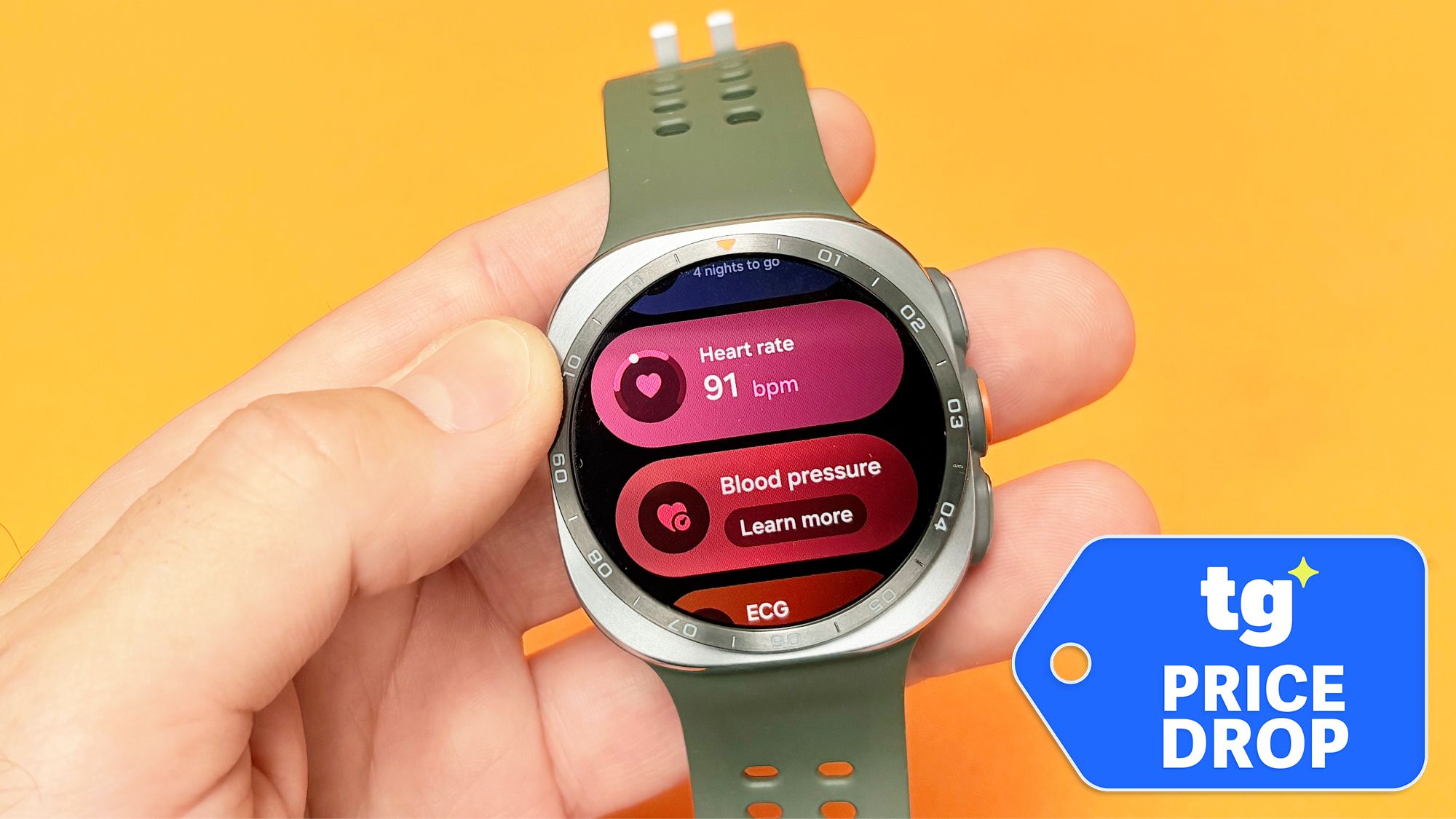
The Galaxy Watch 9 maintains the iconic circular aesthetic that has become a hallmark of Samsung’s design language. It features an enhanced BioActive Sensor, which combines three powerful health sensors: Optical Heart Rate, Electrical Heart Signal, and Bioelectrical Impedance Analysis. This year, the sensor array has been redesigned to provide more accurate readings during high-intensity workouts and to support new features such as advanced glycation end products (AGEs) index tracking, which provides a snapshot of metabolic health and biological aging.
In contrast, the Galaxy Watch Ultra 2 is built for resilience. It features a Grade 4 titanium frame and a sapphire crystal display, offering a peak brightness of 3,000 nits to ensure legibility under direct, harsh sunlight. The device is rated for 10ATM water resistance and has been tested to operate at extreme altitudes and temperatures, making it a viable tool for professional divers and mountain climbers. One of the most notable hardware additions to the Ultra 2 is the "Quick Button," a physical control that allows users to instantly start and control workouts or map functions without navigating touch menus—a critical feature for those wearing gloves or operating in wet conditions.
Strategic Pricing and Market Positioning
The decision to increase the MSRP of both models comes at a time when the consumer electronics industry is grappling with inflationary pressures and increased research and development costs. At $379, the Galaxy Watch 9 is positioned as a premium mid-range device, sitting slightly above the entry-level options from competitors but offering a more comprehensive health suite. The $699 price point for the Ultra 2 places it firmly in the luxury-performance category.
Industry analysts suggest that Samsung’s trade-in strategy is designed to lock users into the Galaxy ecosystem. By offering $250 for older models—a value often higher than the fair market resale value of those devices—Samsung incentivizes loyalty and discourages users from switching to competing platforms. Furthermore, the inclusion of a $100 instant credit for non-trade-in customers suggests that Samsung is keen on maximizing its initial install base to drive adoption of its new Galaxy AI features.
The Role of Galaxy AI in Personal Wellness
Central to the appeal of the new Galaxy Watch lineup is the integration of Galaxy AI. Samsung is moving beyond simple data collection, aiming instead to provide actionable insights. The new "Energy Score" feature utilizes AI to analyze a variety of health metrics, including average sleep time, sleep consistency, previous day’s activity, and heart rate during sleep. This data is then synthesized into a single score to help users understand how their physical condition affects their daily life.
Additionally, the Galaxy Watch 9 and Ultra 2 are among the first smartwatches to receive FDA de novo authorization for a sleep apnea detection feature. This tool monitors blood oxygen levels during sleep to identify signs of moderate to severe obstructive sleep apnea, a condition that often goes undiagnosed. By providing this level of medical-grade insight, Samsung is positioning its wearables as essential preventative health tools rather than just fitness trackers.
Competitive Landscape and Industry Reactions
The launch of the Galaxy Watch 9 and Ultra 2 occurs in an increasingly crowded market. Apple remains the dominant force in the smartwatch sector, but Samsung has successfully carved out a significant share among Android users. The Ultra 2, in particular, is a direct challenge to the Apple Watch Ultra 2, matching it in screen brightness and durability while offering a distinct circular design that many traditional watch enthusiasts prefer.
Initial reactions from tech analysts have been largely positive regarding the hardware builds, though some have expressed caution regarding the price hikes. "Samsung is clearly betting that consumers are willing to pay a premium for integrated AI and specialized health sensors," noted one industry consultant. "The challenge will be demonstrating that the Energy Score and metabolic tracking provide enough daily value to justify the $379 to $699 investment."
From a software perspective, the continued refinement of One UI Watch (based on Wear OS 5) is expected to provide better power management. This is particularly important for the Galaxy Watch 9, which, despite its smaller footprint, aims to provide a full 24 to 40 hours of battery life even with the Always-On Display enabled. The Ultra 2 pushes this further, with a power-saving mode that Samsung claims can extend battery life to up to 100 hours for long-distance outdoor activities.
Chronology of Availability and Future Outlook
The timeline for the Galaxy Watch 9 and Ultra 2 rollout is as follows:
- Announcement: Mid-July at Galaxy Unpacked.
- Pre-order Window: July 10 through August 6.
- Official Retail Launch: August 7.
- Software Updates: Samsung has committed to four years of One UI Watch and Wear OS updates, ensuring these devices remain relevant through 2028.
As the wearable market continues to mature, the focus is shifting from "what can the watch do" to "what can the watch tell me about myself." Samsung’s heavy investment in the BioActive Sensor and AI-driven health metrics suggests that the company sees the wrist as the primary hub for personal health management.
The success of the Galaxy Watch 9 and Ultra 2 will likely depend on the real-world accuracy of these new sensors and the seamlessness of the Galaxy AI integration. If the Energy Score and sleep apnea detection prove to be reliable and easy to understand, Samsung may well justify its new pricing tier. For now, the aggressive trade-in deals remain the most compelling reason for existing Samsung users to upgrade, providing a bridge to the next generation of wearable technology without the full sting of the increased MSRP.
As the August 7 release date approaches, the tech world will be watching closely to see if Samsung’s gamble on "Ultra" performance and AI-enhanced wellness will resonate with a consumer base that is increasingly discerning about its digital health investments. With the wearable sector projected to grow significantly over the next five years, Samsung’s latest offerings are well-positioned to remain at the forefront of the industry.