Garmin’s Major Fall Software Update Brings Fall Detection, Voice Controls, and Advanced Training Metrics to Leading Smartwatches

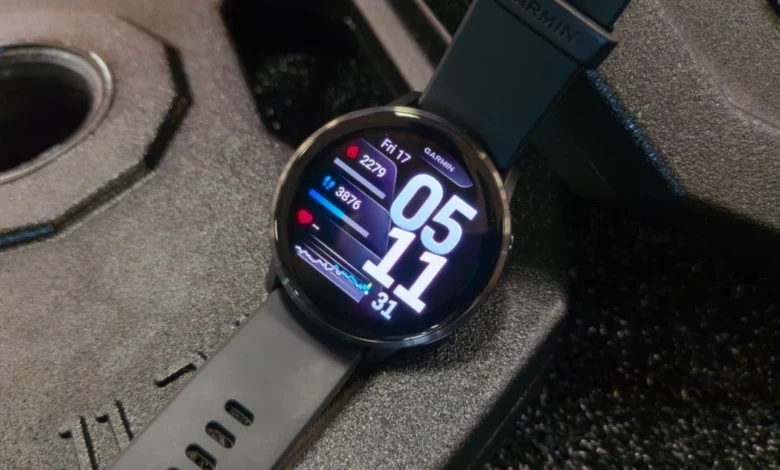
Garmin has officially deployed its comprehensive fall software update across a wide-ranging portfolio of its premier sports watches and fitness trackers, introducing crucial safety enhancements, hands-free capabilities, and sophisticated training analytics. The software rollout, which began distributing to compatible devices globally via the Garmin Connect companion app, represents a significant upgrade for users across the brand’s ecosystem. The latest features are designed to solidify Garmin’s standing in the fiercely competitive health and wearables market, stretching from everyday fitness enthusiasts to elite endurance athletes using the Fenix and Forerunner lines.
Among the most prominent additions in the current firmware release is the inclusion of fall detection for the Venu 6. This safety mechanism, long standard across competitors like Apple Watch and various Wear OS smartwatches, actively monitors sudden and severe impacts. Upon detecting a hard fall, the watch utilizes connected smartphone positioning to automatically transmit a user’s real-time geographic coordinates to pre-selected emergency contacts if the user fails to dismiss the alert. While late to the ecosystem compared to rivals, the integration of fall detection onto mainstream Garmin lifestyle models bridges a notable safety gap for solo runners, cyclists, and gym-goers.
Complementing the hardware-level safety upgrades is the introduction of a new hands-free voice control architecture. Supported devices can now process specific commands utilizing the direct “OK Garmin” wake phrase. This implementation allows athletes and daily users to navigate through various core functions, initiate workouts, or check specific performance indicators without interrupting their momentum or manually interacting with the device’s physical buttons and touchscreen displays—a functional enhancement particularly valuable during rigorous training sessions or inclement weather conditions.
Advanced Running Dynamics and Adaptive Coaching
Beyond convenience and safety, Garmin’s fall update significantly bolsters its core competency: rigorous training analytics and run guidance. The firmware patch introduces personalized running workouts and an updated adaptive Garmin Run Coach plan. Unlike static training schedules, the new adaptive engine dynamically calibrates and alters training milestones based on real-time ingestion of user performance metrics, recovery data, and overall physiological progress.
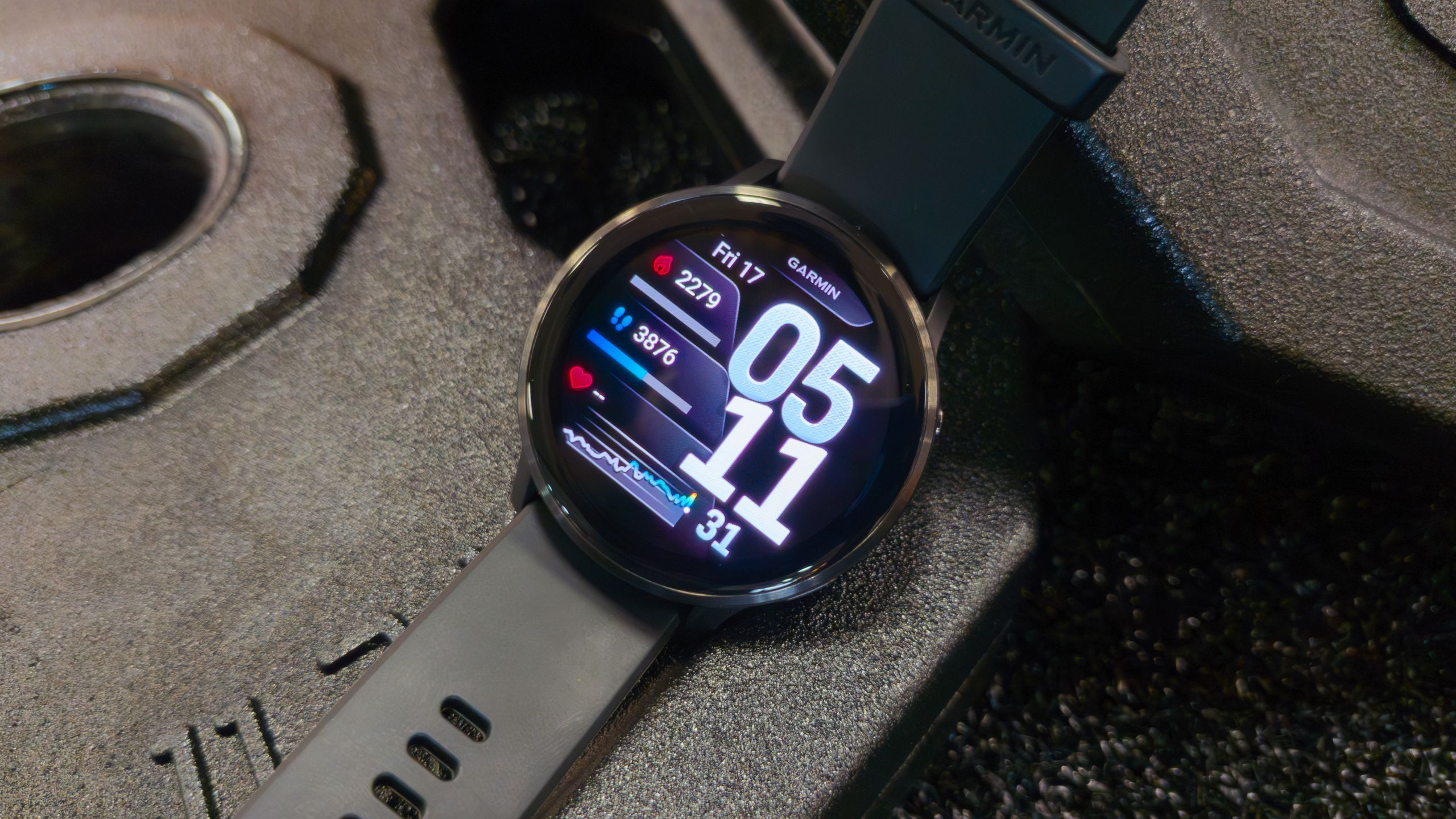
Runners utilizing devices such as the newly highlighted Forerunner 570 and Forerunner 970 will benefit from deeper analytical charts displayed directly on the wrist. These metrics track intricate training load variables, including acute impact load miles, user tolerance thresholds, and comparative actual mileage ratios. Industry observers note that these deeper insights allow athletes to better balance intensity and recovery, mitigating the risk of overtraining injuries common in high-mileage training blocks.
Expanding Beyond Wristwear: Updates for Edge Cycling Computers
Garmin’s software update strategy is not strictly limited to wrist-worn devices. Alongside the smartwatch enhancements, the company has released a parallel firmware package tailored for its Edge series of dedicated cycling computers. The bicycle-focused update introduces automated climb and descent detection, seamlessly switching data screens and navigation metrics when riders transition between ascending mountain passes and rolling descents.
This automatic contextual shifting reduces the need for manual inputs while navigating complex terrain, allowing cyclists to maintain absolute focus on handling and road safety. Like the wearable updates, the cycling features are delivered seamlessly through the Garmin Connect ecosystem, requiring only a software synchronization between the mobile application and the hardware device.
Context, Chronology, and Ecosystem Evolution
The release of these features follows Garmin’s established cadence of seasonal software drops—a strategy the company has increasingly relied on to add value to existing hardware generations, contrasting sharply with competitors who frequently force users to purchase entirely new hardware iterations to access novel software features. By continuously backporting and expanding software capabilities to prominent flagships like the Fenix 8 series as well as mid-tier lifestyle models like the Vivoactive 6, Garmin fosters long-term brand loyalty among consumers who invest heavily in its hardware ecosystem.
The rollout methodology is phased, meaning that while the updates have officially commenced, availability may vary across global regions and specific device models over a multi-day deployment window. Users eager to access the new features are advised to verify their device status through the Garmin Connect application on their mobile devices, ensuring both the app and the watch firmware are updated to the latest available iteration. If the update does not immediately appear, industry analysts recommend periodic manual checks over the coming days as servers stagger the global distribution load.
Market Implications and Competitive Analysis
The integration of advanced safety protocols and intuitive voice commands highlights a broader convergence within the global smartwatch market. For years, lifestyle-oriented smartwatches manufactured by tech conglomerates held a distinct advantage in smartphone-centric conveniences like voice assistants and automated emergency responses, while dedicated sports watches maintained dominance in battery efficiency, GPS accuracy, and physiological metrics.
By aggressively bridging this feature gap, Garmin is positioning its portfolio as an all-in-one hybrid solution. Devices like the Venu 6 and Vivoactive 6 now offer the critical daily safety nets consumers expect from modern wrist technology, without sacrificing the granular training data and battery longevity that define the Garmin brand. Conversely, elite models such as the Fenix 8 and Forerunner series continue to push the boundaries of sports science, providing professional-grade adaptive analytics that traditional mainstream smartwatches struggle to replicate.
As the fitness technology landscape evolves, the success of such software deployments underscores the growing importance of post-purchase support. For Garmin, keeping legacy and current hardware relevant through expansive seasonal updates remains a cornerstone of its market resilience against aggressive competition from tech sector heavyweights.
Related posts: