Used Electric Vehicles Outpace Gas and Hybrid Cars in September 2026 Sales as Market Dynamics Shift Toward Practicality and Affordability

The secondary automotive market is experiencing a profound paradigm shift, with used electric vehicles (EVs) not only climbing steadily in popularity but drastically outperforming their hybrid and internal combustion engine (ICE) counterparts. According to comprehensive market data released by automotive research firm iSeeCars, the pre-owned electric vehicle segment has reached a watershed moment. Driven by persistent fuel price volatility, improving consumer sentiment, and a maturing pre-owned inventory, used EVs are moving off dealership lots faster than traditional fuel-powered vehicles, upending long-held assumptions about the secondary market.
This acceleration in demand marks a notable departure from historical trends, illustrating that mainstream automotive consumers are increasingly willing to embrace electrification when vehicle pricing, utility, and driving range align with their daily requirements.
The Financial Landscape: Price Appreciation and Comparative Analysis
When analyzing market valuations for September 2026, the data reveals a stark divergence in pricing trajectories across various propulsion types. Compared to the same month in the previous year, used electric vehicles registered an average year-over-year price increase of 9.8 percent. This figure is precisely double the 4.8 percent appreciation recorded in the used hybrid sector.
In sharp contrast, the traditional gasoline-powered car market remained largely stagnant. Used internal combustion vehicles saw a marginal price increase of just 0.3 percent year-over-year. Industry analysts attribute this sluggish growth directly to the shifting economic pressures placed on motorists by fuel costs. Following prolonged periods of high and unpredictable fuel prices at the pump, consumers have become increasingly sensitive to the ongoing operational expenses of driving traditional vehicles. Every fill-up serves as a psychological reminder of the financial drain associated with fossil fuels, prompting a growing segment of car buyers to seriously consider battery-electric alternatives.
Karl Brauer, Executive Analyst at iSeeCars, noted the macroeconomic forces shaping these trends. "These pricing shifts reflect significantly different year-over-year trends across drivetrains," Brauer stated. "Ongoing higher fuel prices are likely driving the shift, though the EV segment has also recovered from the demand turbulence caused by the loss of federal incentives a year ago."
Inventory Velocity: How Fast Are Used EVs Selling?
Price appreciation is only one indicator of market health; inventory velocity—the speed at which vehicles sell—provides an equally telling measure of consumer demand. In September 2026, used EVs spent an average of just 41.9 days on dealership lots before finding new owners.
This swift turnaround represents a 10.1 percent increase in selling speed compared to September 2025. More notably, pre-owned electric vehicles are now selling nearly two weeks faster than traditional gasoline cars, which lingered on lots for an average of 54.8 days during the same period. Furthermore, the time required to sell a used gas-powered car actually increased by 19.9 percent year-over-year, signaling a cooling interest among buyers for standard ICE vehicles.
To be fair to the traditional automotive sector, used gas and diesel cars enjoy a massive structural advantage in terms of raw volume. National listings aggregators such as Autotrader regularly catalog more than 1.38 million used gas and diesel vehicles nationwide, compared to a modest inventory of approximately 44,434 used EVs. Because the pool of pre-owned electric cars is significantly smaller and features fewer distinct models, shoppers face less choice and consequently engage in less exhaustive cross-shopping, which naturally accelerates transaction times for available stock. Nevertheless, the underlying momentum clearly favors electrification as supply slowly expands to meet pent-up demand.
The Tesla Absence: A Surprising Twist in Top-Selling Models
For over a decade, the pre-owned EV market was virtually synonymous with Tesla. As the pioneer of the modern mass-market electric vehicle, the Silicon Valley automaker historically dominated listings, sales figures, and consumer mindshare in the secondhand space.
However, September 2026 data delivered a surprising revelation: not a single Tesla model cracked the top 10 list of best-selling used EVs. Luxury startups like Lucid and Rivian were similarly absent from the leaderboard. Instead, the fastest-selling pre-owned electric vehicles were dominated by mainstream and premium legacy automakers offering practical, everyday configurations.
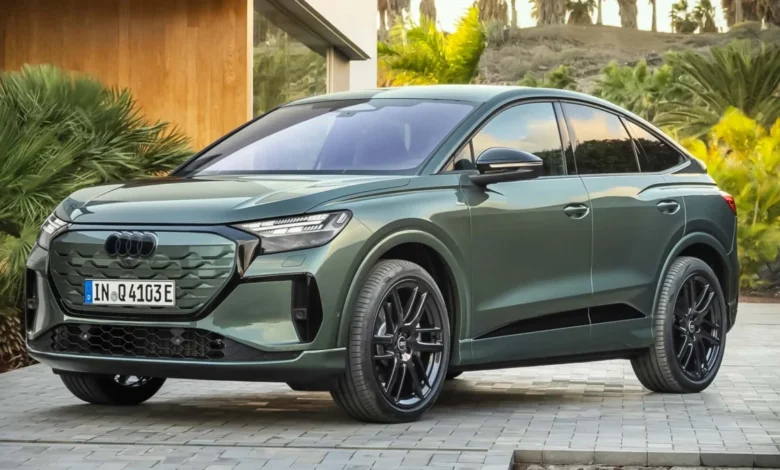
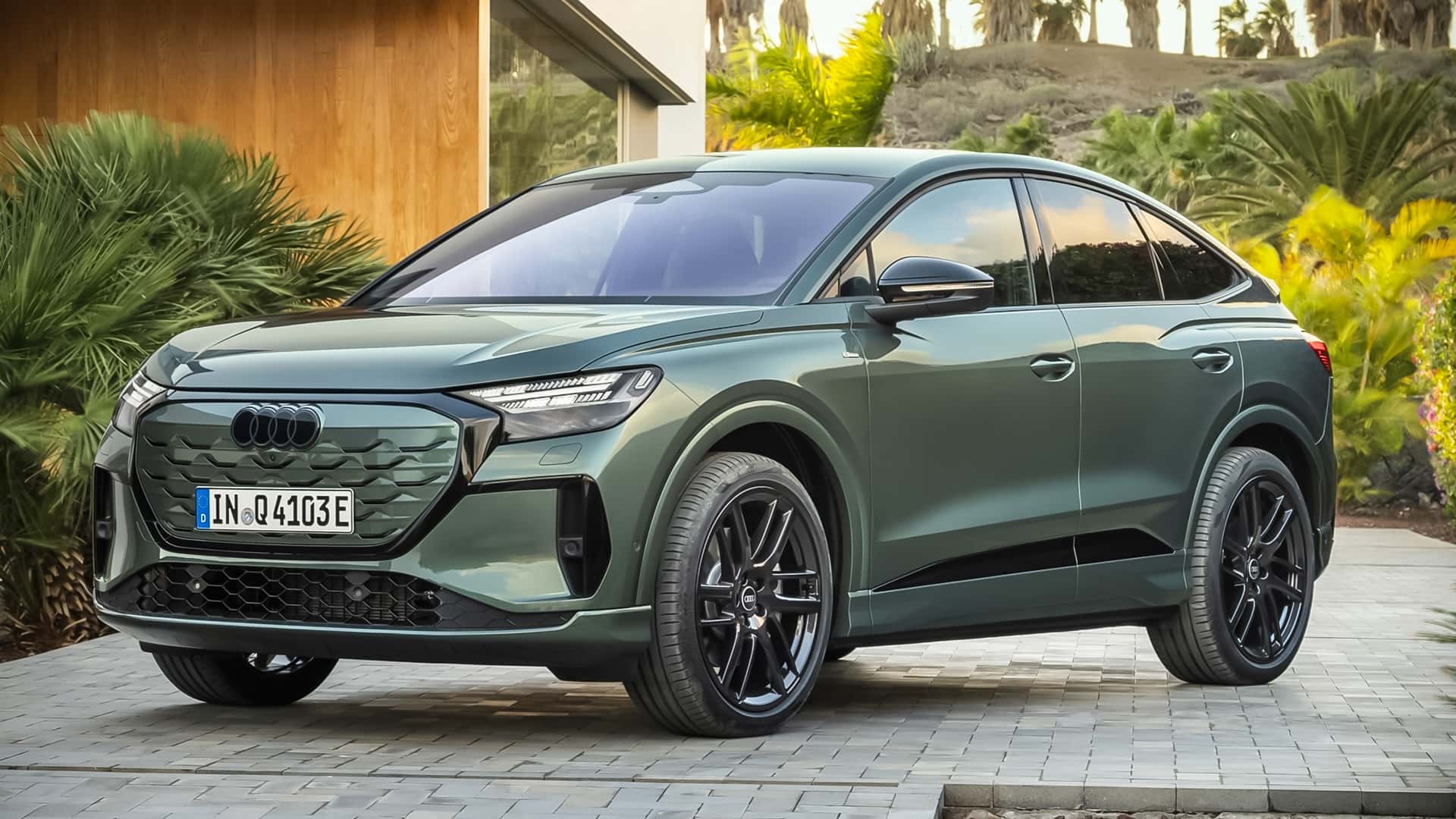
Leading the charge was the Audi Q4 E-tron Sportback, followed closely by the Toyota bZ4X and the Lexus RZ 300e. The presence of these models suggests that used EV buyers are beginning to mirror the broader automotive populace. Rather than seeking out hyper-futuristic niche vehicles, pre-owned consumers are gravitating toward familiar vehicle classes—predominantly small-to-midsize crossovers—featuring practical dimensions, distinctive styling, and well-appointed interiors. Rounding out the list of rapid movers were the Honda Prologue, the BMW iX, and the Polestar 2.
Interestingly, while mainstream Tesla models did not feature among the fastest-selling units, specific Tesla nameplates experienced dramatic price shifts. The used Tesla Model S and Model X saw year-over-year price increases of 22 percent and 18 percent, respectively. These figures represent the highest price appreciation rates of any vehicle on the entire used car market, regardless of powertrain, indicating that niche demand for Tesla’s flagship luxury vehicles remains robust despite newer competition.
The Slowest-Selling Used EVs: Large Trucks and Premium SUVs Face Headwinds
While compact and midsize electric crossovers are flying off dealership lots, the story at the opposite end of the spectrum is notably different. The slowest-moving pre-owned EVs tend to be massive, expensive trucks and full-size luxury SUVs.
By a substantial margin, the Cadillac Escalade IQ registered as the slowest-selling used EV on the market, a sluggishness compounded by its ultra-premium price point. It was closely followed in the slow-moving category by heavy-duty electric trucks such as the GMC Sierra EV and the Chevrolet Silverado EV, alongside large luxury entries like the Volvo EX90 and the oversized GMC Hummer EV.
This data indicates that while consumers are eager to adopt affordable and practical daily-driver EVs, the market for massive, six-figure electric trucks and full-size SUVs on the pre-owned lot remains relatively soft. High initial acquisition costs and specialized charging requirements for heavy commercial-style battery packs appear to be creating friction for second-hand buyers in this specific segment.
Broader Implications and Market Outlook
The rapid maturation of the used EV market carries significant implications for the broader automotive ecosystem. For years, critics of electrification pointed to high initial purchase costs and rapid depreciation as primary deterrents for prospective buyers. However, the stabilization of values and the rapid turnover of pre-owned inventory suggest that these concerns are steadily diminishing.
Compounding this positive market sentiment is an increasing body of technical data regarding long-term battery health. Recent multi-market testing—including comprehensive evaluations conducted in cold-climate regions like Sweden—has demonstrated that modern EV batteries do not degrade as rapidly over time as industry skeptics once predicted. As consumers realize that a five-or-six-year-old electric vehicle retains a high percentage of its original driving range, consumer confidence in the secondary market continues to strengthen.
Ultimately, the September 2026 sales data underscores a fundamental transition in consumer behavior. When vehicle packaging, pricing, and operational utility align with buyer expectations, the transition to electric mobility ceases to be an ideological choice and becomes a straightforward, economically sound purchasing decision. As pre-owned inventory continues to diversify and mature, the used EV market is well-positioned to serve as the primary engine driving mass-market electrification forward.
Related posts: