Tesla Full Self-Driving Supervised receives regulatory approval in Czechia as the company expands its European footprint

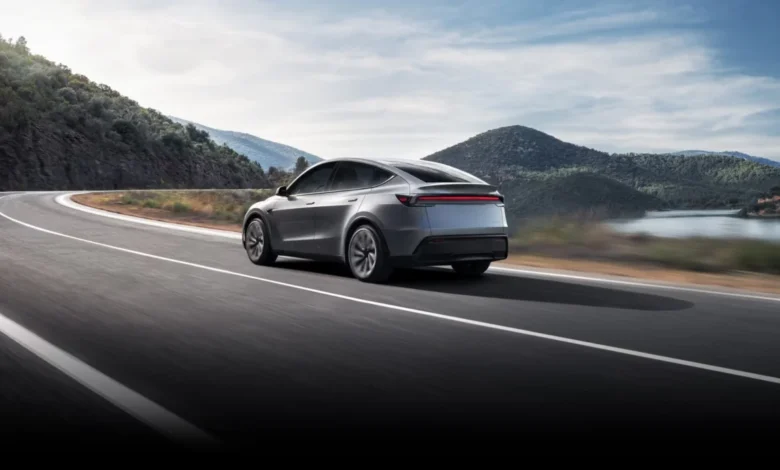
Tesla’s Full Self-Driving (Supervised) software has officially secured regulatory clearance in the Czech Republic, marking a significant milestone in the company’s ongoing efforts to deploy its advanced driver-assistance systems across the European Union. The Czech Ministry of Transport confirmed that it has recognized the provisional type approval previously issued by the Netherlands’ Vehicle Authority (RDW). This strategic decision makes the Czech Republic the seventh nation in the European bloc to authorize the system for public road use, following a period of rigorous scrutiny and technical consultation.
Tesla Europe confirmed the development on September 21, 2026, stating that the rollout of the software—which requires constant driver oversight—is scheduled to commence shortly. The move follows months of diplomatic and technical exchanges between Tesla engineers, the RDW, and Czech transportation officials, who initially expressed reservations regarding the system’s performance in local traffic conditions earlier this year.

A Path to Regulatory Integration
The approval process in Czechia was characterized by an initial period of skepticism. Earlier in 2026, Prague officials declined to grant automatic reciprocity to the Netherlands’ initial approval. At the time, the Czech Ministry of Transport cited specific concerns regarding the system’s ability to adhere to local speed limits, its accuracy in identifying complex traffic signage, and the efficacy of its driver-attention monitoring protocols.
During the interim months, Tesla engaged in a series of data-sharing sessions with Czech regulators, providing real-world performance metrics gathered from the six other EU member states where the system is already operational. These discussions, combined with a broader movement toward a unified EU approach for autonomous vehicle testing, ultimately satisfied the ministry’s safety requirements. "Safety remains the top priority," the ministry noted in a brief statement, underscoring that the authorization is contingent upon the software’s strict adherence to existing traffic regulations and the requirement that the driver remains legally responsible for the vehicle at all times.
Chronology of European Adoption
The current expansion of FSD (Supervised) in Europe represents a carefully managed regulatory cascade. The foundation for this rollout was laid on April 10, 2026, when the Dutch RDW issued a provisional EU type approval. This document, which establishes a baseline for safety compliance, allowed other member states to conduct their own reviews or accept the Dutch findings under the principle of mutual recognition.

The adoption timeline since that initial approval has been steady:
- April 10, 2026: The Netherlands (RDW) grants initial provisional approval.
- May 20, 2026: Lithuania becomes the second nation to clear the system.
- May 29, 2026: Estonia follows, integrating the system into its national transport framework.
- June 9, 2026: Denmark approves the deployment for public roads.
- June 10, 2026: Belgium authorizes the software, marking a key expansion into Western Europe.
- September 7, 2026: Slovenia joins the list, demonstrating the system’s adaptability to different road infrastructures.
- September 21, 2026: Czechia approves the system, completing a group of seven nations.
Technical Requirements and Operational Scope
It is critical to note that the approval applies strictly to "FSD (Supervised)," a Level 2 driver-assistance system as defined by the Society of Automotive Engineers (SAE). The system is not fully autonomous, and the operator is legally obligated to remain fully engaged and ready to intervene at any moment.
Hardware compatibility remains a prerequisite for the rollout. Tesla has confirmed that only vehicles equipped with AI4—the company’s most advanced sensor suite and computing platform—will be eligible for the update. Owners in the Czech Republic can expect an over-the-air (OTA) update in the coming days, mirroring the deployment patterns seen in earlier markets. The software will enable the vehicle to navigate city streets and highways under the watchful eye of the driver, utilizing the same neural network architecture currently processing millions of miles of driving data globally.

Broader Implications and the October Vote
While the addition of the Czech market is a win for Tesla, the broader impact of this approval lies in its political weight. The European Union’s approach to autonomous driving has been notably fragmented, with larger economies like Germany, France, Italy, and Spain opting for a more cautious, bloc-wide regulatory stance.
The current list of seven approved countries represents a modest, albeit growing, segment of the total EU population. However, the momentum behind these national approvals is expected to influence the upcoming meeting of the Technical Committee on Motor Vehicles, scheduled for October 6, 2026. A "qualified majority" vote—requiring at least 15 of the 27 member states, representing 65 percent of the EU population—could potentially fast-track a harmonized framework for the entire continent. If achieved, this would remove the need for individual national approvals and drastically accelerate Tesla’s deployment strategy in major European automotive hubs.
For Tesla, the primary goal remains the acquisition of high-quality European driving data. By operating in diverse environments with varying road signs, lane markings, and traffic patterns, the company aims to refine its AI training models, theoretically improving the system’s safety and reliability. Each new market serves as a validation of the system’s capability to handle the unique nuances of European traffic laws, providing the necessary evidence to satisfy even the most stringent regulatory bodies.

Market Outlook and Competitive Context
As Tesla pushes further into the European market, it faces a complex competitive landscape. The company’s success in securing these approvals positions it as a leader in the consumer-facing implementation of AI-driven driver assistance. However, the company must balance this expansion with the logistical demands of its other projects.
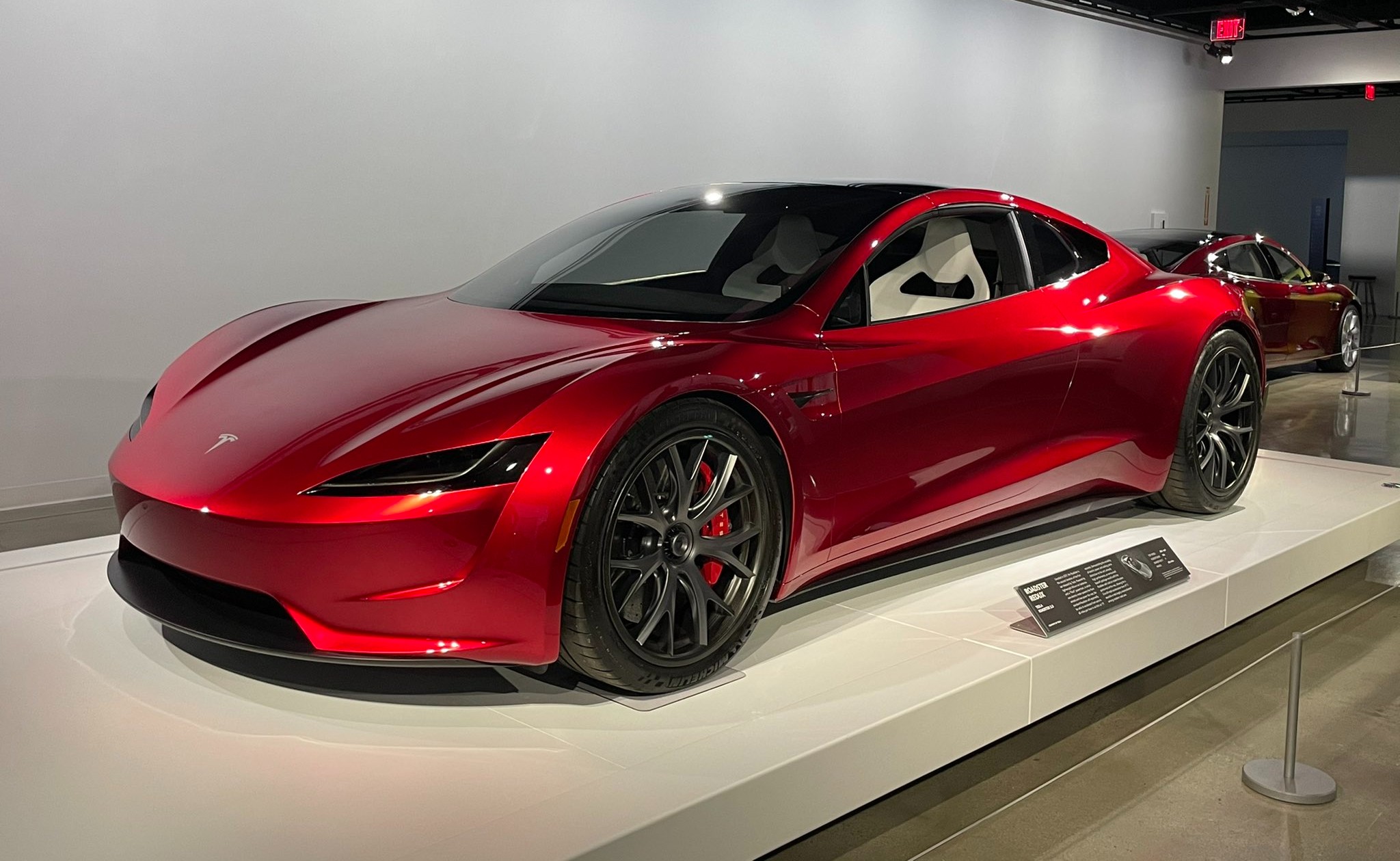
Notably, Tesla’s efforts in Europe are occurring alongside significant activity in its domestic market, including the highly anticipated October 1, 2026, Roadster reveal event in Waco, Texas. This event, which has triggered temporary flight restrictions from the FAA, highlights the company’s aggressive approach to hardware and performance engineering. While the Roadster and FSD (Supervised) occupy different segments of the company’s portfolio, both underscore a broader strategy of using bold, high-profile technology demonstrations to maintain market interest and shareholder confidence.
Furthermore, Elon Musk’s recent updates regarding The Boring Company’s proposed "precursor Hyperloop" project between Austin and San Antonio highlight the multifaceted nature of the Musk-led ecosystem. By proposing tunnel networks that could drastically reduce travel times, the organization is testing the viability of large-scale infrastructure projects that, like FSD, rely on high-tech integration and regulatory cooperation.
For the Czech consumer, the arrival of FSD (Supervised) is the latest development in an increasingly automated transport sector. As the software begins to navigate the streets of Prague and beyond, the focus will inevitably shift from the technical novelty of the system to its long-term safety record. The success of the rollout in the Czech Republic will serve as a vital case study for regulators in neighboring countries, providing the empirical data required to determine the future of autonomous driving on the continent.
As the October 6 EU committee vote approaches, the automotive industry will be watching closely to see if the Czech approval acts as a catalyst for a unified European strategy. Whether the EU moves toward a centralized regulatory environment or continues with a country-by-country integration model remains to be seen, but the trajectory of the past six months suggests that the demand for advanced driver-assistance systems is creating undeniable pressure on policy-makers to adapt. For now, Tesla’s European expansion remains an incremental but steady process, characterized by deep technical collaboration and a calculated approach to international regulatory compliance.