Tesla Optimus factory at Giga Texas nears structural completion as production ramp-up looms

The structural skeleton of Tesla’s dedicated Optimus manufacturing facility at the Giga Texas complex in Austin is nearing completion, according to recent aerial documentation. Drone footage captured by long-time site observer Joe Tegtmeyer on September 17, 2026, reveals that the facility’s steel framework is within five column grids of reaching the north perimeter beam. This milestone marks a significant advancement for the project, which broke ground in late March 2026, roughly six months ago. The construction progress suggests that Tesla is maintaining a rigorous schedule to meet its mid-2027 target for high-volume humanoid robot production.
The project, which represents a critical component of the broader 5.2 million-square-foot North Campus expansion at Giga Texas, is designed to accommodate massive, automated assembly lines. Current site observations indicate that while the steel skeleton is nearing its final extent, vertical progress is matched by concurrent civil work. Concrete flooring is being poured across three upper levels, while crews continue to lay rebar and install footings at the ground level. This parallel construction methodology—a hallmark of Tesla’s rapid deployment strategy—was previously employed during the build-out of the primary Giga Texas vehicle factory and is now being leveraged to minimize lead times for the Optimus production line.
Chronology of the Optimus Expansion
The development of the Optimus facility has been a rapid undertaking, reflecting the high priority Tesla places on its robotics division. In May 2026, Tesla officially confirmed that construction had moved beyond the excavation phase, with the first structural steel members rising from what was previously reclaimed land. Since that confirmation, the site has transformed into one of the largest industrial construction projects in the United States.
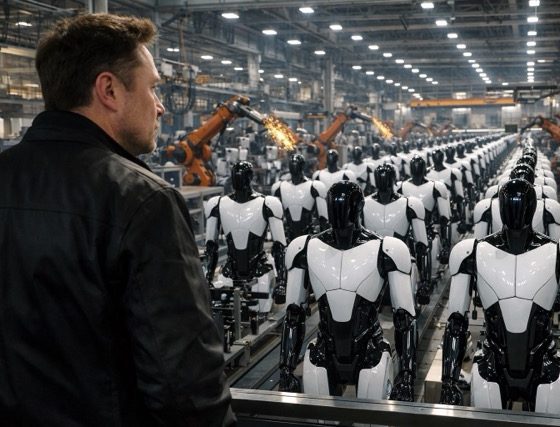
The following timeline highlights the key phases of the project:
- March 2026: Groundbreaking occurs at the Giga Texas North Campus, marking the start of the dedicated robotics facility.
- May 2026: Tesla publicly confirms construction is officially underway as the first steel beams are erected.
- Summer 2026: Parallel work streams are established, integrating ground-level foundation work with vertical steel assembly.
- September 2026: The primary steel frame reaches its final phase, with approximately 90% of the skeletal structure in place.
- Target (Summer 2027): Anticipated commencement of high-volume production for the Optimus humanoid robot.
Strategic Integration: The Role of Terafab
The Optimus facility does not exist in a vacuum; it is physically and operationally adjacent to "Terafab," a massive, joint-venture chip fabrication plant developed by Tesla and SpaceX. The decision to co-locate robot assembly with high-end silicon manufacturing is a deliberate strategic move to shorten the supply chain. By eliminating the distance between chip production and robotic integration, Tesla aims to reduce logistics costs, decrease lead times for essential components, and maintain tighter quality control over the specialized processors required for the Optimus platform.

Terafab itself has recently become the subject of a federal legal dispute. In September 2026, Tesla and SpaceX filed for a declaratory judgment in the U.S. District Court for the Western District of Texas. The companies are seeking a ruling that their use of the "Terafab" name does not infringe upon a trademark held by TERA-print LLC, an Illinois-based nanotechnology firm. This legal friction underscores the scale of the investment, as Tesla and SpaceX attempt to protect the branding of a facility projected to cost roughly $16.8 billion and span 100 million square feet.
Market Context and Production Goals
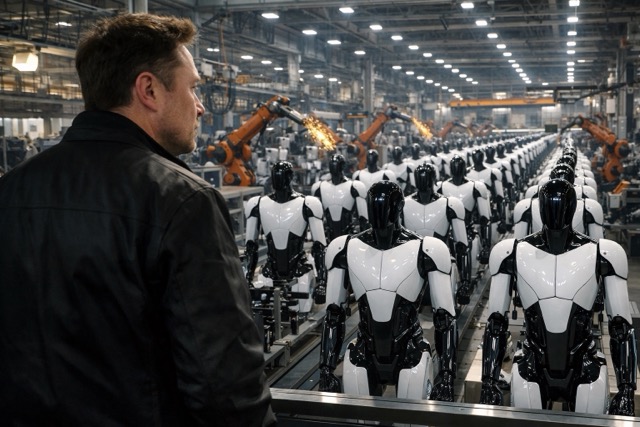
Tesla’s long-term output target for the Optimus project is staggering. CEO Elon Musk has publicly stated an ambition to reach an annual production volume of 10 million units once the facility achieves full capacity. This scale would represent a significant departure from the current pilot production line located at Tesla’s Fremont, California, facility. The Fremont plant, which began mass-producing the Gen 3 Optimus robot in January 2026, is expected to churn out tens of thousands of units this year. The primary objective of the Fremont output is not market saturation, but rather the generation of real-world operational data to refine the robot’s software and sensor fusion capabilities ahead of the Texas ramp-up.

Industry analysts have noted that the success of the Optimus program is increasingly linked to Tesla’s broader software and AI ecosystem, particularly Full Self-Driving (FSD). Ron Baron, a prominent institutional investor and CEO of Baron Capital, recently emphasized during a CNBC appearance that FSD’s growing adoption rate—with 55% of new North American Tesla buyers opting for the subscription—provides a template for how the Optimus platform may eventually achieve ubiquity. By transitioning the robot from a specialized tool to a default consumer expectation, Tesla hopes to leverage its existing software infrastructure to accelerate the robot’s learning curve.
Implications of a Potential Tesla-SpaceX Merger
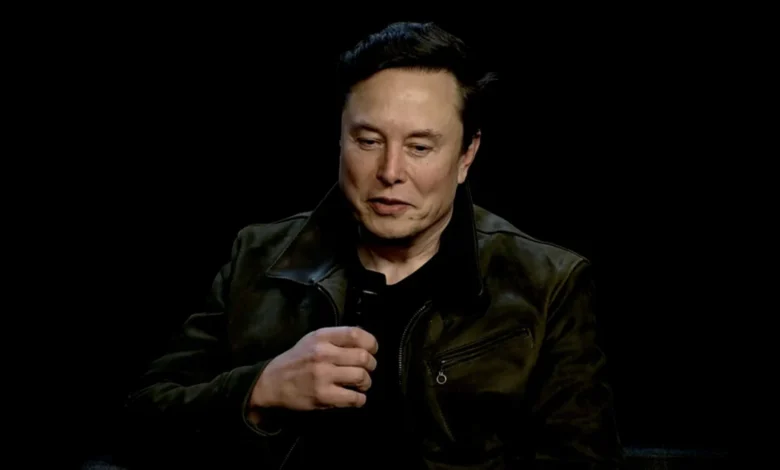
The rapid expansion at Giga Texas has fueled ongoing speculation regarding a potential merger between Tesla and SpaceX. During the All-In Summit in Los Angeles in September 2026, Elon Musk provided his most candid remarks to date regarding the possibility of combining the two entities. When asked why the companies remain separate despite deep operational overlaps, Musk noted that the extent of their current collaboration makes the question highly relevant. SpaceX President Gwynne Shotwell added that personnel from SpaceX have already begun integrating into xAI and other related initiatives, signaling that the corporate barriers between these ventures are becoming increasingly porous.

Wall Street’s reaction to these developments has been mixed but attentive. JPMorgan has described a potential tie-up as "strategically coherent," citing the massive synergies in robotics, energy storage, and artificial intelligence. Meanwhile, traders on prediction platforms such as Kalshi have assigned a 66% probability to a merger occurring before 2028. While Tesla has not confirmed any formal plans for restructuring, the physical reality of the Giga Texas construction site—where Tesla and SpaceX initiatives are literally rising side-by-side—lends credence to the idea that the two organizations are moving toward a more unified future.
Challenges and Outlook
Despite the rapid physical progress at the Giga Texas site, several challenges remain. The company must navigate complex regulatory environments, legal disputes over intellectual property, and the immense technical hurdle of manufacturing a humanoid robot at a scale never before seen in human history. The 2027 production deadline acts as a hard target for the engineering and construction teams, and the visible progress tracked by aerial monitors suggests that Tesla is currently on pace.

For investors and industry observers, the construction of the Optimus factory is a tangible indicator of Tesla’s transition from an automotive manufacturer to a diversified AI and robotics conglomerate. As the steel frame nears completion, the focus will likely shift toward the installation of specialized manufacturing equipment, power infrastructure, and the final integration of the silicon fabrication capabilities at the adjacent Terafab site. Whether the project meets its 2027 deadline will likely serve as a litmus test for Tesla’s ability to execute on its most ambitious engineering roadmap to date.
The combination of the Optimus factory’s scale, the integration of chip manufacturing, and the potential for a broader corporate consolidation with SpaceX creates a unique industrial landscape in central Texas. As the building reaches its final structural form, it stands as a monument to the capital-intensive, high-speed growth model that has defined Tesla’s operations over the last decade. The coming months will be critical as the company pivots from erecting the shell of the facility to outfitting the interior with the machinery necessary to bring its humanoid robotics vision into the mass-market era.