NHTSA Demands Tesla Prove Cybercab Legality Under Oath Following Commercial Launch

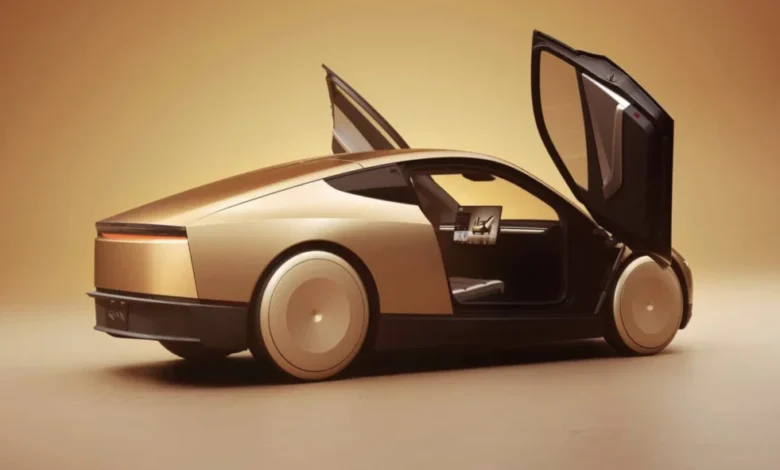
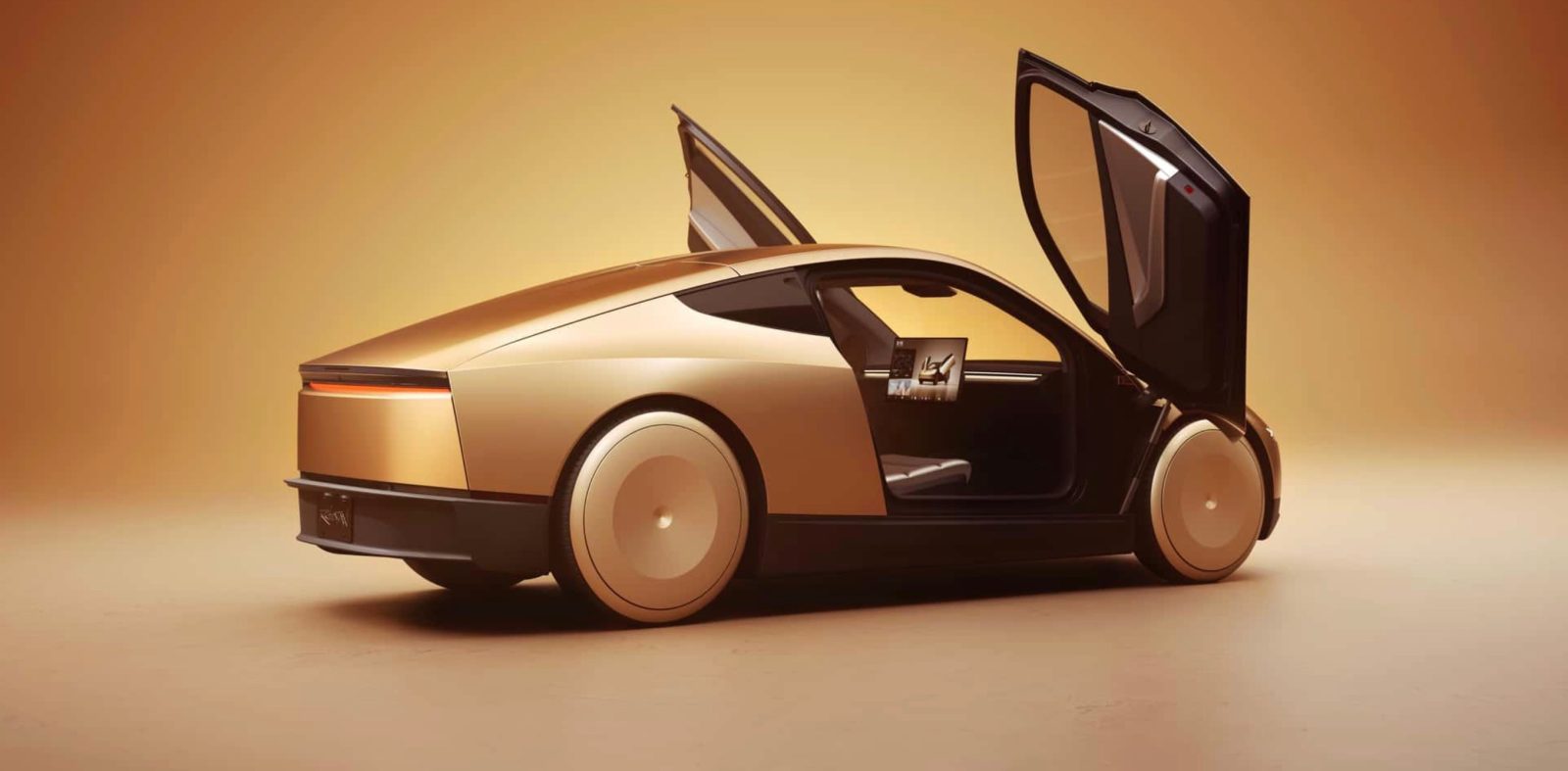
The regulatory standoff between federal safety authorities and American electric vehicle manufacturer Tesla has escalated sharply following the commercial rollout of the company’s autonomous ride-hailing service. The National Highway Traffic Safety Administration (NHTSA) has issued a formal, legally binding Special Order requiring Tesla to provide sworn testimony detailing how its steering-wheel-and-pedal-free Cybercab complies with federal safety standards designed exclusively for human-operated automobiles.
The mandate, signed by NHTSA Chief Counsel Peter Simshauser and addressed directly to Tesla’s upper-level regulatory and litigation counsel, represents a significant hardening of the federal government’s posture toward autonomous vehicle (AV) deployment. With a strict compliance deadline set for September 30, the automaker faces potential penalties reaching up to $139 million if it fails to furnish complete and truthful answers under oath. The inquiry places Tesla’s go-it-alone regulatory strategy under an intense microscope, highlighting a stark contrast between its approach to self-certification and the traditional exemption-seeking route taken by competing autonomous vehicle developers.
Chronology of Regulatory Escalation
The confrontation between NHTSA and Tesla did not materialize overnight; rather, it represents the culmination of years of tension regarding the deployment of unsupervised automated driving systems.
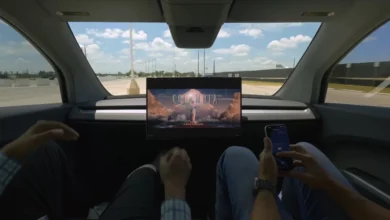
February 2026 marked a major internal milestone for Tesla when the first production unit of the Cybercab rolled off the assembly line. Stripped of conventional physical controls—including a steering wheel, accelerator and brake pedals, and rearview mirrors—the vehicle signaled Tesla’s aggressive pivot toward dedicated robotaxi hardware. However, this manufacturing milestone was achieved well before federal standards were formally updated to accommodate vehicles entirely devoid of human-operated interfaces.
On September 3, 2026, Tesla officially initiated commercial Cybercab ride-hailing services in Austin, Texas, allowing members of the public to book fully driverless trips in the minimalist vehicles. Just hours after the commercial launch went live, NHTSA responded swiftly by opening Audit Query 26002, signaling an immediate federal review of the vehicle’s certification.
Recognizing that an audit query functions primarily as an informational request rather than a compulsory demand, the federal agency quickly escalated the matter. On September 10, NHTSA converted the inquiry into a formal Special Order. Comprising 21 exhaustive and granular requests, the order compels Tesla executives to justify the legal basis of their manufacturing and commercial distribution strategies. The company has been given a strict three-week window to compile its defense, with the September 30 deadline carrying severe corporate and personal legal liabilities for non-compliance.
The Core Controversy: Self-Certification vs. Federal Safety Standards
At the heart of the regulatory dispute is the foundational framework governing how motor vehicles are brought to market in the United States. Unlike many international jurisdictions that require pre-market government approval or type-approval testing, the U.S. system relies on manufacturer self-certification. Under this framework, automakers independently verify and certify that every vehicle they produce complies with all applicable Federal Motor Vehicle Safety Standards (FMVSS). NHTSA’s role is predominantly post-market oversight, stepping in to investigate, recall, or penalize companies if safety violations are discovered after vehicles reach public roads.
Tesla applied this self-certification model to the Cybercab, declaring that the vehicle complies with all pertinent FMVSS requirements. However, the vast majority of these safety regulations were drafted decades ago, explicitly assuming the presence of a human driver who actively controls the vehicle via physical inputs.
In its Special Order, NHTSA highlights the statutory language governing self-certification, reminding Tesla that a manufacturer cannot issue a certificate of compliance if, exercising reasonable care, it has reason to know that the certification is false or misleading in a material respect. The agency’s probing questions suggest a growing suspicion that Tesla’s blanket certification cannot be legally substantiated under existing law.
Industry Precedent: The Zoox Regulatory Pathway
The regulatory friction surrounding the Cybercab is further magnified when compared against the compliance strategies of competing autonomous vehicle developers. Tesla is not the first entity to engineer a specialized, steering-wheel-free robotaxi pod, but it is the first to bypass traditional federal exemption protocols in favor of immediate commercial self-certification.

A prominent point of comparison is Amazon-backed Zoox, which has pursued a methodical, compliance-first regulatory approach. In July, NHTSA granted Zoox a temporary exemption under Part 555 of federal regulations, waiving eight specific FMVSS rules—including the mandatory foot-brake standard (FMVSS No. 135) and rearview mirror requirements (FMVSS No. 111)—that would otherwise prohibit a control-free vehicle from operating on public roads.
The Zoox exemption includes clear boundaries: it restricts the company to a cap of 2,500 exempt vehicles per year, limits operations to specific operational design domains, and extends through 2028. To secure this clearance, Zoox was required to formally apply, present a comprehensive safety justification, and wait for regulatory authorization before transporting paying passengers.
By contrast, Tesla elected to forego the Part 555 exemption process entirely. By self-certifying the Cybercab and launching commercial operations immediately, Tesla established a precedent of technological deployment preceding regulatory harmonization, drawing an implicit but sharp rebuke from federal oversight bodies.
Specific Regulatory Hurdles Outlined by NHTSA
The 21 detailed requests contained within NHTSA’s Special Order target specific federal safety standards that appear incompatible with a vehicle lacking traditional manual controls.
Foremost among these is Federal Motor Vehicle Safety Standard No. 135, which regulates passenger car brake systems. The regulation explicitly mandates that service brakes must be activated by means of a foot control. Because the Cybercab features no foot pedals, NHTSA previously acknowledged that a manufacturer could not inherently certify compliance with this specific clause under current law. While NHTSA itself initiated a rulemaking proposal in June to amend FMVSS 135 to accommodate automated vehicles without foot controls, the agency emphasizes that a proposed rule carries no legal weight until it is formally finalized. Consequently, the existing foot-control mandate remains fully enforceable.
Other focal points of the federal inquiry include:

- FMVSS No. 101: Controls and telltales, which assumes driver-facing instrumentation and warning lights.
- FMVSS No. 102: Transmission shift position sequence, starter interlock, and transmission braking effect.
- FMVSS No. 108: Lamps, reflective devices, and associated equipment, including turn signals designed to self-cancel via steering wheel rotation.
- FMVSS No. 111: Rearview mirrors and direct visibility requirements.
- FMVSS No. 126: Electronic stability control systems.
Furthermore, the Special Order addresses potential legal traps regarding temporary manual controls. Investigators are probing whether Tesla utilized removable steering wheels and pedal assemblies during assembly or preliminary testing, and whether stripping those components out prior to final delivery violates the Safety Act’s "make inoperative" prohibition, which bars manufacturers from removing required safety equipment after certification.
Legal Implications and Executive Liability
The stakes for Tesla extend far beyond civil financial penalties. Because the Special Order requires responses to be submitted under oath by a responsible corporate officer, any material misrepresentation, omission, or falsification of data carries severe legal consequences. Under federal law, providing false information in response to a mandatory NHTSA order can result in substantial criminal fines and imprisonment of up to 15 years for culpable individuals.
This administrative pressure coincides with a broader national debate concerning the modernization of federal transportation laws. While NHTSA has consistently signaled its willingness to adapt regulations for autonomous technology—evidenced by its recent exploratory proposals regarding braking standards and automated driving system (ADS) safety frameworks—the agency’s immediate enforcement action underscores a core regulatory tenet: aspirational policy reform does not override existing statutory obligations.
Broader Industry and Market Implications
The outcome of this regulatory showdown is expected to set a critical precedent for the broader autonomous vehicle industry in the United States. If Tesla successfully defends its self-certification strategy, it could pave the way for other technology and automotive firms to deploy driverless fleets without navigating the cumbersome, time-consuming exemption processes historically required by federal regulators.
Conversely, should NHTSA successfully challenge the Cybercab’s legal standing, Tesla could be forced to temporarily suspend commercial operations, recall existing units, or seek retroactive exemptions that could severely restrict production volume and geographic deployment. For now, the Cybercab’s operational footprint remains constrained to localized, heavily mapped geofenced zones within Austin, operating under reduced speeds to mitigate safety risks while legal and engineering teams race to meet the September 30 federal deadline.