Sony FE 400mm F4.5 GM OSS and Sony FE 600mm F6.3 GM OSS Review: The New Benchmark for Lightweight Super-Telephoto Lenses


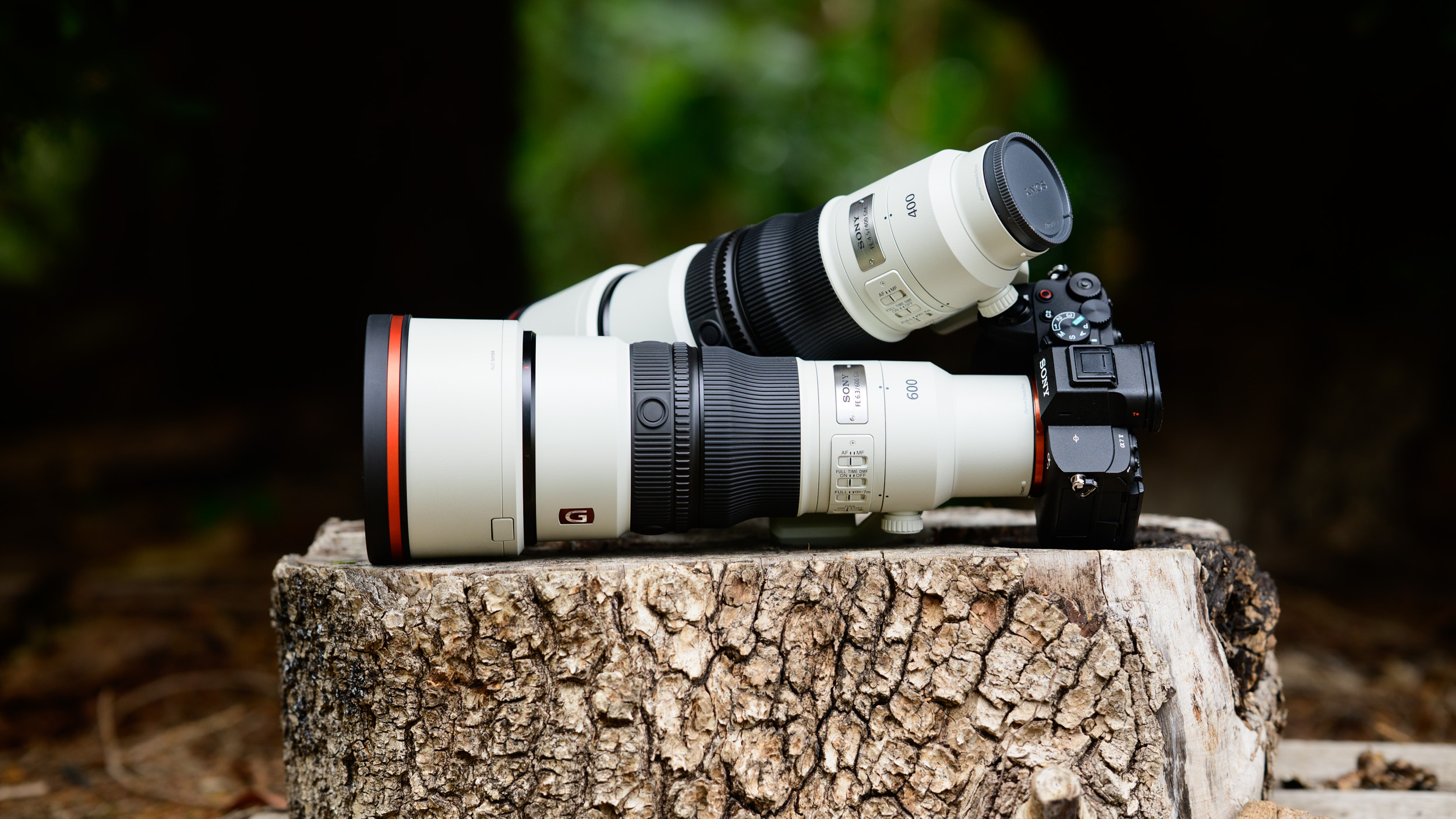
Sony has officially expanded its prestigious Grand Master (GM) lens lineup with the introduction of two groundbreaking super-telephoto prime lenses: the Sony FE 400mm F4.5 GM OSS and the Sony FE 600mm F6.3 GM OSS. Designed specifically for full-frame E-mount mirrorless cameras, these optics target professional and enthusiast wildlife and sports photographers who demand exceptional optical performance without the physical burden traditionally associated with extreme focal lengths.
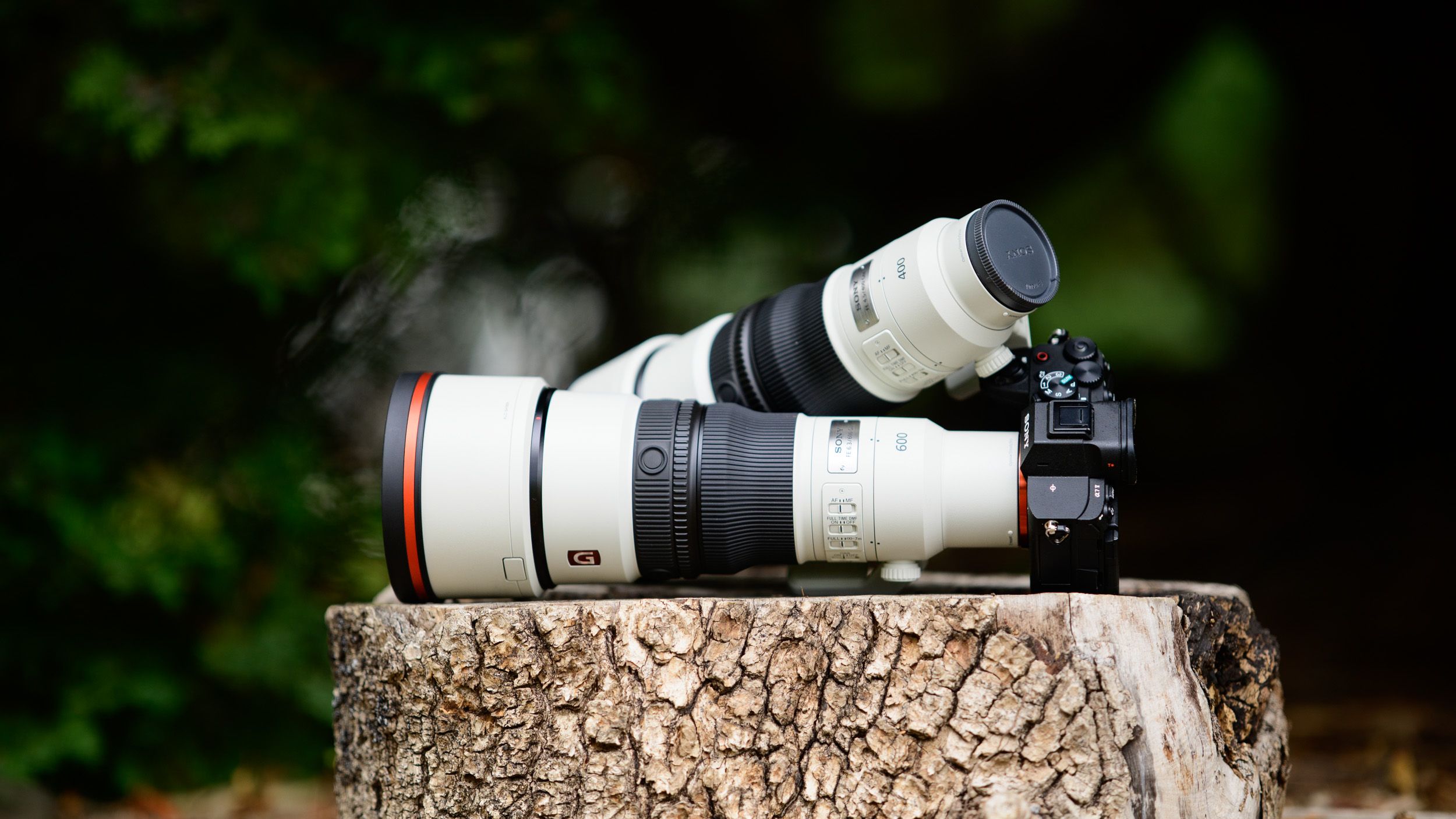
By prioritizing portability, cutting-edge autofocus technology, and uncompromising image sharpness, Sony aims to capture a vital segment of the market previously forced to choose between heavy, ultra-expensive professional primes and less optically refined zoom alternatives. Following extensive field testing across varied environments, industry analysts and field testers alike are finding very few drawbacks to these remarkably engineered additions to the Sony ecosystem.
Evolution of Super-Telephoto Optics: Background and Market Context
For decades, professional sports and wildlife photographers faced a rigid dilemma. Achieving pin-sharp results at long distances required hauling massive, heavy, and expensive prime lenses, such as traditional f/2.8 or f/4 designs that often weighed upwards of three kilograms (nearly seven pounds) and commanded five-figure price tags. While variable-aperture and telephoto zoom lenses offered greater flexibility, they frequently compromised on maximum aperture brightness, edge-to-edge contrast, and overall optical resolution—particularly at their longest focal lengths.
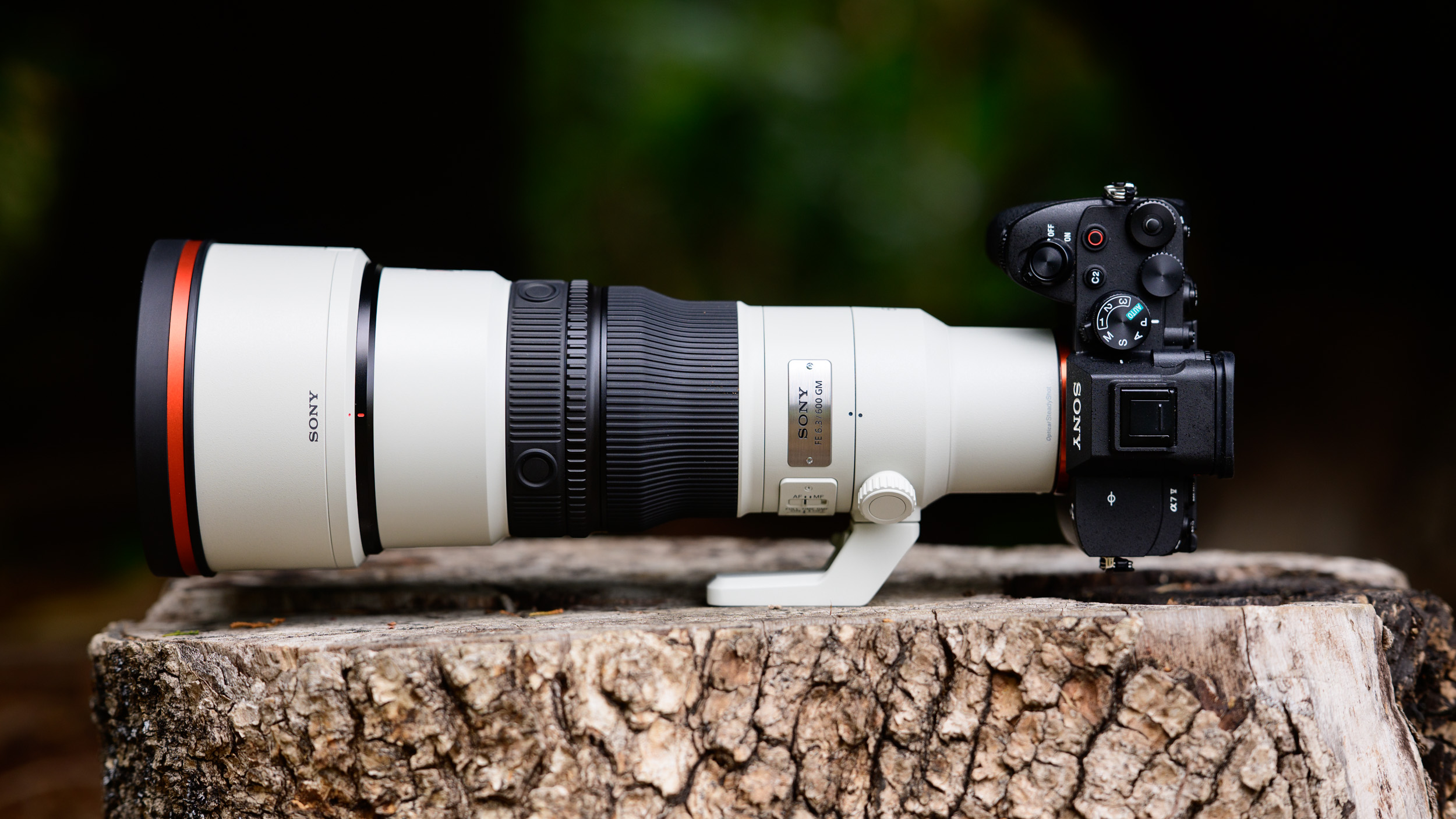
In recent years, manufacturers have begun shifting their engineering focus toward weight reduction and specialized glass configurations. Nikon made waves with its lightweight 400mm f/4.5 and 600mm f/6.3 VR S lenses, proving that a substantial reduction in weight does not necessitate a compromise in professional-grade imaging. Sony’s entry into this specific weight-conscious prime category represents a direct response to this evolving market demand. By bridging the gap between heavy professional glass and versatile zooms, Sony is catering to active photographers who regularly hike long distances or track fast-moving subjects for hours on end.
Pricing, Availability, and Market Positioning
Positioned thoughtfully below Sony’s ultra-high-end, five-figure flagship primes—the FE 400mm F2.8 GM OSS and the FE 600mm F4 GM OSS—these new lenses strike a balance between professional performance and enthusiast accessibility.
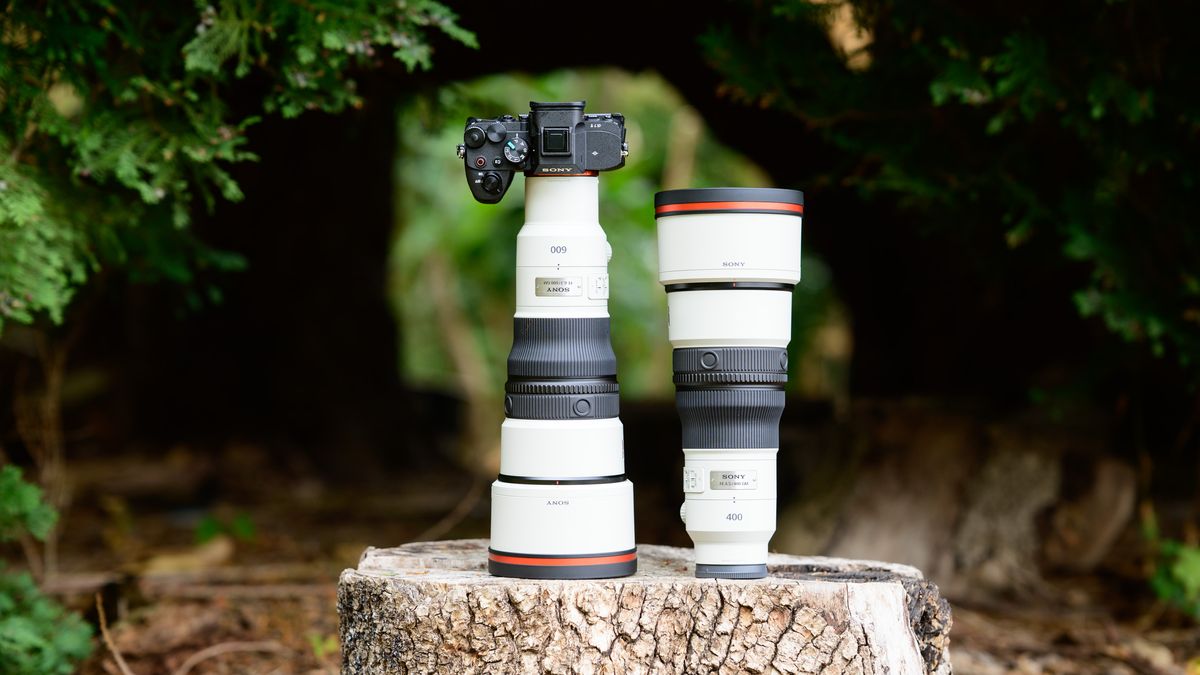
At launch, the Sony FE 400mm F4.5 GM OSS carries a retail price of $2,699 / £2,400, while the longer Sony FE 600mm F6.3 GM OSS is priced at $3,699 / £3,300. Each package includes a custom lens hood, a protective soft-padded carrying case equipped with a handle and shoulder strap, and a removable tripod collar ring.
When evaluated against immediate competitors, Sony’s pricing is highly competitive. Fujifilm’s APS-C-focused 400mm F4.5 lens commands a similar price point, while Nikon’s equivalent offerings sit within a comparable financial bracket following recent market adjustments. Crucially, while these lenses are by no means inexpensive, their designation as ‘Grand Master’ (GM) optics ensures they deliver the rigorous resolution, weather sealing, and build quality expected by working professionals, distinguishing them from standard ‘G’-series zoom alternatives such as the 200-600mm F5.6-6.3 G OSS or the 400-800mm F6.3-8 G OSS.
Design, Ergonomics, and Build Quality
The defining characteristic of both the 400mm F4.5 GM OSS and the 600mm F6.3 GM OSS is their unprecedented weight reduction. Each lens weighs a fraction under 1,000 grams (approximately 35 ounces) for the bare lens body, making them the lightest super-telephoto prime lenses of their respective focal lengths currently available on the market.
To contextualize this engineering achievement:

- Nikon’s equivalent 400mm and 600mm alternatives weigh 1,160g and 1,360g, respectively.
- Sony’s own 400-800mm G zoom tips the scales at an exhausting 2,475g (87 oz).
- Sony’s flagship pro primes weigh approximately three times as much as these new additions.
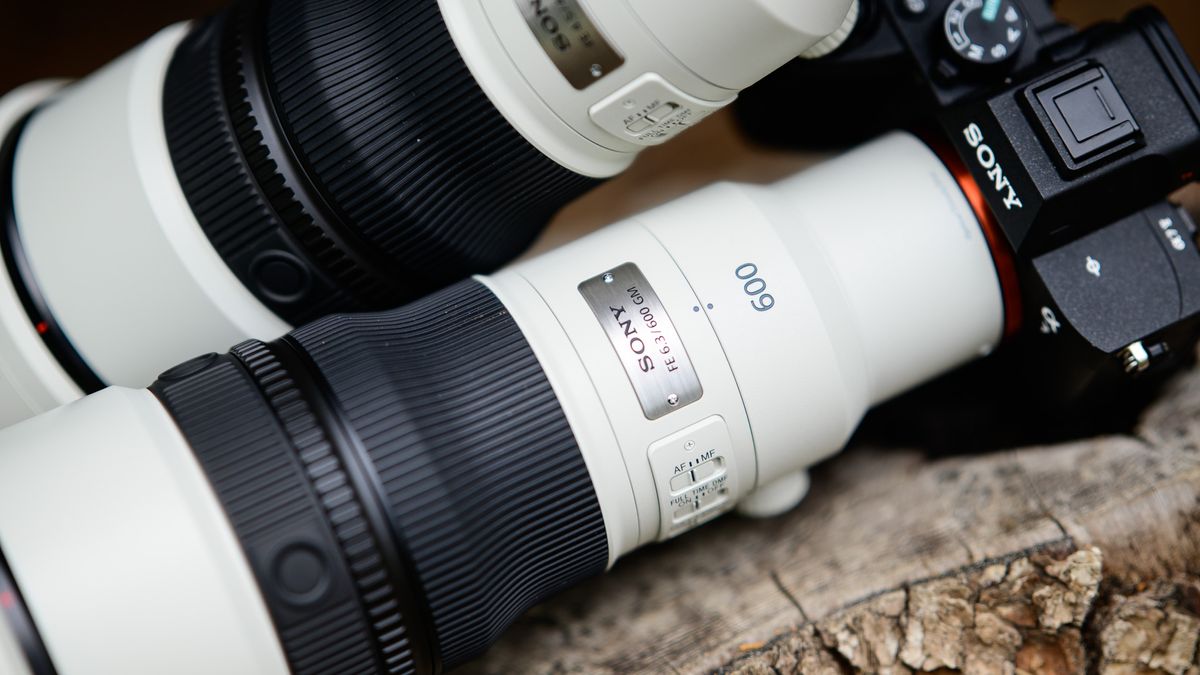
In terms of physical dimensions, the 400mm measures 242mm in length, while the 600mm measures 263mm, both maintaining a consistent 108mm diameter. This slender, highly balanced form factor transforms the user experience during extended shooting sessions. Photographers navigating wetland reserves, mountain trails, or open safari vehicles will immediately notice the reduced strain on arms, shoulders, and tripods.
Despite the featherlight construction, build quality remains uncompromised. Both lenses feature robust dust and moisture resistance, a protective rubber sealing ring at the lens mount, and integrated Optical SteadyShot (OSS) stabilization. External controls are comprehensive, featuring five dedicated switches for focus mode, focus range limiting, optical stabilization, stabilization modes, and a customizable function ring. Four distinct focus hold buttons are distributed strategically around the barrel, while a generously proportioned, ridged focus ring ensures precise manual adjustments, even when wearing gloves in inclement weather.

Furthermore, both lenses maintain full compatibility with Sony’s 1.4x and 2x teleconverters. While the 2x teleconverter successfully doubles the focal length, field tests indicate that shooting natively or with the 1.4x converter is generally preferred to preserve maximum aperture brightness when capturing high-speed action in variable lighting conditions.
Comprehensive Technical Specifications
| Feature | Sony FE 400mm F4.5 GM OSS | Sony FE 600mm F6.3 GM OSS |
|---|---|---|
| Lens Type | Super-telephoto Prime | Super-telephoto Prime |
| Lens Mount | Sony E-mount | Sony E-mount |
| Sensor Coverage | Full-frame | Full-frame |
| Focal Length | 400mm | 600mm |
| Maximum Aperture | f/4.5 | f/6.3 |
| Minimum Focus Distance | 8.21 ft / 2.5m | 8.21 ft / 2.5m |
| Filter Size | 95mm | 95mm |
| Dimensions (Diameter x Length) | 108 x 242 mm | 108 x 263 mm |
| Weight | 35 oz / 994g | 35 oz / 995g |
| Optical Stabilization | Yes (OSS) | Yes (OSS) |
Optical Performance and Field Testing
To evaluate real-world capabilities, extensive field trials were conducted using a loaned Sony mirrorless camera body across diverse environments, including coastal wetland nature reserves and historic deer parks. Testing scenarios ranged from bright, direct sunlight to overcast skies and fading evening light, providing a rigorous test of autofocus acquisition, tracking consistency, and low-light behavior.

Optically, both lenses incorporate sophisticated internal configurations featuring extra-low dispersion glass elements to effectively suppress chromatic aberrations. Sony’s proprietary Nano AR Coating II is applied to minimize internal reflections, ghosting, and flare when shooting toward strong light sources. An 11-blade circular aperture diaphragm contributes to exceptionally smooth background blur, producing the aesthetically pleasing, soft ‘bokeh’ characteristic of the GM line.
Autofocus performance is driven by dual XD (Extreme Dynamic) linear motors. These motors deliver near-silent, lightning-fast focus acquisition capable of keeping pace with modern camera bodies tracking subjects at up to 120 frames per second—making them fully compatible with high-speed burst shooting and 4x slow-motion video capture.

Utilizing advanced subject-detection algorithms optimized for birds, mammals, and insects, autofocus proved remarkably reliable. Fast-moving subjects, such as birds of prey in flight and darting dragonflies, were tracked with high precision. While minor instances of edge softness or subtle focusing discrepancies occasionally occurred when photographing large mammals at maximum aperture and extreme distances, stopping down slightly or applying standard post-processing sharpening easily resolved these minor artifacts.
Unedited RAW image files captured during testing revealed minimal vignetting at wide-open apertures and excellent control over color fringing. Detail rendition remains remarkably crisp across the frame, cementing the optical integrity of these lightweight primes.
Implications and Industry Impact
The launch of the Sony FE 400mm F4.5 GM OSS and FE 600mm F6.3 GM OSS marks a significant milestone for Sony’s E-mount ecosystem. By successfully merging Grand Master-tier optical resolution with class-leading weight reduction, Sony has eliminated one of the primary deterrents for enthusiasts considering dedicated super-telephoto gear.
For working professionals and dedicated hobbyists who have previously hesitated to invest in heavy, cumbersome telephoto equipment due to physical fatigue or travel constraints, these lenses offer a compelling, highly mobile solution. While casual shooters may find the specialized nature and cost of these primes to be more than necessary, wildlife, nature, and sports photographers now have access to exceptional, travel-friendly tools that do not sacrifice optical fidelity for the sake of portability.