Marvels Wolverine Review A Cinematic Triumph That Sacrifices Depth For Brutal Action


Sony Interactive Entertainment and Insomniac Games have officially expanded their prestigious lineup of single-player, story-driven PlayStation exclusives with the September 15, 2026, release of Marvels Wolverine. Reviewed extensively on the PS5 Pro, this long-awaited title plunges players directly behind the claws and mutton chops of James Logan Howlett, delivering a visceral, cinematic, and aggressively violent superhero power fantasy. While the game boasts production values and visual fidelity that rival major Hollywood motion pictures, it ultimately walks a fine line between breathtaking cinematic presentation and a somewhat shallow combat loop.
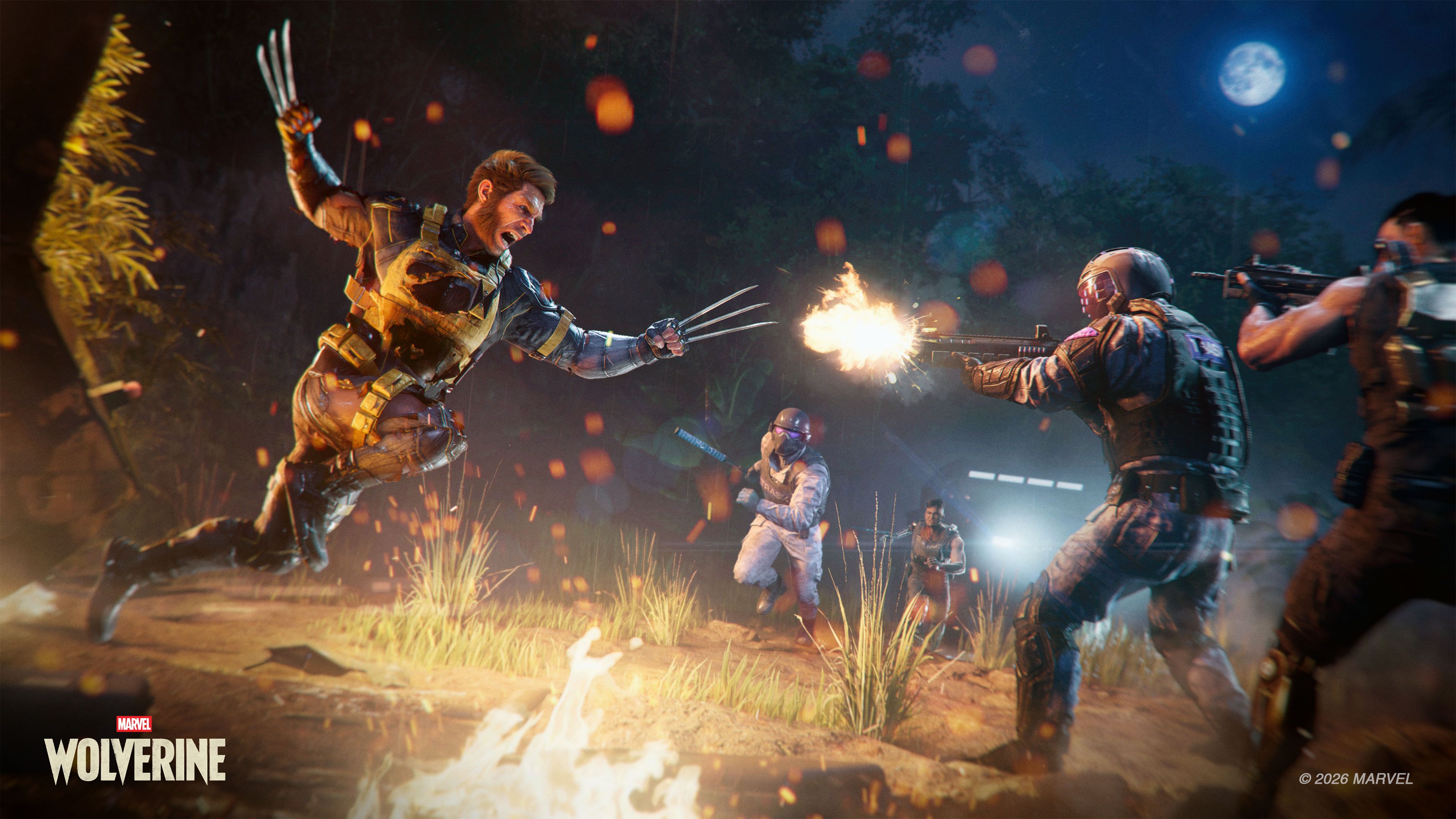
From its opening moments, the game establishes a standard of technical polish rarely seen in the industry. Set in a standalone era before Logan joins the X-Men, the narrative kicks off when the protagonist is approached by the blue-skinned shapeshifter Mystique inside a Team X facility. Instead of rushing to uncover the secret behind a closed door, players are immediately encouraged to pause and take in the environmental details. Raindrops stream naturally down windows, casting realistic refractions that give way to dynamic smoke, ash, and burning embers following an explosive enemy-eviscerating entrance. Illumination from a brilliant moonlight sky pierced by occasional flashes of lightning creates a striking contrast against the carnage below, showcasing the hardware capabilities of the PS5 Pro.
Production Values and Character Dynamics
Insomniac Games has built a reputation for crafting visually arresting superhero adventures, following their monumental success with the Marvels Spider-Man series. However, Marvels Wolverine departs significantly from the open-world formula of its predecessor, opting instead for a heavily scripted, linear campaign spanning approximately 25 hours. This focused approach allows developers to pour unprecedented detail into character models, facial animations, and cinematic transitions.
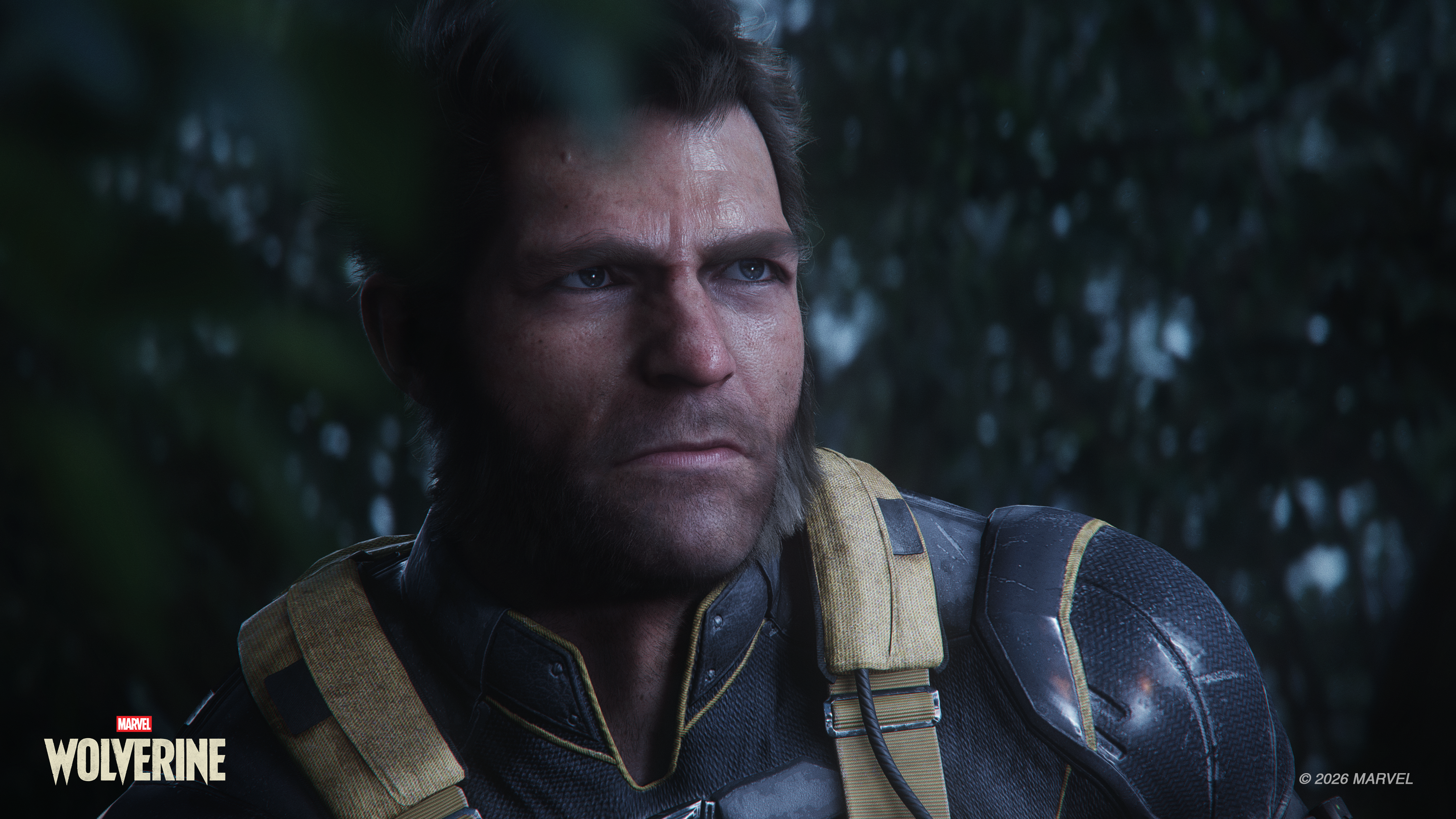
The voice acting further elevates the production. Liam McIntyre delivers a gravelly, deeply layered performance as Logan, capturing both the feral brutality of the character and his underlying melancholy. Meanwhile, Troy Baker brings a chillingly sophisticated menace to Nathaniel Essex, anchoring the antagonistic forces with theatrical poise. The narrative skillfully handles the introduction of iconic Marvel mainstays without relying on tedious exposition dumps. An early mission featuring Logan and Jean Grey meeting for the first time in this universe handles their dynamic with surprising grace, using quiet, interactive moments to ground the relationship before plunging the player into high-octane violence.
Combat Mechanics: Style Over Substance
The core gameplay loop of Marvels Wolverine centers entirely around its combat. Playing as a virtually indestructible mutant equipped with retractable adamantium claws presents a unique design challenge: how to make encounters feel consequential when the protagonist can regenerate from fatal wounds and shred through steel like paper. Insomniac has addressed this by leaning heavily into fast-paced, arcade-style hack-and-slash mechanics complemented by immersive DualSense haptic feedback.
As players progress and level up, they can invest points to unlock a variety of flashy "Techniques"—combos and skills designed to disarm, stagger, or hurl enemies. While these moves inject a tremendous amount of cinematic flair into the carnage, they often feel mechanically redundant. Basic barrage attacks, well-timed dodges, and cooldown-based special abilities are frequently sufficient to clear rooms, rendering some of the deeper technical trees largely optional.
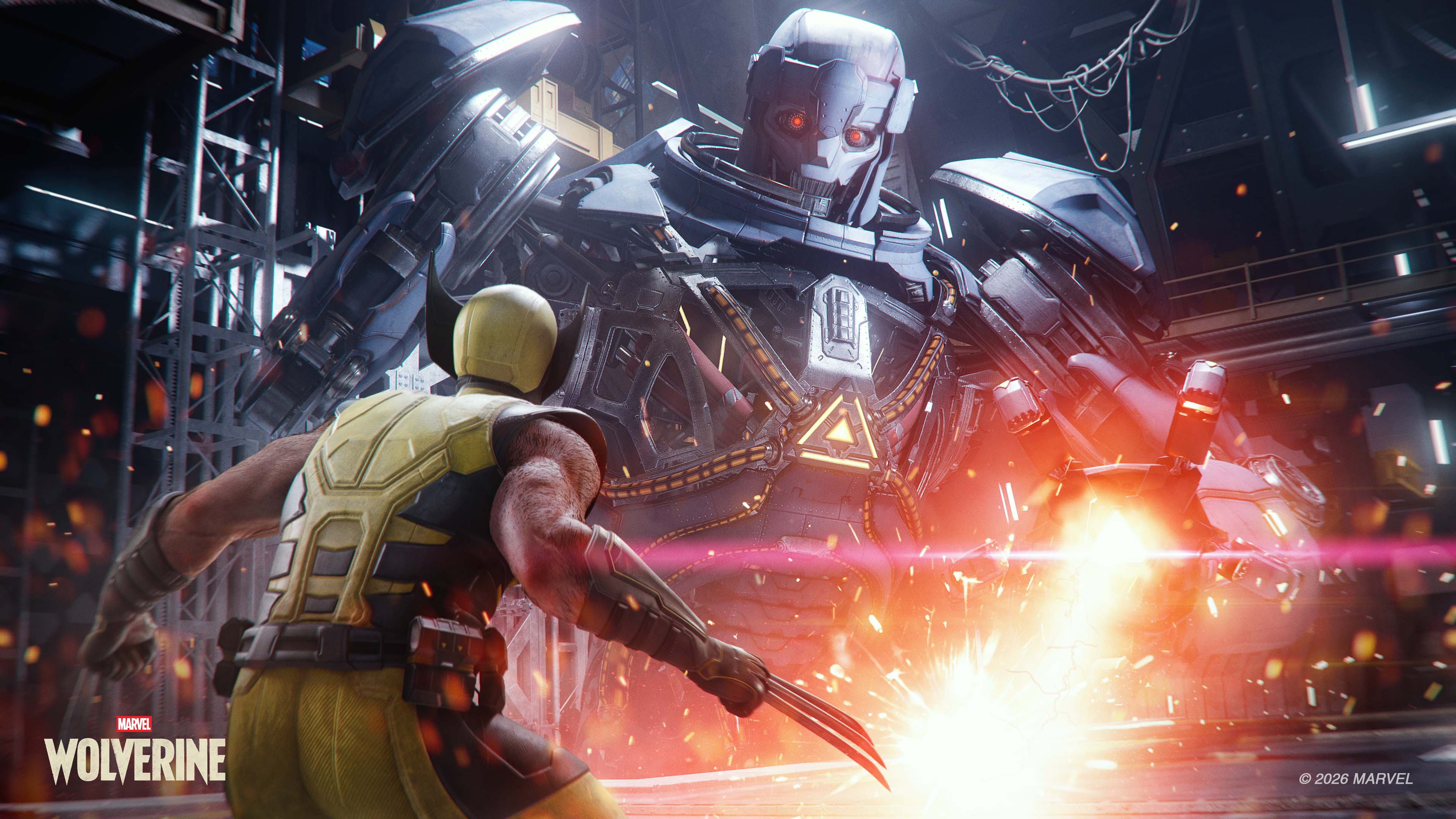
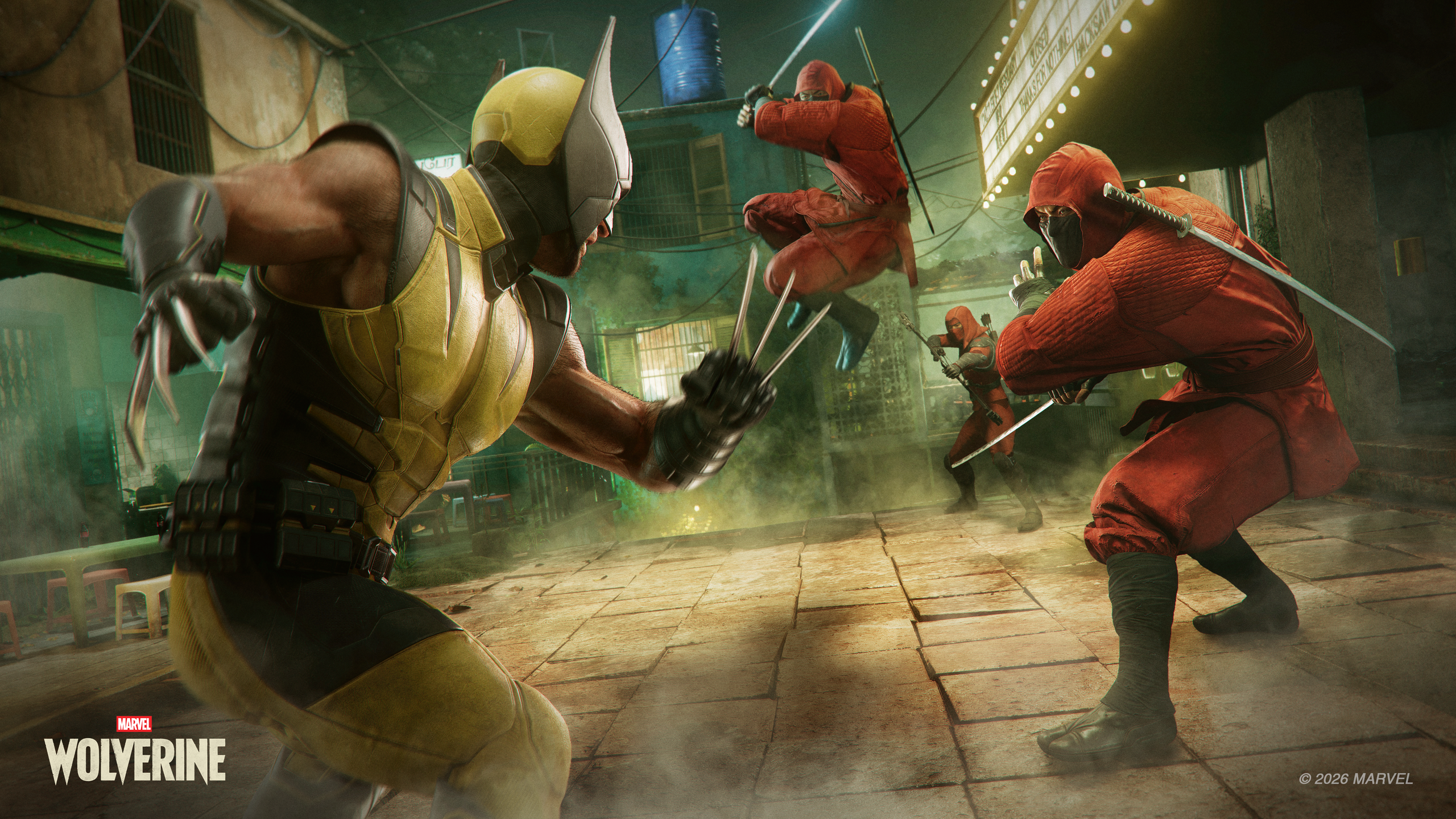
Special attacks, however, fundamentally alter the flow of battle. Operating on a timer, these devastating moves allow Logan to barrel through crowds like a human drill or spin through hordes with the force of a tornado. Furthermore, the "Rage" meter builds dynamically during combat, enabling a second-wind mechanic that triggers a feral state, resulting in a level of viscera and gore that pushes the boundaries of the rating system. The visual degradation of Logan himself—where his clothes tear, sweat beads, and underlying wounds become visible beneath tattered fabric—adds an impressive layer of realism to the relentless violence.
Exploration, Platforming, and Optional Content
Beyond the continuous bloodshed across globetrotting locations like Canada, Japan, and Madripoor, players engage in a variety of non-combat activities. These include investigation segments, vehicle chases aboard a motorcycle where players can slash pursuing tires, and structured platforming sequences. While these additions break up the pacing, the platforming can occasionally disrupt immersion; Logan, despite his feline agility, occasionally struggles to scale rudimentary obstacles due to the strict linearity of the environment.
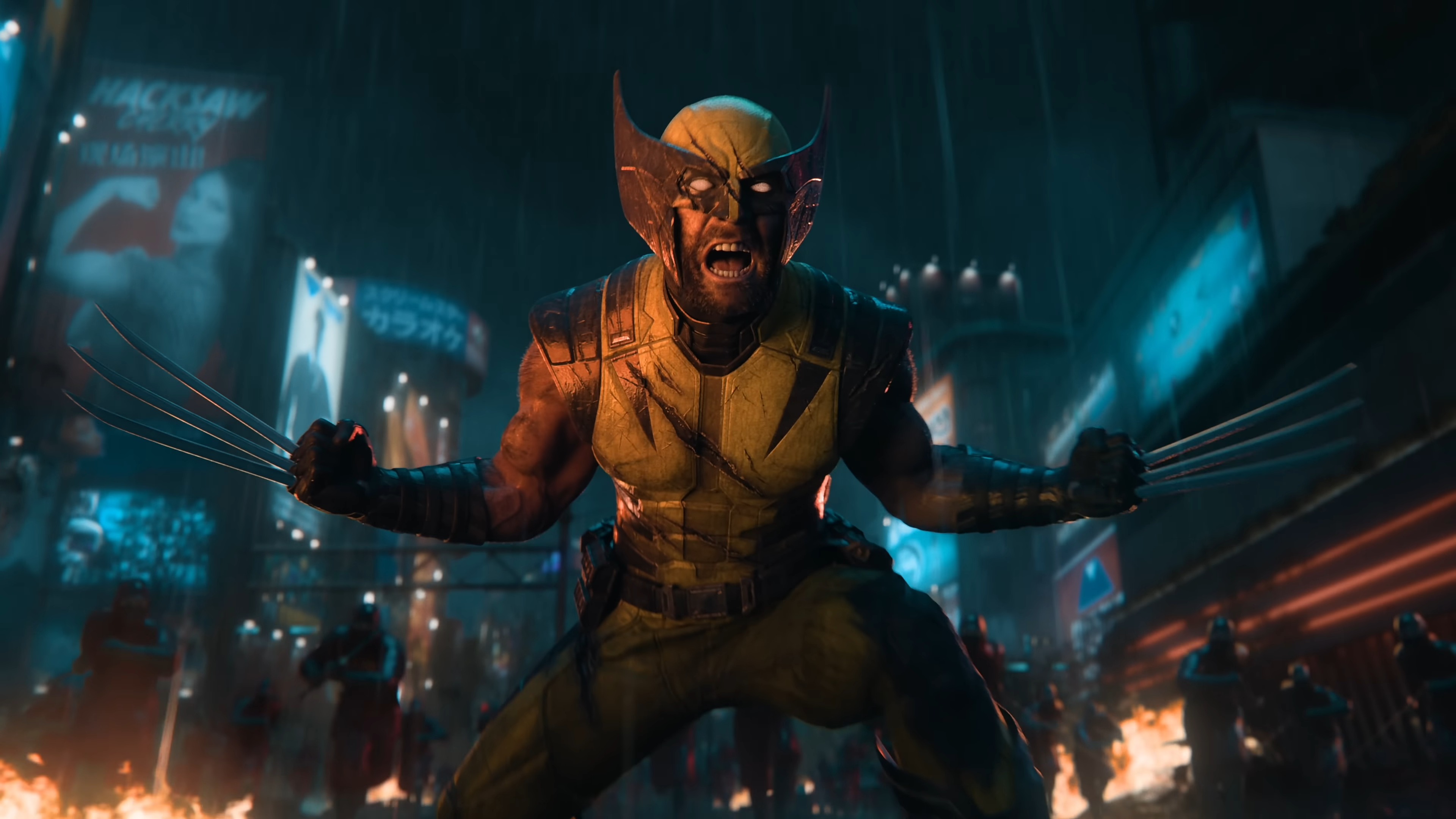
Optional content is similarly uneven. Players can hunt down hidden bottles of whiskey and enter Logan’s haunted "Nightmare Cabin" to complete timed memory challenges. These activities reward "Adaptation" points to alter DNA strands, but the passive perks offer little tangible benefit given Logan’s already potent base capabilities. Similarly, the suit-crafting system features over 30 distinct costumes—ranging from a classic cowboy look to an anime-inspired persona from Marvel Tokon: Fighting Souls—yet these changes remain purely cosmetic, relying on a single world-found resource rather than a robust crafting tree.
Accessibility and Technical Performance
Insomniac Games has included a comprehensive suite of accessibility options, allowing players to customize blood, gore, violence, and profanity levels to their comfort. Adjustable difficulty sliders, gameplay assists, and robust audio-visual configurations are present, though dedicated filters for specific forms of color blindness, such as protanopia and deuteranopia, are notably absent from the initial release.

Tested on a PS5 Pro paired with a 4K HDR display and the PlayStation Pulse Elite headset, the game maintains a locked frame rate and pristine visual clarity throughout heavy particle effects and frantic combat sequences.
Market Implications and Industry Standing
Marvels Wolverine arrives at a crucial time for Sony’s first-party strategy. As the industry faces rising development costs and elongated production cycles, studios are increasingly pressured to deliver blockbuster hits that secure hardware sales. By choosing a linear, story-focused structure instead of a sprawling open world, Insomniac has delivered a tighter, more cohesive narrative experience that honors the character’s comic book origins while establishing a distinct tone within Sony’s gaming ecosystem.
For longtime fans of the X-Men and players seeking a focused, uncompromised action adventure, Marvels Wolverine provides an exhilarating, visually stunning ride. While its ambition occasionally outpaces the depth of its mechanics, the sheer impact of stepping into Logan’s boots makes this a definitive benchmark for superhero gaming on current-generation consoles.