Waymo Officially Launches Robotaxi Operations in Las Vegas Following Regulatory Approval

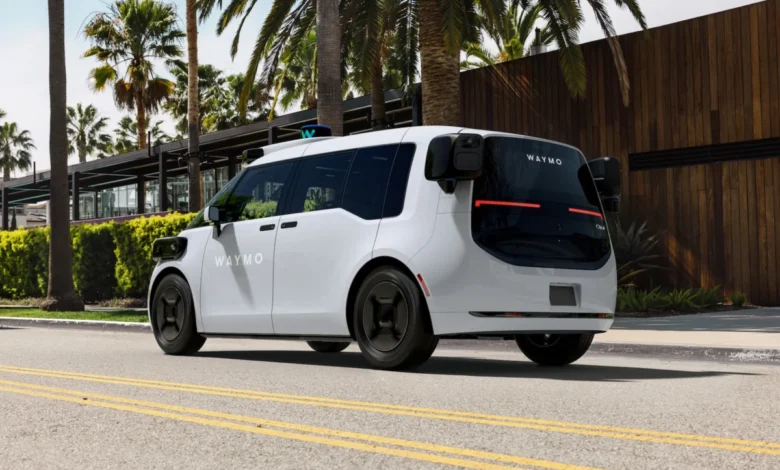
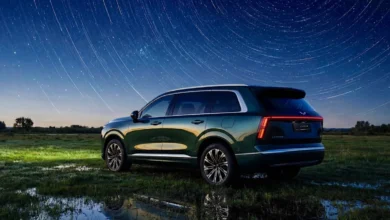
Waymo has officially commenced public-facing robotaxi operations in Las Vegas, marking a significant milestone in the Alphabet-owned company’s rapid national expansion. This launch, which occurred just weeks after securing final authorization from Nevada transportation regulators, positions the company as a major player in the rapidly evolving autonomous vehicle landscape of Southern Nevada. As Waymo deploys its specialized Ojai minivan fleet into the neon-lit streets of the Strip and surrounding areas, it joins an increasingly crowded field of competitors, including Tesla, Zoox, and Motional, all vying for dominance in the high-stakes autonomous ride-hailing market.
The Regulatory Landscape and Deployment Strategy
The path to this launch was paved in late August when the Nevada Transportation Authority granted formal permission for Waymo, Tesla, and Uber to conduct commercial robotaxi services within Clark County. This regulatory green light was part of a broader, ambitious vision for the state, which authorized the deployment of up to 7,000 autonomous vehicles combined over the next twelve months.
Under the specific terms of the approval, Waymo is permitted to operate up to 1,000 autonomous vehicles in the region. Tesla received authorization for up to 5,000, while Uber, through its strategic partnerships with Hyundai’s subsidiary Motional and Amazon’s Zoox, was granted the ability to field 1,000 units. While these aggregate figures suggest a potential massive influx of self-driving cars, industry analysts suggest that the actual deployment will likely be more measured. Waymo, which currently operates a global fleet of approximately 4,000 vehicles, is expected to scale its Las Vegas presence gradually, mirroring the “rollout playbook” it has refined across 14 other major metropolitan markets.
A Phased Rollout in the Entertainment Capital
In accordance with its established operational methodology, Waymo is beginning its Las Vegas service with a limited fleet of "dozens" of Ojai minivans. The initial service zone covers the iconic Las Vegas Strip, specifically the area south of Highway 589, extending into the Boulder Junction neighborhood.
Access is currently restricted to invited members of the public who must request an access code. This "waitlist" model serves dual purposes: it allows the company to manage demand while gathering real-time performance data in a complex, high-traffic urban environment. Based on historical data from its launches in cities such as San Francisco, Los Angeles, and Phoenix, Waymo typically transitions from an invite-only phase to a fully open commercial service within one to two months.
Competitive Dynamics and Market Saturation
The Las Vegas market is quickly becoming the ultimate proving ground for autonomous technology. Zoox, a subsidiary of Amazon, has already established a commercial footprint in the city, providing a direct point of comparison for Waymo’s service. Furthermore, with Tesla and Motional preparing their own commercial offerings, the "Battle for the Strip" has intensified.
The implications of this saturation are significant. If all authorized companies were to meet their state-sanctioned fleet caps, the region could see an unprecedented concentration of robotic transport. However, economic and operational realities present barriers to such rapid scaling. During a recent regulatory hearing, Tesla’s Cybercab lead engineer, Eric Early, noted that the company would consider it a success to deploy 2,500 units within the coming year—a figure well below their total authorization. These constraints, stemming from manufacturing bottlenecks, infrastructure needs, and the necessity for rigorous safety validation, suggest that the transition to an fully autonomous transit ecosystem will be a marathon, not a sprint.
A Broader Timeline of Expansion
Waymo’s push into Las Vegas is merely one chapter in a highly aggressive 2026 expansion strategy. The company’s recent activity includes:

- August 2026: Official approval from the Nevada Transportation Authority to initiate commercial operations in Clark County.
- Early September 2026: Launch of service to invited members of the public in Denver, San Diego, and Tampa.
- Mid-September 2026: Commencement of public-facing, invite-only operations in Las Vegas.
This rapid growth follows a period of consolidation. While Waymo has successfully scaled in cities like Austin, Dallas, Houston, and the San Francisco Bay Area, it has also demonstrated a willingness to pull back, as evidenced by the suspension of its San Antonio pilot. This "test-and-adjust" strategy allows the company to optimize its resources, focusing on markets with favorable regulatory climates and high density for ride-hailing demand.
The Technological and Economic Implications
The deployment of Waymo’s Ojai minivans in Las Vegas represents a significant shift in urban mobility. By providing a service that operates 24/7 without the need for a human driver, Waymo is attempting to solve the "last mile" problem that plagues the tourism-heavy Las Vegas corridor.
From an economic perspective, the presence of thousands of robotaxis could eventually exert downward pressure on traditional ride-hailing costs and force a reassessment of public transit reliance in the downtown and resort districts. However, the technology must overcome significant hurdles, including navigating the chaotic pedestrian traffic of the Strip, managing extreme weather conditions, and maintaining public trust in the face of ongoing debates regarding vehicle safety.
Industry Reactions and Future Outlook
Industry observers remain divided on the pace of adoption. Proponents argue that the move toward a driverless future is inevitable and that Nevada’s proactive regulatory approach will make it a leader in the next generation of logistics and transportation. Critics, however, raise concerns regarding traffic congestion, data privacy, and the long-term impact on the labor market for traditional taxi and rideshare drivers.
Waymo’s spokespeople have maintained that the company’s primary focus remains on safety and incremental scaling. By adhering to a rigorous set of internal safety protocols that often exceed state mandates, the company seeks to differentiate itself from competitors that may prioritize speed to market over long-term reliability.
As the next few months unfold, all eyes will be on the adoption rates in Las Vegas. If Waymo can achieve high utilization rates while maintaining its safety record, it will likely cement its status as the market leader in the autonomous space. Conversely, any technical or safety incidents in such a high-profile location could provide ammunition to regulators who remain skeptical of the technology’s maturity.
Conclusion: A New Era for Las Vegas Transit
The arrival of Waymo in Las Vegas is a defining moment for the city’s transportation infrastructure. While the immediate impact will be limited to a few dozen minivans and a select group of early adopters, the long-term vision is clear: a fully autonomous transit network integrated into the heart of one of the world’s most visited cities.
As the company continues to invite more riders and expand its geographical footprint within the county, the data collected will be invaluable. It will not only inform Waymo’s own future iterations but will likely serve as a blueprint for other municipalities considering similar autonomous integration. Whether this leads to a safer, more efficient urban experience or creates new challenges for municipal management remains to be seen, but the era of the robotaxi in Las Vegas has undeniably begun.