Volkswagen Group Surpasses 70,000 Orders for New Entry-Level Electric Vehicle Family as Affordable EV Demand Surges

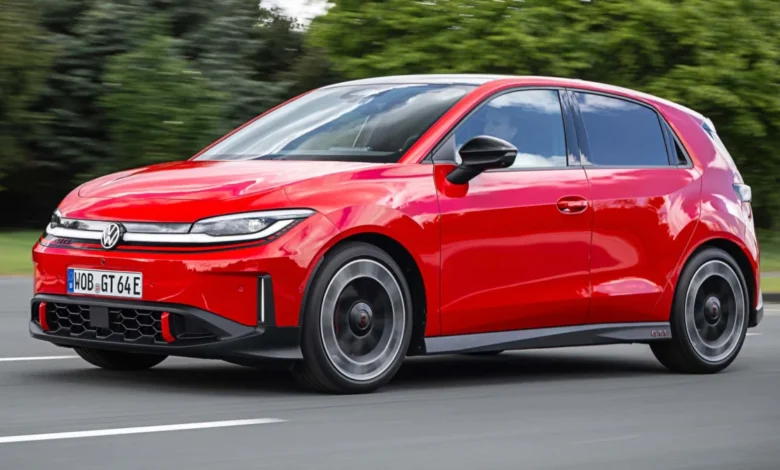
The Volkswagen Group has achieved a significant milestone in its transition toward mass-market electrification, announcing that it has secured more than 70,000 orders for its newly unveiled "Electric Urban Car Family." This figure, which includes pre-orders for the Volkswagen ID. Polo, the Skoda Epiq, and the Cupra Raval, has reportedly exceeded the company’s internal sales projections. The surge in consumer interest underscores a critical shift in the European automotive landscape, where buyers are increasingly seeking competent, subcompact electric vehicles (EVs) that balance modern technology with a more accessible price point.
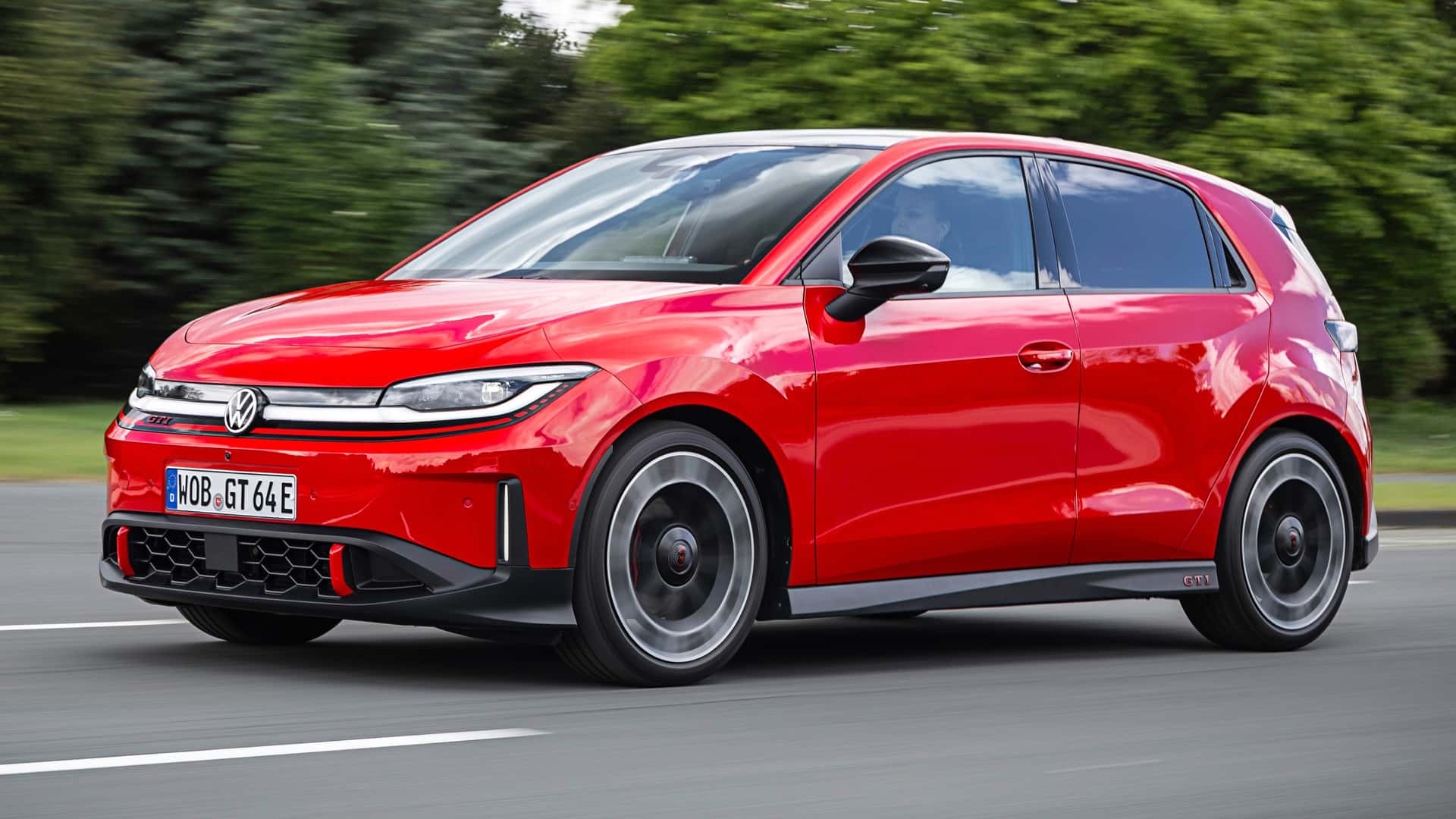
According to data released by the German automotive conglomerate, the Volkswagen ID. Polo—a spiritual electric successor to the long-running internal combustion Polo hatchback—has led the charge with approximately 25,000 individual orders. The remaining 45,000 orders are distributed between the Skoda Epiq, a rugged subcompact crossover, and the Cupra Raval, a performance-oriented hatchback aimed at a younger, more design-conscious demographic. This initial success comes just three months after the models made their collective debut, signaling that the "Electric Urban Car Family" strategy is resonating with a market that has long been underserved by high-priced luxury electric offerings.
Expanding the Lineup: The Arrival of the ID. Cross
The momentum for the Volkswagen Group is expected to accelerate further with the official European launch of the fourth member of this vehicle family: the Volkswagen ID. Cross. Positioned as the most affordable electric SUV in the brand’s portfolio, the ID. Cross is designed to cater to the burgeoning demand for high-riding city cars. With the addition of this model, Volkswagen’s entry-level EV strategy is now fully realized, offering a "quad-pillar" approach that covers both traditional hatchbacks and modern crossovers across three distinct brands.
In the European market, customers now face a diverse array of choices within the same mechanical ecosystem. Those prioritizing utility and a commanding view of the road can opt for the Volkswagen ID. Cross or the Skoda Epiq. Conversely, buyers who prefer the efficiency and classic proportions of a subcompact car can choose between the Volkswagen ID. Polo or the sharper, more aggressive styling of the Cupra Raval. This multi-brand strategy allows the Volkswagen Group to capture different market segments—value-focused, performance-oriented, and mainstream—using a shared technical architecture to drive down production costs.
Technical Architecture and Performance Specifications
Underpinning all four models is a specialized version of the Modular Electric Drive Matrix (MEB) platform, often referred to as "MEB Entry." This platform is specifically engineered for front-wheel-drive applications, a departure from the rear-wheel-drive setup found in the larger ID.3 and ID.4 models. By focusing on front-wheel drive, Volkswagen has been able to maximize interior space and cargo capacity within a compact footprint.
The powertrain options for these vehicles are designed to meet the needs of urban commuters while providing enough flexibility for regional travel. The entry-level variants are equipped with a 32-kilowatt-hour (kWh) lithium-iron-phosphate (LFP) battery pack. LFP chemistry is notable for its durability, safety, and lower production cost compared to traditional nickel-based batteries, though it offers slightly lower energy density. These base models provide approximately 180 miles of range on the WLTP (Worldwide Harmonized Light Vehicles Test Procedure) cycle.
For consumers requiring greater range, a 52-kWh nickel-manganese-cobalt (NMC) battery pack is available across the entire lineup. This larger capacity upping the estimated WLTP range to approximately 280 miles on a full charge. Performance figures for the family range from a respectable 114 horsepower in base trims to 222 horsepower in higher-performance variants, such as the Cupra Raval, which is expected to offer a more spirited driving experience consistent with the Cupra brand’s DNA.
Charging capabilities are also tailored to the segment. The 32-kWh LFP pack supports DC fast charging at rates of up to 90 kilowatts (kW), allowing for a 10-to-80% charge in roughly 27 minutes. The 52-kWh NMC pack increases the charging ceiling to 105 kW, achieving the same 10-to-80% state of charge in just 24 minutes. These speeds are competitive for the subcompact segment, ensuring that "city dwellers" can quickly top up their batteries during short stops.
Interior Innovation and the Return of Ergonomics
A significant talking point regarding the new Electric Urban Car Family is Volkswagen’s pivot in interior design philosophy. Following criticism of the touch-heavy and sometimes unintuitive interfaces found in early ID. models, the new generation of small EVs features a return to physical controls. Each model is equipped with a dedicated row of physical buttons for essential functions, such as climate control and volume, supplementing a dual-screen digital cockpit.
Furthermore, all four models include vehicle-to-load (V2L) functionality. This feature allows the car’s high-voltage battery to power external devices, such as laptops, camping equipment, or electric bicycles. Inclusion of V2L in an entry-level segment is a strategic move by Volkswagen to provide high-value features that were previously reserved for premium electric vehicles.
Market Context and the Competitive Landscape
The starting price for the hatchback models is pegged at approximately $30,000 (including Value Added Tax in Europe), a price point that places the Volkswagen Group in direct competition with the highly anticipated Renault 5 E-Tech. The $30,000 threshold is widely considered the "sweet spot" for mass EV adoption in Europe, as it bridges the gap between expensive luxury EVs and affordable internal combustion engine (ICE) cars.
However, the Volkswagen Group faces a two-front war. In addition to established European rivals like Renault and Stellantis (with the Citroën e-C3), there is an increasing influx of Chinese-made electric vehicles entering the European market. Brands such as BYD and MG have been aggressive in their pricing strategies, often undercutting European manufacturers. Volkswagen’s ability to secure 70,000 orders in such a short window suggests that brand loyalty and a robust service network remain significant advantages for the German automaker, even in the face of cheaper competition.
For American observers, these vehicles are roughly equivalent in size and utility to the Chevrolet Bolt EV. While they are not intended to serve as primary long-distance family haulers for cross-country trips, they represent a viable solution for the "second car" market or for urban residents who prioritize ease of parking and lower operating costs.
Chronology of Development: From Concept to Production
The path to these 70,000 orders began in earnest with the reveal of the Volkswagen ID. 2all concept in 2023, which promised a production car for "under 25,000 Euros." This was followed by the unveiling of the Cupra Raval and the Skoda Epiq concepts, each tailored to the specific design languages of their respective brands.
Over the last three months, the transition from concept to production-ready order books has been rapid. The Volkswagen Group has utilized its Martorell and Navarra production facilities in Spain as the primary hubs for this small EV offensive. This strategic move not only leverages Spain’s automotive manufacturing expertise but also positions the production close to key European markets. The investment in these plants is part of a broader multi-billion-euro commitment to electrifying the Group’s southern European operations.
Analysis of Implications for the Global EV Market
The success of the ID. Polo and its siblings carries several broader implications for the global automotive industry. First, it validates the demand for "right-sized" EVs. While the early years of the EV transition were dominated by large, expensive SUVs and luxury sedans, the next phase of growth appears to be rooted in the B-segment (subcompact).
Second, the use of LFP battery technology in these models highlights a growing trend among Western automakers to adopt more cost-effective battery chemistries to compete with Chinese manufacturers. By offering a choice between LFP and NMC, Volkswagen is effectively segmenting its audience based on budget and use case, a move that could serve as a blueprint for other manufacturers.
Third, the strong order bank suggests that the "range anxiety" narrative may be shifting. With 180 to 280 miles of range, these vehicles are more than capable of handling the average daily commute in Europe, which is typically under 30 miles. The focus is shifting from "how far can it go?" to "how much does it cost?" and "how fast can it charge?"
Conclusion and Official Outlook
While the Volkswagen Group has not yet released specific delivery timelines for all 70,000 orders, production is expected to ramp up significantly through 2025 and 2026. Company executives have expressed optimism that the "Electric Urban Car Family" will play a pivotal role in meeting increasingly stringent EU fleet emissions targets.
In a statement reflecting the company’s current trajectory, Volkswagen brand CEO Thomas Schäfer has previously emphasized the importance of democratizing electric mobility. The current order volume serves as a tangible proof of concept for that mission. As the ID. Cross begins to fill its own order books, the Volkswagen Group appears well-positioned to defend its home turf against both domestic rivals and international challengers, proving that the appetite for affordable, well-engineered electric cars is stronger than ever.