High Gas Prices and Geopolitical Instability Drive Resurgence in United States Electric Vehicle Interest as Hyundai Reports Significant Sales Growth

The United States automotive market, which spent much of the early part of the decade grappling with a cooling demand for fully electric vehicles, is witnessing a potential pivot driven by escalating energy costs and international volatility. While the broader electric vehicle (EV) sector faced a sluggish start to the year, recent data suggests that stubbornly high gasoline prices are once again acting as a primary catalyst for consumer interest in alternative powertrains. Leading this shift is the Hyundai Motor Company, which has reported a substantial surge in its domestic EV deliveries, signaling that the American consumer’s appetite for electrification remains deeply tethered to the price of oil.
According to José Muñoz, the Chief Executive Officer of Hyundai Motor North America, the company’s U.S. electric vehicle sales experienced a dramatic 40% increase between February and March. This growth spike coincides almost exactly with a period of heightened geopolitical tension in the Middle East and a subsequent rise in domestic fuel costs. Muñoz, speaking in a series of recent interviews, noted that the correlation between the "pain at the pump" and showroom traffic is becoming increasingly undeniable, particularly in markets where the cost of living and transportation is already high.
The Catalyst of Geopolitical Conflict and Energy Insecurity
The primary driver behind the recent volatility in the energy market is the ongoing conflict involving Iran, which has significantly disrupted global oil supply expectations. For over a month, the threat of a prolonged blockade or military engagement in the Strait of Hormuz has kept energy markets on edge. The Strait is a critical maritime artery through which approximately 25% of the world’s total oil consumption passes.
The International Energy Agency (IEA) has characterized the current situation as potentially the "largest energy crisis" the modern world has faced, surpassing even the shocks of the 1970s. As a direct consequence, the average price for a gallon of regular unleaded gasoline in the United States crossed the $4.00 threshold in late March. Despite efforts to stabilize the market, analysts expect prices to remain at these elevated levels for several months, regardless of whether immediate maritime passages are cleared. For many American households, this has translated into a monthly fuel bill exceeding $100 per fill-up for larger internal combustion engine (ICE) vehicles, creating a powerful economic incentive to reconsider the total cost of ownership of their primary transportation.
Hyundai’s Strategic Success Amidst Market Turbulence
While the broader U.S. EV market saw a 27% decline in sales during the first quarter of the year, according to estimates from Cox Automotive, Hyundai has managed to defy the downward trend. The South Korean automaker’s performance highlights a diverging market where specific models and brands are finding success despite industry-wide headwinds.
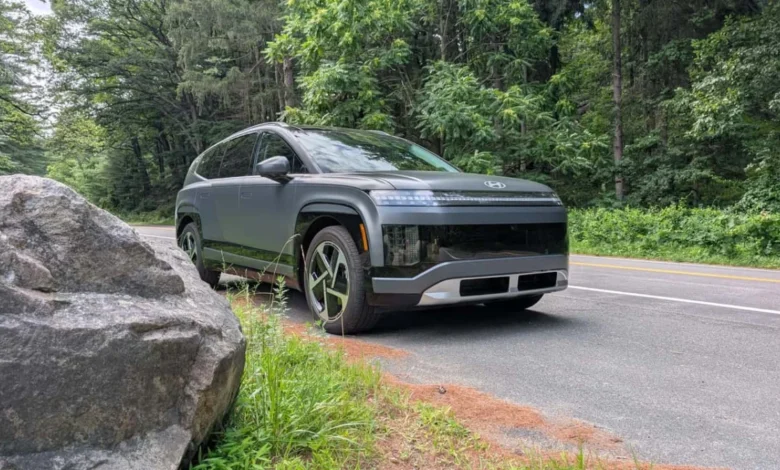
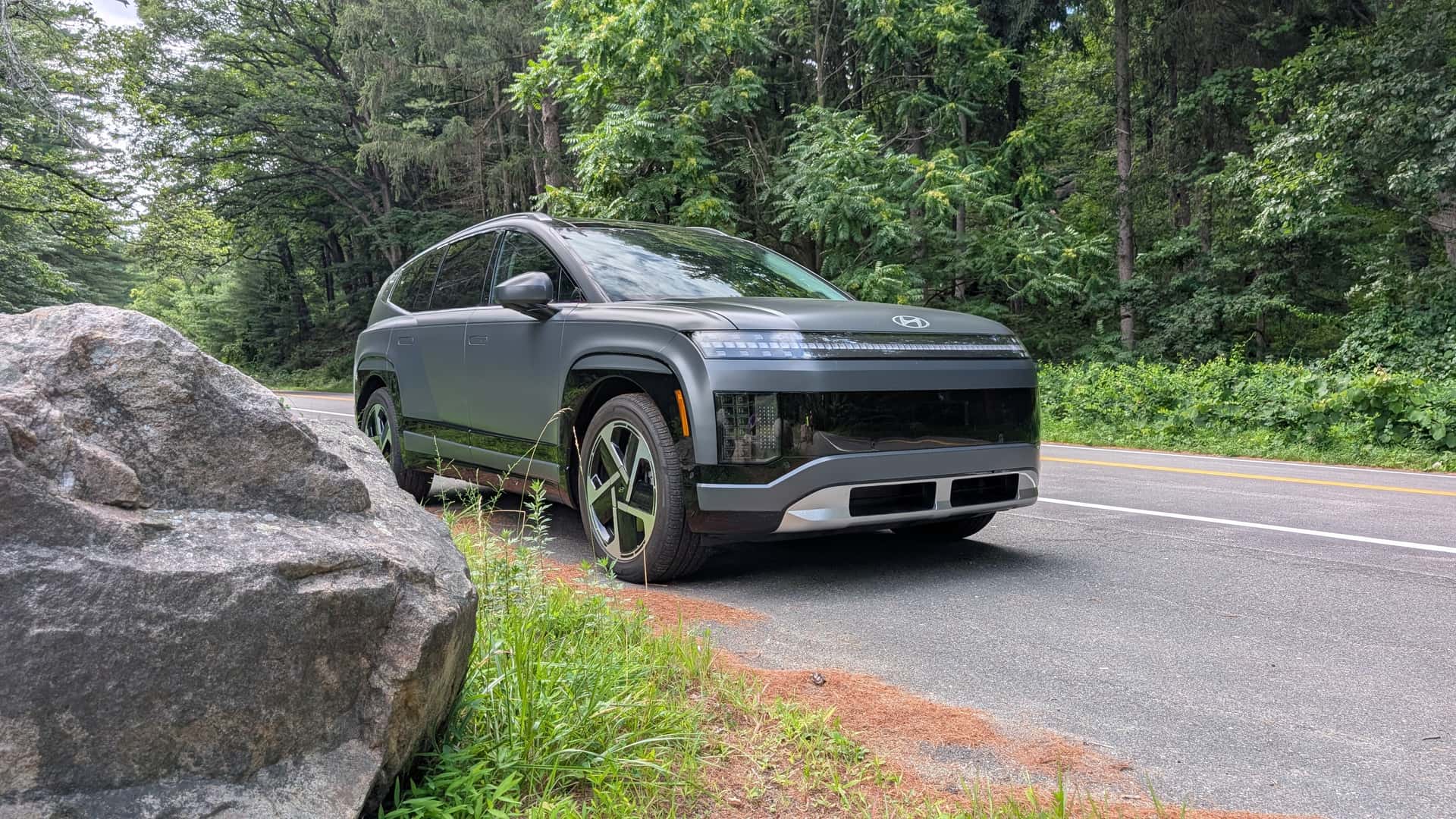
The Hyundai Ioniq 5, a flagship electric crossover, saw its sales rise by 27% in March alone, reaching a total of 4,425 units. This performance solidified its position as the number-two best-selling non-Tesla electric vehicle in the United States, trailing only behind the Toyota bZ series. Furthermore, the company’s newer and larger offerings, such as the Ioniq 9, saw an even more aggressive growth trajectory. Sales for the Ioniq 9 jumped by more than 40%, moving from 505 units in February to 905 units in March.
Muñoz attributes this success to a "significant change in the dynamic" of the American consumer. He noted that while early adopters were driven by environmental concerns and technology, the current wave of interest is increasingly pragmatic. In states like California, where gas prices often lead the national average, the shift toward cost-friendly solutions is most pronounced. Hyundai’s ability to maintain inventory and offer competitive lease and finance terms has allowed it to capture buyers who might have otherwise been deterred by the high upfront costs of EVs.
Shifts in Consumer Sentiment and Market Interest
The observation of increased EV interest is not limited to manufacturer reports. Leading car-buying marketplaces, such as Edmunds, have tracked a measurable uptick in search queries and dealer inquiries regarding electric and hybrid options since the onset of the conflict in the Middle East. This data suggests that while actual sales may take months to reflect in registration data due to the length of the purchasing cycle, the "top of the funnel" interest is expanding.
Ingrid Malmgren, the senior policy director at Plug In America, an EV advocacy organization, suggests that the psychological barrier of $4.00-per-gallon gas is a major tipping point. She pointed to a recent Pew Research Center survey which revealed that approximately 32% of Americans are now "somewhat" or "very" likely to consider an electric vehicle for their next purchase. While this figure is lower than some industry analysts had predicted two years ago, it represents a resilient core of the market that prioritizes long-term fuel savings over initial purchase price premiums.
However, the road to mass adoption remains fraught with obstacles. The U.S. market is currently "reeling," as some analysts describe it, from the expiration of several federal tax credits and a tightening of the Inflation Reduction Act’s (IRA) requirements regarding battery sourcing. These policy shifts have made many popular EV models more expensive for the average consumer, offsetting some of the gains made by falling battery prices.
Industry-Wide Responses and the Pivot to Hybrids
Hyundai’s aggressive stance on EVs contrasts sharply with many of its domestic and international rivals. In recent months, major players like Ford and General Motors have announced delays in their electrification timelines, citing slower-than-expected demand and the need to preserve margins. Even Hyundai has had to adjust its strategy, recently opting to discontinue the slow-selling Ioniq 6 sedan in certain configurations while leaning more heavily into its hybrid and plug-in hybrid (PHEV) lineups.
Muñoz remains realistic about the pace of the transition. In a recent address at a CNBC event, he acknowledged that the industry’s previous projections of EVs reaching 50% or 60% of the U.S. market share by 2030 were likely overly optimistic. "We see the reality and the future differently from some competitors," Muñoz stated. He suggested that a more realistic target for the end of the decade would be a market share of 10% to 15%. While this is a significant downward revision from previous goals, he emphasized that it still represents a substantial enough volume to justify the billions of dollars in investment Hyundai has committed to the technology.
This pragmatic outlook is reflected in the company’s manufacturing strategy. Hyundai is currently fast-tracking its "Metaplant" in Georgia, a massive $7.6 billion facility dedicated to producing electric vehicles and batteries on U.S. soil. By domesticating production, Hyundai aims to regain eligibility for federal tax credits, which would further lower the barrier to entry for cost-conscious consumers.
Economic and Infrastructure Challenges
Beyond the price of gasoline, several factors continue to influence the trajectory of EV adoption in the United States. High interest rates have made auto loans more expensive across the board, affecting EVs particularly hard due to their higher average transaction prices compared to gas-powered counterparts. Furthermore, the national charging infrastructure remains a point of contention for many prospective buyers.
Despite the Biden administration’s National Electric Vehicle Infrastructure (NEVI) Formula Program, the rollout of high-speed public chargers has been slower than anticipated. For consumers in rural areas or those without access to home charging, the "cost-friendly" nature of an EV is often negated by the inconvenience and time required for public charging.
Nevertheless, the current energy crisis has served as a "stress test" for consumer loyalty to the internal combustion engine. When the cost of operation for a traditional vehicle spikes suddenly, the value proposition of an electric motor—which can be "fueled" at home for a fraction of the cost of gasoline—becomes much more tangible.
Long-Term Implications for the U.S. Auto Market
The 40% jump in Hyundai’s EV sales may be an early indicator of a broader market correction. If gas prices remain elevated through the summer driving season, other manufacturers may see similar boosts in their electric and hybrid segments. This could lead to a "re-energizing" of a market that many had written off as stagnant just six months ago.
The conflict in Iran and the instability of the Strait of Hormuz have highlighted the vulnerability of the American transportation sector to external shocks. For policymakers and manufacturers alike, the push for electrification is increasingly being framed not just as an environmental necessity, but as a matter of national energy security.
As Hyundai continues to gain ground, the rest of the industry will be watching closely. The company’s ability to capitalize on the current crisis suggests that there is a significant segment of the American public ready to make the switch, provided the economic incentives—or the costs of staying with gasoline—are high enough. While the dream of 60% market share by 2030 may have faded, the current trend suggests that the electric vehicle is no longer a niche luxury, but a vital economic tool for a growing number of American drivers.