TCL P80 Ultra Unboxing and Hands-On Review: The World’s First AMOLED NxtPaper Smartphone Redefines Display Technology

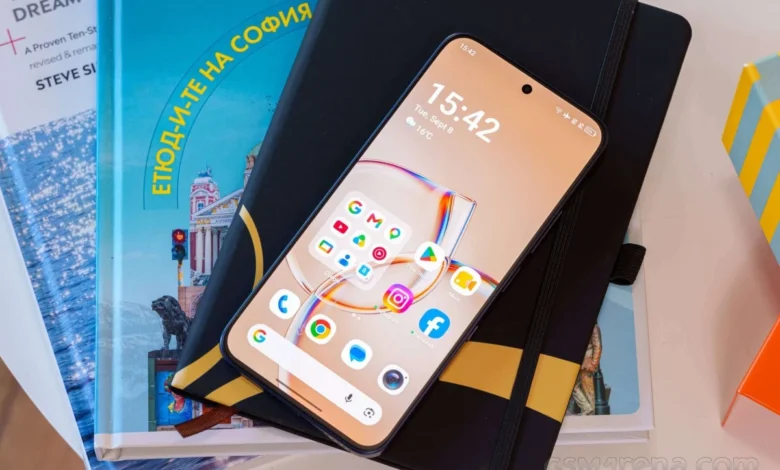
The smartphone market has long grappled with a fundamental dichotomy in display technology: the vibrant, high-contrast, and fluid performance of traditional AMOLED panels versus the eye-comfort, glare-free, and battery-sipping nature of e-ink readers. For years, consumers have been forced to choose between multimedia immersion and reading endurance, rarely finding a device that bridges the gap without severe compromises. TCL, a brand long recognized for its display innovations in both televisions and mobile devices, aims to disrupt this paradigm with the introduction of the TCL P80 Ultra. As the world’s first smartphone to integrate an AMOLED panel with proprietary NxtPaper technology, the P80 Ultra arrives as an ambitious attempt to deliver the best of both worlds.
Unboxing and Retail Package Contents
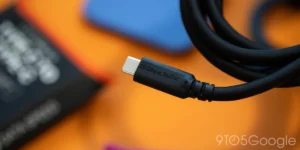
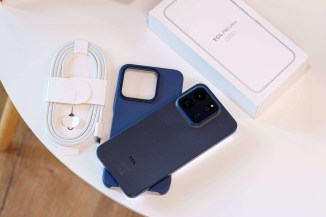
Upon opening the retail packaging of the TCL P80 Ultra, consumers are greeted with an experience that prioritizes practicality and value. Inside the box, TCL includes the smartphone itself, a high-quality braided USB-C cable, and a surprisingly robust protective case. Unlike the flimsy, transparent silicone covers or rigid hard-plastic shells frequently bundled with mid-range and upper-mid-range devices, this included case features a tactile, textured rear finish alongside precise cutouts for all physical buttons, microphones, and ports.
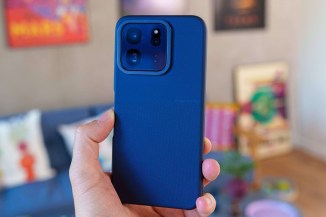
The device is offered in three distinct colorways designed to appeal to varied aesthetic preferences: a sophisticated and understated Midnight Blue, a vibrant Sunlit Gold, and a trendy Burgundy finish that aligns with contemporary mobile design trends. The review unit, finished in Midnight Blue, exhibits an air of understated elegance that defies the device’s competitive pricing structure.
Pricing Strategy and Memory Configurations
Market analysis reveals that TCL has adopted an aggressively competitive pricing strategy for the P80 Ultra, particularly concerning storage tiers. The device is distributed in two distinct configurations: an 8GB RAM with 256GB storage model priced at approximately €550, and an 8GB RAM with 512GB storage variant retailing for €600.
Industry observers have noted that doubling the onboard storage capacity for a mere €50 premium represents one of the most consumer-friendly pricing structures observed in the upper-mid-range segment in recent years. This aggressive valuation positions the P80 Ultra as a formidable alternative to established flagship killers, offering massive storage capacities that traditionally command significantly higher premiums from competing manufacturers.
Physical Design and Ergonomics
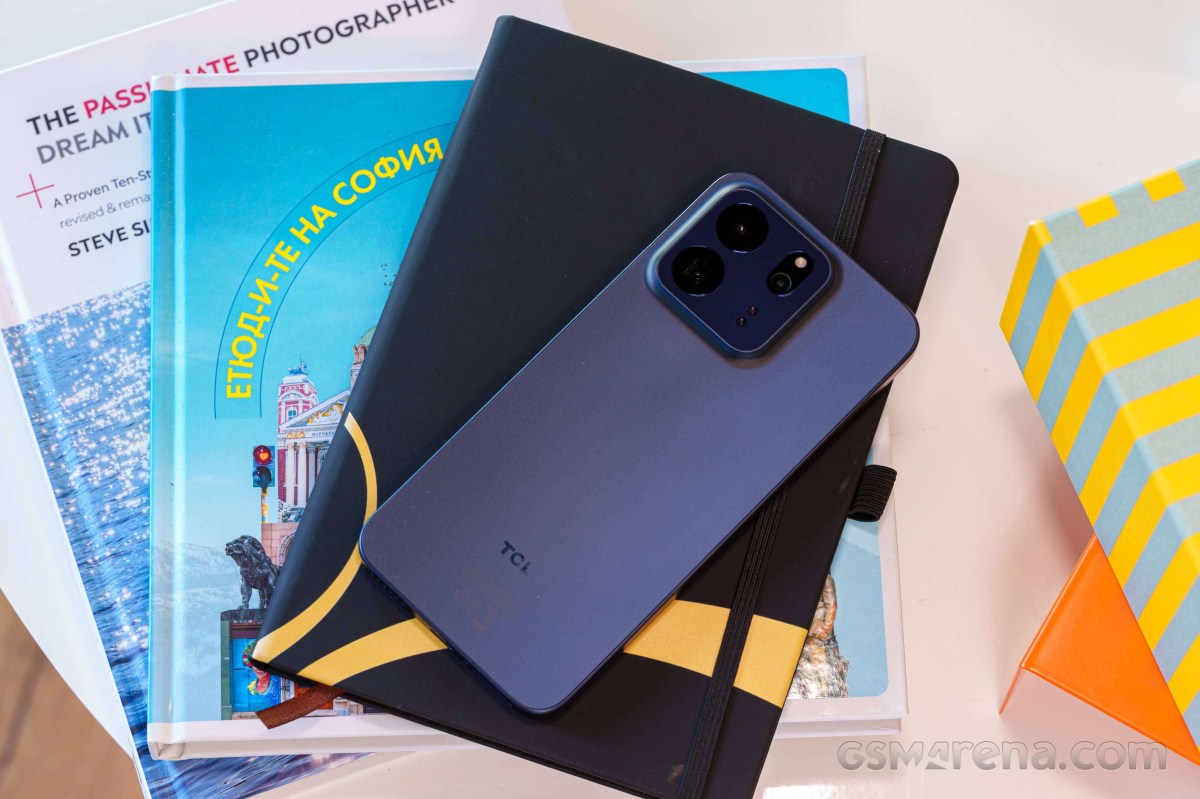
Despite housing a substantial battery and a sprawling display, the TCL P80 Ultra manages a balanced, premium tactile feel in the hand. The chassis is characterized by a deliberate departure from the glossy, fingerprint-attracting finishes that dominate modern smartphone design. Instead, TCL has opted for a unified matte texture spanning the rear panel, the structural sides, and even the outer surface of the display glass.
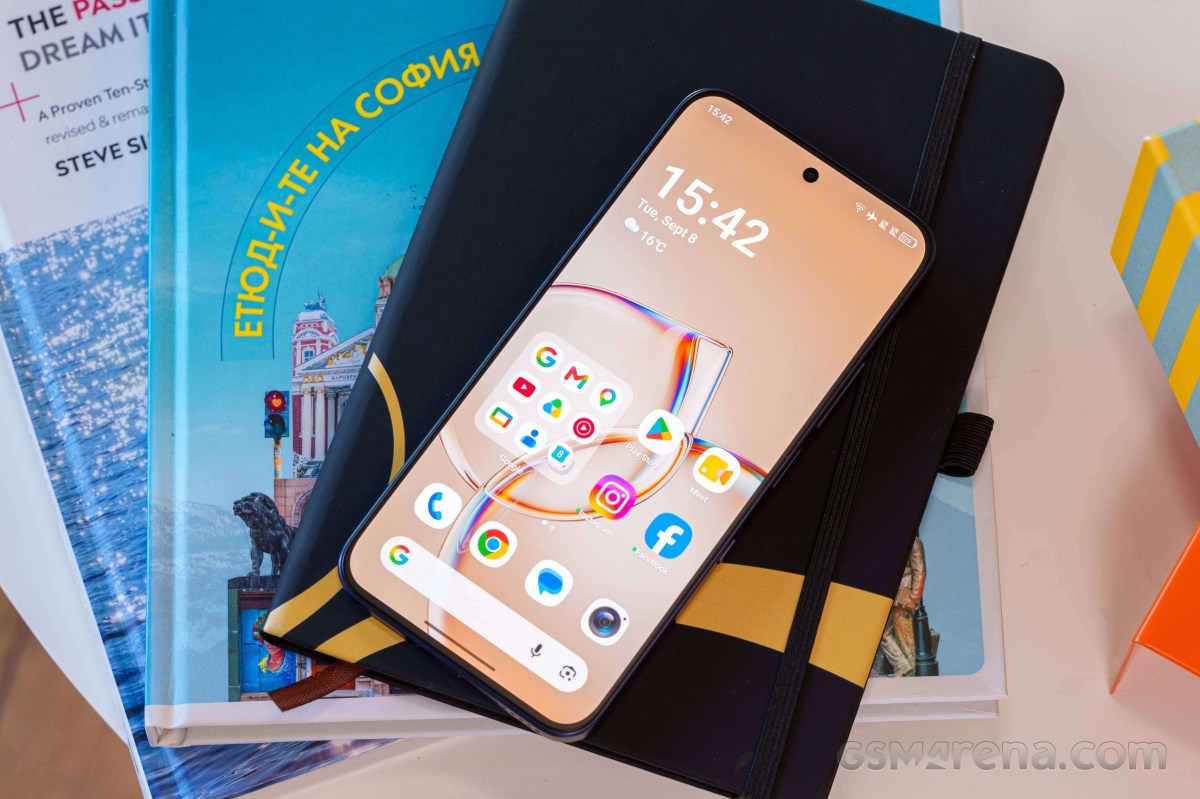
The device measures 8.3mm in thickness, a profile largely dictated by the inclusion of a high-capacity 5,800mAh battery. While this thickness places it slightly above the ultra-slim profiles favored by some competitors, the ergonomic advantage of the matte finish compensates for the device’s considerable physical footprint, which is further amplified by its 6.83-inch diagonal screen. The matte surface not only enhances grip security but also provides a remarkably smooth tactile sensation when navigating the user interface or interacting with digital text.
Display Architecture: The AMOLED NxtPaper Innovation
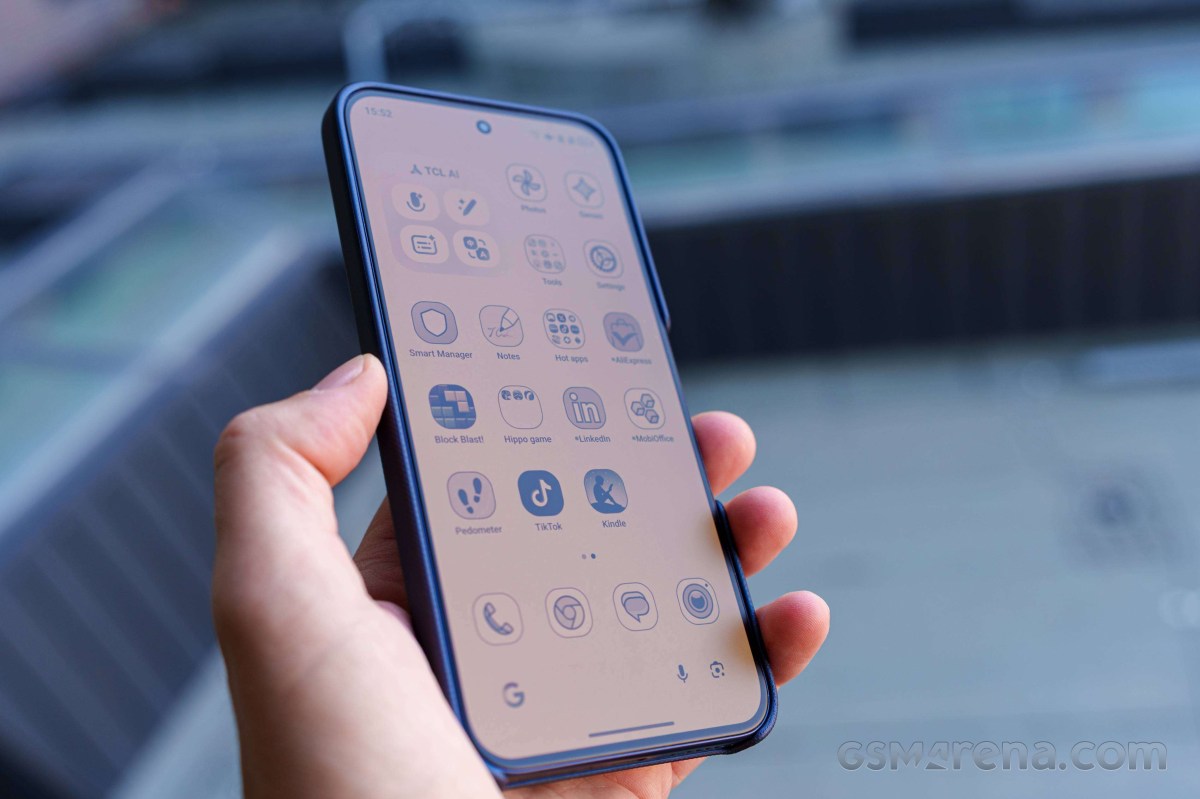
The definitive selling point of the TCL P80 Ultra is its groundbreaking display assembly. Operating in standard AMOLED mode, the 6.83-inch panel boasts a peak brightness of up to 3,200 nits, ensuring exceptional outdoor legibility even under direct sunlight. Furthermore, the display supports a fluid 120Hz refresh rate and a 10-bit color depth capable of rendering one billion distinct shades with deep contrast levels and saturated color reproduction.
While the anti-glare, matte finish introduces a slight trade-off regarding viewing angles compared to conventional glossy glass panels, this design choice yields a monumental reduction in surface reflections. Users operating the device in brightly lit environments will find the lack of harsh glare to be a significant ergonomic improvement over traditional glass screens.
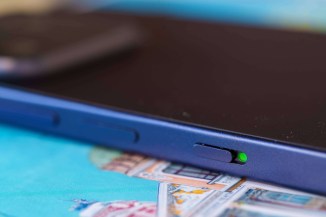
However, the true engineering marvel lies in the integration of TCL’s NxtPaper technology with an AMOLED substrate. Located on the right edge of the chassis is a dedicated physical slider that allows users to instantly transition the display mode. Activating this slider triggers a fluid, visually appealing color-fading animation that transforms the interface into one of two specialized reading environments: Max Ink Mode or Paper Mode.
Exploring NxtPaper Modes: Max Ink and Paper Mode
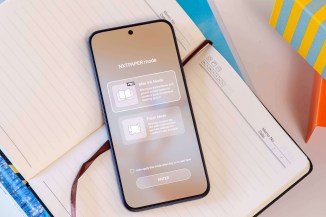
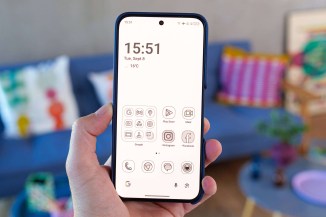
When NxtPaper mode is engaged, the visual output shifts dramatically. Colors are largely desaturated to a monochromatic e-ink aesthetic, leaving behind only subtle, muted hints of red. The color temperature shifts to a warm sepia tone designed to minimize eye strain during extended reading sessions.
Max Ink Mode functions effectively as a digital detox tool. Upon activation, the interface strips away complex third-party notifications—retaining only essential alerts for incoming phone calls and text messages—while placing background application processes into a suspended state. This aggressive power management yields extraordinary efficiency gains, extending the device’s operational endurance to a remarkable seven days of continuous, immersive reading on a single charge.
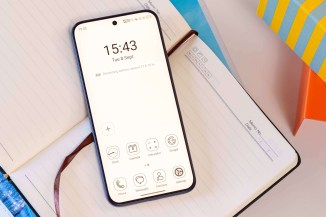
To complement Max Ink Mode, TCL pre-loads a dedicated reading application housing a library of approximately 500 complimentary public domain and licensed books spanning multiple languages. While the current iteration of the software lacks advanced sorting or search functionalities, it incorporates innovative artificial intelligence capabilities. Users can utilize AI text-to-speech features to have books read aloud in an audiobook format, or even generate simulated podcast discussions based on the loaded literature.
Paper Mode, conversely, maintains the functionality of the standard operating system interface while rendering the graphical elements in a monochrome e-ink style. Most applications operate seamlessly within this environment, though users retain the ability to configure specific applications—such as YouTube—to automatically restore full color reproduction upon launch.
Hardware Performance and Daily Usability
Beyond its display innovations, the TCL P80 Ultra delivers a cohesive and uncompromised user experience. The inclusion of the 5,800mAh power cell ensures multi-day battery life under standard mixed-use scenarios, mitigating battery anxiety common in high-refresh-rate multimedia devices.
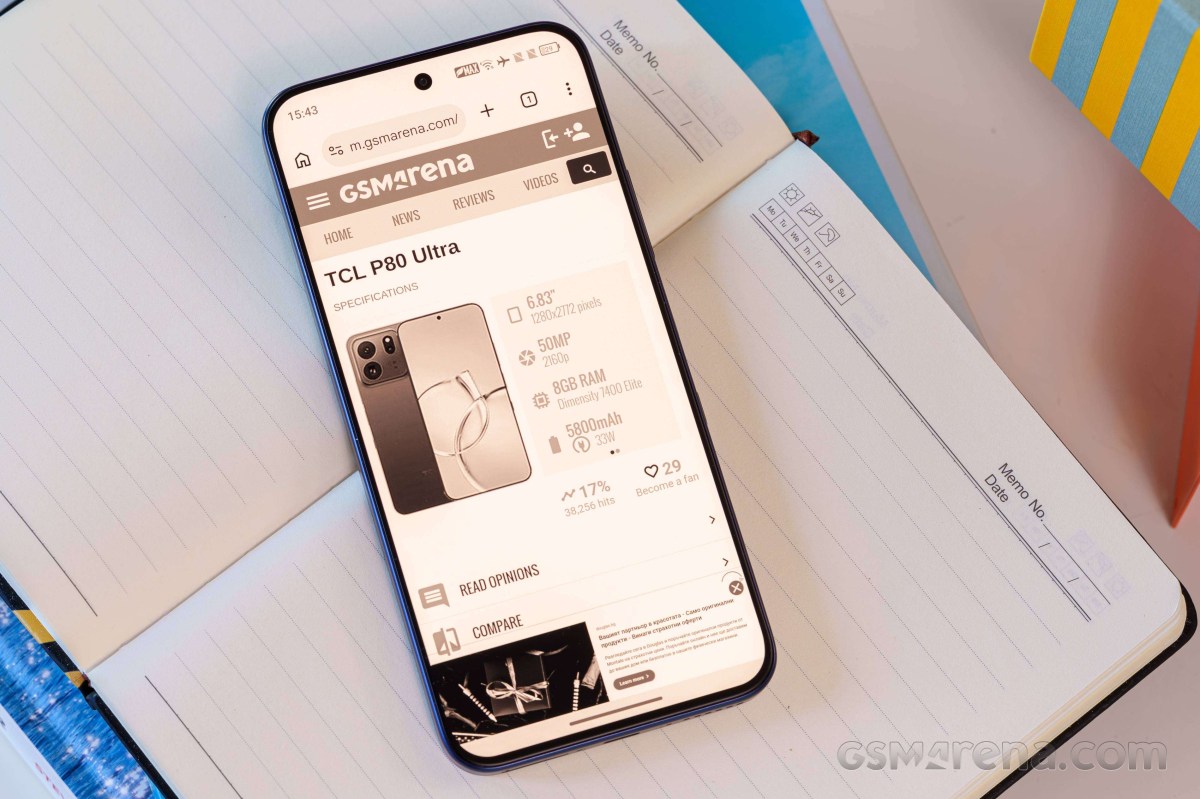
Usability is further enhanced by thoughtful software-hardware integration. For instance, when the device is placed in NxtPaper mode, picking up the physical chassis automatically illuminates and unlocks the screen, bypassing the need to manually press a power button or activate an under-display biometric sensor. While industry critics have noted that the device does not automatically lock and extinguish the display when set down—a feature that could further optimize battery longevity—the current implementation remains largely intuitive.
Market Implications and Industry Outlook

The commercial launch of the TCL P80 Ultra represents a significant milestone in mobile display engineering. By successfully merging the high-performance attributes of modern AMOLED panels with the ocular comfort and battery efficiency of electronic paper, TCL has carved out a unique niche in a highly saturated smartphone market.
Priced competitively between €550 and €600, the P80 Ultra challenges legacy manufacturers to reconsider how display technology can serve specialized consumer demands—particularly the growing demographic seeking digital wellness tools without sacrificing the core capabilities of a modern smartphone. As consumer reception unfolds, the success of the P80 Ultra may well dictate whether anti-glare matte displays and physical reading mode toggles become standard features across future mobile generations.
Related posts: