The 9to5Google Best of 2026 Awards: Defining a Year of Efficiency and Pragmatism in Consumer Technology

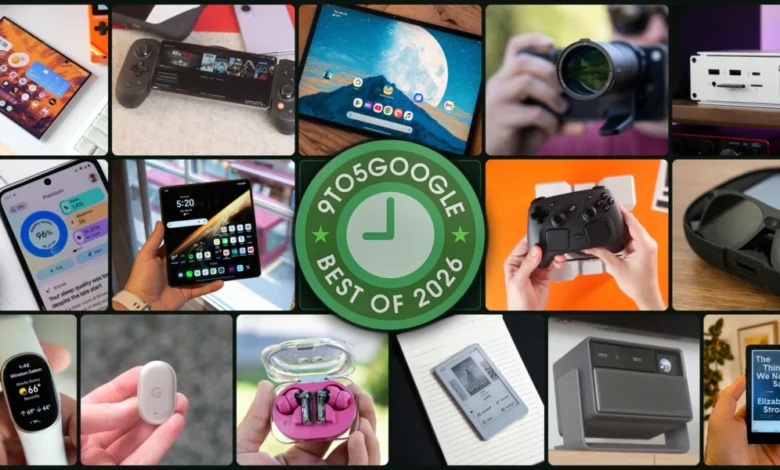
The calendar year 2026 will be remembered in the technology industry as the era of the "RAMageddon" fallout, a twelve-month period defined by supply chain constraints, inflated manufacturing costs, and a radical shift in consumer priorities. As the cost of high-performance hardware surged, the market moved away from experimental excess toward a culture of deliberate, refined iteration. Throughout 2026, reviewers evaluated dozens of products, finding that the most successful devices were those that prioritized long-term utility, battery optimization, and ergonomic design over flashy, gimmicky features. This retrospective highlights the hardware that stood out in a year where every dollar spent was scrutinized by an increasingly cautious consumer base.

The defining economic catalyst of the year was the industry-wide memory shortage, which forced manufacturers to optimize software performance to compensate for hardware limitations. This environment necessitated a pivot: companies stopped competing on raw specifications and started competing on the "cost-to-value" ratio. From the minimalist Fitbit Air to the powerhouse XGIMI Horizon 30 Pro, the products recognized here share a common philosophy—the belief that the best hardware is that which integrates seamlessly into the user’s life without requiring constant maintenance or excessive financial investment.

A Chronology of Innovation and Iteration
The product landscape of 2026 began to take shape in the spring. By early May, the market saw the launch of the Steam Controller (2026) and the Fitbit Air, signaling a dual trend toward specialized gaming peripherals and "background" health tracking. As the year progressed, the focus shifted toward high-end mobile computing and immersive display technology. By August, the release of the Samsung Galaxy Z Fold 8 solidified the foldable smartphone’s transition from a niche luxury to a refined, daily-use tool. The final quarter of the year saw a rush of accessory and peripheral launches, such as the Google Pixel Tag and the XREAL Aura, rounding out an ecosystem-heavy close to the year.

Health and Wearables: The Shift to Subtle Monitoring
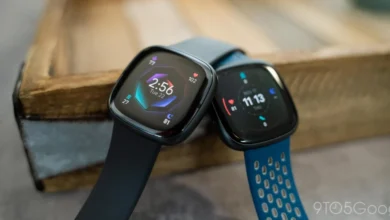
The Fitbit Air, released on May 26, represents a significant departure from the trend of screen-heavy, notification-saturated smartwatches. By stripping away the display, Google’s hardware team created a device that prioritizes passive data collection. In an age of digital fatigue, the Air’s ability to track health metrics without tethering the user to a digital dashboard proved highly popular. Priced at $99.99, it set a benchmark for affordable, unobtrusive wellness tracking.

In contrast, the Fitbit Edge, arriving in late October at a $179.99 price point, served those who require immediate feedback. Featuring an always-on display with a design language heavily inspired by the Pixel Watch, the Edge demonstrated that there is still a robust market for wrist-based devices that prioritize utility and time-keeping alongside complex biometric monitoring.

The Evolution of Mobile Computing and Gaming
Gaming hardware in 2026 was defined by the struggle to balance performance with portability. The Steam Controller (2026), priced at $99, became the definitive tool for PC gamers who value the deep customization of Steam Input. By adopting ergonomic principles from the Steam Deck, Valve succeeded in creating a device that felt familiar to mobile gamers while providing the precision required for desktop-class titles.

The introduction of DroidDeck further disrupted the mobile gaming sector. By utilizing advanced translation layers like FEX and Proton, DroidDeck allowed mobile devices to execute software originally compiled for x86 architectures. This development has effectively narrowed the performance gap between dedicated handheld consoles and flagship smartphones, providing a viable, free alternative for power users.

Meanwhile, the mobile phone market saw the refinement of the foldable form factor. The Samsung Galaxy Z Fold 8 and the Honor Magic V6 were the standout performers of the year. The Z Fold 8, retailing at $1,899.99, introduced a more flexible aspect ratio that improved the utility of its inner display, while the Honor Magic V6, priced at approximately $1,720, pushed the boundaries of durability. The Magic V6’s ability to survive environmental stress tests—including accidental immersion—demonstrated that foldable technology has finally reached a level of maturity that supports everyday, rugged use.

Immersive Technology and Home Cinema
The XREAL Aura, launched in November 2026 for $1,099, emerged as the most promising entry in the burgeoning Android XR space. By opting for a lightweight glasses form factor over the bulky head-mounted displays typical of VR, XREAL has managed to make augmented reality feel like a practical utility for remote work and entertainment. While hand-gesture controls remain an area for future improvement, the Aura’s ability to project high-resolution, floating windows provides a glimpse into the future of spatial computing.

For home entertainment, the XGIMI Horizon 30 Pro ($2,499) established itself as the premier choice for enthusiasts. Its inclusion of Variable Refresh Rate (VRR) support, combined with an intelligent, swiveling base and Google TV integration, allows it to function as a seamless hybrid between a home cinema projector and a high-end gaming display.

Ecosystem Integration and Peripheral Excellence
The latter half of the year focused on the "Find Hub" ecosystem and desk productivity. The Google Pixel Tag ($29.99) finally provided a first-party, integrated solution for location tracking, benefiting from the robust infrastructure of the Find Hub network. Unlike third-party alternatives, the Pixel Tag’s design and software integration offered a cohesive experience that reinforced Google’s commitment to its hardware ecosystem.

Productivity enthusiasts found relief in the Keychron Thunderbolt 5 Dock (14-in-1). At $349.99, this peripheral became an essential component for power users juggling multiple devices, including Windows PCs, Macs, and the newly launched Googlebook line. By consolidating power, data, and display connectivity into a single, high-speed interface, Keychron addressed a critical pain point for the modern remote workforce.

Finally, the Amazon Alexa Tablet 12 Pro ($499.99) represented a surprising pivot for Amazon. By abandoning the restrictive "Fire" branding and adopting a more standard Android interface, Amazon successfully positioned the 12 Pro as a legitimate contender to the base-model iPad. Its nanomatte display and 8GB of RAM set a new standard for mid-range tablets, proving that consumer-friendly pricing does not necessarily require a compromise in hardware quality.

Industry Implications and Conclusion
The trends of 2026 suggest a more mature technology market. The dominance of products that offer specific, high-quality solutions—such as the Onyx Boox Picco for e-reading or the Nothing Ear (3a) for audio—indicates that consumers are increasingly seeking "focused" technology. This move away from "all-in-one" devices that attempt to do everything poorly, toward specialized devices that perform one task exceptionally well, is a direct response to the economic pressures of the year.

As we look toward 2027, the success of these products suggests that manufacturers who continue to invest in iterative design, software stability, and ergonomic accessibility will be the best positioned to capture market share. The 2026 cohort of "best-of" products serves as a testament to the industry’s resilience and its ability to adapt to a more demanding and cost-conscious global consumer base.