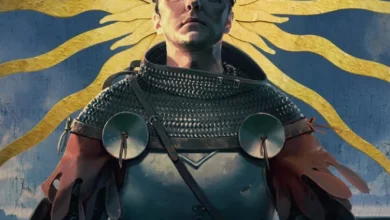
Playground Games explains how the industry evolution of RPGs influenced the development of the upcoming Fable reboot

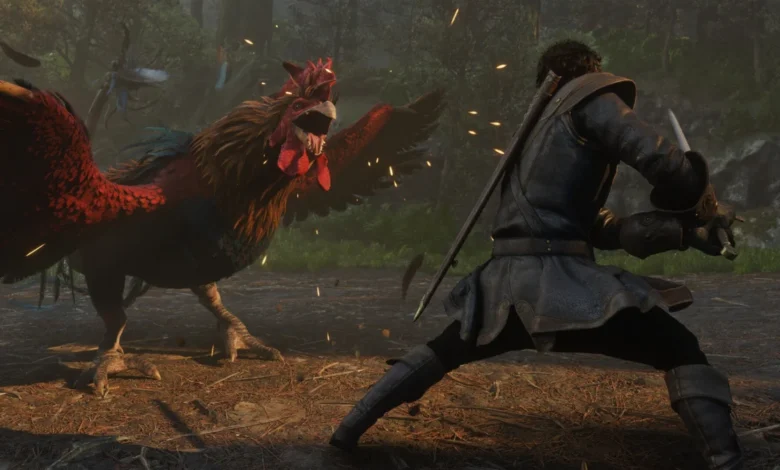
The decade-long journey to revive the Fable franchise has been a transformative experience for Playground Games, a studio previously best known for its mastery of the arcade racing genre through the Forza Horizon series. As the developer prepares to release the highly anticipated Fable reboot, studio leadership has opened up about the immense pressure and technological shifts that have reshaped the project’s scope. According to Ralph Fulton, founder and general manager of Playground Games, the studio had to look beyond the legacy of Lionhead’s original trilogy to meet the rigorous demands of the modern gaming landscape, citing titles like The Witcher 3: Wild Hunt as pivotal benchmarks that redefined player expectations for the open-world RPG genre.
A Decade of Transformation and Development Challenges
The history of the Fable reboot is marked by significant industry evolution. When the project was first conceptualized, the landscape of role-playing games was vastly different. Following the closure of Lionhead Studios in 2016, the intellectual property remained dormant for several years, leaving a void for fans of its distinct blend of satire, whimsy, and moral consequence. When Microsoft officially announced the reboot in 2020, it signaled a new chapter for the franchise, but it also presented a daunting task for a studio that had to build an entirely new team capable of handling a massive narrative-driven project.
Unlike the Forza Horizon series, which benefited from a consistent technological foundation and a singular focus, Fable required the assembly of a new team and the development of new systems designed to capture the "fairytale" essence of Albion while adhering to modern standards of visual fidelity and systemic depth. This transition from racing to high-fantasy RPG development has been a multi-year effort to reconcile the classic spirit of the series with the technical requirements of current-generation hardware.
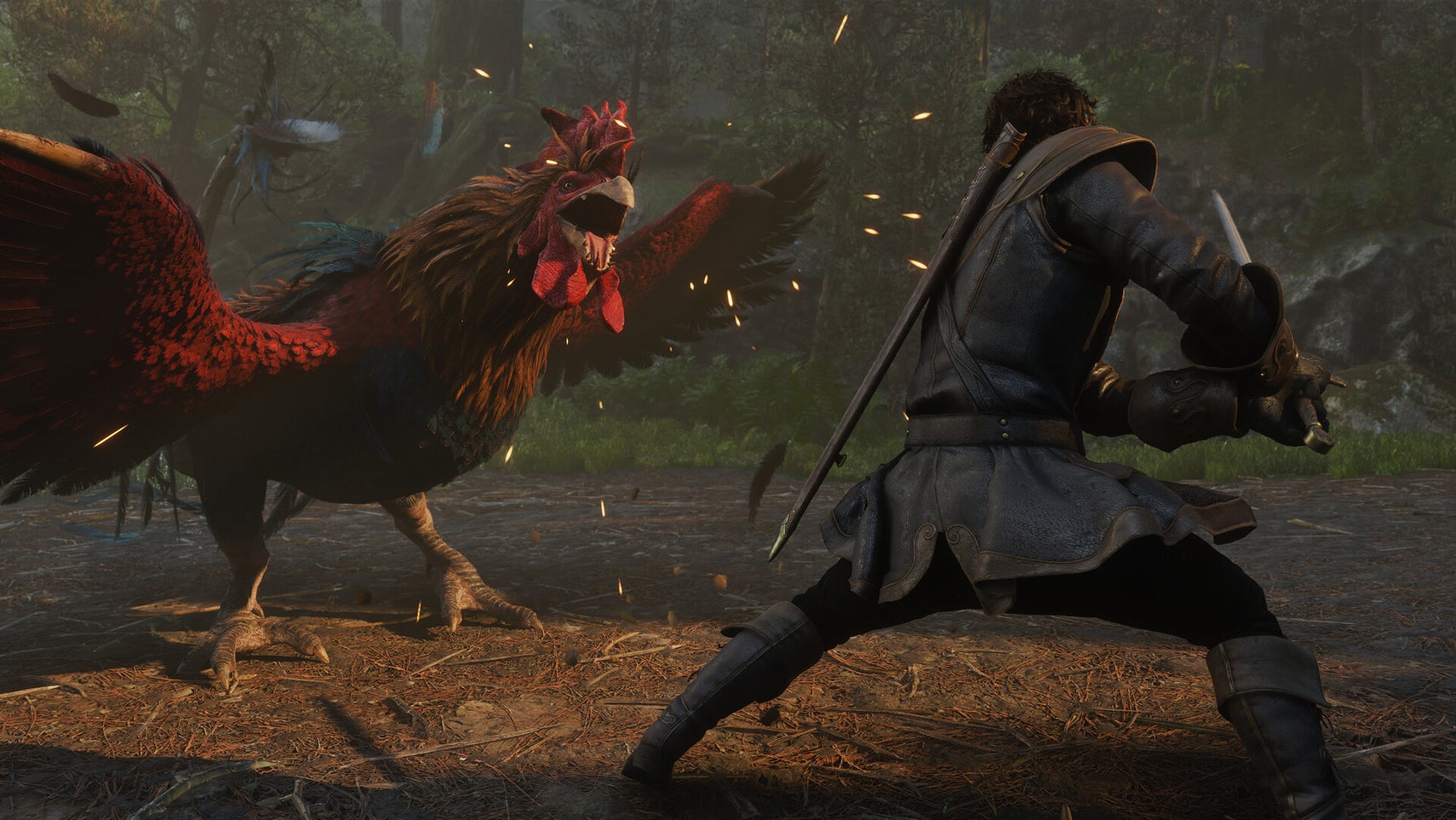
The Impact of Industry Benchmarks
In a recent discussion with GamesIndustry.biz, Ralph Fulton highlighted how external factors fundamentally altered the vision for the reboot. The release of CD Projekt Red’s The Witcher 3: Wild Hunt in 2015 acted as a seismic shift in the RPG market. Its expansive world, branching narratives, and complex character interactions set a new "gold standard" for what players expected from AAA open-world titles.
Fulton explained that Playground Games could not operate in a vacuum. As The Witcher 3 raised the bar for narrative depth, other major franchises also pivoted to meet these new standards. The Assassin’s Creed series, for instance, transitioned from a stealth-action format to a more robust, RPG-heavy structure with the release of Origins, Odyssey, and Valhalla. This "quasi-RPG" evolution further solidified the industry’s shift toward larger, more immersive worlds where player choice and character progression are paramount.
"All of these games continue to reset player expectations," Fulton stated. For a studio stepping into the shoes of a beloved but dormant franchise, the pressure to not only match these industry titans but to also honor the legacy of the original games was substantial. Relying solely on the mechanics of the original Fable trilogy—while charming—would have likely resulted in a product that felt dated to modern consumers accustomed to the seamless, dense, and reactive worlds seen in modern competitors.
Balancing Legacy with Modernity
Despite the influence of modern design philosophies, Playground Games has maintained that the core identity of Fable remains the bedrock of the new title. The studio is not attempting to turn Fable into a grim, dark-fantasy simulator. Instead, they are doubling down on the specific characteristics that made the original games iconic: the signature British wit, the eccentric character designs, and the fluid morality system that allows players to physically manifest their choices through their character’s appearance.

One area where Playground Games believes they have a distinct advantage is in the game’s systemic simulation. Fulton emphasized that while other games have dabbled in economic or social simulations, few have integrated them into an RPG framework with the same level of accessibility and whimsy as Fable. The franchise’s ability to act as a "life sim"—where players can purchase property, start families, and influence the world around them—is a unique differentiator. In the upcoming reboot, NPCs are expected to react to these systemic choices in more believable and dynamic ways, potentially increasing the game’s replayability and long-term engagement.
The Evolution of the RPG Landscape: A Chronology of Influence
The development of the Fable reboot sits at the intersection of several key gaming milestones:
- 2004–2010: The golden era of Lionhead’s original Fable trilogy, establishing the "Albion" brand and the series’ unique blend of humor and moral binary systems.
- 2015: The release of The Witcher 3: Wild Hunt. This game serves as the primary pivot point for open-world design, forcing developers across the industry to re-evaluate their scope and narrative complexity.
- 2016: The closure of Lionhead Studios by Microsoft. The Fable IP enters a period of uncertainty.
- 2017–2020: Ubisoft’s transformation of the Assassin’s Creed franchise into a massive, open-world RPG format further cements the standard for large-scale, content-heavy titles.
- 2020: Official announcement of the Fable reboot developed by Playground Games.
- 2024 and Beyond: The anticipated release window for the new Fable, which must now contend with a market saturated by high-quality RPG experiences.
Implications for the Future of Fable
The decision to lean into the series’ idiosyncratic features while adopting the structural polish of modern open-world games carries both risks and rewards. On one hand, the studio risks alienating purists if the tone shifts too far toward the "modern" RPG style popularized by titles like The Witcher. On the other hand, failing to modernize the gameplay mechanics would likely lead to poor reception in a marketplace that has evolved significantly since the release of Fable III in 2010.
Fact-based analysis suggests that Playground Games is pursuing a "hybrid" strategy. By leveraging their proven technical expertise in creating lush, beautiful environments—a skill honed through the Forza Horizon series—and combining it with the deeply systemic nature of the original Fable, they are aiming to create a product that feels both nostalgic and contemporary.

The success of the project will largely depend on the "NPC interaction" layer. Modern players expect characters to have schedules, unique reactions to player behavior, and a sense of life that extends beyond scripted narrative events. If Playground can successfully implement a robust social and economic simulation that feels organic rather than mechanical, they may succeed in carving out a niche that even the most successful modern RPGs have yet to fully occupy.
Conclusion
The development of Fable represents a significant evolution in strategy for Playground Games. By acknowledging the monumental impact of industry leaders like The Witcher 3 and the modern Assassin’s Creed titles, the studio has demonstrated a clear-eyed understanding of the competitive landscape. While the path to release has been long and fraught with the challenges of building a new team, the focus on integrating the series’ classic British humor and life-simulation mechanics with the polish of a modern, large-scale RPG suggests a title that is well-positioned to bridge the gap between legacy fans and a new generation of players. As the release approaches, the industry will be watching closely to see if this marriage of classic charm and modern technological ambition proves to be the definitive formula for the series’ return.