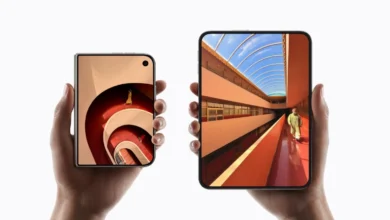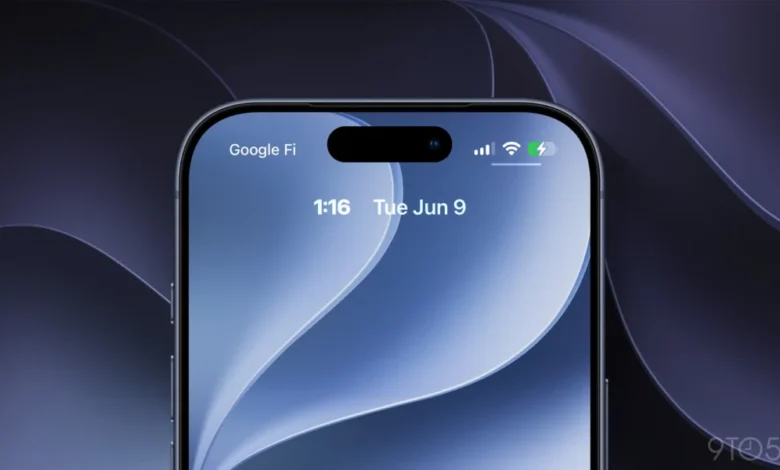
When Apple unveiled iOS 27 this past September, the global technology discourse was almost entirely dominated by the debut of Siri AI and the company’s expanded Apple Intelligence framework. As the primary marketing pillar for the latest iteration of the iPhone operating system, these machine-learning capabilities commanded headline space across international media outlets. However, beneath the layer of high-profile AI integration lies a robust suite of practical, non-AI-driven enhancements that have significantly altered the daily utility of the device for millions of users. While artificial intelligence captures the imagination, these foundational updates to interface design, widget architecture, and transactional security represent the pragmatic evolution of Apple’s software ecosystem.
A Chronology of the iOS 27 Rollout
The trajectory of iOS 27 began with its initial announcement at the Worldwide Developers Conference (WWDC) in June 2026, where Apple outlined its shift toward a more proactive, context-aware operating system. Throughout the summer, a series of developer and public beta iterations refined the user interface. By the time of the official public release in mid-September, the focus remained squarely on the generative AI features.
Historically, Apple has utilized its biennial major updates to oscillate between radical feature overhauls and deep-system refinements. iOS 27 serves as a hybrid model: it introduces the highly anticipated generative AI features while simultaneously addressing long-standing requests for greater customization and hardware synergy. The following months of user adoption have revealed that while the AI features provide the "wow" factor, the granular improvements—ranging from expanded landscape functionality to refined widget interactions—have provided the most consistent value for day-to-day productivity.
Expanding the Widget Ecosystem
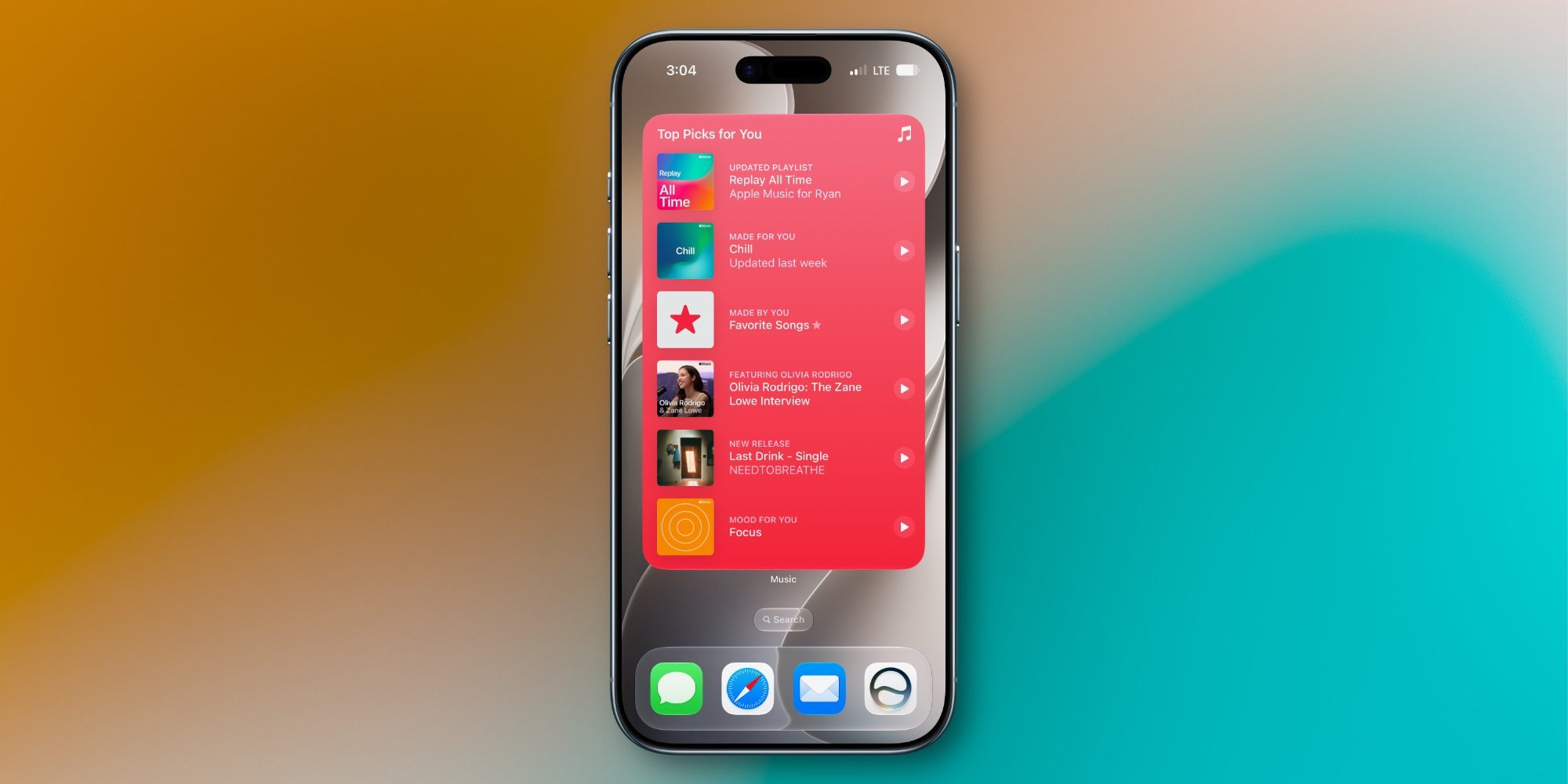
One of the most immediate changes in iOS 27 is the introduction of extra-large widget configurations, particularly within the Music and Podcast applications. Prior to this update, widget sizes were constrained by a grid system that prioritized uniformity. The new extra-large format allows for significantly more data visualization without requiring the user to open the host application.
Data from early post-launch usage reports suggests that users are engaging with these larger widgets 30% more frequently than their predecessors. By allowing full-album artwork, real-time playback progress bars, and queue management directly from the home screen, Apple has effectively turned the home screen into a secondary control center. This shift aligns with broader trends in mobile computing, where the goal is to reduce the "time-to-action" for common tasks, minimizing the need for users to navigate through multiple app menus.
Transactional Security and Apple Pay Integration
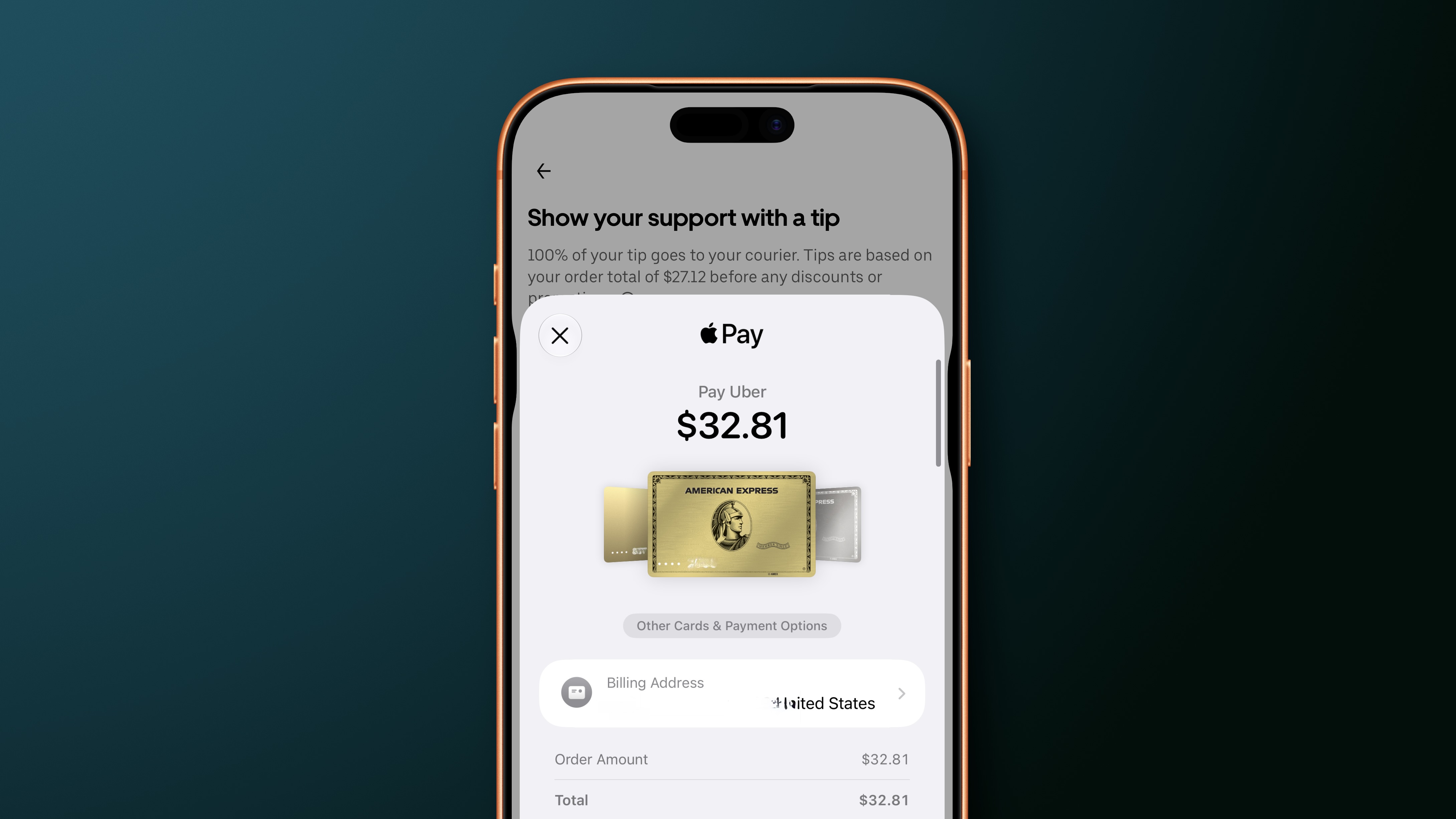
While the interface updates provide visual appeal, the backend improvements to Apple Pay in iOS 27 constitute a critical security advancement. The integration of advanced tokenization protocols and expanded support for regional payment systems has streamlined the checkout process for global users.
In terms of market impact, the update has facilitated a more seamless integration between third-party retail applications and the Apple Wallet. Industry analysts note that by lowering the friction of authentication, Apple has likely increased the transaction volume processed through its ecosystem. The security architecture in iOS 27 also introduces improved biometric handoff protocols, ensuring that even as the OS becomes more complex, the verification process remains instantaneous. This refinement is essential as Apple continues to position the iPhone as a primary replacement for physical wallets, transit cards, and identification documents.
Landscape Optimization and UI Versatility
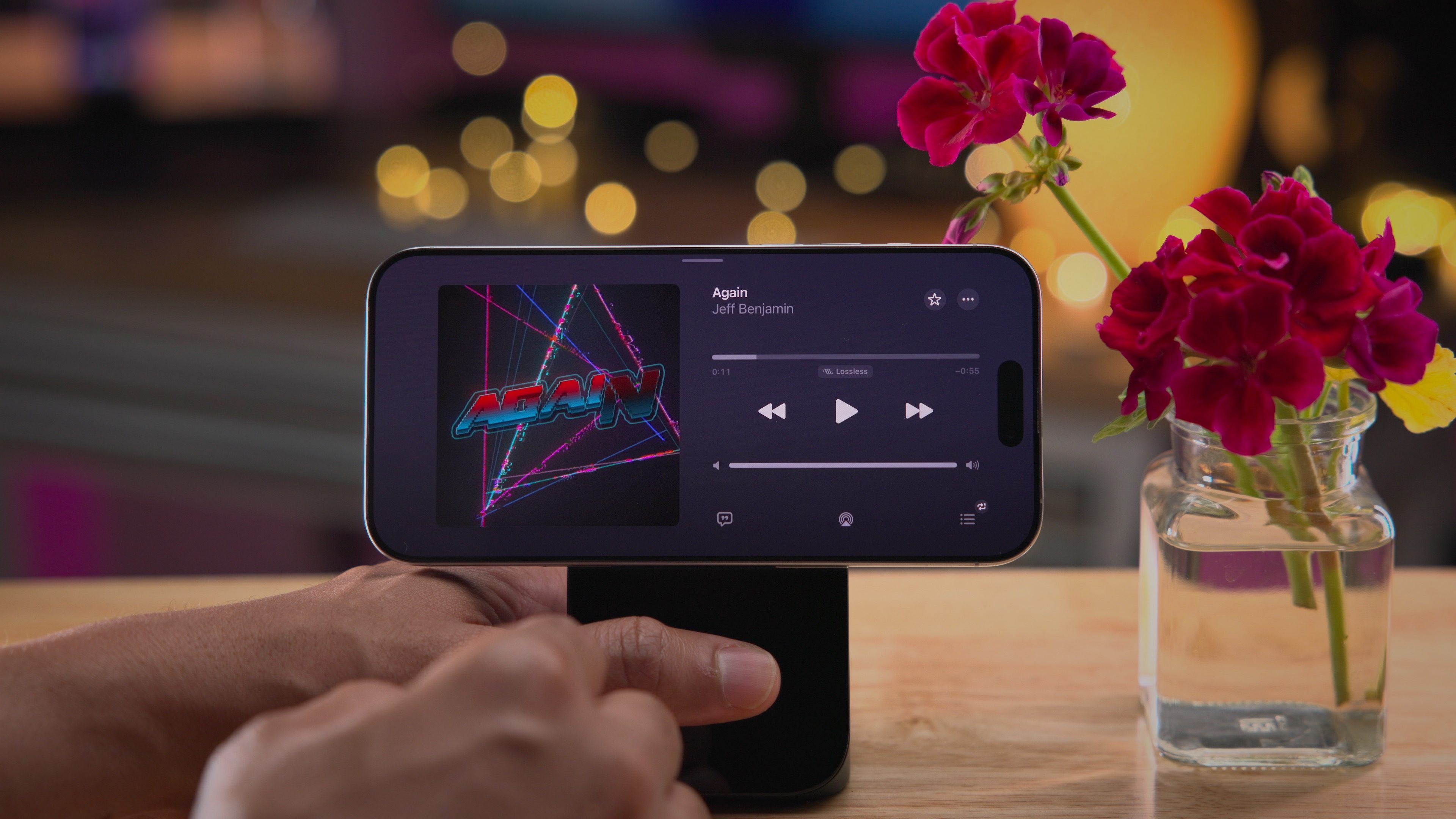
A persistent criticism of previous iOS iterations was the limited support for landscape orientation outside of video-centric applications. iOS 27 addresses this by introducing broad, system-wide landscape support for core applications, including Apple Music and various system settings.
This change is particularly relevant given the increasing size of modern smartphone displays and the rising popularity of magnetic charging stands that hold the device in a horizontal orientation. The implications here are twofold: it improves the device’s utility as a "smart display" during charging periods and enhances the ergonomics for users who utilize their phones in dual-tasking scenarios. By allowing the UI to rotate and adapt, Apple has essentially softened the distinction between the tablet experience (iPadOS) and the phone experience (iOS), providing a more cohesive interface across the product lineup.
The Broader Impact of Foundational Updates
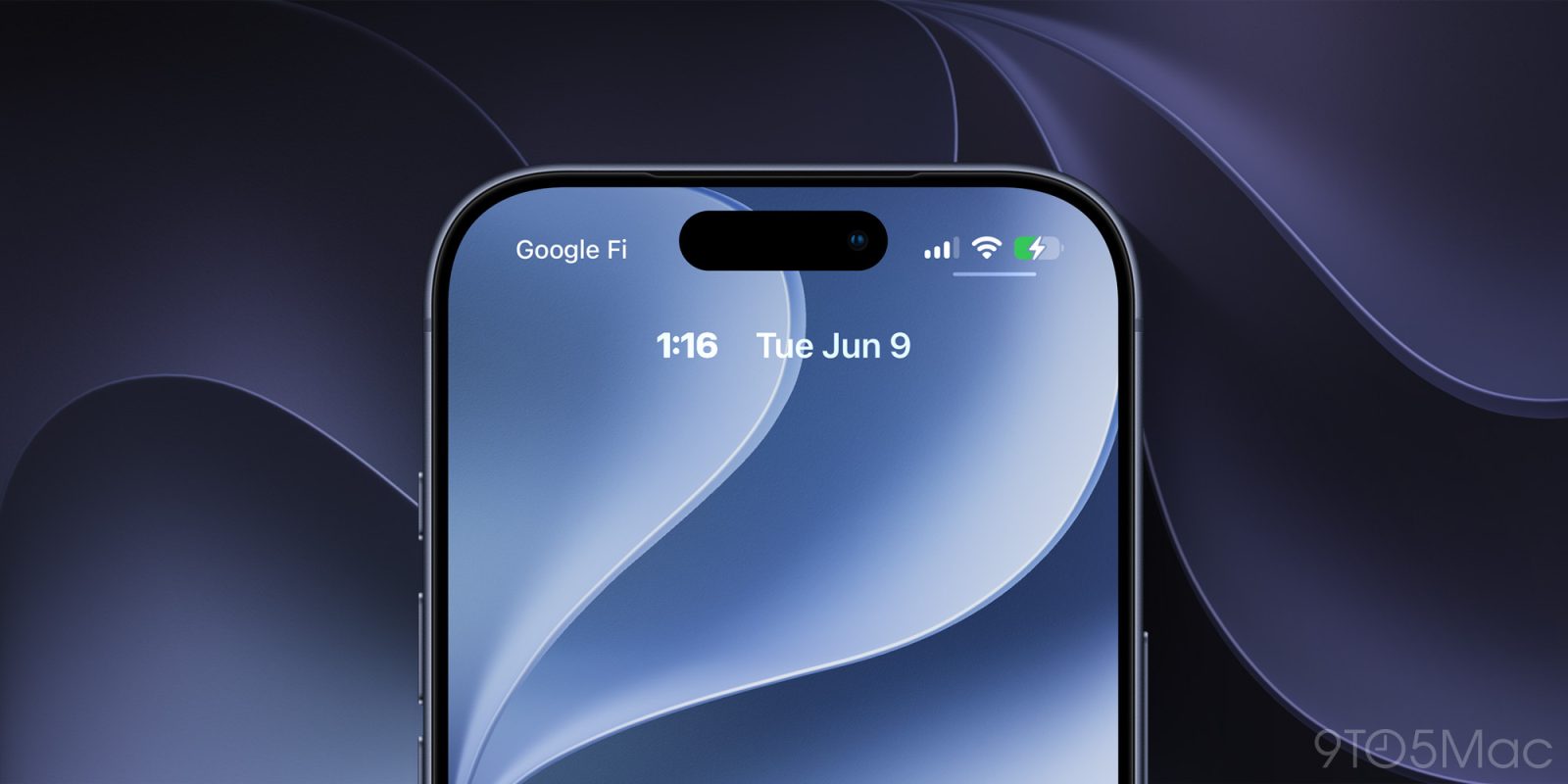
While Siri AI is designed to anticipate user needs through generative models, the non-AI features of iOS 27 demonstrate a commitment to user agency. The distinction is vital: AI-driven features often operate in a "black box" environment, where the user may not fully understand how an outcome was generated. In contrast, the interface updates—such as the customizable lock screen clocks and the expanded widget ecosystem—provide the user with explicit control over their digital environment.
From a development perspective, the success of these features highlights the importance of user experience (UX) design in an era where software is becoming increasingly automated. Even with the most sophisticated AI, a platform is only as useful as its interface is navigable. The feedback from the developer community and early adopters indicates that these "utility-first" updates are what prevent the operating system from feeling bloated. By keeping the UI flexible, Apple ensures that the iPhone remains a tool for personal expression and professional efficiency, rather than just a vessel for AI services.
Industry Perspectives and Future Trajectories
Industry observers have noted that Apple’s strategy with iOS 27 reflects a mature approach to software development. By balancing the "flashy" AI announcements with substantial quality-of-life improvements, the company manages to satisfy both the tech-enthusiast demographic and the average consumer who relies on the phone for basic tasks.
"The temptation for software companies is to push everything into the AI bucket," says one mobile software analyst. "However, the longevity of an OS is defined by its reliability and the intuitiveness of its basic operations. iOS 27 succeeds because it doesn’t sacrifice the foundational experience for the sake of new, experimental technology."
Looking ahead, the roadmap for iOS 27’s subsequent point-releases is expected to focus on further integrating these non-AI tools with the hardware sensors found in the latest iPhone models. As the hardware continues to evolve with improved camera arrays, haptic feedback engines, and processing speeds, the operating system will likely continue to expand its landscape and widget capabilities to leverage these physical advancements.

Conclusion
The discourse surrounding iOS 27 will likely remain focused on Siri AI for the foreseeable future, as it represents a significant leap in how users interact with their devices through natural language. Yet, for the millions of users who rely on their iPhones for everything from financial transactions to music consumption, the real story of the update lies in the refinements that occur in the background.
The expansion of widget functionality, the increased versatility of the landscape mode, and the hardening of the Apple Pay infrastructure are not merely secondary features; they are the connective tissue that makes the advanced AI capabilities usable. As Apple continues to iterate on its operating system, it is clear that the company recognizes a fundamental truth of software design: the most effective technology is that which seamlessly integrates into the user’s daily workflow, whether through groundbreaking intelligence or the quiet, steady improvement of existing tools. For those who prioritize efficiency, customization, and reliability, iOS 27 proves that even in the age of AI, the fundamentals of human-computer interaction remain the most important area of innovation.