Apple Pioneers AI-Powered "Live Notes" System to Revolutionize Genius Bar Customer Service and Employee Efficiency


Apple is reportedly piloting an innovative "Live Notes" system at select retail locations, leveraging artificial intelligence to record and transcribe Genius Bar sessions with customers. This ambitious initiative, first reported by Mark Gurman in Bloomberg’s Power On newsletter, aims to streamline the customer service experience by allowing Apple Store employees to focus more intently on customer interaction rather than manual note-taking. The system captures and transcribes conversations, subsequently generating a summarized version that is then saved to Apple’s internal Genius Bar system. This strategic deployment marks a significant step in integrating advanced AI functionalities into Apple’s renowned retail operations, reflecting a broader industry trend towards intelligent automation in customer-facing roles.
System Mechanics and Operational Objectives
The "Live Notes" system is designed to seamlessly integrate into the existing Genius Bar workflow. When a customer arrives for a support session, the system, upon mutual consent from both the customer and the Apple employee, begins recording the conversation. The AI then processes this audio in real-time or near real-time, transcribing the dialogue and subsequently generating a concise summary. This summary, along with the full transcript, is then made available to the employee. Crucially, employees retain the ability to review and edit both the transcript and the summary before they are finalized and saved to the internal Genius Bar database. This editing capability is a key feature, intended to ensure accuracy and allow for human oversight of the AI’s output, addressing potential concerns about automated information capture.
Apple’s primary objective behind implementing "Live Notes" is to enhance the efficiency and quality of customer service. By offloading the task of meticulous note-taking to an AI, employees, particularly the highly skilled Genius Bar technicians, are expected to dedicate more undivided attention to diagnosing issues, explaining solutions, and building rapport with customers. This shift in focus is anticipated to lead to more personalized interactions, reduced session times, and ultimately, higher customer satisfaction. In the fast-paced environment of Apple Stores, where customer traffic can be substantial, optimizing every interaction is paramount. The system also aims to create a more consistent and comprehensive record of customer interactions, which can be invaluable for subsequent follow-ups or for understanding recurring issues across different customer visits. This structured data can also potentially inform future product development and service improvements by providing granular insights into common problems and customer feedback.
Employee Concerns and Company Assurances
Despite the stated benefits, the piloting of the "Live Notes" system has not been met without apprehension among some Apple retail employees. The introduction of AI-powered recording and transcription in a work environment often raises questions about privacy, surveillance, and the potential impact on job performance evaluations. Employees reportedly voice concerns that these detailed recordings and transcripts could eventually be utilized for performance coaching, disciplinary actions, or even factored into performance reviews, thereby transforming a tool meant for efficiency into a mechanism for heightened scrutiny. This type of worry is common when new monitoring technologies are introduced into workplaces, reflecting a broader societal debate about workplace surveillance and employee rights.

In response to these concerns, Apple has reportedly provided specific assurances to its retail workforce. The company has indicated that the raw audio recordings themselves will not be saved, addressing a significant privacy concern. Furthermore, managers will not directly receive the transcripts or summaries, theoretically mitigating fears about direct managerial oversight via these recordings. The emphasis on the opt-in nature of the program for both employees and customers, coupled with the employee’s ability to edit the AI-generated content, is positioned as a safeguard against misuse. These assurances are critical for fostering employee trust and ensuring a smoother adoption of the new technology. Without employee buy-in, even the most innovative systems can face significant resistance and undermine their intended benefits. The company’s communication strategy around these new tools will be vital in balancing productivity goals with employee well-being and privacy expectations.
The Broader Context: AI in Retail and Customer Service
The introduction of "Live Notes" by Apple is not an isolated event but rather a reflection of a wider industry trend towards the integration of artificial intelligence into retail and customer service operations. Businesses across various sectors are increasingly adopting AI and machine learning technologies to enhance efficiency, personalize customer experiences, and gain deeper insights from operational data. AI-powered chatbots, virtual assistants, predictive analytics, and automated transcription services are becoming commonplace, transforming how companies interact with their clientele and manage internal processes.
The global market for AI in customer service is experiencing rapid growth, driven by the demand for improved operational efficiency, cost reduction, and enhanced customer satisfaction. Industry reports project this market to reach tens of billions of dollars within the next few years. Companies are leveraging AI for tasks ranging from automated FAQ responses and routing customer queries to sophisticated sentiment analysis and proactive customer outreach. The goal is often twofold: to automate repetitive tasks, freeing human agents for more complex interactions, and to provide human agents with tools that augment their capabilities, making them more effective. Apple’s "Live Notes" system falls squarely into this latter category, serving as an augmentation tool for its Genius Bar employees, rather than a replacement. This approach aligns with a strategy that values human expertise while leveraging technology to remove tedious burdens.
The Genius Bar Evolution: A Pillar of Apple’s Retail Strategy
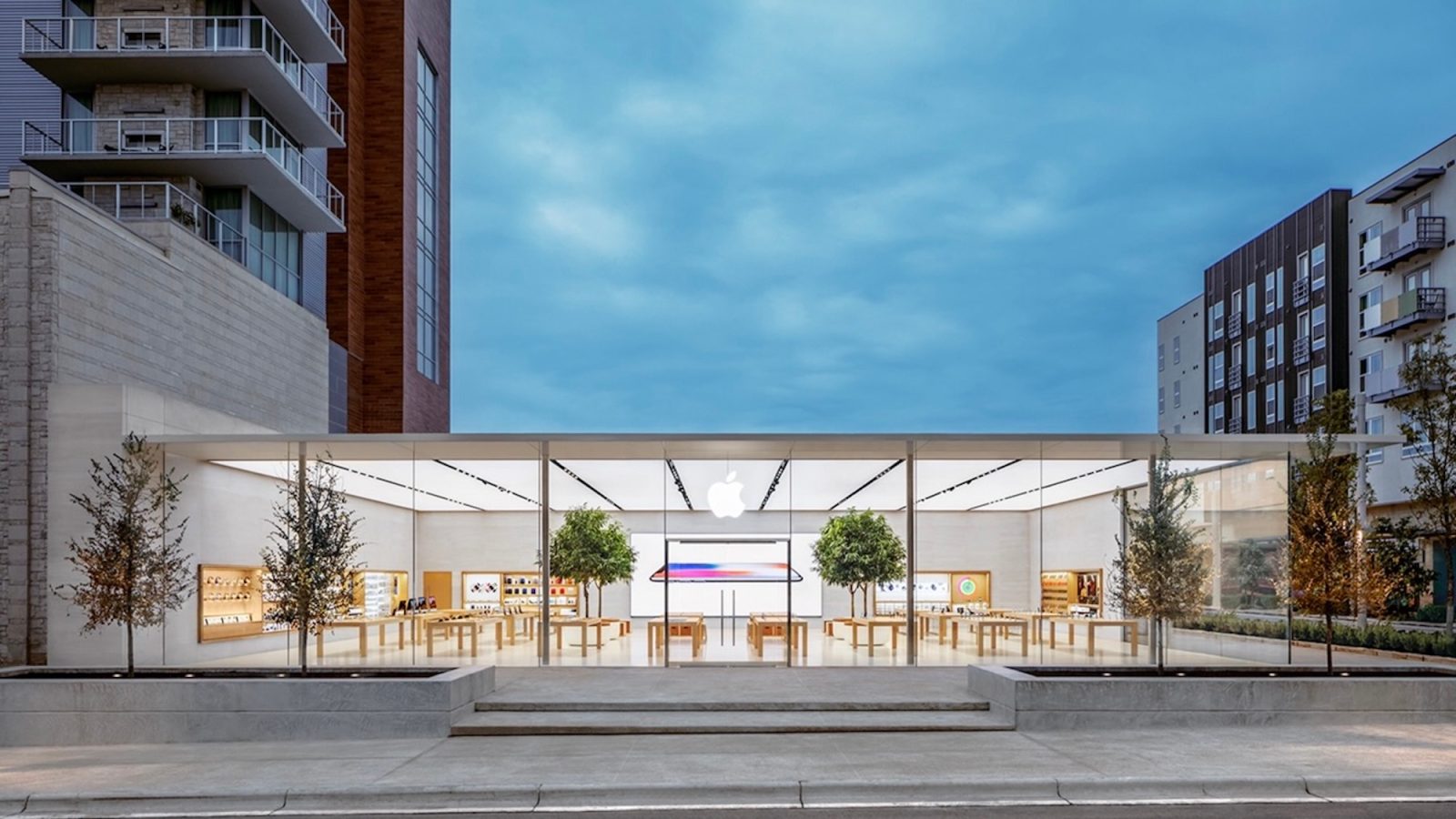
The Genius Bar has been a cornerstone of Apple’s retail strategy since its inception in 2001. Conceived as a dedicated space within Apple Stores where customers could receive personalized technical support, troubleshooting, and advice from highly trained "Geniuses," it quickly became a distinctive feature that set Apple’s retail experience apart. Unlike traditional electronics stores where support might be fragmented or outsourced, the Genius Bar offered direct, in-person expert assistance, fostering customer loyalty and enhancing brand perception.
Over the years, the Genius Bar has evolved, adapting to new product lines, increasing customer demands, and technological advancements. What began as a relatively simple concept has grown into a sophisticated operation, managing millions of customer interactions annually worldwide. The success of the Genius Bar lies not only in the technical proficiency of its staff but also in the emphasis on a positive, problem-solving customer experience. The informal, approachable nature of the Genius Bar, combined with the comprehensive support offered, has played a significant role in solidifying Apple’s reputation for premium customer service. The integration of "Live Notes" can be seen as the latest iteration in this ongoing evolution, seeking to modernize the support process while preserving the core values of personal connection and expert assistance that define the Genius Bar experience. This move also highlights Apple’s continuous investment in its physical retail presence, even as digital channels proliferate.
Privacy Implications and Apple’s Stance
Apple has long positioned itself as a champion of user privacy, often contrasting its policies with those of other tech giants that rely heavily on data monetization. This strong stance on privacy is deeply embedded in its product design, marketing, and corporate philosophy. Therefore, the introduction of a system that records customer conversations, even with explicit consent, immediately raises questions about how this aligns with Apple’s established privacy principles.
The company’s reported assurances regarding "Live Notes"—that recordings themselves won’t be saved, managers won’t receive transcripts, and the system is opt-in—are critical for maintaining its privacy reputation. The opt-in requirement is particularly important, as it places the decision to participate directly in the hands of both the customer and the employee. This voluntary nature distinguishes it from mandatory recording systems that might be perceived as more intrusive. Furthermore, the fact that employees can edit the AI-generated output provides a layer of human control over the final data, potentially mitigating concerns about AI errors or misinterpretations being permanently logged without review.
However, even with these safeguards, the very act of transcribing sensitive technical discussions, which might include personal device usage patterns or private data points, necessitates robust data security protocols. Apple would need to ensure that the transcribed data, even if anonymized or aggregated, is handled with the utmost care, protected from breaches, and used strictly for its stated purpose of improving service, not for profiling or other unintended uses. The perception of privacy, even more than the technical implementation, will be key for customer acceptance. If customers perceive the system as a violation of their privacy, regardless of the technical safeguards, it could negatively impact their willingness to use the Genius Bar or even their overall trust in the Apple brand.
Potential Benefits and Challenges
The "Live Notes" system holds several potential benefits for Apple, its employees, and its customers. For customers, it could lead to quicker, more focused service sessions, as Geniuses are less distracted by note-taking. It could also ensure a more accurate and comprehensive record of their visit, which could be beneficial if they need to return for the same issue or if different Geniuses assist them over time. For Apple, the system promises enhanced operational efficiency, better data for service improvement, and a standardized approach to documenting customer interactions. The aggregated, anonymized data from these interactions could provide invaluable insights into product flaws, common user errors, and areas where educational materials or software updates could be improved.
For employees, while initial concerns exist, the system could ultimately reduce administrative burden, allowing them to engage more deeply with technical problem-solving and customer education—the aspects of their job that often provide the most satisfaction. It could also serve as a learning tool, allowing them to review past interactions (if permitted) to refine their communication and technical skills.

However, significant challenges accompany the rollout of such a system. The primary challenge is balancing privacy concerns with the benefits of data capture. Apple must continuously reassure both customers and employees about data handling and usage. Technical accuracy of the AI transcription and summarization is another critical factor; errors could lead to misdiagnoses or misunderstandings, undermining the system’s purpose. The cost of implementing and maintaining such a sophisticated AI system across hundreds of global retail locations could also be substantial. Furthermore, ensuring consistent adoption and correct usage by all employees will require extensive training and ongoing support. Cultural resistance to new technology, especially one that touches on sensitive areas like personal performance, also needs to be managed carefully. If the system is perceived as a "big brother" tool rather than an assistant, it could lead to decreased morale and even resistance to adoption.
Future Outlook and Industry Impact
As of now, "Live Notes" is in a pilot phase, and its future expansion remains "unclear," according to Bloomberg. Apple will undoubtedly be evaluating the pilot program’s success based on a range of metrics, including employee feedback, customer satisfaction scores, operational efficiency gains, and the reliability of the AI technology. The decision to expand the system to more stores, make it mandatory, or modify its features will likely depend on these initial findings.
If the pilot proves successful and Apple decides to roll out "Live Notes" more broadly, it could have a significant impact not only on Apple’s retail operations but also on the wider retail and customer service industry. Apple’s reputation for setting industry trends means that a successful implementation of AI in its Genius Bar could inspire other retailers to explore similar solutions for their in-store customer support. This could accelerate the adoption of conversational AI and transcription technologies in brick-and-mortar retail environments, further blurring the lines between digital and physical customer service experiences. The lessons learned by Apple in managing employee concerns, ensuring privacy, and demonstrating clear value from such a system will be closely watched by competitors and industry analysts alike.
The long-term implications could extend to how retail employees are trained, how customer issues are tracked globally, and even how products are designed based on direct, real-time feedback from support interactions. "Live Notes" represents a bold step for Apple, demonstrating its continued commitment to innovating its customer experience through technology, even in the highly personal realm of face-to-face support. Its success or failure will offer valuable insights into the complex interplay of AI, privacy, and human interaction in the evolving landscape of modern retail.