Google Rolling Out Major November Update for Googlebook to Resolve Memory Management, Hardware, and Security Issues

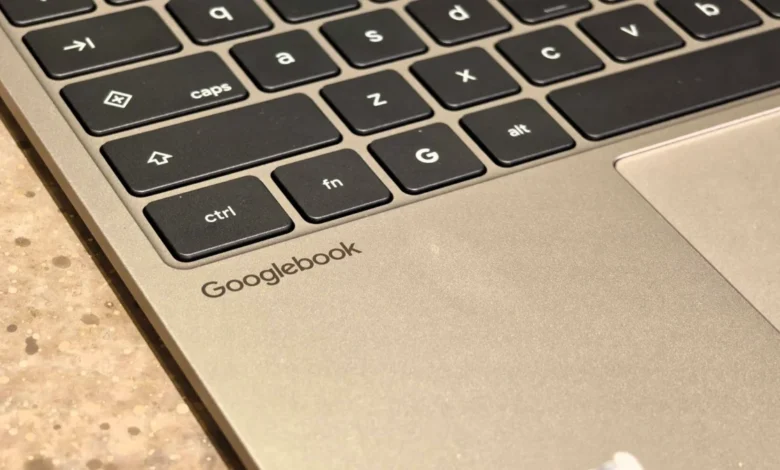
Google has officially commenced the global rollout of its comprehensive November software update for the Googlebook ecosystem, addressing a series of critical performance bottlenecks, hardware integration bugs, and security vulnerabilities that have affected users since the platform’s commercial debut. The latest patch, designated by build number CL3B.260622.286.R2, delivers sweeping optimizations designed to stabilize system performance, refine on-device artificial intelligence resource allocation, and enhance the overall reliability of convertible hardware and external peripherals.
Main Facts and Core Performance Improvements
At the heart of the November release is a major overhaul of how Googlebook manages system memory for its on-device artificial intelligence framework. Prior to this update, background AI processing frequently competed with everyday browser operations and user applications for scarce resources. According to technical documentation and independent analysis shared by platform experts, Google has updated its Neural Processing Unit (NPU) driver and optimized AICore memory management. This refinement successfully frees up between 3GB and 6GB of system RAM depending on the specific workload and device configuration.
For a laptop equipped with 16GB of RAM, reclaiming up to 6GB of memory represents a transformative improvement. Users jumping between heavy multitasking sessions, resource-intensive web applications, and multiple browser tabs will immediately notice a reduction in system stutter and sluggishness. Furthermore, the update introduces smarter memory reclamation protocols within the Google Chrome browser. When background AI services demand immediate processing power, the operating system now manages memory arbitration much more efficiently, sharply decreasing the frequency of unexpected tab reloads, out-of-memory errors, and sudden application crashes.
Background Context and Chronology of the Platform
The Googlebook platform represents Google’s strategic push into advanced, AI-centric mobile computing, heavily leaning on modern hardware architectures such as the Snapdragon X Elite processors to handle complex machine-learning tasks locally. However, the platform’s rapid deployment led to several early operational friction points.
Upon launch, critics and early adopters pointed out that heavy reliance on on-device AI operations placed an unsustainable tax on system RAM, occasionally destabilizing the user experience. Industry analysts noted that while the hardware capabilities of these devices were exceptional, the software layer required substantial refinement to handle the simultaneous demands of local large language models, background system processes, and intensive web browsing.
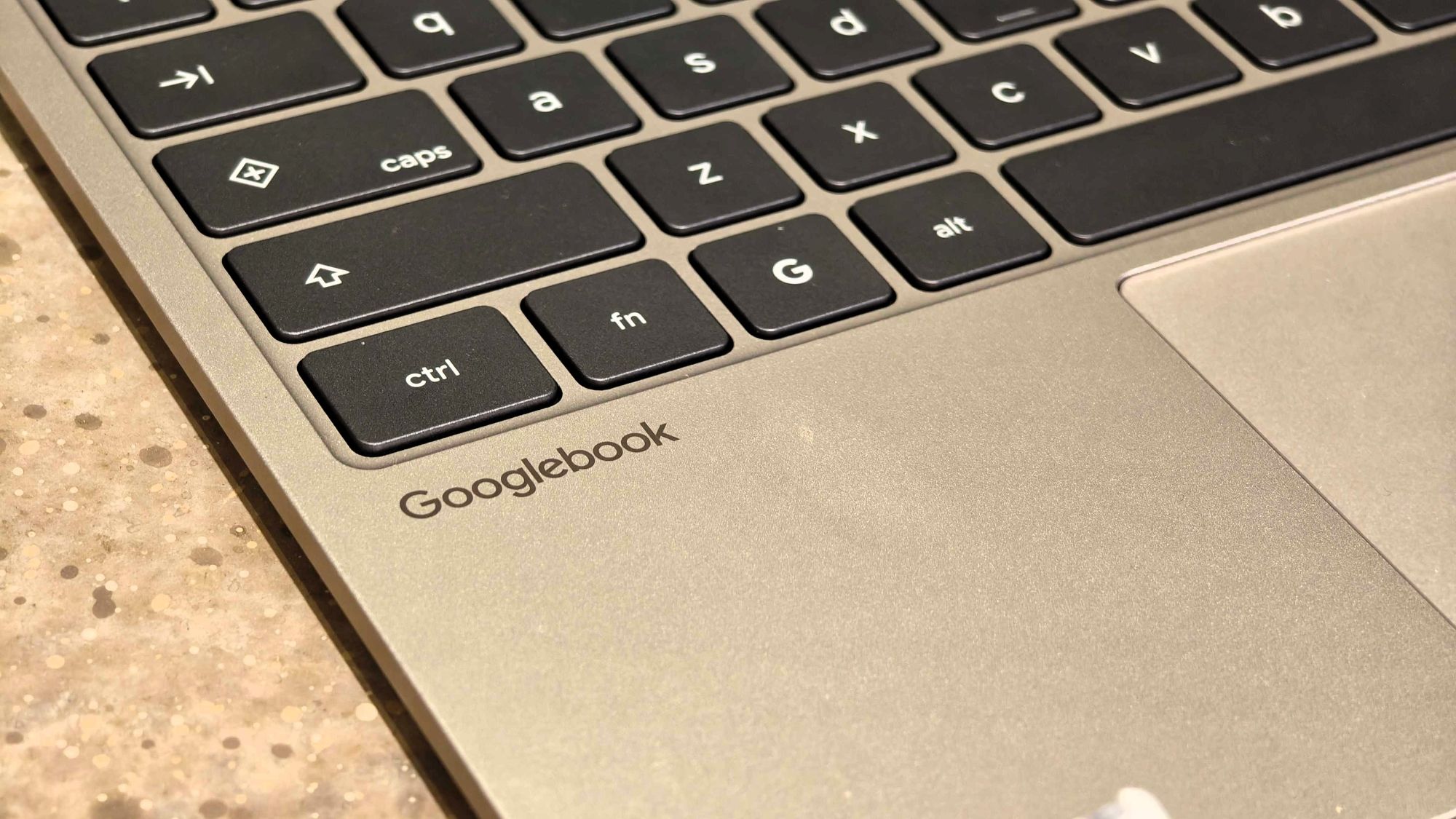
The November update serves as a corrective milestone in the device’s lifecycle. Industry observers have remarked that while these optimization fixes ideally should have been integrated prior to the initial commercial release, the prompt deployment of such a comprehensive patch demonstrates Google’s commitment to stabilizing the ecosystem.
Addressing Hardware and Peripherals Integration
Beyond memory management, the November release targets a wide array of hardware-specific bugs reported across supported devices manufactured by leading hardware partners, including Acer, ASUS, Lenovo, HP, and Dell.
Convertible laptops—devices capable of transitioning between traditional laptop and tablet orientations—have historically suffered from intermittent input failures during mode switches. The new patch resolves a persistent bug that caused physical keyboards and touchpads to temporarily unresponsive when rotating or detaching the display.
Multimedia and peripheral performance have also received substantial attention. Users connecting Googlebook devices to external monitors previously encountered black screens when attempting to play Digital Rights Management (DRM)-protected streaming content from subscription services like Netflix. The November update rectifies this video pipeline issue, restoring seamless playback on external displays.
Audio professionals and casual users alike will benefit from fixes targeting USB microphones and multichannel audio interfaces, which now operate reliably without unexpected input dropouts. Additionally, Bluetooth connectivity has been tuned to minimize audio-video synchronization delays during media consumption and to ensure more reliable reconnection protocols for wireless mice and keyboards.
Enhancements for Linux Development and Enterprise Security
Developers and power users utilizing the Googlebook Linux Terminal beta environment will find a robust set of improvements aimed at streamlining development workflows. The update resolves frustrating shell session disruptions that frequently occurred after a device entered sleep mode. Furthermore, Secure Shell (SSH) port forwarding has been stabilized, and multi-window management within the Linux container environment is now significantly more fluid.
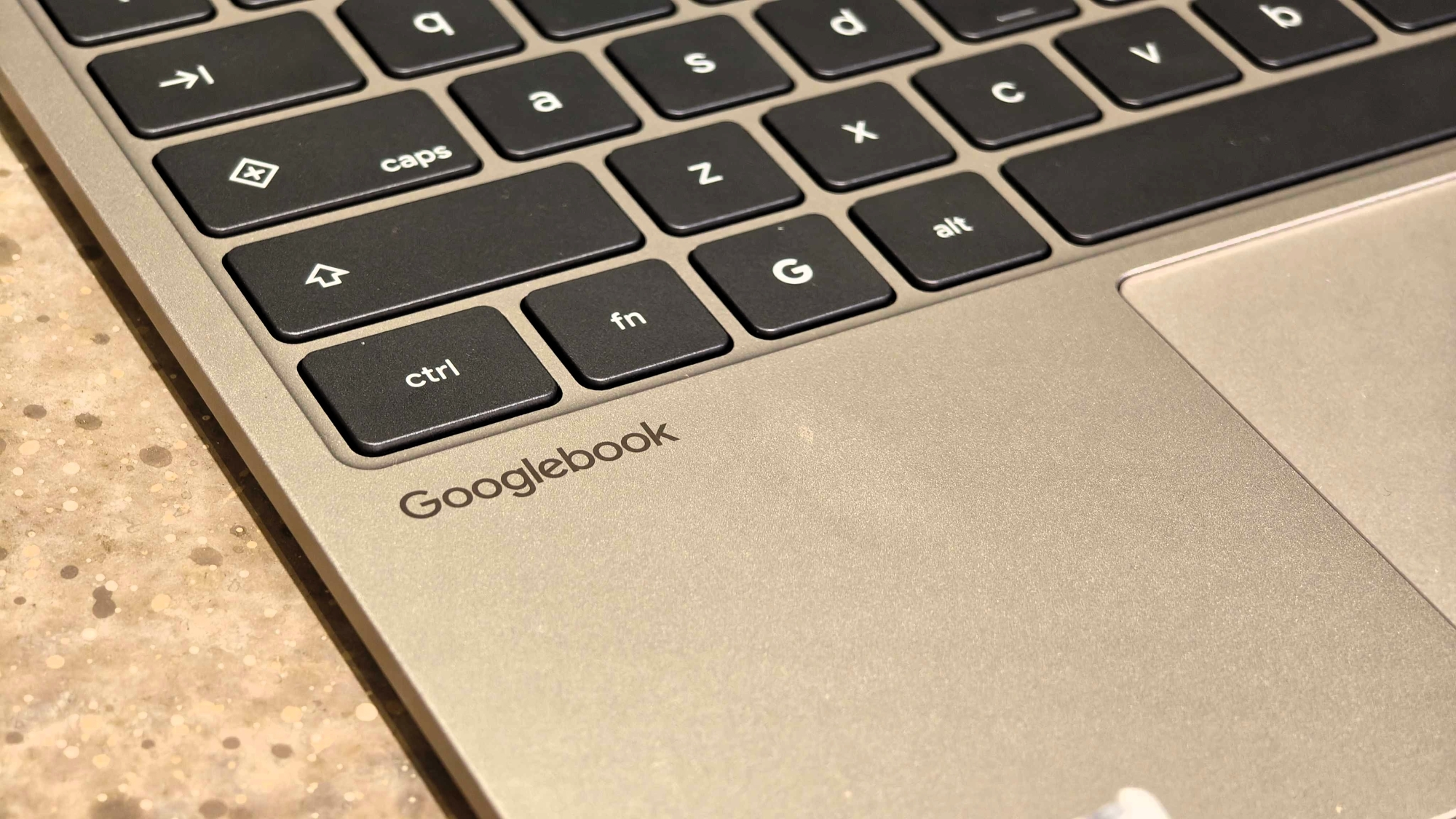
Crucially, Google addressed a memory leak that manifested when closing terminal tabs. It has also re-engineered the Linux Virtual Machine (VM) update process: system updates are now markedly less destructive, preserving crucial user storage and custom SSH configurations that were occasionally wiped or corrupted during previous patch cycles.
On the security front, the release incorporates the comprehensive Android security patch dated November 1, 2026, which neutralizes approximately 60 distinct vulnerabilities across the software stack. Concurrently, Google has updated the Linux 6.18 kernel and the firmware for the Ti50 security chip. These low-level firmware updates successfully resolve persistent hardware anomalies, including unexpected system restarts, recurring boot loops, and erratic fan behaviors caused by thermal management miscalculations.
Official Rollout and Early User Reception
Google has confirmed that the software package is being distributed via a phased rollout across all supported Googlebook hardware configurations. Users can manually check for the availability of the update by navigating to Settings, selecting System, and proceeding to System Update, ensuring their build matches the target string CL3B.260622.286.R2.
Early community reactions, documented across developer forums and platform-specific discussion boards, have been largely favorable. Many owners have reported noticeably smoother multitasking, prolonged battery stability under load, and cooler thermal performance. Nevertheless, as with any major software deployment, a minority of users have noted isolated post-update anomalies, including temporary disruptions to Chrome’s native spell-check functionality and minor synchronization delays with device notifications immediately following wake-from-sleep states. Google’s engineering teams are expected to monitor these community-reported issues closely for subsequent hotfix iterations.
Broader Impact and Future Implications
The deployment of the November update underscores the immense engineering challenges tech giants face as they integrate heavy artificial intelligence workloads into consumer-grade mobile hardware. By successfully reclaiming up to 6GB of RAM through advanced NPU driver optimization, Google has effectively extended the practical lifespan and usability of first-generation AI laptops.
This release sets a critical precedent for the industry. As consumers increasingly demand local artificial intelligence capabilities without compromising foundational device performance, operating system developers must prioritize efficient memory arbitration and hardware-software synergy. For Google, the success of this update is vital to maintaining consumer trust and ensuring that the Googlebook ecosystem can compete effectively in the rapidly evolving landscape of intelligent personal computing.