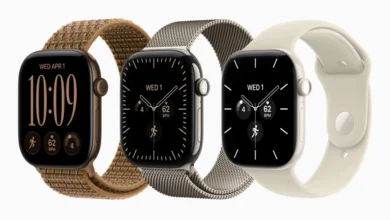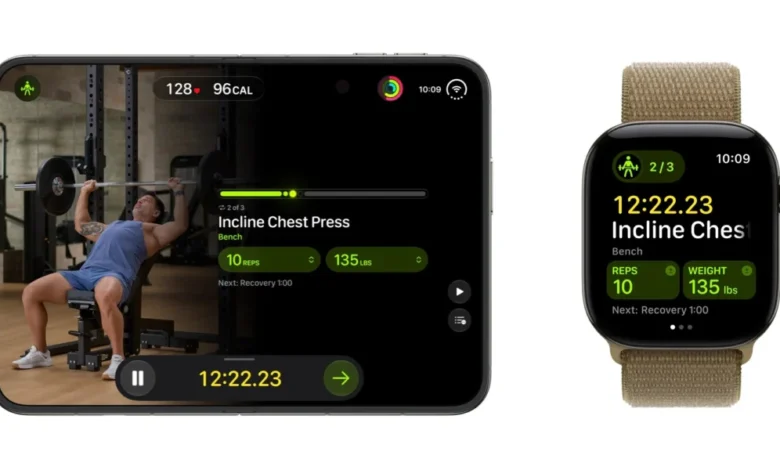
Apple is making a significant push into traditional weightlifting and physical conditioning with the introduction of Gym Strength, a new feature currently available in beta for Apple Fitness+ subscribers. Designed to bridge the gap between digital fitness coaching and physical fitness environments, the tool brings personalized workout routines, detailed exercise demonstrations, and direct Apple Watch integration to commercial and home gym setups alike. This expansion represents a strategic evolution for the tech giant’s subscription service, moving beyond living-room aerobics and guided floor exercises into the domain of progressive overload, hyper-trophy training, and structured weightlifting.
Main Facts and Core Functionality of Gym Strength
At its core, Gym Strength is engineered to generate progressive, four-week strength training programs tailored to an individual’s specific fitness objectives, prior lifting experience, weekly schedule, and available hardware. Rather than offering static, one-size-fits-all routines, the platform dynamically adjusts future workouts based on the actual weight and repetition data logged by the user during previous sessions.
The system accommodates a wide spectrum of users, ranging from absolute novices stepping into a weight room for the very first time to seasoned powerlifters and bodybuilders looking to optimize their progression. When initializing a new plan, users specify their preferred workout frequency and target muscle groups. Depending on the desired pacing, individuals can choose between a concise five-exercise session—estimated to take between 20 and 30 minutes—or a more comprehensive seven-exercise routine spanning 45 to 60 minutes.

Every generated workout provides precise prescriptions for exercises, sets, reps, and recommended weights. Users navigate the routine at their own speed while utilizing short, multi-angle video demonstrations led by Apple Fitness+ trainers. These clips can be expanded to display movements from three distinct perspectives to ensure proper form and injury prevention.
Equipment Versatility and Customization
One of the primary engineering challenges of bringing a digital strength training program to physical gym environments is the sheer variability of available equipment. Apple has addressed this by outfitting Gym Strength with a database of over 350 exercises compatible with more than 30 distinct types of strength training apparatuses.
The software supports everything from dumbbells and kettlebells to cable crossover machines, barbells, and suspension trainers, with a basic set of dumbbells serving as the sole minimum requirement. Because the routines factor in a user’s specific inventory—whether working out in a fully equipped commercial facility or a minimalist garage gym—the plans remain highly adaptable.
Furthermore, the interface accounts for real-world gym congestion. If a specific machine is occupied or a user encounters unfamiliar equipment mid-session, the application allows for seamless equipment swapping or alternative exercise selection that targets the same muscle groups with similar movement patterns. Users retain full autonomy to add extra sets, skip exercises, or modify their routines dynamically.

Integration With Apple Hardware Ecosystem
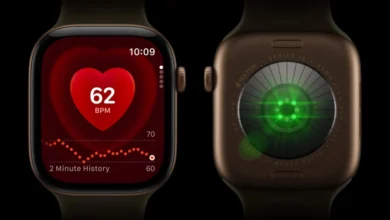
Gym Strength relies deeply on Apple’s hardware ecosystem to deliver a frictionless user experience. The feature requires an iPhone running iOS 27.3 or an iPad operating on iPadOS 27.3. For real-time tracking and logging, an Apple Watch running watchOS 27.3 acts as the primary interface on the gym floor, allowing lifters to view upcoming exercises, log weights and repetitions directly from their wrists, and monitor vital metrics such as heart rate and active calories burned.
In addition to hardware tracking, Apple has integrated artificial intelligence to enhance the administrative side of training. Gym Strength features Training Note, an optional tool powered by Apple Intelligence. This system provides automated workout previews, explains the underlying rationale behind progressive overload phases, and highlights significant personal milestones. To utilize Training Note, users must operate an Apple Intelligence-compatible iPhone or iPad configured with English as the primary system language.
Background Context and Industry Evolution
The launch of Gym Strength arrives at a transformative time for the fitness technology industry. Over the past decade, the market has witnessed a massive convergence between wearable technology and traditional brick-and-mortar fitness facilities. While early digital fitness solutions focused predominantly on cardiovascular health, running, and bodyweight calisthenics, consumer demand has increasingly shifted toward resistance training due to its proven long-term benefits for metabolic health, bone density, and longevity.
Apple Fitness+ was originally launched in December 2020, entering the market during a period of widespread home-fitness adoption. Over the subsequent years, Apple steadily expanded the platform’s catalog to encompass 12 distinct workout types, ranging from HIIT and yoga to kickboxing and mindful cooldowns. However, while the original Strength workouts on Fitness+ offered functional, dumbbell-based floor routines, they lacked the structured, multi-week progressive overload frameworks essential for serious muscular hypertrophy and strength gains. By introducing Gym Strength, Apple directly addresses this limitation, positioning Fitness+ as a comprehensive ecosystem capable of serving users both inside and outside the traditional gym environment.

Subscription Models and Market Pricing
Gym Strength is included at no additional cost within the standard Apple Fitness+ subscription framework, reinforcing the value proposition of the service. In the United States, Apple Fitness+ is priced at $9.99 per month or $79.99 per year, with subscription sharing enabled for up to five family members. New device purchases typically qualify buyers for a complimentary three-month trial, while standard new subscribers receive a one-month free introductory period.
Additionally, Fitness+ remains a cornerstone offering of the Apple One Premier bundle, which costs $39.95 per month in the U.S. and consolidates Apple Music, Apple TV+, Apple Arcade, Apple News+, and 2TB of iCloud+ storage into a single unified subscription package.
Broader Impact and Industry Implications
The introduction of a dedicated, AI-assisted strength training beta has notable implications for the broader wellness sector. Traditional personal training can be cost-prohibitive for many casual gym-goers, while navigating open-source workout routines found online often leads to stagnation or injury due to improper programming. By democratizing evidence-based programming—such as progressive overload and customized volume management—Apple is lowering the barrier to entry for effective strength training.
Industry analysts note that this feature strengthens Apple’s ecosystem lock-in, providing a compelling reason for health-conscious consumers to choose the Apple Watch and related hardware over competing smartwatches and fitness trackers. As the beta period progresses and user feedback shapes future iterations, Gym Strength could redefine how millions of people approach daily resistance training, blending the convenience of software-guided coaching with the tangible results of heavy iron.