The AI Boom Is Threatening to Trigger a New Automotive Semiconductor Crisis

The global automotive industry is bracing itself for a potential replay of the crippling semiconductor shortages that upended manufacturing lines during the COVID-19 pandemic. However, the root cause of this emerging crisis is fundamentally different. While pandemic-era bottlenecks were born of sudden supply chain fractures, factory closures, and unpredictable demand shifts, the current threat originates from an insatiable, high-tech source: the global artificial intelligence boom.
As technology giants and enterprise corporations rush to construct and expand massive data centers to support resource-heavy generative AI models, the foundational components required to build modern automobiles are being aggressively sidelined. Semiconductor foundries are increasingly shifting their production focus toward high-margin, specialized AI processors, leaving traditional commodity chip production in the dust. The resulting pinch threatens to hike vehicle manufacturing costs and potentially delay the delivery of crucial automotive technology just as carmakers lean deeper into digital transformation.
Shifting Priorities in the Global Semiconductor Foundry Ecosystem
The warning signs of this impending crunch have grown louder in recent months, driven by industry leaders who sit at the intersection of traditional hardware and advanced computing. Stefan Tilger, CEO of Dutch semiconductor manufacturer Nexperia, recently highlighted the gravity of the situation in interviews with international media. According to Tilger, key competitors within the semiconductor manufacturing sector have systematically pivoted their supply allocations away from legacy and commodity semiconductors toward the lucrative chips required for AI data centers.
Because a vast majority of global foundry capacity was once dedicated to producing mature, reliable nodes—the foundational chips used extensively in cars, trucks, and industrial machinery—this strategic realignment is creating an immediate bottleneck within the automotive supply chain. The automotive sector, Tilger notes, is already "suffering quite heavily" as a direct consequence of this industrial migration.
This sentiment is echoed by other major players in the microchip industry. Jean-Marc Chery, CEO of Swiss semiconductor manufacturer STMicroelectronics, has warned that major chip foundries and back-end assembly plants are actively "disengaging" from traditional mainstream automotive and industrial applications. Furthermore, industry analysts point out that the rapid commercialization of next-generation robotics is adding yet another layer of aggressive demand to an already strained supply ecosystem.
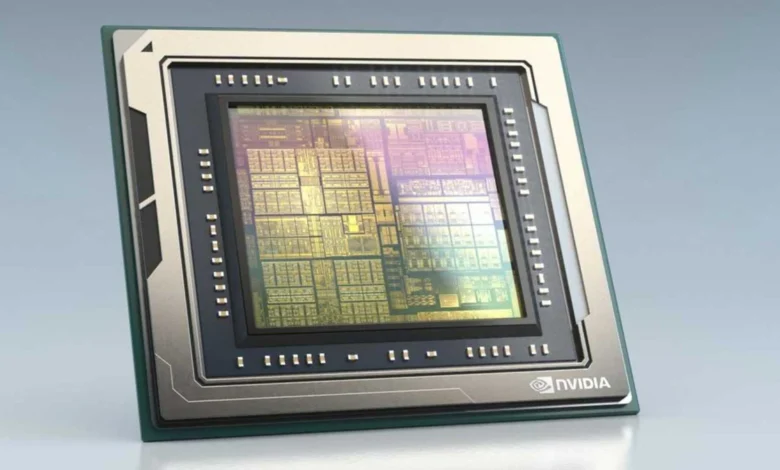
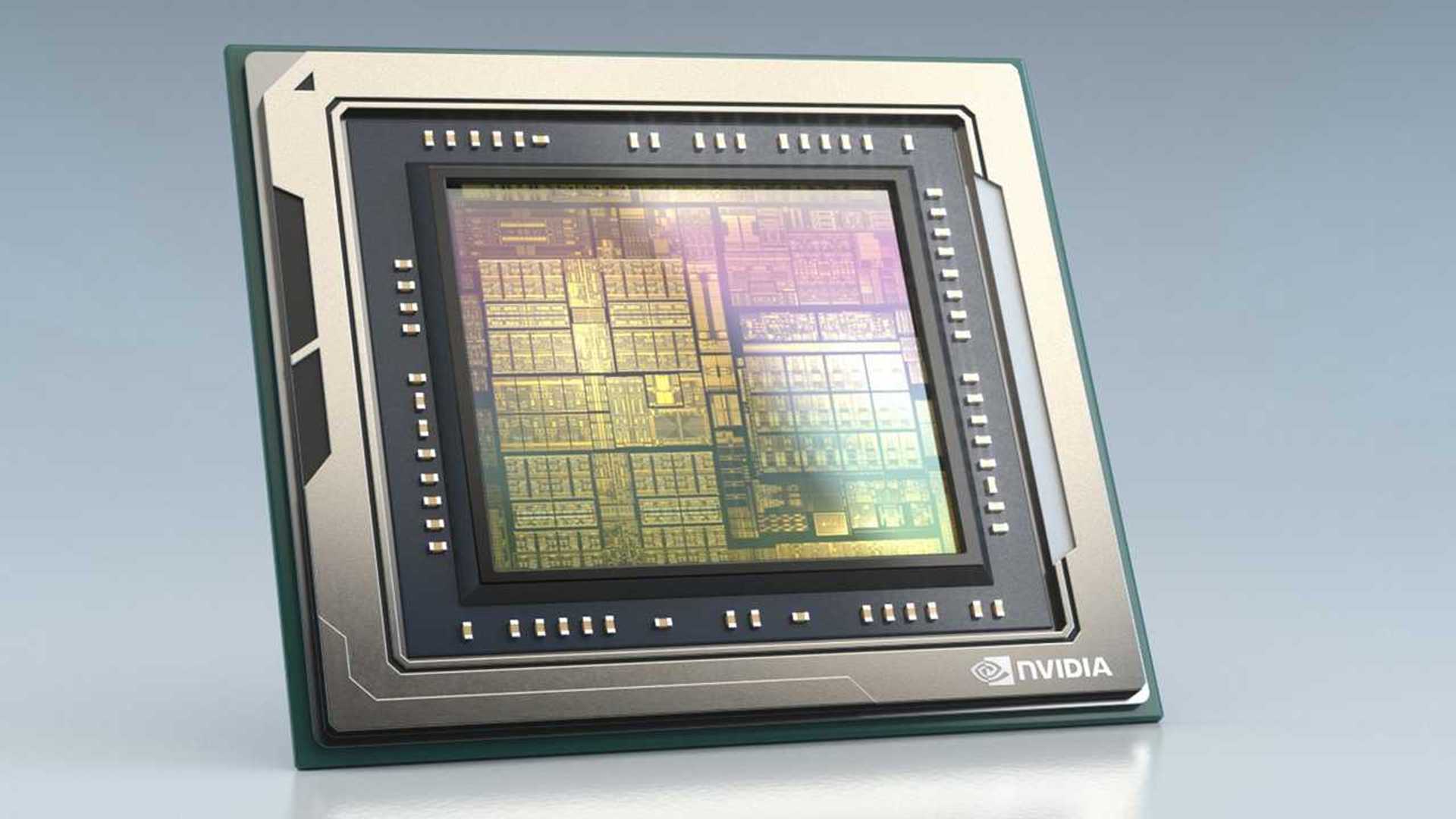
Crucially, industry executives emphasize that this emerging supply squeeze is not simply a matter of marquee GPU designers like Nvidia consuming every advanced wafer on the market. Instead, the pressure is building much further upstream within the fundamental foundry manufacturing lines, where basic raw silicon processing capabilities are being diverted toward high-end computing solutions that command astronomical profit margins.
The Immediate Financial Toll on Global Automakers and Suppliers
The ripple effects of this upstream redirection are already hitting the balance sheets of major tier-one automotive suppliers. German automotive component supplier Aumovio—which manufactures critical hardware including advanced sensors, digital cameras, and sophisticated in-vehicle electronics for major global original equipment manufacturers (OEMs) such as BYD, BMW, and Ford—issued a stark warning during a recent earnings presentation.
According to Aumovio’s interim finance head, Claus Bauer, the company’s internal chip acquisition costs are climbing rapidly and are projected to "explode" in the upcoming fiscal year. Bauer pointed directly to the hyper-lucrative artificial intelligence sector as the primary driver behind this hyper-inflationary pricing pressure.
"What is the reason for that situation? The reason are the data centers for mainly artificial intelligence," Bauer stated during the earnings call. He underscored the profound imbalance in market leverage by noting that there is virtually "no price sensitivity whatsoever" in the AI data center sector. Suppliers across the semiconductor spectrum, he added, could easily sell double their current manufacturing capacity to this non-price-sensitive market without breaking a sweat, leaving traditional industries to bid aggressively for whatever residual production remains.
This dynamic leaves automotive suppliers and automakers in a precarious position. Because modern vehicles rely on hundreds, and in some cases thousands, of semiconductor chips to control everything from powertrain management and battery regulation to infotainment systems and advanced driver-assistance systems (ADAS), absorbing skyrocketing component costs is a complex challenge. Manufacturers must either choose to compress their profit margins or pass the heightened expenses directly down to consumers through rising vehicle price tags.
Parallels to the Pandemic-Era Chip Crunch
For the automotive industry, the spectre of another microchip shortage brings an unwelcome sense of déjà vu. Between 2020 and 2023, the global auto industry suffered historic disruptions due to pandemic-related semiconductor shortages. During that period, unexpected factory shutdowns coupled with a surge in consumer demand for personal consumer electronics drained global inventory.
The consequences were severe and widespread. Major automakers were forced to idle multi-billion-dollar assembly plants for weeks or months at a time, resulting in millions of unbuilt vehicles and depleted dealer inventories. In efforts to maintain production flow, some manufacturers resorted to shipping vehicles with deleted features—such as omitting start/stop functionality, advanced touchscreens, or heated seats—promising retrofits once components finally became available.
While industry stakeholders are quick to note that the current AI-driven squeeze may not immediately mirror the absolute chaos and sweeping plant shutdowns of the pandemic era, the underlying systemic risk remains high. Should the divergence toward AI infrastructure continue unchecked, automakers could face difficult choices regarding vehicle feature availability, production cadence, and pricing structures.
The Broader Implications for Automotive Innovation
The timing of this potential supply chain bottleneck is particularly ironic given the automotive industry’s current strategic trajectory. Traditional automakers and electric vehicle (EV) startups alike are doubling down on software-defined architectures, deep vehicle connectivity, and embedded artificial intelligence.
Recent industry announcements highlight an automotive landscape increasingly defined by artificial intelligence. Companies like Ford, General Motors, Rivian, and various global EV giants are rapidly integrating generative AI assistants, advanced predictive maintenance diagnostics, and complex cloud-connected operating systems into their upcoming vehicle lineups. For instance, brands are rolling out sophisticated AI assistants capable of parsing complex vehicle manuals, managing bespoke service appointments, and supercharging navigation capabilities through integration with enterprise AI models like Google’s Gemini.
If the basic semiconductor components required to build the foundational electronic control units (ECUs) and sensor arrays become scarce or prohibitively expensive, these ambitious software and AI integrations could face deployment roadblocks. Ironically, the global race to build smarter AI infrastructure elsewhere in the tech sector could temporarily result in "less-smart" cars rolling off assembly lines if basic hardware inputs cannot be secured at sustainable prices.
Navigating the Future: Strategic Resilience Required
As the global economy continues its rapid digital transformation, the friction between consumer technology, enterprise artificial intelligence, and heavy industrial manufacturing is expected to intensify. Semiconductor foundries are profit-driven entities, and the astronomical capital expenditures poured into AI data center infrastructure dictate a natural prioritization of advanced and high-yield nodes.
To mitigate the impact of this unfolding crisis, automotive executives and supply chain strategists are being forced to rethink long-term sourcing strategies. Moving forward, the industry may see increased vertical integration, long-term direct partnerships between automakers and semiconductor foundries, and a concerted effort to redesign vehicle electronics to utilize more readily available, standardized legacy chips.
Whether these proactive measures will be sufficient to prevent widespread disruptions remains to be seen. What is clear, however, is that the modern automobile is no longer competing solely against other vehicles for industrial resources; it is now locked in a high-stakes, global competition with the most aggressive, well-funded technological revolution of the twenty-first century.