Tesla breaks ground on Project Crystal Sun as massive Texas solar manufacturing complex enters active development

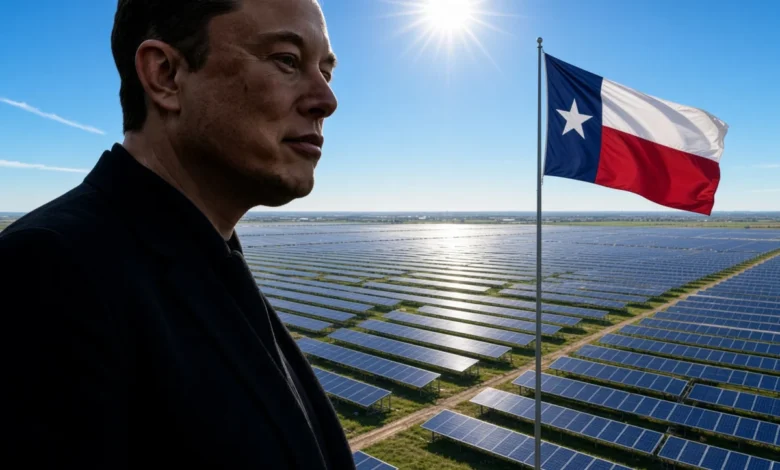
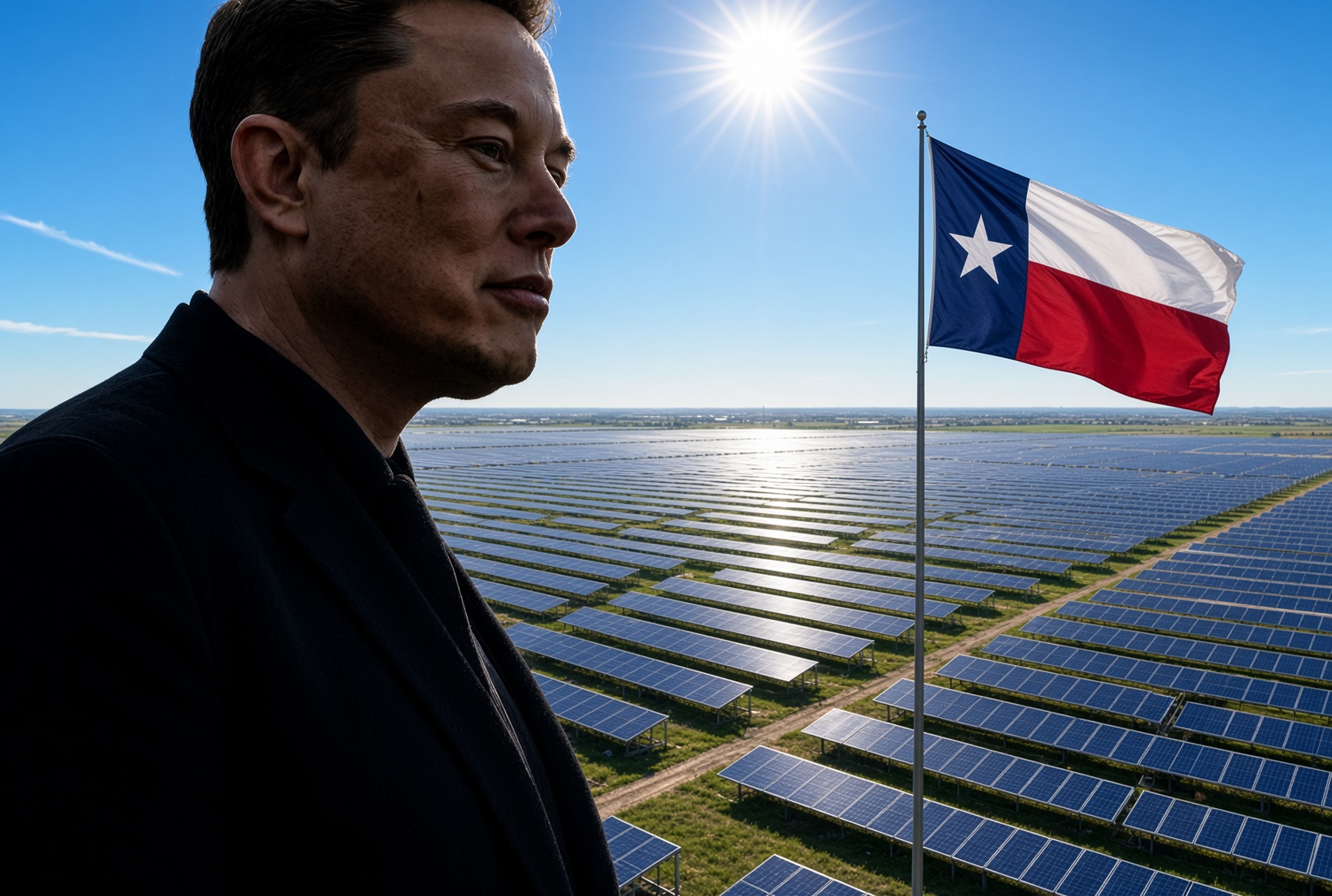
Tesla has officially commenced earthworks engineering on its expansive 3,000-acre site in Fort Bend County, Texas, marking a pivotal step in the realization of Project Crystal Sun. This ambitious $10 billion endeavor, which aims to establish a vertically integrated solar manufacturing powerhouse, has moved from the realm of regulatory filings to tangible industrial activity. High-resolution drone footage captured by S.E. Robinson, Jr. confirms that construction crews are currently engaged in extensive land clearing, equipment staging, and site leveling operations across a significant portion of the Texas landscape.
The transition from a conceptual planning phase to active site preparation signals that Tesla is moving aggressively to solidify its domestic energy production capabilities. By consolidating the entire solar value chain—from raw silicon ingots and wafers to finished cells and modules—within a single, massive complex, Tesla is positioning itself to fundamentally reshape the American renewable energy supply chain.
Chronology of Project Crystal Sun
The trajectory of Project Crystal Sun has been defined by a rapid progression through administrative and regulatory hurdles. The project first entered the public record in July 2026, when Tesla submitted filings under the Texas Jobs, Energy, Technology and Innovation Act. These documents provided the first comprehensive look at the facility’s scope, outlining a vision for a manufacturing hub that would operate at an unprecedented scale within the United States.
By September 2026, the project had cleared a critical local barrier when the Lamar Consolidated Independent School District unanimously approved school-tax limitations, a move that provided the financial framework necessary for the project’s viability. This was swiftly followed in late October by the Fort Bend County commissioners, who finalized a robust package of tax abatements and economic agreements. These incentives are designed to remain in effect for up to 35 years, highlighting the local government’s commitment to securing the long-term industrial investment.
Following these approvals, the arrival of heavy machinery and the initiation of earthworks in November 2026 underscore the project’s momentum. While Tesla has yet to hold a formal "groundbreaking" ceremony, the observable progress on the ground serves as a clear indication that the company is adhering to an aggressive timeline that targets the commencement of commercial production in the first quarter of 2029.

Economic and Workforce Projections
The economic implications of Project Crystal Sun are profound, both for the state of Texas and for the broader U.S. manufacturing sector. According to official economic impact analyses submitted alongside the project’s planning documents, the facility is expected to serve as a significant engine for regional job creation.
Tesla projects that the facility will employ approximately 9,712 permanent staff members by 2033. The hiring process is expected to follow a staggered ramp-up, beginning with roughly 1,900 positions during the first year of operations. Furthermore, the construction phase itself is anticipated to support a peak workforce of 1,147 skilled laborers. Beyond direct employment, the project is estimated to contribute roughly $107 billion to the Texas Gross Domestic Product (GDP) over the coming decades, a figure that underscores the state’s strategic focus on attracting high-tech energy manufacturing.
The decision to site this project in Texas follows a period of intense deliberation, during which Tesla evaluated several competing out-of-state locations. Ultimately, the combination of Texas’s favorable regulatory climate, available land, and the state’s existing energy infrastructure played a decisive role in the final selection.

Strategic Context and Industry Integration
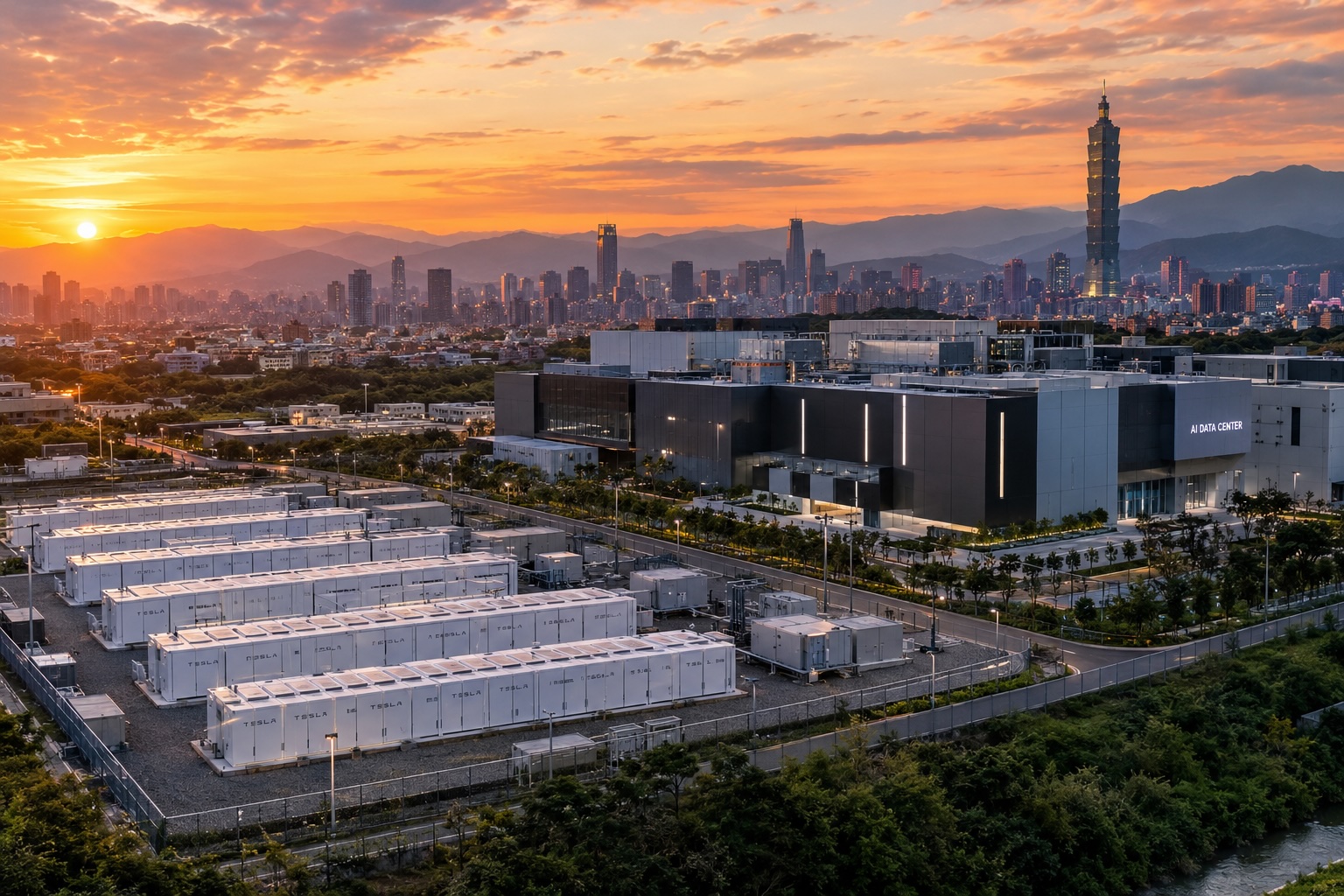
Project Crystal Sun is not an isolated initiative; rather, it is a critical component of a larger, systemic shift in Tesla’s energy strategy. Elon Musk has repeatedly articulated a vision in which both Tesla and SpaceX work toward achieving 100 gigawatts of annual U.S. solar manufacturing capacity. This objective is intended to meet the soaring demand for sustainable energy, particularly as the proliferation of Artificial Intelligence (AI) data centers places an unprecedented burden on existing power grids.
The facility’s focus on vertical integration is key to its competitive advantage. By manufacturing silicon ingots and wafers in-house, Tesla aims to insulate itself from the volatility of global supply chains and the potential geopolitical risks associated with overseas sourcing. This strategy mirrors the company’s approach to automotive production, where the control of core components has consistently yielded improvements in efficiency and cost reduction.
Broader Market Implications
The scale of Project Crystal Sun positions it as a potential cornerstone of American energy independence. As the United States seeks to accelerate its transition to renewable power, the ability to manufacture high-efficiency solar modules domestically at a massive scale is of strategic national interest.

Industry analysts suggest that the project’s success could trigger a domino effect within the renewable energy sector, potentially attracting a ecosystem of suppliers and ancillary service providers to the Fort Bend County region. Furthermore, the alignment of this project with Tesla’s broader energy ecosystem—including its Powerwall storage solutions and the Megapack utility-scale battery systems—creates a comprehensive energy solution.
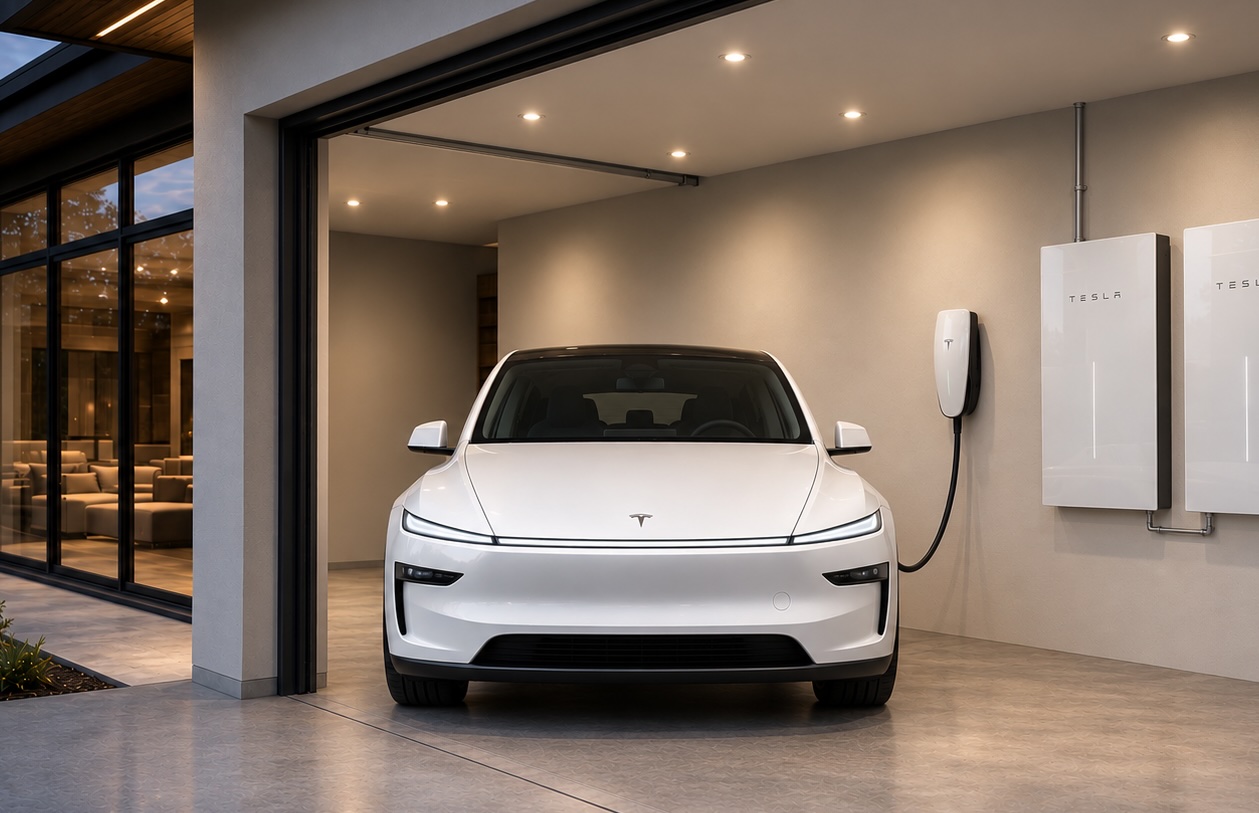
For instance, the recent rollout of Powershare Home Backup for the Model 3 and Model Y, which allows these vehicles to serve as home energy storage systems when paired with the Powerwall 3, demonstrates how Tesla’s various products are designed to function in concert. Project Crystal Sun will provide the necessary hardware to expand this ecosystem, ensuring that the components for both residential and utility-scale energy storage are readily available.
Potential Challenges and Future Outlook
Despite the project’s current momentum, several challenges remain. Building a manufacturing facility of this magnitude involves complex logistics, the acquisition of specialized talent, and the integration of highly sophisticated automated systems. The 2026–2028 construction window is ambitious, requiring precise execution to meet the 2029 production target.
Moreover, the regulatory landscape regarding environmental impact and energy usage remains a focal point for stakeholders. Tesla will need to demonstrate that its manufacturing processes adhere to high standards of environmental stewardship, particularly regarding water usage and the disposal of byproducts associated with silicon processing.
However, the rapid progression of the site from initial filings to active earthworks suggests that Tesla has a well-defined roadmap for overcoming these hurdles. The company’s ability to move from abstract planning to concrete reality within a matter of months is a hallmark of its operational philosophy, which prioritizes speed, iteration, and scale.
Conclusion
As crews continue to level the ground in Fort Bend County, Project Crystal Sun stands as a testament to the scale of the transition currently underway in the energy sector. By aiming for 100 gigawatts of solar capacity, Tesla is setting a benchmark that few competitors can match. If the project proceeds according to the current timeline, it will not only bolster the Texas economy but also play a critical role in the global shift toward sustainable, decentralized power generation.
For now, the site serves as a physical reminder of the transition from fossil fuel reliance to a future defined by integrated solar production and massive energy storage. As the steel begins to rise over the next several months, the industry will be watching closely to see if Tesla can once again replicate its manufacturing successes in the complex world of solar technology. With the global demand for energy only expected to climb alongside the evolution of AI, the timing of Project Crystal Sun could not be more critical. The project represents more than just a factory; it represents a fundamental attempt to rewrite the infrastructure of the American power grid for the next century.