Nintendo Switch 2 Controller Deals and Setup Guide for The Legend of Zelda: Ocarina of Time Remaster Release

The launch of The Legend of Zelda: Ocarina of Time remaster has officially arrived, marking one of the most anticipated milestones in modern gaming history. For years, rumors have circulated regarding how Nintendo would handle bringing its most critically acclaimed Nintendo 64 masterpiece forward to contemporary hardware. Now that the title is finally live, players worldwide are eagerly jumping back into the expansive fields of Hyrule, exploring dungeons, and listening to the timeless melodies of the ocarina rendered in high-definition fidelity.
While the Nintendo Switch 2 continues to excel as a hybrid platform that seamlessly transitions between portable handheld play and traditional television docking, experiencing an epic adventure of this scale often demands a robust living room setup. Although players can certainly utilize the standard Joy-Con controllers bundled directly with the base console, the demands of a sprawling 3D action-adventure game frequently lead enthusiasts to seek out alternative, traditional gamepad solutions. Exploring the ideal controller options and hardware deals available at launch can significantly elevate the overall gameplay experience.
The Evolution of Hyrule: Background and Context of the Remaster
The release of The Legend of Zelda: Ocarina of Time remaster is not merely another routine port; it represents a major cultural and technological event for Nintendo. Originally launched in 1998 for the Nintendo 64, the original game fundamentally revolutionized 3D video game design, establishing industry-standard mechanics for camera control, z-targeting, and environmental storytelling that still influence game developers today.
Decades after its initial debut, the franchise has seen countless iterations, but Ocarina of Time remains a gold standard for interactive entertainment. Bringing this monumental title to the Nintendo Switch 2 hardware ecosystem required a complete audiovisual overhaul. Nintendo’s development teams, working in tandem with veteran producers, rebuilt the assets from the ground up to support modern display standards, including high dynamic range (HDR) lighting, smoother framerates, and native 4K resolution output when docked.
For longtime fans who spent their childhoods playing the original cartridge on a CRT television, the remaster offers a profound sense of nostalgia paired with unprecedented visual clarity. Meanwhile, for a younger generation of gamers experiencing the Legend of Zelda series for the first time through the lens of current-generation hardware, the title serves as a living history lesson in game design. Consequently, the demand for hardware capable of honoring the legacy of the original title has surged dramatically alongside digital and physical game sales.
Navigating Your Control Options on the Nintendo Switch 2
Playing a sprawling action-adventure game requires precision, comfort, and ergonomic reliability. When the Nintendo Switch 2 is docked to a television screen, players are immediately presented with multiple choices regarding how they wish to interface with the software.
The primary option included in the box is the updated Joy-Con controller system. Nintendo has refined the ergonomics, mechanical durability, and battery life of these detachable pads for the Switch 2 iteration. They offer familiar motion controls and responsive haptic feedback, making them entirely serviceable for casual play sessions. However, for marathon gaming sessions spent delving deep into the Shadow Temple or tracking down elusive Skulltulas, standard Joy-Con pads can occasionally feel undersized for adult hands.
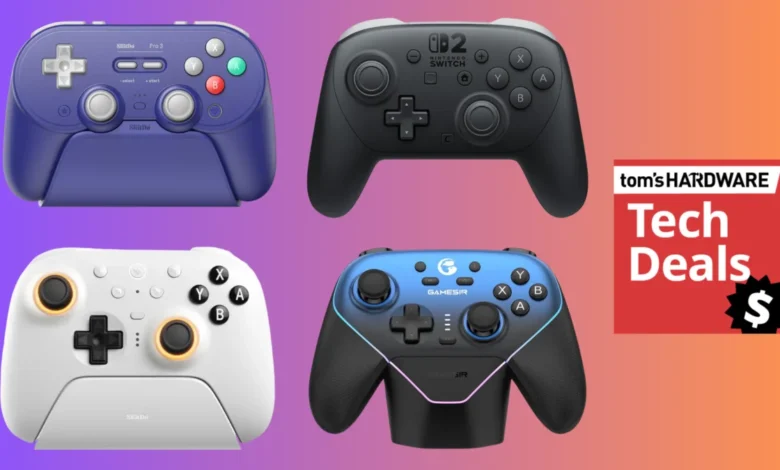
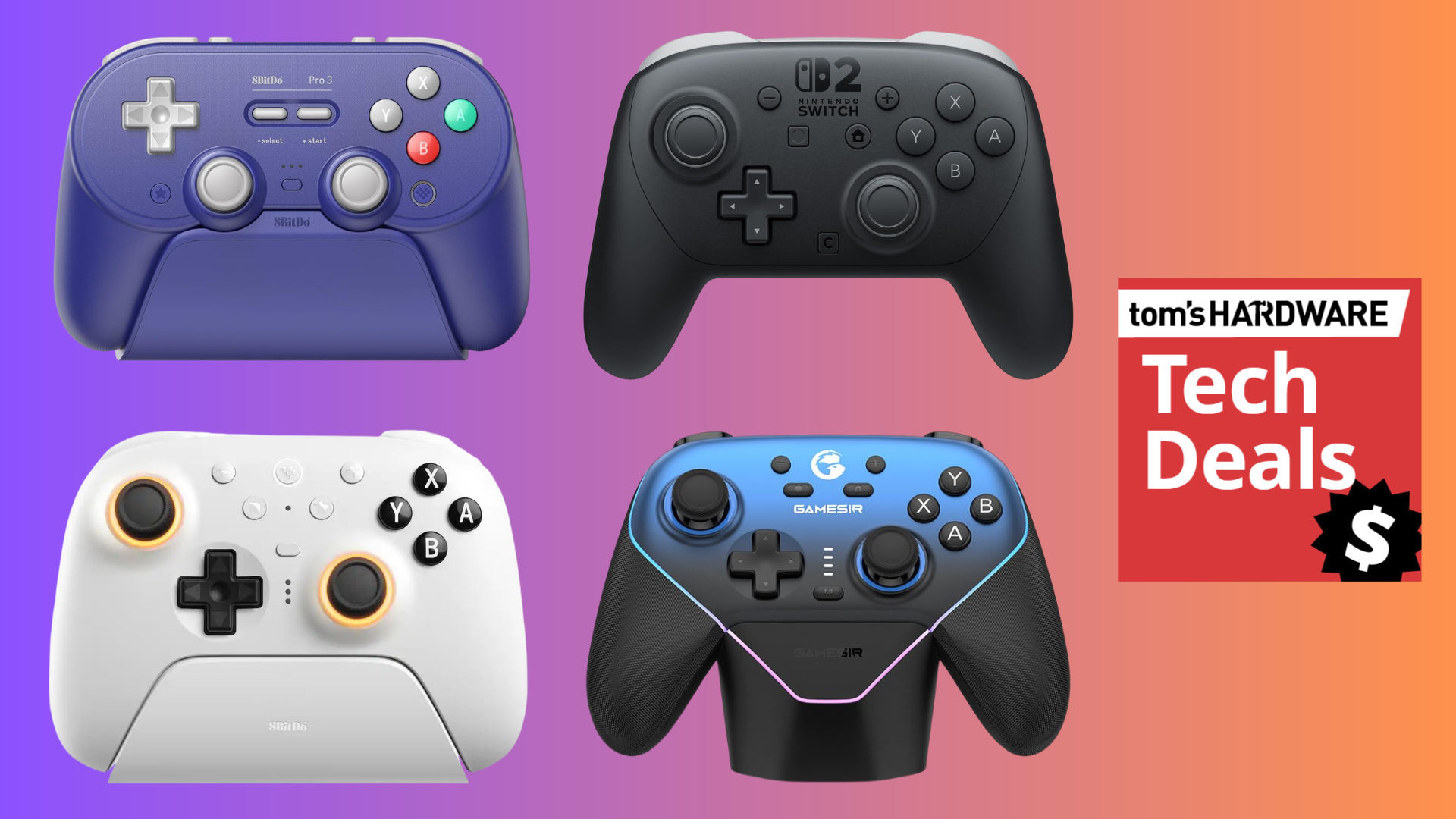
To combat hand fatigue and secure a more traditional ergonomic grip, a wide variety of third-party and official pro-style controllers have emerged on the market. Brands such as 8BitDo and GameSir, alongside Nintendo’s own official Pro Controller line, have rolled out specialized hardware compatible with the new console architecture. These alternatives feature full-sized analog sticks with anti-drift Hall effect sensors, clickier mechanical face buttons, and programmable back paddles, offering competitive advantages and comfort that far surpass standard configurations.
Chronology of the Nintendo Switch 2 and Remaster Rollout
Understanding the trajectory that led to this hardware and software convergence highlights the deliberate strategy behind Nintendo’s product ecosystem:
- Late 2023 to 2024: Persistent industry leaks and supply chain reports indicate that Nintendo is developing a successor console internally referred to as the Switch 2, designed to support backward compatibility and advanced graphical features.
- Early 2025: Nintendo officially announces the Nintendo Switch 2, detailing its enhanced processing power, magnetic rail controller design, and higher-resolution docked output capabilities. Alongside the hardware reveal, hints of classic franchise remasters begin circulating within developer circles.
- Mid-2025: During a dedicated Nintendo Direct presentation, producers officially unveil The Legend of Zelda: Ocarina of Time remaster, confirming a target launch window aligned with the holiday shopping season and the console’s primary market push.
- Late 2025: Pre-orders for both the limited-edition console bundles and the standalone software shatter previous records, prompting major electronics retailers and accessory manufacturers to ramp up production of complementary hardware.
- Present Day: The software officially goes live worldwide. Retailers launch coordinated hardware promotions, offering bundle discounts on third-party pro controllers, charging docks, and protective accessories designed specifically to accommodate the new hybrid architecture.
Market Analysis: Pricing, Deals, and Consumer Value
As with any major console and software launch, pricing strategies and promotional deals play a crucial role in consumer purchasing decisions. While buying an official Nintendo Switch 2 Pro Controller guarantees complete compatibility and seamless system integration, third-party manufacturers are aggressively undercutting official pricing to capture market share during the launch window.
Industry analysts note that consumers are increasingly prioritizing "bang for the buck" when outfitting their gaming setups. Accessories utilizing Hall effect magnetic joysticks have surged in popularity due to their immunity to the dreaded stick-drift phenomenon that plagued earlier console generations. Major online retailers have responded by packaging these high-end third-party gamepads with screen protectors, carrying cases, and charging stands at reduced bundle rates.
Furthermore, hardware experts recommend checking regional retailer promotions and coupon aggregators before purchasing. With supply chains occasionally fluctuating due to high initial demand for both the console and marquee titles like Ocarina of Time, early-bird discounts on peripheral hardware represent the most reliable way for players to save money while upgrading their living room setups.
Official Responses and Industry Reception
While Nintendo has historically kept its development pipelines tightly guarded, executives have frequently emphasized the company’s commitment to bridging generational divides. In recent shareholder briefings, leadership highlighted that the ongoing success of the hybrid console model relies heavily on pairing modern technological upgrades with timeless, culturally significant software libraries.
Third-party hardware partners have also expressed optimism regarding the launch of the new console generation. Representatives from leading accessory brands noted that the architectural changes in the Nintendo Switch 2 have allowed for more sophisticated integration of low-latency wireless protocols and advanced haptic feedback engines. This technical leap enables third-party gamepads to offer performance levels previously exclusive to high-end PC and rival home console controllers.
Critical reception for the Ocarina of Time remaster has been overwhelmingly positive. Reviewers across major gaming publications have praised the faithful adherence to the source material paired with modern quality-of-life improvements, such as faster menu management, customizable button mapping, and optional hint systems for newcomers.
Broader Impact and Long-Term Implications
The simultaneous success of the Nintendo Switch 2 and the Ocarina of Time remaster signals a potent trend within the contemporary video game industry: the commercial viability of high-end, respectful preservation. Rather than relying entirely on unproven intellectual properties, publishers are finding immense success by treating classic software with the budget and technical reverence typically reserved for brand-new triple-A blockbusters.
For the hardware market, this release establishes a template for how accessory manufacturers and retailers can capitalize on nostalgic software milestones. As players continue to invest heavily in upgrading their living room gaming environments, the demand for durable, ergonomic, and feature-rich controllers will remain consistently high.
Ultimately, whether players choose to stick with the bundled Joy-Con hardware or invest in a specialized third-party pro controller to journey through Hyrule once more, the technical ecosystem surrounding the Nintendo Switch 2 has proven robust enough to meet the high expectations of a passionate global fanbase. As millions of players unbox their consoles, load up their saves, and listen to the opening notes of the ocarina echoing across modern high-definition displays, the marriage of classic game design and cutting-edge hardware is firmly cemented as a defining moment for the industry.