Tesla Giga Texas Shifts to Round the Clock Production Through 2026 to Meet Surging Demand

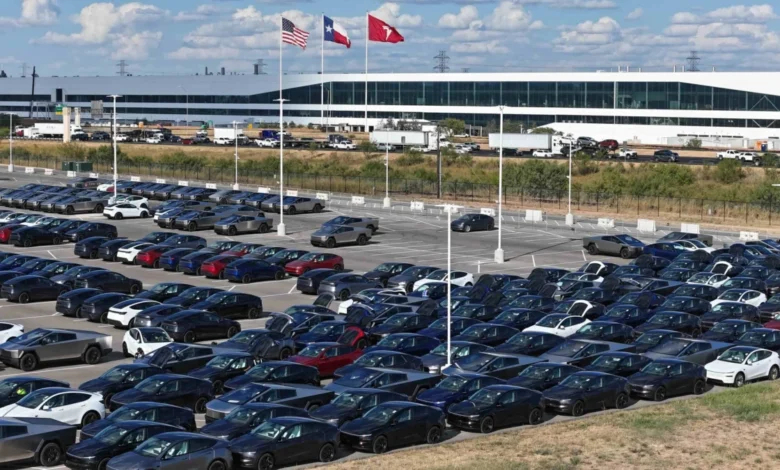
Tesla’s Austin-based Gigafactory is entering a new phase of operational intensity, with reports confirming a transition to a continuous, round-the-clock production schedule. According to industry observer Joe Tegtmeyer, who has tracked the facility’s development since its inception, the plant has implemented a dual 12-hour shift system that will remain in effect through the end of 2026. This shift represents a significant evolution from the factory’s previous operating cadence, which typically relied on a single 10-hour shift structure from Monday through Friday.
The move to 24-hour operations is not merely an incremental change in logistics; it signals an aggressive push by the automaker to clear order backlogs and capitalize on the current market appetite for its core vehicle lineup. By extending the work week and eliminating the traditional holiday downtime that has characterized the facility’s production cycles in previous years, Tesla is positioning Giga Texas to maximize its throughput during a critical period of global EV adoption.
The Operational Pivot: A New Cadence for Giga Texas
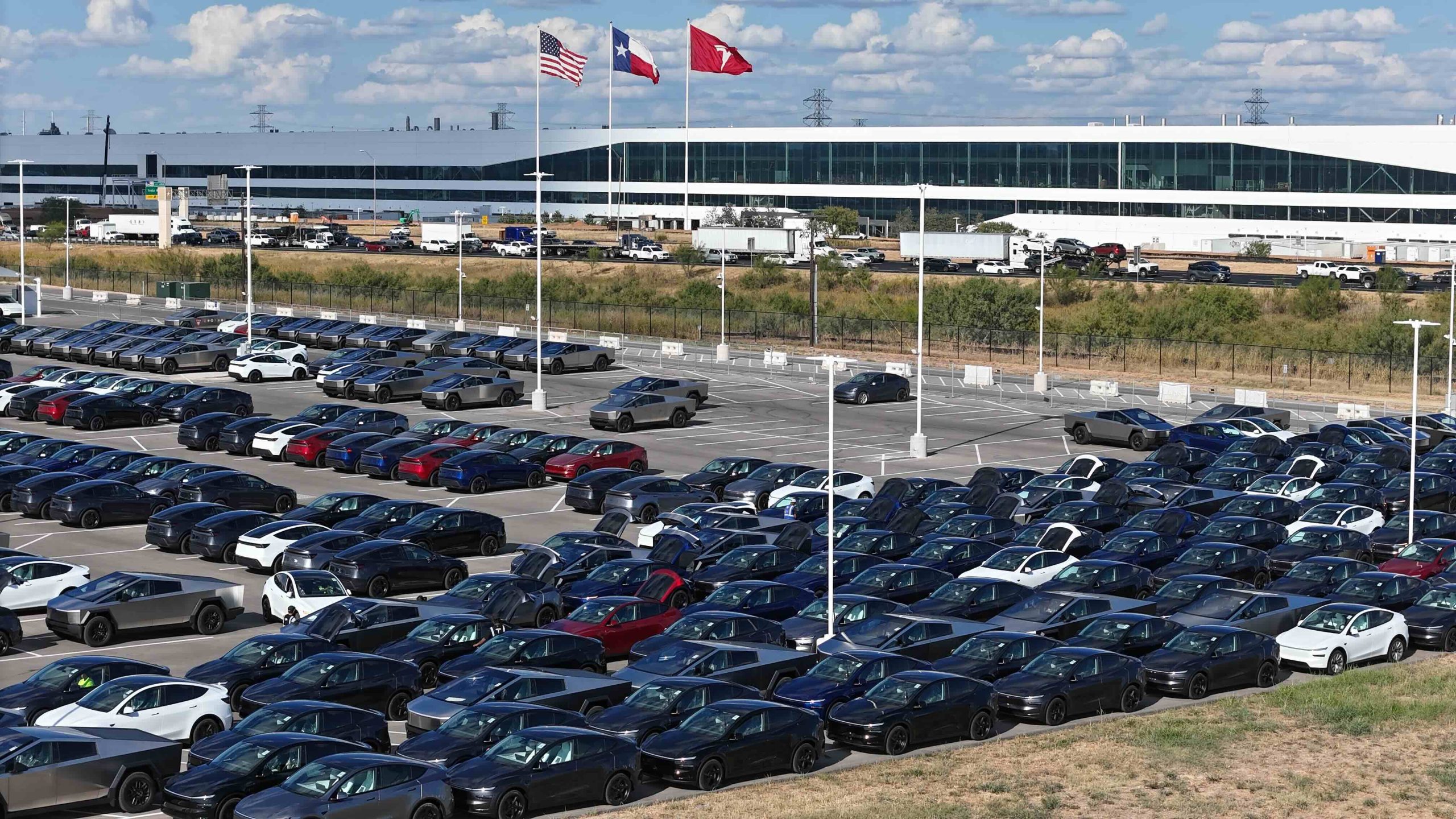
The shift to a 24-hour cycle is primarily focused on the General Assembly lines. Under the new configuration, the plant will run two 12-hour shifts, effectively doubling the daily active production window. Unlike earlier operational models that saw production cease during major holidays—specifically the window spanning Thanksgiving through the New Year—the current plan mandates continuous activity. This decision is indicative of a broader strategic shift within Tesla to prioritize output consistency over the traditional manufacturing calendar.
This transition comes at a time when the facility’s product mix is more diverse than ever. Giga Texas currently serves as the production hub for the Model Y, the extended-range Model Y L, the Cybertruck, and the newly introduced Cybercab robotaxi. While the company has not officially disclosed which specific vehicle lines are prioritized under the new shift structure, analysts suggest that the Model Y and its "L" variant are the primary drivers of this capacity increase. While the Cybercab is a flagship technological achievement, its production volume is currently throttled by the infrastructure and regulatory environment required to support a burgeoning robotaxi fleet. Therefore, the immediate focus of the 24-hour shift remains the high-volume models that anchor Tesla’s quarterly delivery numbers.
Infrastructure Expansion and Technical Support
The increase in production capacity is being bolstered by massive investments in the physical and digital infrastructure surrounding the plant. The "Cortex 2" supercomputer facility, which serves as a cornerstone for Tesla’s AI and autonomous driving development, continues to expand rapidly. Recent site observations indicate a 25 percent extension of the northern end of the structure, alongside the addition of a third cooling plant, necessary to manage the thermal load of the high-performance computing clusters.

Furthermore, the site is seeing concurrent progress on specialized facilities. The Advanced Technology Chip Fab, a collaborative R&D project between Tesla and SpaceX, is nearing a critical construction milestone with the ongoing installation of its heavy steel superstructure and trusses. Additionally, expansion at the Boring Company tunnel site suggests that logistics and site-connectivity projects are proceeding in tandem with vehicle manufacturing. These developments paint a picture of a site that is not merely a factory, but an integrated ecosystem of manufacturing, compute power, and R&D.
Broader Implications for Tesla’s Market Position
The decision to ramp up production at Giga Texas arrives on the heels of a solid third-quarter financial performance for Tesla. By sustaining these levels through the end of 2026, the company is effectively insulating itself against potential supply-side bottlenecks that often plague the automotive industry during the winter months.
From an economic standpoint, the ability to maintain a 12-hour, two-shift rotation across the entire week offers a predictable and scalable output model. If Tesla succeeds in sustaining this pace, the weekly production ceiling for Giga Texas will see a significant upward shift, providing the company with the leverage needed to defend its market share against both legacy automakers and new entrants.

The timing is also significant given the broader competitive landscape. As other manufacturers struggle with the complexities of EV scale and supply chain management, Tesla’s ability to leverage its "all-in-house" approach—evidenced by its command over both hardware production and software compute infrastructure—provides a distinct competitive advantage. The fact that the factory is essentially "always on" allows for tighter feedback loops between engineering, manufacturing, and delivery, reducing the lead time between design iterations and customer handovers.
The Regional and Global Context
While Giga Texas focuses on domestic and North American output, the strategy reflects a global trend within the company. In Berlin, for instance, Tesla recently inaugurated its new Engineering Center (BTEC), which consolidates four engineering sites and 30 laboratories into a single, highly efficient campus. This European hub serves as a template for how Tesla is optimizing its global manufacturing footprint: by placing high-level engineering teams within 30 minutes of the factory floor, the company is drastically reducing the "feedback loop" between development and volume production.
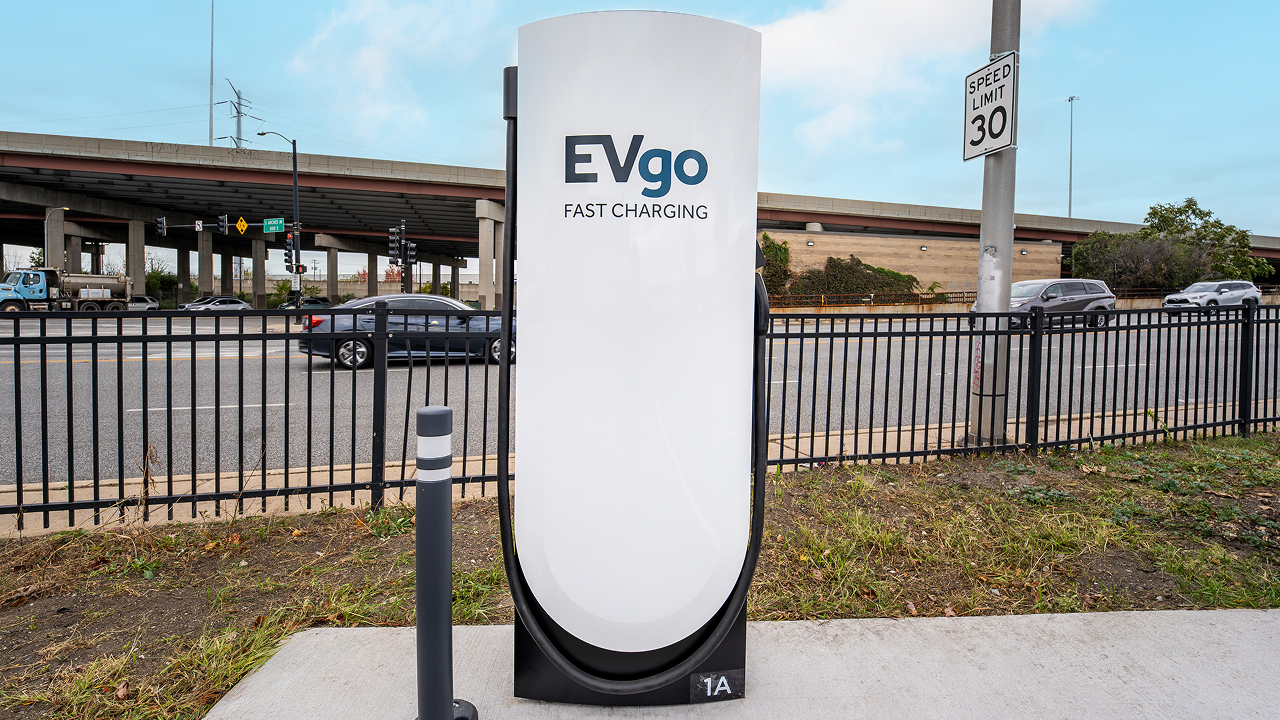
Similarly, the collaboration between Tesla and external charging providers like EVgo highlights a broader industry shift toward a standardized, high-performance charging ecosystem. By leveraging the North American Charging Standard (NACS) and Tesla’s V4 Supercharger hardware, companies like EVgo are expanding their footprint, which in turn benefits the entire EV ecosystem, including Tesla owners. As the density of the charging network increases, the friction associated with EV ownership decreases, further driving the demand that necessitates the 24-hour production schedules now being implemented in Austin.
Looking Ahead to 2027 and Beyond
As Tesla moves through the final quarter of 2026, the focus will remain on operational stability. The shift to a 24-hour model is an ambitious undertaking that requires not only technological alignment but also significant human resource management. By moving away from the "stop-start" nature of traditional automotive manufacturing, Tesla is attempting to normalize the production of electric vehicles to match the efficiency of high-tech consumer electronics.
The success of this initiative will likely be reflected in upcoming quarterly reports, where investors will be looking for improved margins and higher delivery volumes. Should the 24-hour cycle prove sustainable without compromising quality or worker retention, it is likely that this model will be adopted across other major facilities, including Giga Berlin and the expanded Shanghai footprint.
In conclusion, the transition at Giga Texas is a clear signal that the era of "scaling up" is giving way to an era of "scaling out." With the infrastructure for AI and chip development expanding in tandem with the vehicle assembly lines, Tesla is creating a manufacturing environment that is increasingly difficult for competitors to replicate. The next 14 months will be a crucial test of whether the company can maintain this high-tempo operation while continuing to innovate at the pace the market has come to expect. The "Drone GOAT" observations of 24-hour activity are more than just a glimpse into factory logistics; they are a preview of how Tesla intends to maintain its leadership in the global transition to sustainable transportation.
Related posts: