When analyzing the current landscape of personal computing, Dell Technologies remains a cornerstone of the industry, consistently maintaining a dominant market share through its diverse portfolio of mobile workstations, ultra-portables, and gaming hardware. For decades, the brand has served as a benchmark for enterprise-grade reliability and consumer-facing innovation. As the 2025 fiscal year progresses, Dell has initiated a significant strategic pivot, overhauling its product naming conventions to better align with the streamlined branding strategies favored by major competitors like Apple. This shift, which simplifies the transition from the legacy Inspiron, XPS, Latitude, and Precision lines to a tiered "Dell" branding system, marks the most significant architectural change in the company’s product identity since its inception in 1984.

Historical Context and Strategic Evolution
Founded by Michael Dell in an Austin, Texas, dormitory, the company revolutionized the PC market by bypassing traditional retail intermediaries. This direct-to-consumer model allowed Dell to customize hardware to specific user needs—a philosophy that eventually birthed the iconic XPS (Xtreme Performance System) series. By the early 2000s, the "Dude, you’re getting a Dell" campaign solidified the brand in the cultural zeitgeist. However, the 2025 rebranding represents a departure from this historical fragmentation. By consolidating products under the "Dell," "Dell Pro," and "Dell Pro Max" labels, the company aims to reduce consumer confusion, allowing potential buyers to identify product tiers by performance capability rather than legacy nomenclature.
Current Market Leaders: Performance and Utility
As of mid-2025, several models stand out in the crowded laptop market, balancing the demands of high-speed processing with power efficiency. The following models represent the top-tier hardware currently undergoing rigorous laboratory testing at Laptop Mag.
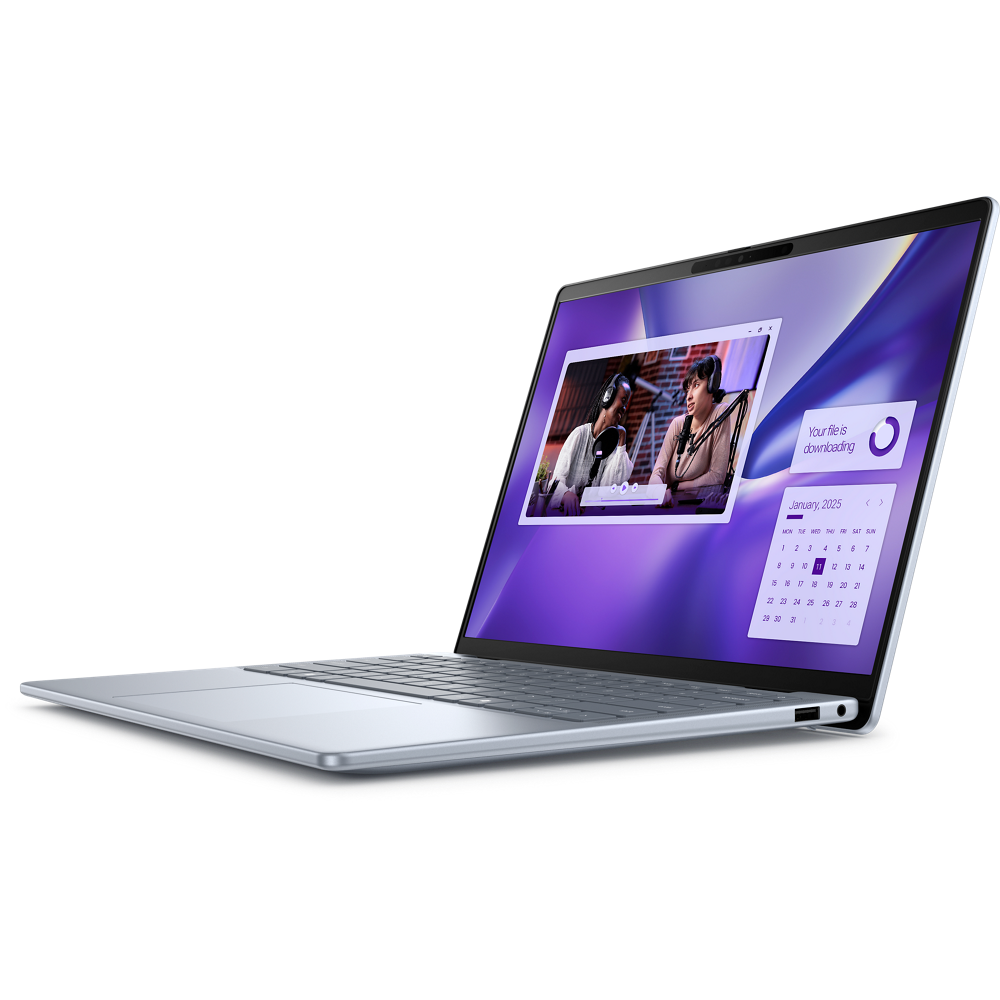
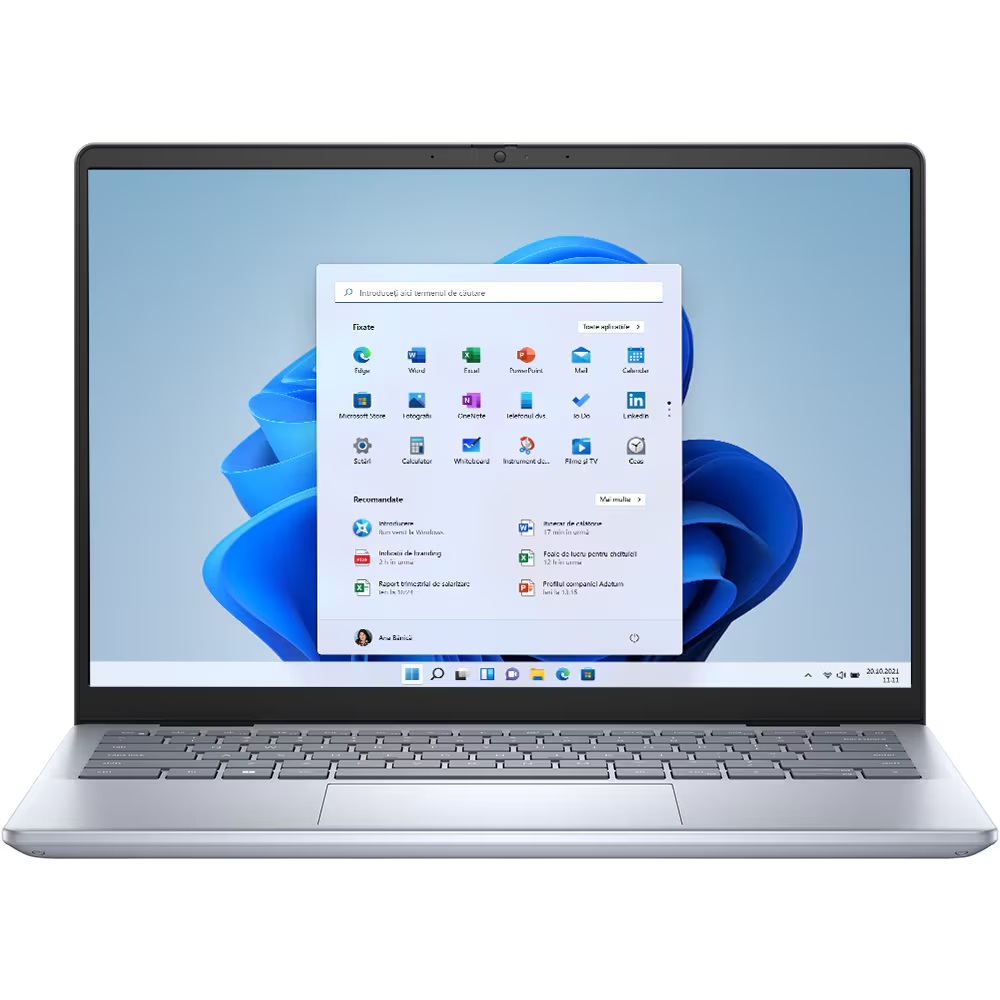
The Dell Inspiron 14 Plus (Snapdragon X Plus)
This device serves as the current flagship for the "Dell" tier. Leveraging the Qualcomm Snapdragon X Plus platform, it delivers a balance of efficiency and portability. With a Geekbench 6 multi-core score of 13,281, it comfortably outperforms the average premium laptop, which sits at approximately 10,435. Perhaps more significantly, the unit demonstrates exceptional battery endurance, clocking in at over 18 hours during standard web-surfing benchmarks. The transition to ARM-based architecture has proven to be a double-edged sword; while it offers class-leading thermals and battery life, users reliant on niche, legacy x86 software must verify compatibility before deployment.
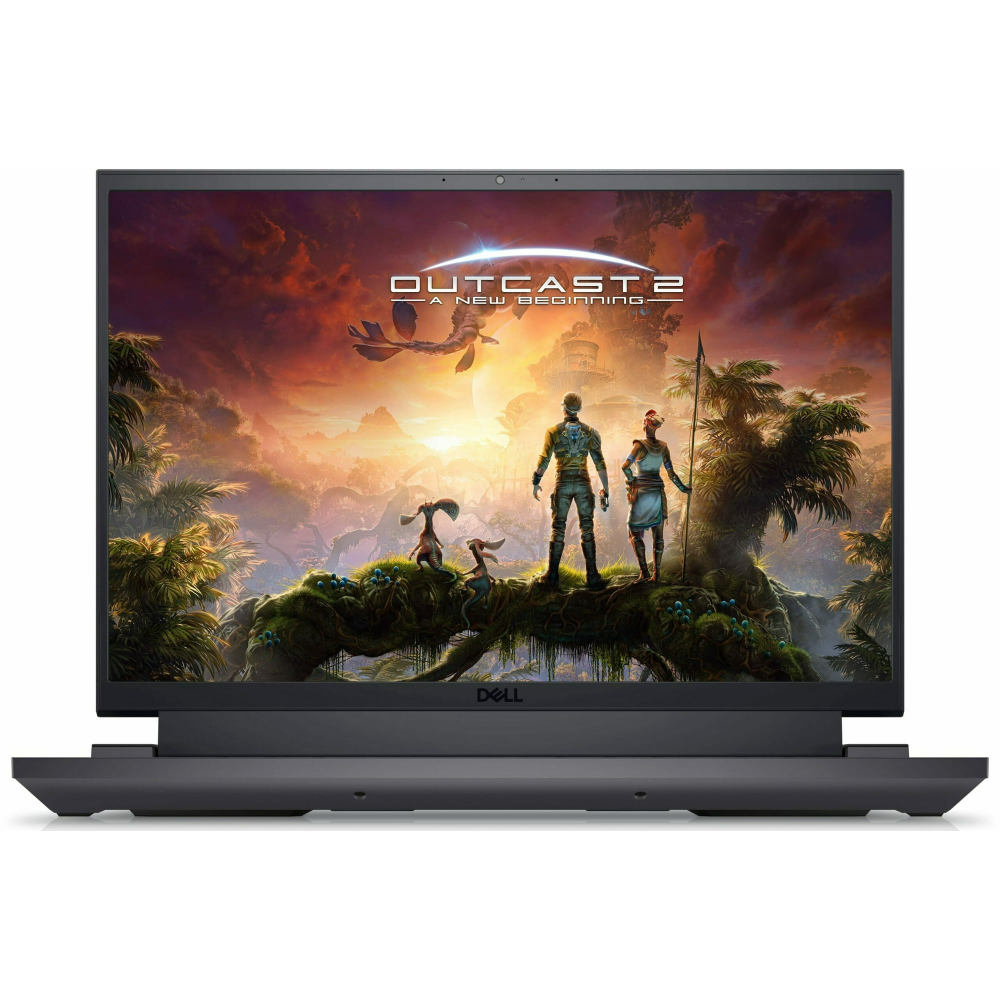
The Dell G16 (7630): Gaming on a Budget
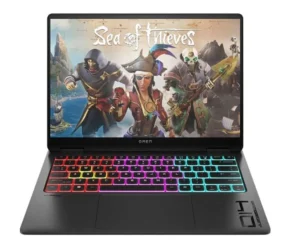
In the gaming sector, the G16 remains an outlier for its price-to-performance ratio. While many manufacturers have abandoned the sub-$1,000 gaming laptop market, Dell has maintained its position by integrating high-end components like the Nvidia GeForce RTX 4060. The inclusion of a 240Hz display and a mechanical keyboard with Cherry MX switches provides a tactile experience rarely seen in this price segment. Testing indicates that it maintains playable frame rates (33 fps) in graphically demanding titles like Cyberpunk 2077 at 1080p Ultra settings, outperforming many competitors that lack similar cooling optimizations.
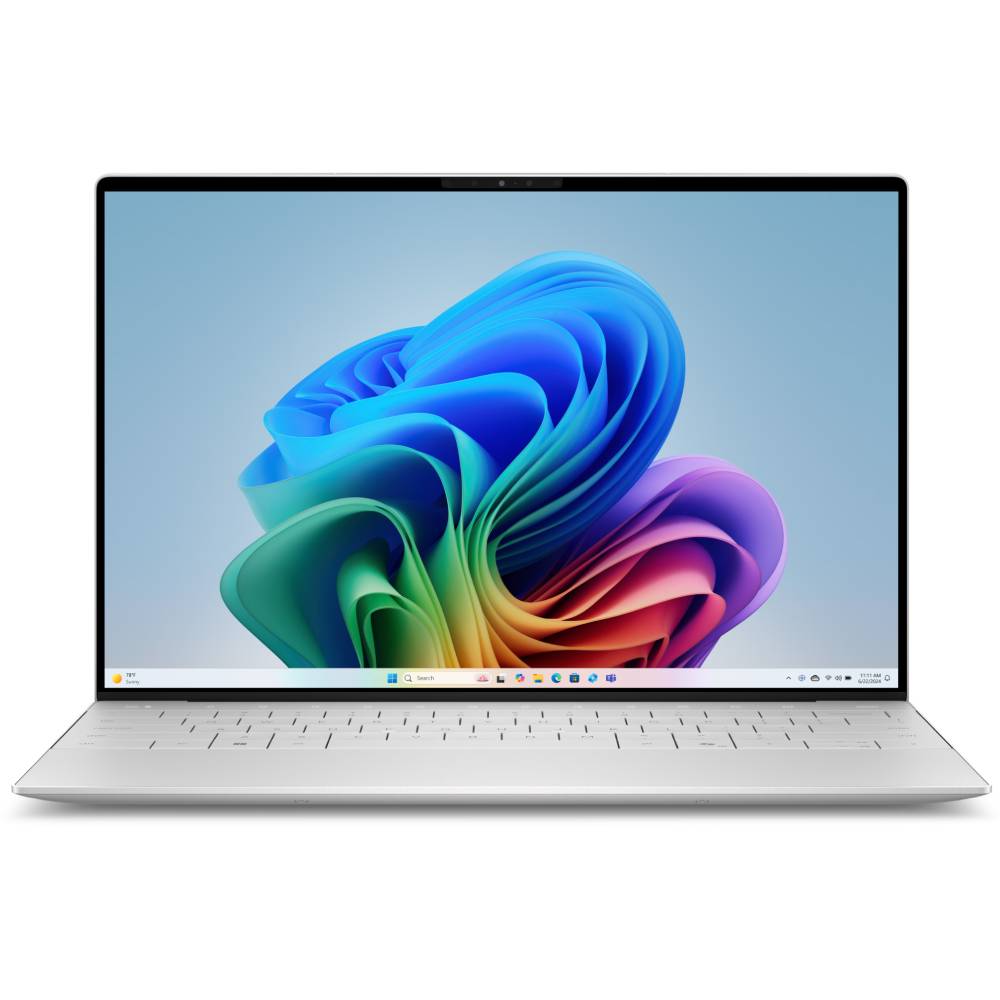
The XPS 13 OLED (Lunar Lake)
For creative professionals and power users, the XPS 13 (9350) remains the gold standard for display technology. Its tandem OLED panel covers 144.6% of the DCI-P3 color gamut, a figure that dwarfs the industry average. While the power draw of such a vibrant display inevitably impacts battery life—yielding approximately 8 hours and 40 minutes—the trade-off is justified for those whose primary workflows involve high-fidelity color grading and image editing.
Comparative Data and Technical Analysis
The following table summarizes the performance metrics of these leading devices based on recent standardized laboratory testing:
| Model | Geekbench 6 (Multi) | Battery Life (Web) | DCI-P3 Gamut |
|---|---|---|---|
| Dell Inspiron 14 Plus (ARM) | 13,281 | 18h 20m | 69.1% |
| Dell Inspiron 14 Plus (Intel) | 12,729 | 15h 06m | 68.4% |
| Dell G16 (7630) | 11,209 | 05h 04m | 114.0% |
| Dell XPS 13 OLED (Lunar Lake) | 11,033 | 08h 40m | 144.6% |
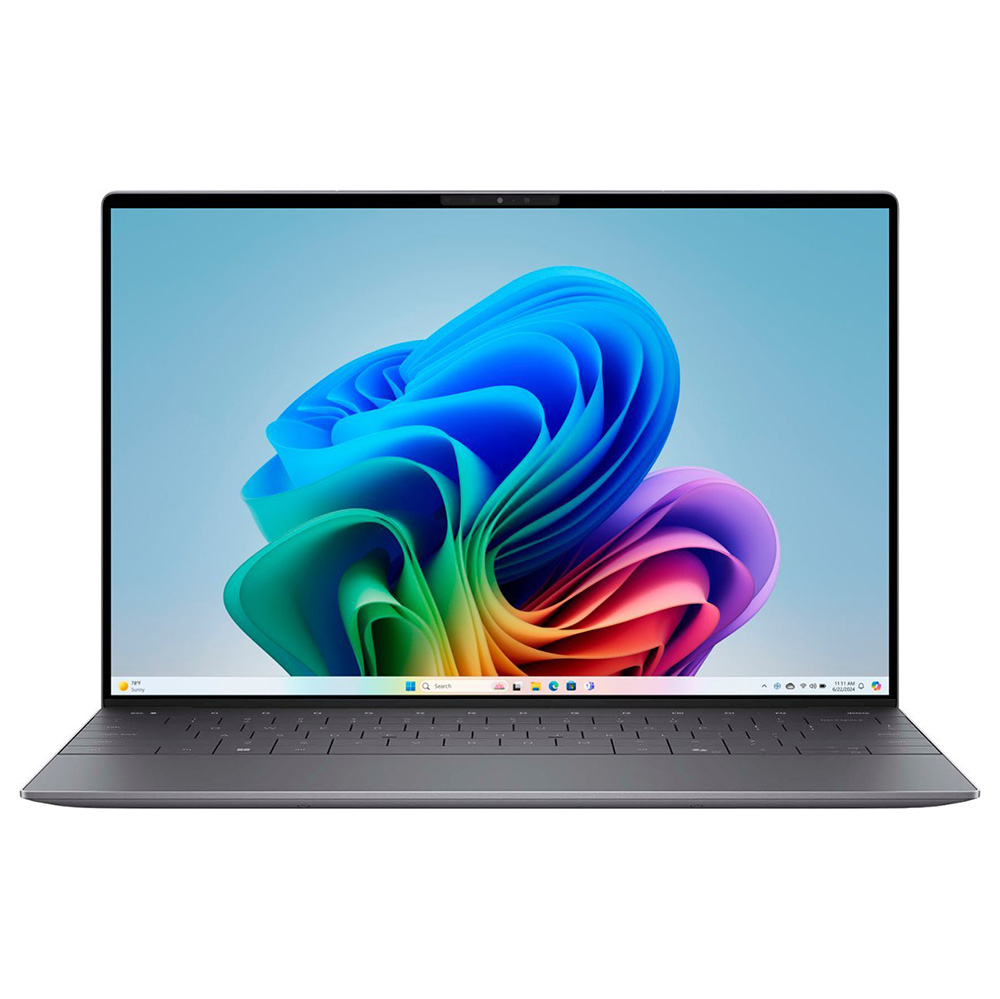
| Dell XPS 13 (Snapdragon) | 14,635 | 19h 01m | 66.9% |
Data compiled via standardized testing protocols at 150 nits of brightness.
The 2025 Naming Convention: Implications for Consumers
The move to consolidate product lines into a tiered structure—Dell (formerly Inspiron), Dell Pro (formerly Latitude), and Dell Pro Max (formerly Precision)—is indicative of a broader industry trend toward simplification. For the enterprise customer, this is particularly beneficial. Procurement departments can now categorize hardware needs based on three distinct tiers:
- Dell: General productivity, education, and standard office tasks.
- Dell Pro: Professional business applications requiring increased security, durability, and port selection.
- Dell Pro Max: Heavy-duty workstation tasks, including CAD rendering, 3D simulation, and 8K video production.
This structural clarity is expected to reduce the "model bloat" that has historically plagued the tech industry, where similar hardware configurations were often hidden behind dozens of distinct, confusing product names.
Manufacturing and Global Logistics
Dell’s manufacturing footprint remains vast, with facilities in Austin, Texas, serving as the hub for North American assembly. However, the company’s ability to scale is largely tied to its massive operations in Shanghai, Shenzhen, Chengdu, and Limerick, Ireland. Despite global geopolitical shifts and supply chain fluctuations, Dell has maintained consistent quality control by standardizing its assembly processes across these international hubs. The firm’s ability to weather the 2024-2025 chip supply constraints is largely attributed to its long-standing relationships with semiconductor giants like Intel, Qualcomm, and Nvidia.
Future Outlook and Final Considerations
As we look toward the remainder of 2025, the laptop market is clearly diverging into two distinct camps: the ARM-based, high-efficiency, long-battery-life machines, and the x86-based, high-performance workstations optimized for legacy software and intensive graphical tasks. Dell is currently the only major manufacturer successfully catering to both extremes with equal commitment.
For the average consumer, the current advice from hardware analysts remains consistent: prioritize battery life if you are a mobile professional, but do not sacrifice necessary processing power if your work requires specific, high-compatibility software environments. With the 2025 product refresh, Dell has provided a clearer roadmap for consumers to navigate these choices. While the brand transition may take time for the public to fully embrace, the underlying hardware improvements demonstrate that the company remains at the forefront of the mobile computing evolution. As new reviews are conducted, consumers should continue to look for benchmarks that prioritize real-world thermal management and color accuracy, as these remain the most significant differentiators in an otherwise saturated marketplace.