Panamint Capital Breaks Ground on $1.7 Billion Big Rooter Power Solar Project at Texas Coal Site

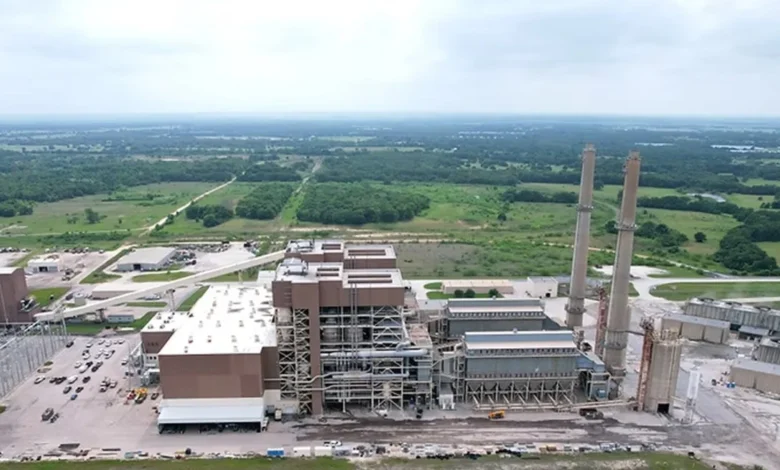
Panamint Capital has officially commenced construction on Big Rooter Power, a massive $1.7 billion solar and energy storage initiative situated at the Twin Oaks power station in Robertson County, Texas. Spanning approximately 10,000 acres, the project represents a significant milestone in the North American energy landscape, marking the largest solar farm ever constructed at an existing coal mining site on the continent. With a total capacity of 1.2 gigawatts (GWdc), the development signals a strategic shift toward hybrid energy hubs that leverage existing industrial footprints to meet the skyrocketing electricity demands of the Texas grid.
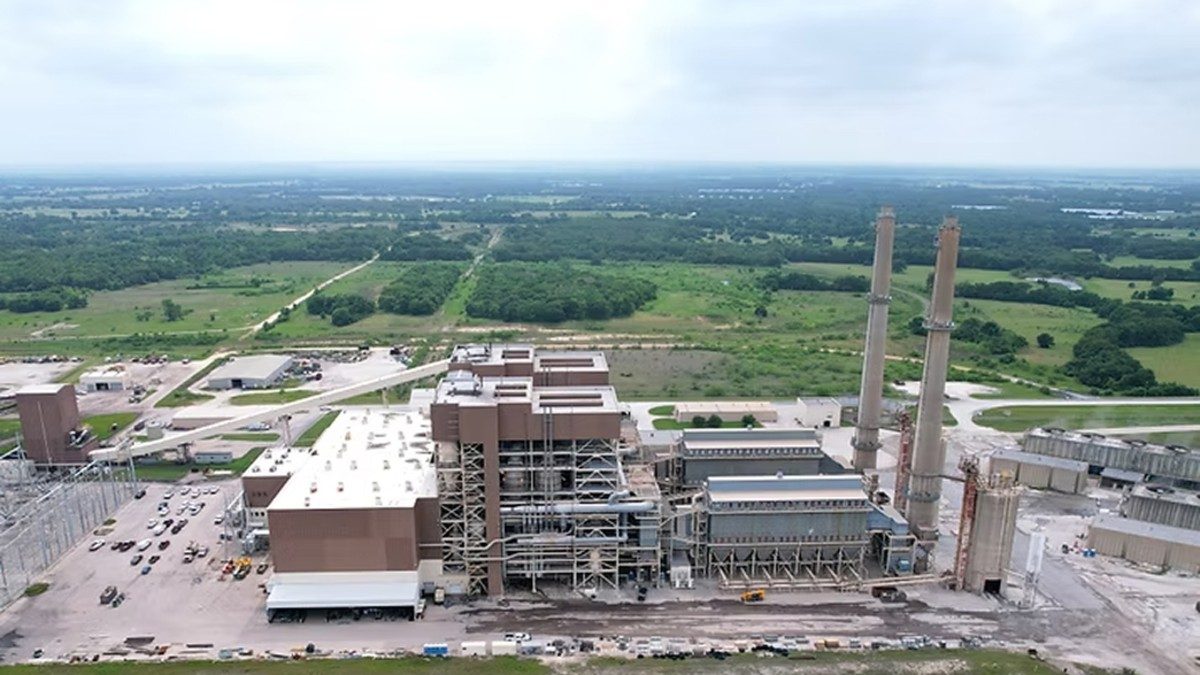
Located roughly halfway between the metropolitan hubs of Dallas and Houston, the Twin Oaks complex is uniquely positioned to serve as a critical node for the Electric Reliability Council of Texas (ERCOT). However, unlike many contemporary renewable projects that aim to replace fossil fuel infrastructure, Big Rooter Power adopts an "all-of-the-above" energy strategy. The existing 310-megawatt (MW) Twin Oaks lignite-fired power plant, which has long been a staple of the local energy economy, is not slated for retirement. Instead, Panamint Capital intends to operate the coal facility alongside the new solar arrays, creating a high-capacity energy campus that integrates traditional baseload power with intermittent renewables and advanced battery storage.
Strategic Infrastructure and Project Phasing
The development of Big Rooter Power is organized into two distinct phases to manage the logistical complexities of such a large-scale installation. The first phase, known as Big Rooter West, has already broken ground. This segment features a capacity of 491 MWdc and is projected to reach commercial operation by August 2028. The second phase, Big Rooter East, is significantly larger at 658 MWdc. Construction for this phase is scheduled to begin in December 2026, with an anticipated completion date in August 2029.
Upon the completion of both phases, the Twin Oaks site will host approximately 1.5 GW of combined coal and solar generation. This energy mix is designed to provide a more resilient power supply to the ERCOT grid, which has faced increasing scrutiny and pressure following extreme weather events and rapid population growth in Texas. To support this massive influx of power, Panamint Capital is also developing more than 20 miles of new 345 kV transmission lines. This infrastructure is essential for moving electricity from the rural Robertson County site to the high-demand urban centers nearby.

Furthermore, the project includes a substantial energy storage component. Panamint plans to install 1.6 gigawatt-hours (GWh) of battery storage at the site. This storage capacity will allow the facility to capture excess solar energy generated during the day and discharge it during peak demand periods, such as early evening hours when solar production drops but air conditioning and industrial use remain high.
Supply Chain and Domestic Economic Impact
A defining characteristic of the Big Rooter Power project is its heavy reliance on domestic manufacturing and local labor. Panamint Capital has partnered with SOLV Energy to lead the engineering, procurement, and construction (EPC) efforts. SOLV Energy will oversee the installation of the solar arrays, the construction of the on-site substation, and the integration of the transmission infrastructure.
The project’s supply chain highlights a commitment to U.S.-based industrial production. Approximately two million solar panels for the site will be supplied by First Solar, with the units being manufactured across the company’s facilities in Ohio, Louisiana, and Alabama. To optimize energy capture, the project will utilize NX Horizon tracking systems provided by Nextracker. These systems allow the solar panels to tilt and follow the sun’s path throughout the day, significantly increasing the efficiency of the 1.2 GWdc array.
In addition to the solar components, the project will incorporate more than 34,000 tons of American-made steel. This focus on domestic sourcing is expected to ripple through the regional economy. Panamint estimates that the construction of Big Rooter West alone will contribute over $66 million to the local economy throughout its lifecycle. The project is also expected to be a major job creator, with more than 800 construction positions anticipated during the peak building phases. Panamint has emphasized a "locals-first" hiring policy and a commitment to utilizing regional vendors for logistics and support services.
The Role of Data Centers and Emerging Demand
The massive scale of Big Rooter Power is a direct response to the changing nature of electricity demand in Texas. While residential growth remains a factor, the primary driver for such large-scale energy investments is the rapid expansion of the data center industry. Texas has emerged as one of the fastest-growing regions for data centers in the United States, with a particular concentration in the Dallas-Fort Worth metroplex.
According to market analysis from JLL, the demand for data center capacity is outstripping the available power supply on the ERCOT grid. Modern data centers, particularly those designed for artificial intelligence (AI) and high-performance computing, require vast amounts of steady, reliable power. By co-locating 790 MW of data center capacity directly at the Twin Oaks site, Panamint Capital is effectively "behind-the-metering" a significant portion of the load. This strategy reduces the strain on the public transmission grid and provides data center operators with direct access to a mix of solar, coal, and battery-stored energy.
The financial viability of the project is underscored by a long-term power purchase agreement (PPA) signed with a single, investment-grade offtaker. While the identity of the buyer has not been publicly disclosed, the contract is expected to extend into the 2050s, providing the long-term revenue certainty required for a $1.7 billion capital investment.
Chronology of Development
The transformation of the Twin Oaks site follows a structured timeline designed to integrate new technologies without disrupting existing operations:
- 2023–Early 2024: Permitting and environmental assessments for the expanded 10,000-acre complex.
- Late 2024: Official groundbreaking for Big Rooter West (491 MWdc) and initial work on transmission corridors.
- 2025–2026: Installation of the first million solar panels and construction of the 1.6 GWh battery storage facility.
- December 2026: Scheduled groundbreaking for Big Rooter East (658 MWdc).
- August 2028: Projected commercial operation date for Phase 1 (Big Rooter West).
- August 2029: Projected commercial operation date for Phase 2 (Big Rooter East) and full integration of the 1.2 GWdc solar capacity.
- 2030 and Beyond: Phased deployment of 790 MW of data center capacity and ongoing operation of the 310 MW coal plant.
Analysis of the "Hybrid" Energy Model
The decision to maintain the Twin Oaks coal plant while building a massive solar farm represents a pragmatic approach to the energy transition. In many parts of the United States, coal plants are being retired in favor of renewables. However, the ERCOT market operates under unique conditions where dispatchable "firm" power is highly valued during periods of grid stress.
Lignite-fired plants, while carbon-intensive, provide a consistent baseload that solar cannot yet match without even more massive storage investments. By keeping the coal plant operational, Panamint Capital ensures that the site remains a reliable contributor to the grid even during extended periods of cloud cover or at night. This hybrid model—combining the reliability of fossil fuels with the low marginal cost of solar—is becoming an increasingly attractive blueprint for energy developers in deregulated markets like Texas.

Furthermore, utilizing a former coal mining site for solar development offers significant environmental and logistical advantages. These sites are often already zoned for industrial use and possess existing grid interconnection points, which can save years of administrative delays. By repurposing the 10,000-acre Twin Oaks site, Panamint is maximizing the utility of land that has already been impacted by industrial activity, rather than converting pristine agricultural or natural land.
Official Statements and Industry Reaction
Apolka Totth, the CEO of Panamint Capital, framed the project as a vital step toward American energy independence and infrastructure optimization. "Big Rooter Power represents our vision for getting more out of America’s energy infrastructure and ensuring America’s energy dominance," Totth stated during the groundbreaking announcement. The company’s leadership views the project not just as a power plant, but as a comprehensive energy ecosystem capable of supporting the next generation of industrial demand.
Industry analysts suggest that the Big Rooter project could set a precedent for other coal-heavy regions. As the EPA tightens regulations on emissions, the "solar-plus-coal" model allows owners of fossil fuel assets to diversify their portfolios and extend the economic life of their properties. In Texas, where the political climate often favors a diverse energy mix, this approach avoids the contentious debates surrounding total fossil fuel divestment while still contributing significantly to the state’s decarbonization goals through the addition of 1.2 GW of clean energy.
Broader Impact on the ERCOT Grid
The addition of 1.2 GW of solar and 1.6 GWh of storage will provide a meaningful buffer for ERCOT. During the summer of 2023 and the winter of 2024, the Texas grid faced several "tight" intervals where operating reserves dipped to critical levels. Solar power has proven to be a lifesaver during Texas summer afternoons, often providing the peak capacity needed to avoid rolling blackouts.
However, the rapid influx of solar has also created the "duck curve" effect, where the grid sees an oversupply of power during the day followed by a sharp need for ramp-up capacity as the sun sets. The Big Rooter project addresses this directly through its battery storage component. By smoothing out the delivery of solar power and maintaining the coal plant’s steady output, the Twin Oaks complex will act as a stabilizing force rather than a source of volatility.

As Texas continues to lead the nation in both energy consumption and renewable energy growth, projects like Big Rooter Power illustrate the complexity of the modern energy transition. It is a transition characterized not by a sudden switch, but by the layering of new technologies onto the foundations of the old, driven by the relentless demand of a digital-first economy. For Robertson County, the $1.7 billion investment ensures that it will remain at the heart of the Texas energy story for decades to come.