XCMG Reveals the SDA411: A Cabless, Fully Electric Autonomous Terminal Truck Redefining Yard Logistics

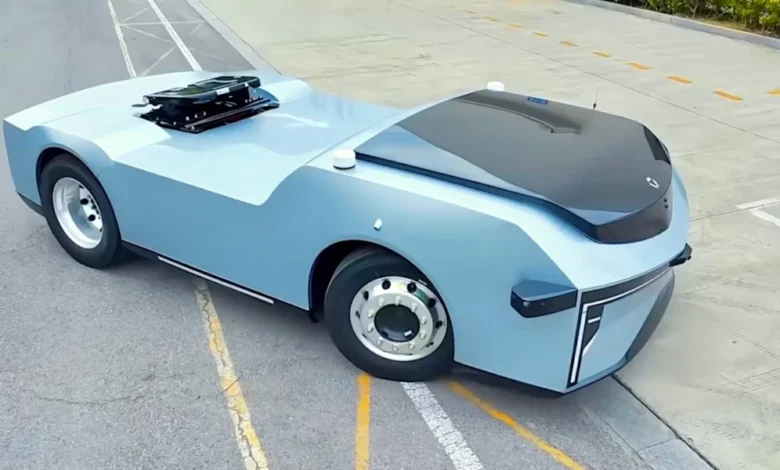
The global logistics and drayage sectors are undergoing a quiet revolution, driven by the convergence of electrification and heavy-duty autonomy. Chinese industrial equipment manufacturing giant XCMG has formally unveiled its latest innovation in warehouse and port automation: the SDA411 concept terminal truck. Built from the ground up as a fully electric, cab-less vehicle, the SDA411 features an advanced Level 4 (L4) autonomous driving stack designed explicitly for unmanned logistics operations. This introduction signals a potential paradigm shift for freight movement, container yards, and intermodal facilities worldwide, as companies increasingly seek technological solutions to systemic labor shortages and rising operational costs.
The Nature of Terminal Truck Operations and Electrification
Terminal trucks, frequently referred to in the industry as yard trucks, yard goats, spotters, or drayage tractors, perform some of the most grueling yet mechanically straightforward tasks in the supply chain. These heavy-duty vehicles spend their operational lives moving trailers and shipping containers within confined environments such as distribution centers, rail yards, container ports, and manufacturing complexes.
By nature, these operational profiles are ideally suited for battery-electric propulsion. Yard operations typically involve low operating speeds, high torque requirements, short travel distances, and constant stop-and-go maneuvers. Traditional internal combustion engine (ICE) yard trucks suffer from high maintenance overhead, constant engine idling, significant emissions, and rapid wear on drivetrain components due to the repetitive nature of the work. Electric drive systems eliminate these inefficiencies, providing instant torque, zero tailpipe emissions, silent operation, and dramatically reduced mechanical wear.
While companies like Orange EV, Kalmar, and various logistics enterprises have increasingly deployed electric yard trucks to decarbonize their fleets, XCMG’s SDA411 takes this concept to its logical technological conclusion. By completely removing the driver’s cab, the manufacturer has bypassed the traditional constraints of human-operated vehicles, designing a machine dedicated entirely to automated cargo movement.
Technological Specifications and Autonomous Capabilities
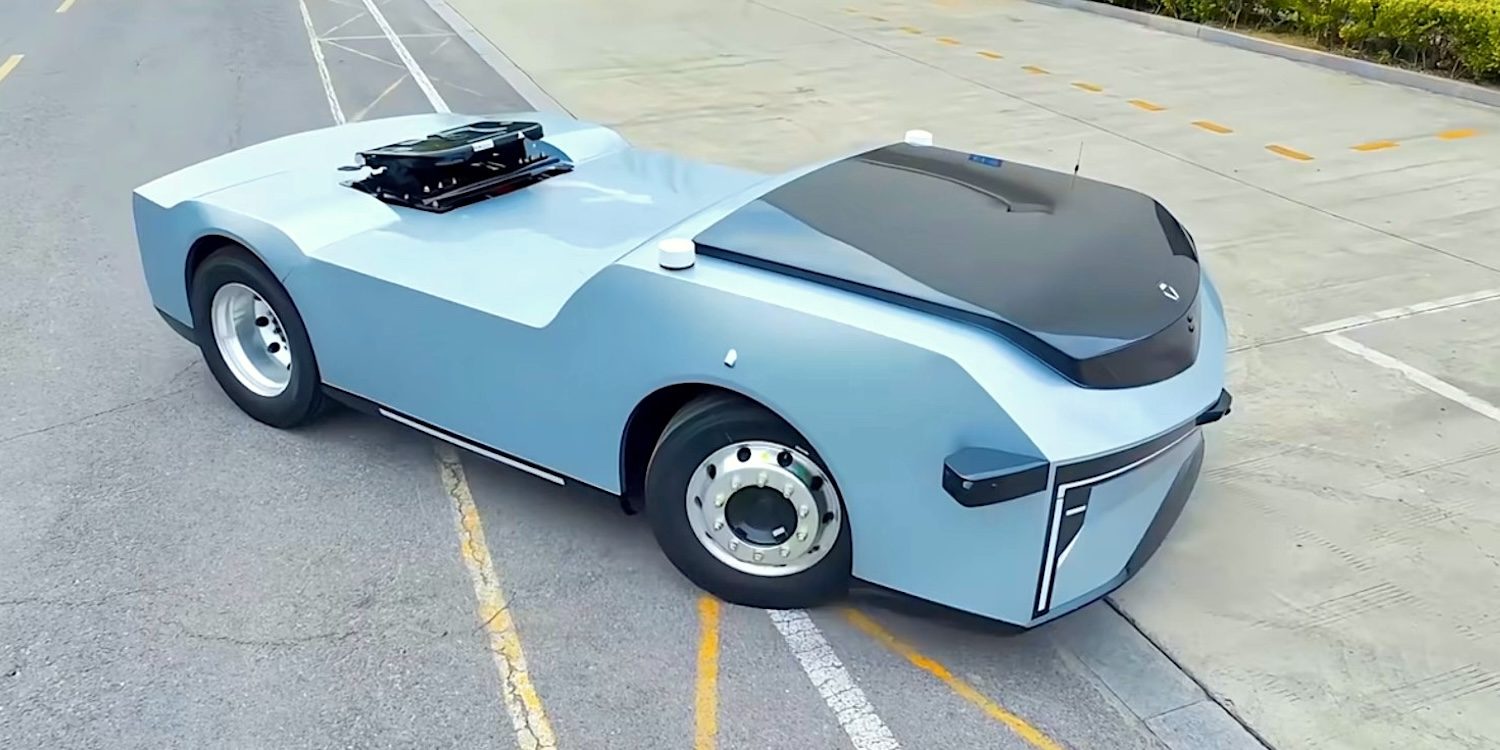
The removal of the operator cabin is the defining architectural feature of the XCMG SDA411. Without the need for space, climate control, or safety equipment allocated for a human driver, the vehicle’s footprint is optimized purely for structural integrity, battery housing, and sensor placement.
At the core of the SDA411’s operation is a sophisticated Level 4 autonomous driving system. According to disclosures from XCMG, the vehicle is equipped with a comprehensive 360-degree perception suite that integrates multiple sensor modalities—likely including LiDAR, radar, high-definition cameras, and ultrasonic sensors—to map its surroundings in real time. This sensor array underpins the truck’s core capabilities: autonomous navigation through complex industrial layouts, dynamic obstacle detection and emergency braking, precise task execution, and automated parking or docking.
Demonstration footage released by the manufacturer via professional networking platforms illustrates the vehicle navigating internal campus roadways, executing sudden emergency stops in response to simulated hazards, and autonomously maneuvering to designated charging stations. While human intervention is currently required to physically plug the vehicle into its charger, the operational workflow showcases a high degree of maturity for a concept platform. Industry analysts note that automated inductive charging or robotic plug-in arms—similar to those developed by mining and industrial technology firms like Fortescue and KUKA—will likely be integrated into future production variants to achieve fully uncrewed round-the-clock operations.
Addressing the Global Operator Shortage
The unveiling of the SDA411 arrives against the backdrop of a severe and worsening labor shortage within the transportation and logistics sectors. Across North America, Europe, and Asia, fleet operators face unprecedented challenges in recruiting and retaining qualified heavy-duty vehicle drivers and yard operators. Despite rising wages, signing bonuses, and improved benefit packages, younger generations are increasingly hesitant to enter professions characterized by grueling schedules, repetitive tasks, and long periods away from home.

Compounding this recruitment deficit is an aging demographic profile among current logistics professionals. As veteran operators approach retirement age, the pipeline of incoming talent remains insufficient to maintain historical staffing levels. This structural imbalance threatens to create bottlenecks in the global supply chain, slowing the movement of goods from ports to distribution hubs.
Autonomous platforms like the SDA411 are increasingly viewed by industry stakeholders not merely as cost-cutting measures, but as critical operational necessities to maintain baseline productivity. By transferring repetitive, low-speed yard maneuvering to autonomous systems, logistics facilities can insulate themselves against labor volatility. Furthermore, industry experts suggest that the deployment of autonomous yard equipment can transform human labor rather than entirely replace it. Rather than sitting in a cab for ten hours moving trailers back and forth, human workers can transition into supervisory, monitoring, and fleet management roles, overseeing multiple autonomous units simultaneously and extending their careers into less physically demanding positions.
Market Implications and the Competitive Landscape
The introduction of the SDA411 places XCMG in direct, forward-looking competition with established terminal tractor manufacturers and emerging autonomy startups. Companies such as Kalmar—a subsidiary of Cargotec—and Orange EV have made significant strides in commercializing electric yard trucks. Concurrently, autonomous software developers like Outrider have partnered with hardware manufacturers to retrofit existing electric yard fleets with self-driving capabilities.
However, purpose-built, cab-less vehicles like the SDA411 represent a distinct engineering philosophy. By eliminating the cab entirely, manufacturers save on material costs, reduce aerodynamic and structural weight, and optimize weight distribution around heavy battery packs. This specialized design could potentially lower the total cost of ownership (TCO) compared to retrofitted autonomous trucks that still carry the dead weight of an unutilized driver compartment.
The broader market implications will depend heavily on regulatory approvals, safety certifications, and the speed at which industrial facilities can adapt their infrastructure to support mixed-traffic autonomous operations. While public roadways remain decades away from universal acceptance of cab-less heavy vehicles, private yards, ports, and intermodal hubs operate under private jurisdiction, offering a much faster regulatory pathway for commercial deployment.

Outlook for Industrial Logistics
As XCMG continues to refine the SDA411 through testing and preliminary deployments, the broader logistics industry is watching closely. The convergence of zero-emission electrification and Level 4 autonomy is no longer a distant theoretical exercise; it is rapidly materializing on proving grounds and corporate campuses around the globe.
Whether the SDA411 becomes the dominant template for future drayage operations or serves as a foundational stepping stone for subsequent iterations, it underscores the definitive trajectory of yard logistics. As ports, warehouses, and distribution centers face mounting pressure to increase throughput while reducing carbon footprints and labor dependency, the era of the autonomous, cab-less electric terminal truck is steadily moving from concept to commercial reality.