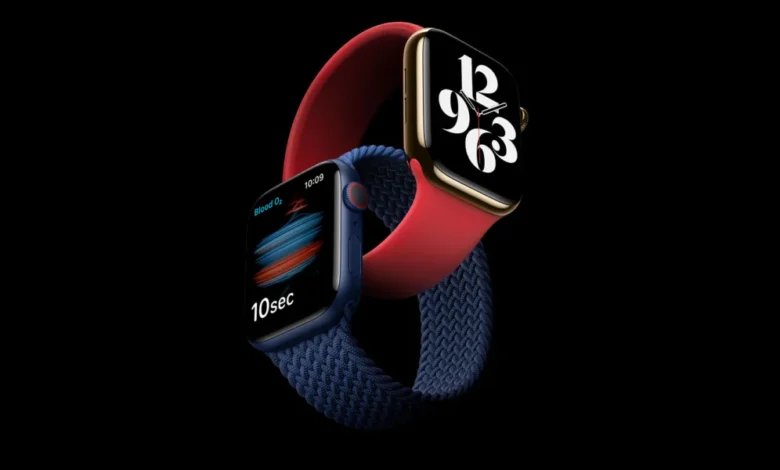
The legal battle between consumer technology giant Apple Inc. and health-technology developer Masimo Corporation has reached a new financial milestone. Nearly a year after a federal jury found that Apple infringed upon Masimo’s patented low-power pulse oximetry technology used in the Apple Watch, a federal judge has ordered the tech titan to pay an additional $184 million in interest. This substantial sum comes on top of an already staggering $634 million damages verdict handed down in the ongoing intellectual property dispute, compounding the financial stakes of a legal conflict that has already reshaped how millions of consumers interact with their smartwatches.
The latest ruling, delivered by U.S. District Judge James V. Selna in the U.S. District Court for the Central District of California, underscores the profound legal consequences of unauthorized patent utilization in the consumer electronics sector. While the multi-hundred-million-dollar figure represents a severe blow to Apple’s bottom line, the case extends far beyond simple monetary penalties. It highlights a multi-year war of attrition between Silicon Valley’s most valuable hardware maker and a specialized medical monitoring firm, touching upon international trade bans, product redesigns, and the fierce protection of biomedical intellectual property.
Chronology of the Dispute: From Early Collaborations to Federal Courtrooms
The roots of the conflict between Apple and Masimo trace back several years before the initial lawsuits were filed. According to court records and public disclosures, executives and engineers from Apple approached Masimo around 2013, ostensibly to explore a potential business partnership or acquisition. During these meetings, Masimo shared confidential technical information regarding its non-invasive pulse oximetry innovations—technology capable of measuring blood oxygen levels via light absorption through the skin.
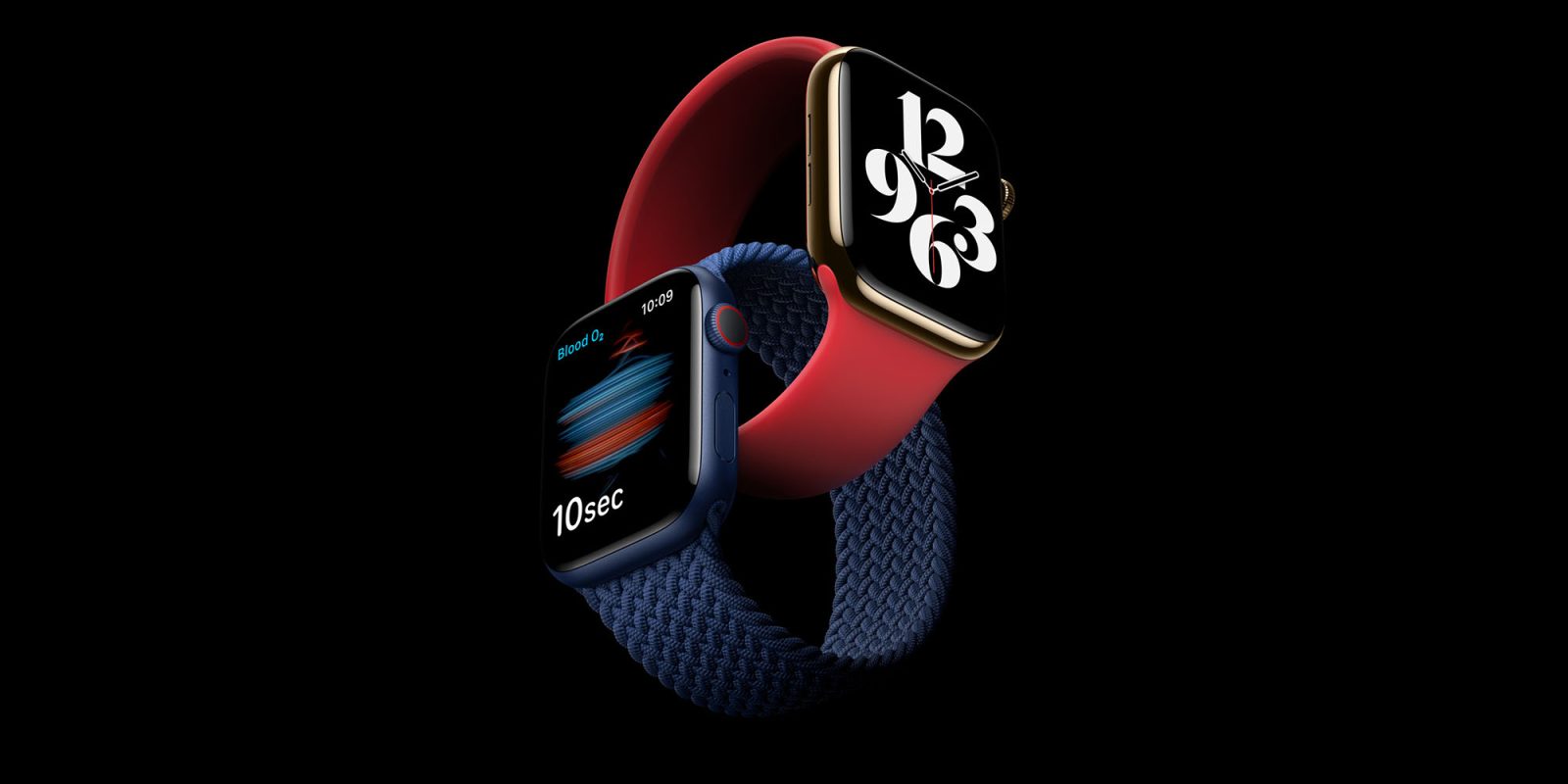
Instead of entering into a formal business relationship or licensing agreement, Apple subsequently recruited key Masimo engineers and executives, including Michael O’Reilly, Masimo’s former chief medical officer. Armed with proprietary insights and specialized talent, Apple proceeded to develop its own blood oxygen monitoring system, integrating the feature into the Apple Watch Series 6 in 2020 and continuing its inclusion in subsequent flagship models.
Recognizing the unauthorized appropriation of its patented methods for power-efficient pulse oximetry, Masimo initiated legal action. The dispute manifested on multiple distinct fronts:
- 2020: Masimo files its initial patent infringement lawsuits against Apple in federal court, alongside complaints filed with the U.S. International Trade Commission (ITC).
- 2023: The ITC rules in favor of Masimo, determining that Apple violated Section 337 of the Tariff Act of 1930 by importing and selling Apple Watches that infringed on Masimo’s patents.
- December 2023: Faced with an impending import ban mandated by the ITC, Apple briefly halts sales of the Apple Watch Series 9 and Apple Watch Ultra 2 in the United States, creating a major holiday-season disruption for the company.
- Early 2024: To bypass the import ban, Apple deploys a software update that disables the blood oxygen app on newly sold U.S. units, effectively neutering the hardware capability to secure regulatory compliance.
- Late 2025: A federal jury orders Apple to pay $634 million in damages for patent infringement, representing the estimated value of the license fees Apple should have paid to Masimo.
- Current Ruling: Judge Selna orders Apple to pay an additional $184 million in pre- and post-judgment interest, pushing the total direct financial liability from the lawsuit well past the $800 million mark.
Financial Breakdown and Judicial Reasoning
The core of the recent hearing centered on whether Apple should be required to pay interest on the original $634 million verdict. Masimo’s legal representation argued that interest was necessary to fully compensate the company for the prolonged period it was deprived of rightful licensing royalties. They initially petitioned for a compounding interest rate calculated at 7%.
Apple strongly contested this request, asserting that adding a substantial interest penalty would create an unfair "windfall" for Masimo, given the massive scale of the primary damages award. However, Judge Selna firmly rejected Apple’s argument. In his ruling, the judge pointed to established U.S. Supreme Court precedent, which dictates that awarding interest from the time royalty payments would have originally been received serves the fundamental purpose of making the patent owner whole.

While Judge Selna ruled against Apple regarding the principle of interest, he did offer a partial concession. Rather than granting Masimo’s requested 7% rate, the judge determined that the interest rate should be benchmarked against Masimo’s own corporate borrowing costs. Despite this more conservative rate, the application of annual compounding over the timeline of the litigation pushed the total interest bill to $184 million.
The International Trade Commission Battle and Product Redesigns
While the civil lawsuit managed the question of financial damages, the ITC proceedings posed an existential threat to Apple’s hardware sales. The trade agency’s decision to ban the importation of infringing Apple Watch models forced Apple’s engineering teams into a frantic race to find a workaround.
For months, consumers purchasing the Apple Watch Series 9 and Apple Watch Ultra 2 in the United States found the blood oxygen monitoring application entirely absent. The feature, heavily marketed as a vital health and wellness tool for tracking respiratory fitness, was rendered dormant on domestic devices while remaining active on units sold internationally.
The standoff highlighted the vulnerability of vertically integrated tech giants when relying on proprietary medical patents held by smaller, specialized firms. Apple eventually secured a federal appeals court temporary stay and subsequently introduced a redesigned iteration of the blood oxygen feature that bypassed the specific claims held by Masimo. By altering the underlying software algorithms and data processing methods used to interpret light signals, Apple managed to satisfy regulatory hurdles and bring the functionality back to U.S. consumers, albeit under intense legal scrutiny.

Broader Industry Implications and Future Outlook
The outcome of the Masimo versus Apple legal saga carries significant ramifications for the broader consumer technology and wearable health sectors. As smartwatches and fitness trackers increasingly transition from simple step-counters into sophisticated diagnostic and monitoring tools, the boundary between consumer electronics and medical devices continues to blur.
Tech companies frequently engage smaller innovators for partnerships, acquisitions, or consultations. This case serves as a cautionary tale regarding corporate recruitment and intellectual property hygiene. When dominant platforms absorb engineering talent from smaller firms, courts are showing an increasing willingness to heavily penalize organizations that cross the line from independent development into unauthorized patent use.
Furthermore, the scale of the financial penalty—exceeding $818 million in total when combining the initial verdict and the new interest assessment—demonstrates that intellectual property infringement in the tech sector carries catastrophic financial risks. Even for a company of Apple’s immense market capitalization, nearly a billion dollars in liability for a single peripheral feature underscores the high economic stakes of modern patent litigation.
As legal teams review the details of Judge Selna’s order, further appeals remain a distinct possibility. Apple has consistently defended its proprietary design processes and contested the validity of Masimo’s patents throughout the proceedings. However, with federal judges and juries systematically siding with Masimo on core infringement and compensation principles, the technological giant faces an uphill battle in mitigating the long-term fallout of one of its most challenging patent defeats to date.