SpaceX Clears Final Rehearsal Hurdles as Starship Flight 14 Targets Historic Orbital Insertion

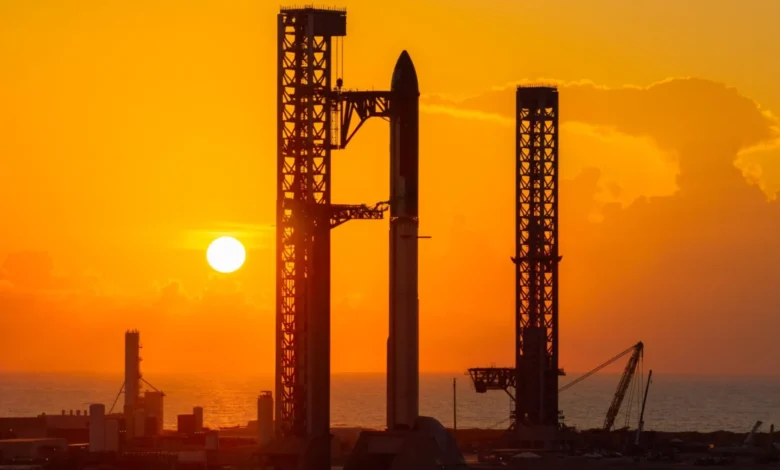
SpaceX has successfully completed the wet dress rehearsal for Starship Flight 14, marking a pivotal milestone in the company’s quest to transition from suborbital flight testing to operational orbital missions. With the countdown simulation concluded at Starbase, Texas, on Thursday, the massive 407-foot stack—comprising Booster 21 and Ship 41—is now cleared for its first attempt at reaching Earth orbit, scheduled for Monday, September 28. The launch window is slated to open at 7:15 a.m. CT, providing a 75-minute opportunity for liftoff.
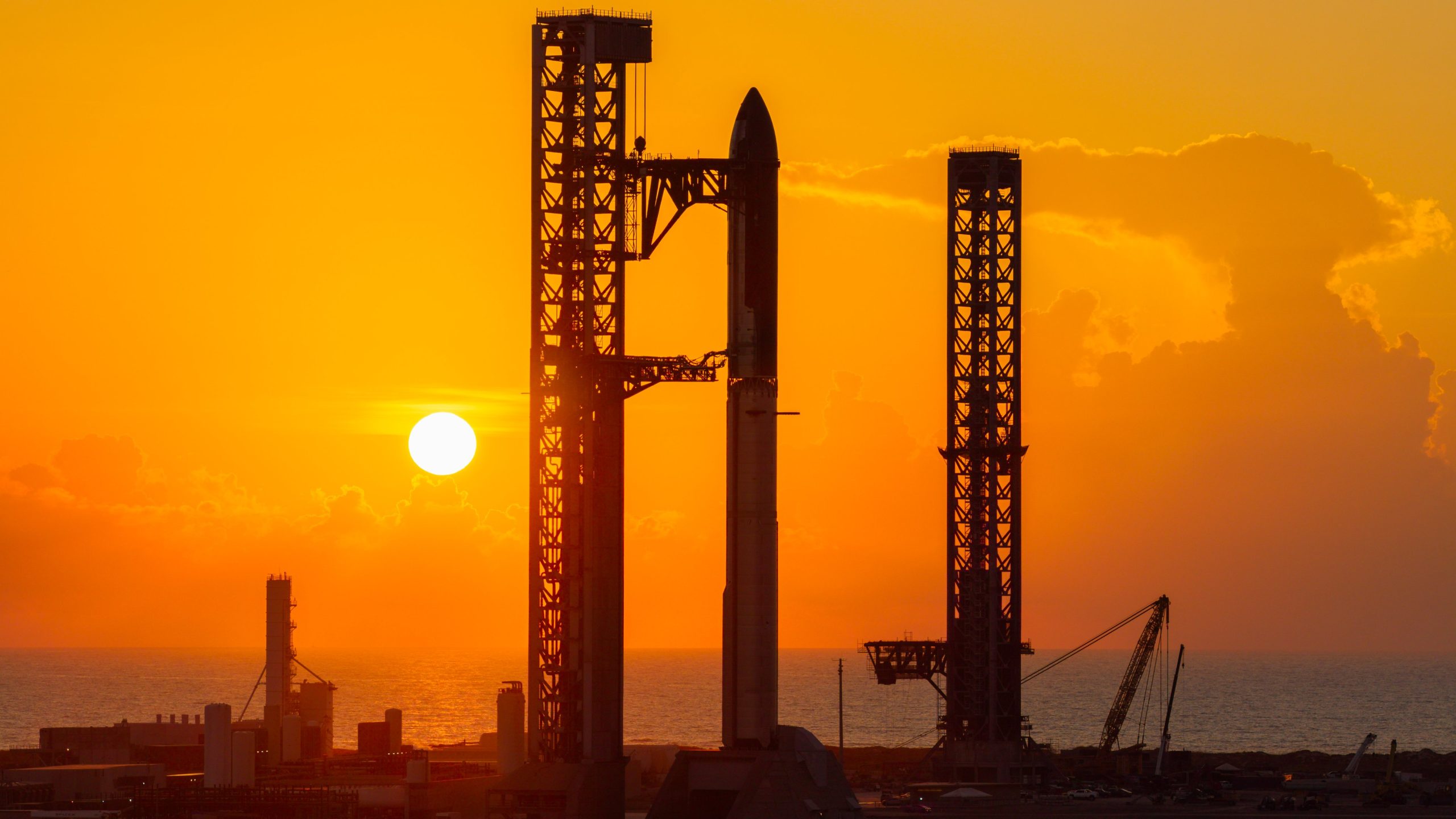
This rehearsal, often described as a launch day without the ignition, involved fueling the vehicle with thousands of tons of cryogenic liquid oxygen and methane. By cycling through the final minutes of the automated countdown, SpaceX engineers were able to stress-test the ground support equipment and verify the health of the vehicle’s fluid systems. While the technical readiness is now confirmed, the mission remains contingent upon the final issuance of a launch license from the Federal Aviation Administration (FAA).
A New Chapter in Orbital Mechanics
The significance of Flight 14 cannot be overstated. All previous thirteen missions were confined to suborbital trajectories, essentially performing long-range ballistic arcs that terminated in the atmosphere. These flights were critical for gathering data on reentry dynamics and thermal protection system (TPS) performance. However, Flight 14 represents the first time SpaceX will attempt an orbital insertion burn.
Approximately 25 minutes after liftoff, Ship 41 is programmed to ignite a single Raptor engine to achieve orbital velocity. This maneuver will transition the craft from a falling trajectory to a stable orbit at an altitude of roughly 275 kilometers (171 miles). The mission profile dictates an orbital duration of nearly 10 hours, during which the ship will complete approximately six revolutions around the planet. This phase is designed to test the long-term endurance of Starship’s systems, including life support (if applicable to future crewed iterations), power management, and communication arrays, in the harsh environment of space.
Technical Enhancements and Heat Shield Evolution
The hardware for Flight 14 incorporates several lessons learned from the failures and successes of the preceding flights. A primary area of focus has been the thermal protection system. Following reports of tile loss during previous reentries, Ship 41 features reinforced fasteners and a refined tile layout, including curved tiles designed to minimize the gaps where superheated plasma could potentially breach the structure.

Notably, this flight will mark the first instance of hardware reuse within the heat shield program. Two tiles recovered from the Ship 40 mission will be integrated into the heat shield of Ship 41. This is a critical validation for SpaceX’s long-term goal of rapid, airline-like reusability. Additionally, Booster 21 has undergone significant upgrades to its engine relight software and filtration systems. Previous boosters struggled with ice accumulation during the transition from the boost phase to the landing burn, which led to engine failures. The refined software and enhanced filtering are expected to provide a higher degree of reliability during the critical descent maneuvers.
Expanding the Starlink Constellation
Flight 14 is not merely a test flight; it serves a functional purpose in the expansion of the Starlink network. While Flight 13 carried 20 V3 satellites that were ultimately lost because they failed to reach orbit, Flight 14 is tasked with the deployment of 26 V3 units. These satellites are designed to augment the global network capacity by an estimated 26 terabits per second.

Beyond the raw data throughput, three of these satellites are equipped with specialized external cameras. These sensors will provide high-resolution imaging of the Starship’s heat shield during the orbital phase, allowing ground control to assess the integrity of the tiles before the vehicle begins its descent. This capability is expected to provide invaluable diagnostic data for future missions, potentially identifying stress points that are invisible to ground-based monitoring.
The Broader Landscape: Orbital Compute and Industrial Integration
The ambition surrounding Starship is mirrored by developments in other sectors of the SpaceX and broader aerospace ecosystem. The company is currently moving forward with the development of "Gigasat" hardware, designed for large-scale orbital computing. This initiative is being monitored closely by tech giants like Google, which recently announced its own foray into space-based computing via the Project Suncatcher initiative.
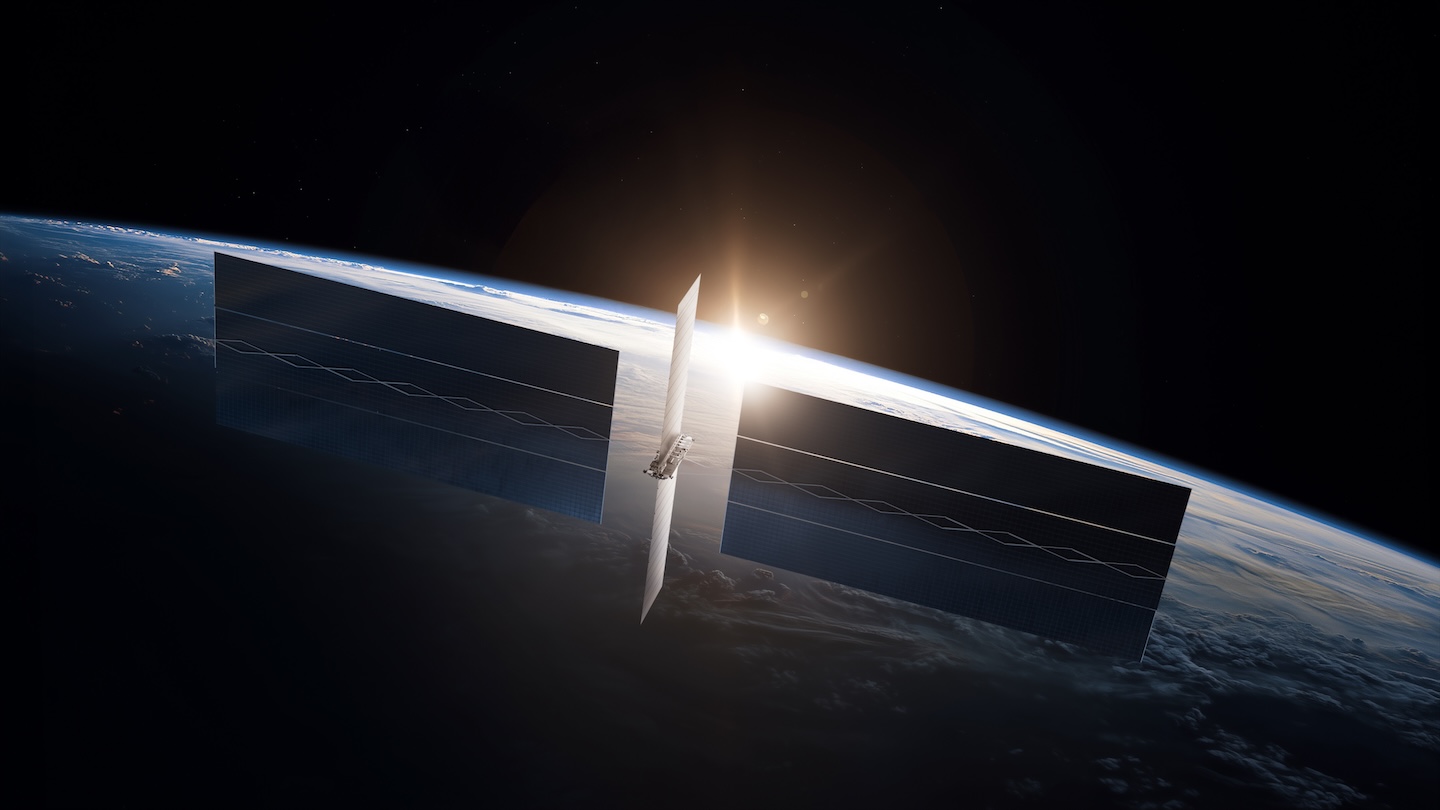
Google’s "MVP" satellite, scheduled to launch on a separate SpaceX Transporter mission, aims to test the viability of running Gemini AI models in orbit using custom Tensor Processing Units (TPUs). While SpaceX’s vision for orbital data centers—targeting 150 kW of compute per satellite—is significantly more aggressive than Google’s current research, the convergence of high-capacity launch vehicles and space-hardened computing hardware signals a major shift in the utility of low-Earth orbit.
Vertical Integration and Supply Chain Autonomy
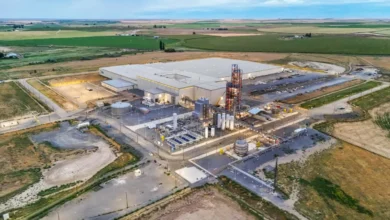
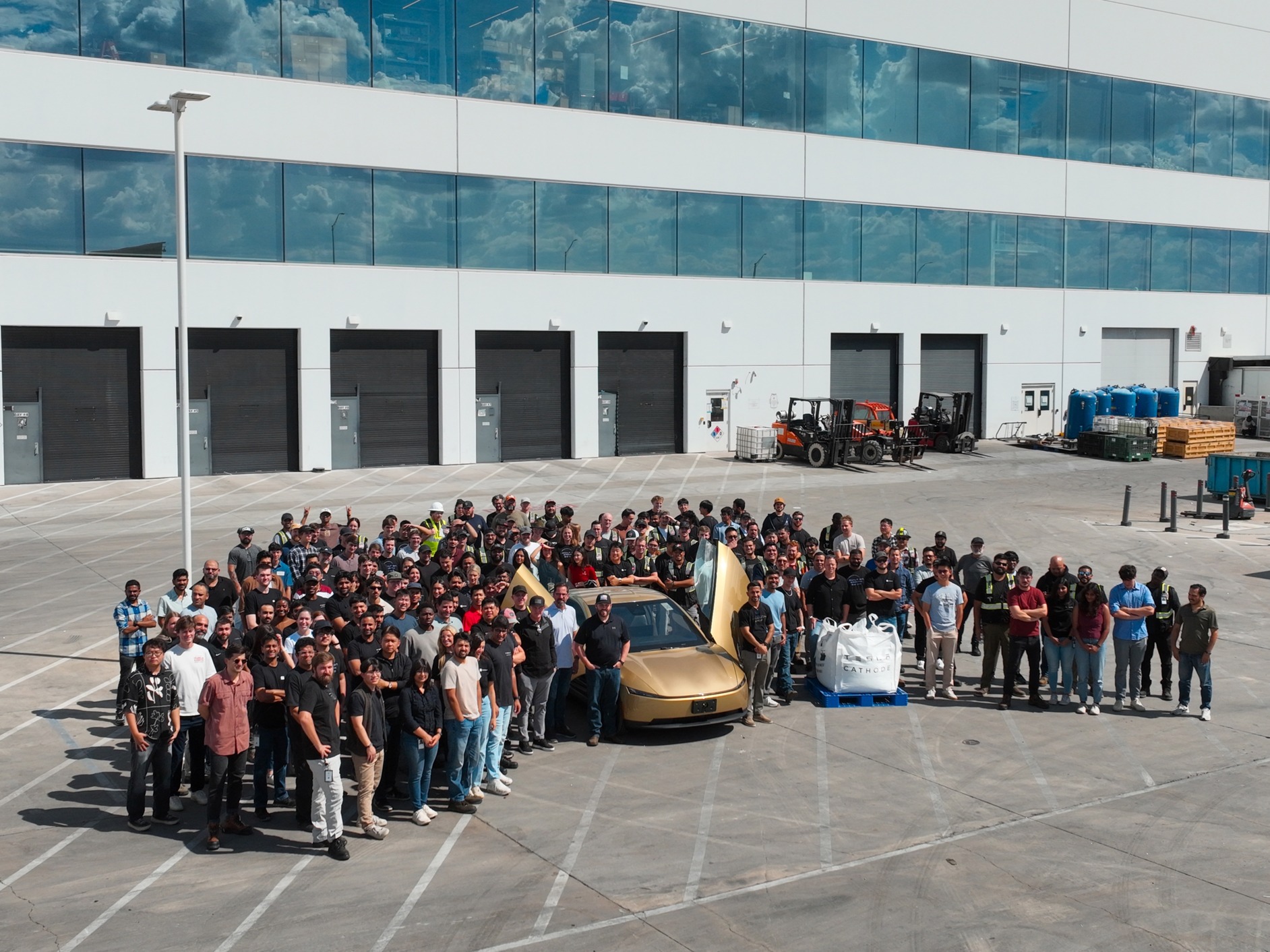
Concurrent with the preparations for Flight 14, the broader Elon Musk-led enterprise continues to emphasize vertical integration. Tesla’s recent announcement regarding the production of in-house cathode material for the Cybercab at a new facility near Giga Texas reflects a philosophy similar to that employed by SpaceX at Starbase. By controlling the production of the most expensive components of its battery cells, Tesla aims to decouple its supply chain from geopolitical volatility and price fluctuations.

The success of the Starship program is inherently linked to these broader industrial strategies. The ability to launch thousands of tons into orbit, coupled with the ability to manufacture specialized hardware locally and efficiently, forms the bedrock of Musk’s vision for the next decade of space exploration and infrastructure development.
Operational Outlook and Future Challenges
As the countdown to Monday’s launch progresses, the focus remains on the "S-curve" of progress that has defined SpaceX’s development methodology. While the goal for Flight 14 is a successful orbital insertion and a subsequent splashdown in the Pacific Ocean west of Chile, the company remains cautious. Mission planners have built in multiple health-check milestones throughout the flight, providing the flexibility to shorten the mission to two or five orbits if anomalous data is detected.
The absence of a "tower catch" for this flight is consistent with the iterative testing schedule. While the mechanical arms at Starbase are ready for future recovery operations, SpaceX is prioritizing the successful execution of the orbital burn and reentry heating tests before attempting the high-risk maneuver of capturing the booster mid-air.
In summary, Flight 14 is a threshold event. It moves the Starship program from a period of experimental suborbital hops to the threshold of true space utility. Whether the mission achieves its full ten-hour flight duration or is curtailed by technical safeguards, the data gathered will undoubtedly inform the design of the vehicles intended for the next phase of human exploration and commercial satellite deployment. With the FAA licensing process nearing its conclusion, all eyes at Starbase are fixed on the horizon, waiting for the signal to initiate the next great leap in aerospace engineering.