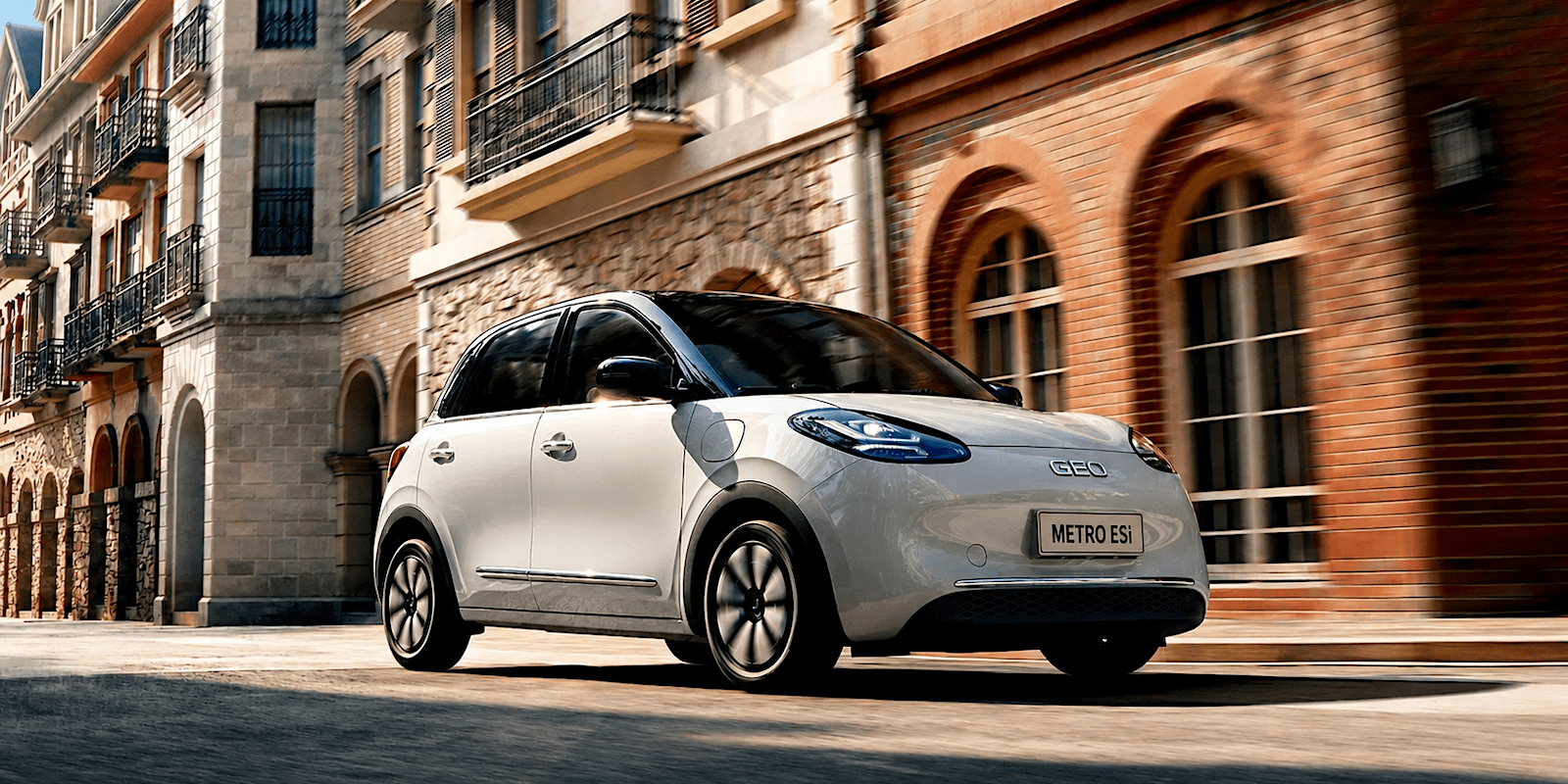
Chinese Wuling Bingo could come to North America as an entry-level Chevy EV

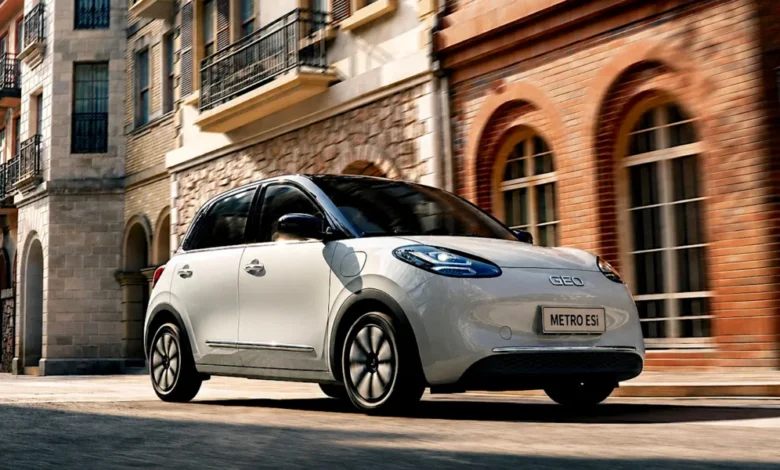
The initiative represents a potential pivot in GM’s global strategy, focusing on rapid deployment of affordable technology in regions where the Chevrolet brand maintains a dominant or growing presence. While the United States market remains complicated by evolving trade policies and high tariffs on Chinese-manufactured vehicles, other regions such as Canada, Latin America, Africa, and parts of Asia could serve as the primary stages for this new-age "electric Geo Metro."
Historical Context: The Legacy of the Geo Metro
To understand the significance of a potential Bingo-based Chevrolet, one must look back at the history of GM’s small-car partnerships. In the late 1980s, GM launched the Geo brand, a marque specifically designed to compete with the influx of fuel-efficient Japanese imports. The most iconic model in this lineup was the Geo Metro, a rebadged Suzuki Cultus. Known for its diminutive three-cylinder engine and exceptional fuel economy—often exceeding 50 miles per gallon—the Metro became a cult classic among budget-conscious drivers and "hyper-milers."
The Geo Metro was eventually folded into the Chevrolet brand in the late 1990s before being discontinued. Since then, Chevrolet has struggled to maintain a consistent presence in the sub-compact segment, with models like the Aveo, Sonic, and Spark eventually phased out in favor of larger, more profitable crossovers and SUVs. However, as the automotive industry shifts toward electrification, the demand for a simple, affordable, and efficient city car has resurfaced. The Wuling Bingo Pro, with its retro-inspired styling and focus on urban utility, is seen by many analysts as the spiritual successor to the Metro philosophy.

The Wuling Bingo Pro: Technical Specifications and Performance
The Wuling Bingo was first launched in the Chinese market in early 2023 and quickly became a sales sensation for the SGMW joint venture. The "Pro" variant, which is the subject of the current rebadging rumors, offers a more robust set of features and improved range compared to the base model.
The vehicle is powered by a front-mounted electric motor producing approximately 50 kW (roughly 67 horsepower). While these figures are modest by the standards of modern performance EVs, they are well-suited for urban environments and exceed the output of the original Geo Metro’s 55-horsepower engine. The Bingo Pro is equipped with a 37.9 kWh Lithium Iron Phosphate (LFP) battery pack. LFP chemistry is noted for its durability, safety, and lower production costs compared to nickel-cobalt-based batteries, though it typically offers lower energy density.
Under the China Light-Duty Vehicle Test Cycle (CLTC), the Bingo Pro is rated for a range of up to 410 kilometers (approximately 255 miles). However, in real-world conditions or under more stringent EPA testing, that figure would likely settle closer to 180–200 miles. The vehicle supports DC fast charging, allowing the battery to replenish from 30% to 80% in approximately 35 minutes, making it a viable option for commuters who lack dedicated home charging infrastructure.
Strategic Rationale for Global Markets
The motivation for GM to utilize the Wuling Bingo Pro as a Chevrolet-badged product is rooted in cost-efficiency and speed-to-market. Developing a ground-up entry-level EV platform is a multi-billion-dollar endeavor that takes years to realize. By tapping into the existing SGMW portfolio, GM can skip the lengthy R&D phase and offer a proven product almost immediately.
In markets like Brazil and Mexico, Chevrolet remains a top-tier brand with an extensive dealer network. In these regions, there is a growing appetite for electrification, but high-end models like the Chevrolet Blazer EV or Silverado EV are priced far beyond the reach of the average consumer. A Bingo-based EV, priced competitively against other entry-level Chinese imports like the BYD Seagull, could allow Chevrolet to capture the bottom end of the market before competitors become too entrenched.
Canada also presents a unique opportunity. Recent trade discussions and specific import agreements have opened the door for Chinese-built EVs to enter the Canadian market under certain conditions. For instance, a recent "canola for cars" framework has facilitated the entry of brands like Lotus (owned by Geely) into the country. If GM can navigate these regulatory waters, Canada could serve as a testing ground for the Bingo Pro in North America, gauging consumer interest in a minimalist, high-efficiency EV.
The SAIC-GM-Wuling Partnership and Production Scale
The SAIC-GM-Wuling joint venture is one of the most successful automotive partnerships in history. Established in 2002, the venture combines the manufacturing prowess of SAIC Motor and Wuling Motors with the global engineering and branding expertise of General Motors. GM holds a 44% stake in the venture, which has become a powerhouse in the Chinese market, particularly in the micro-EV segment.
The venture’s most famous product, the Wuling Hongguang Mini EV, was for several years the best-selling electric vehicle in the world, at times outperforming Tesla’s Model 3 in monthly sales volume. The Bingo represents the next step in that evolution—a slightly larger, more sophisticated vehicle that meets "Class A" car standards while maintaining the low-cost advantages of the SGMW production system. By leveraging this massive scale, GM can achieve price points that would be impossible with traditional domestic manufacturing.

Navigating Tariffs and Trade Barriers
The primary obstacle to bringing a Wuling-sourced Chevrolet to the United States is the current geopolitical and trade climate. The U.S. government recently moved to increase tariffs on Chinese-made electric vehicles to 100%, a move intended to protect domestic manufacturing and national security. These tariffs effectively double the price of any vehicle imported from China, stripping away the competitive advantage of the Bingo’s low production cost.
However, the "Chevrolet" badge offers a unique advantage. If GM were to eventually decide that the US market required such a vehicle, they could potentially explore "knock-down" (CKD) kits or final assembly in North American facilities (such as in Mexico) to mitigate some tariff impacts, though this would require significant investment. In the short term, the strategy appears focused on "global" markets where such trade barriers are lower or non-existent.
Market Implications and Competitive Landscape
If GM moves forward with the rebadged Bingo Pro, it will enter a fiercely competitive segment. The "affordable EV" space is currently dominated by Chinese manufacturers who have spent the last decade perfecting low-cost battery integration.
- BYD Seagull/Dolphin: BYD’s entry-level models are the primary targets. The Seagull, in particular, has set a new benchmark for what a sub-$15,000 EV can offer in terms of tech and range.
- Renault/Dacia Spring: In European and some emerging markets, the Dacia Spring (another Chinese-built, rebadged vehicle) has proven that there is a massive market for "no-frills" electric transportation.
- Internal Competition: GM must also balance the Bingo Pro against its own upcoming products, such as the next-generation Chevrolet Bolt EV, which is expected to return on the Ultium platform. The Bingo would likely sit below the Bolt in both price and capability.
Conclusion: A New Era for the "Everyman" Car
The potential arrival of a Chevrolet-badged Wuling Bingo Pro signals a shift in how legacy automakers view the transition to electric power. For years, the narrative has been dominated by high-performance, high-cost luxury vehicles. However, for electrification to become a global reality, the industry must address the needs of the "everyman"—the commuter who requires a reliable, inexpensive tool for daily transportation.

While enthusiasts may miss the simplicity of the original 1990s Geo Metro, the technological leap offered by an electric successor provides significant benefits in terms of operating costs and environmental impact. By utilizing its international partnerships, General Motors may have found a way to reclaim the entry-level segment it once abandoned, providing a practical pathway for millions of drivers to make the switch to electric mobility. Whether this vehicle eventually reaches North American shores remains to be seen, but its existence in the global pipeline underscores GM’s commitment to a multi-tiered, international EV strategy.