Tesla Finally Links Cybertruck Powershare with Powerwall 3 for Extended Home Backup After Years Overdue


Tesla has officially integrated its flagship electric pickup, the Cybertruck, with the Powerwall 3 home battery system, a long-awaited functionality that significantly expands the vehicle’s role in residential energy management. The update, announced by the company on September 10, 2026, allows the Cybertruck to serve as a high-capacity backup power source that works in tandem with stationary home batteries rather than as a disjointed, competing system. This development marks a critical milestone for Tesla’s "Powershare" ecosystem, fulfilling a promise originally made to consumers during the truck’s initial delivery phase in November 2023.

The Evolution of Powershare Technology
Powershare technology was first introduced to allow the Cybertruck to act as a mobile power station. Initially, the feature was limited to providing electricity for power tools, appliances, or charging other electric vehicles via the bed-mounted outlets. In 2024, Tesla expanded this utility by introducing the Powershare Gateway and Universal Wall Connector, enabling bidirectional energy flow that could power a home during grid outages. However, a major technical limitation remained: the truck could not easily "coexist" with existing Powerwall installations.
Until this week, homeowners with both a Cybertruck and a Powerwall faced a suboptimal configuration where the two systems operated in silos. If a homeowner wanted to use their truck for backup, they often had to manually manage the transition or accept that the systems were not communicating effectively. The new software update resolves this by allowing the vehicle and the Powerwall 3 to negotiate load management, effectively creating a unified, intelligent home energy grid.

Technical Synergy and Increased Resilience
According to statements from Tesla’s engineering leadership, the integration offers a substantial boost to residential energy security. Wes Morrill, the lead engineer for the Cybertruck, confirmed that the pairing allows the vehicle to extend home backup duration by more than three days. For the average household, this capacity is equivalent to adding nine additional Powerwalls to their existing setup.
The significance of this cannot be overstated for residents in regions prone to extreme weather events, such as wildfire-prone California, hurricane-impacted coastal areas, or regions experiencing deep winter freezes. While a single Powerwall 3 can typically sustain essential home functions for approximately 24 hours, the addition of a Cybertruck’s massive battery pack provides a multi-day buffer, potentially eliminating the need for noisy, polluting gas-powered generators.

Chronology of the Rollout
The road to this integration has been characterized by iterative development and managed expectations. Tesla’s roadmap for Powershare has seen several adjustments since the Cybertruck’s late-2023 launch:
- November 2023: Tesla launches the Cybertruck with basic Powershare capabilities for tools and appliances.
- 2024: Introduction of the Powershare Gateway and Universal Wall Connector, bringing home backup capability to the masses.
- 2025: Integration support is expanded to include homes with solar panel installations.
- October 2025: Tesla informs owners that Powerwall integration is scheduled for 2026, citing the complexity of "grid-forming" technology.
- December 2025: A revised target date is set for mid-2026. Lead engineer Wes Morrill notes that certifying the communication protocols between a mobile battery and a stationary home battery across multiple hardware generations was a significant engineering hurdle.
- September 10, 2026: The official rollout begins for Powerwall 3 owners.
Tesla has clarified that while Powerwall 3 is the first to receive this capability, support for legacy hardware, including Powerwall 2 and Powerwall+, is currently in development and is expected to reach users later this year.

Engineering Challenges: Why It Took Time
The delay in this feature deployment was not merely a matter of software; it was a complex challenge of electrical engineering. In a residential setup, the home battery and the electric vehicle both act as "grid-forming" devices—meaning they create the voltage and frequency necessary for home appliances to function. When two such devices are connected to the same household circuit, they must communicate with millisecond-level precision to ensure they do not "fight" each other.
Managing this hand-off required Tesla to refine its proprietary communication protocols to prevent electrical instability. As Morrill explained in previous updates, the process of certifying this synchronization across different generations of Powerwall hardware necessitated rigorous testing to ensure that the transition from grid power to battery power remains seamless and safe for the home’s electrical infrastructure.

Broader Implications for the Energy Grid
The integration of the Cybertruck into the home energy ecosystem is part of a larger strategy by Tesla to decentralize the power grid. In addition to residential backup, Tesla has been testing a "Virtual Power Plant" (VPP) model in Texas. This program allows Cybertruck owners to feed power back into the grid during peak demand events, potentially stabilizing the regional energy supply while compensating owners for their contribution.
By turning the vehicle into a productive grid asset, Tesla is effectively changing the economics of electric vehicle ownership. The truck is no longer just a transport device; it is a mobile investment that can offset the costs of residential energy storage and provide revenue-generating opportunities in specific markets.
A Culture of Constant Refinement
This development follows a pattern of "continuous improvement" that has become a hallmark of Tesla’s manufacturing and software philosophy. Unlike traditional automakers, who typically hold back significant feature updates for new model years, Tesla frequently updates its vehicles via over-the-air (OTA) software and rolling manufacturing changes.
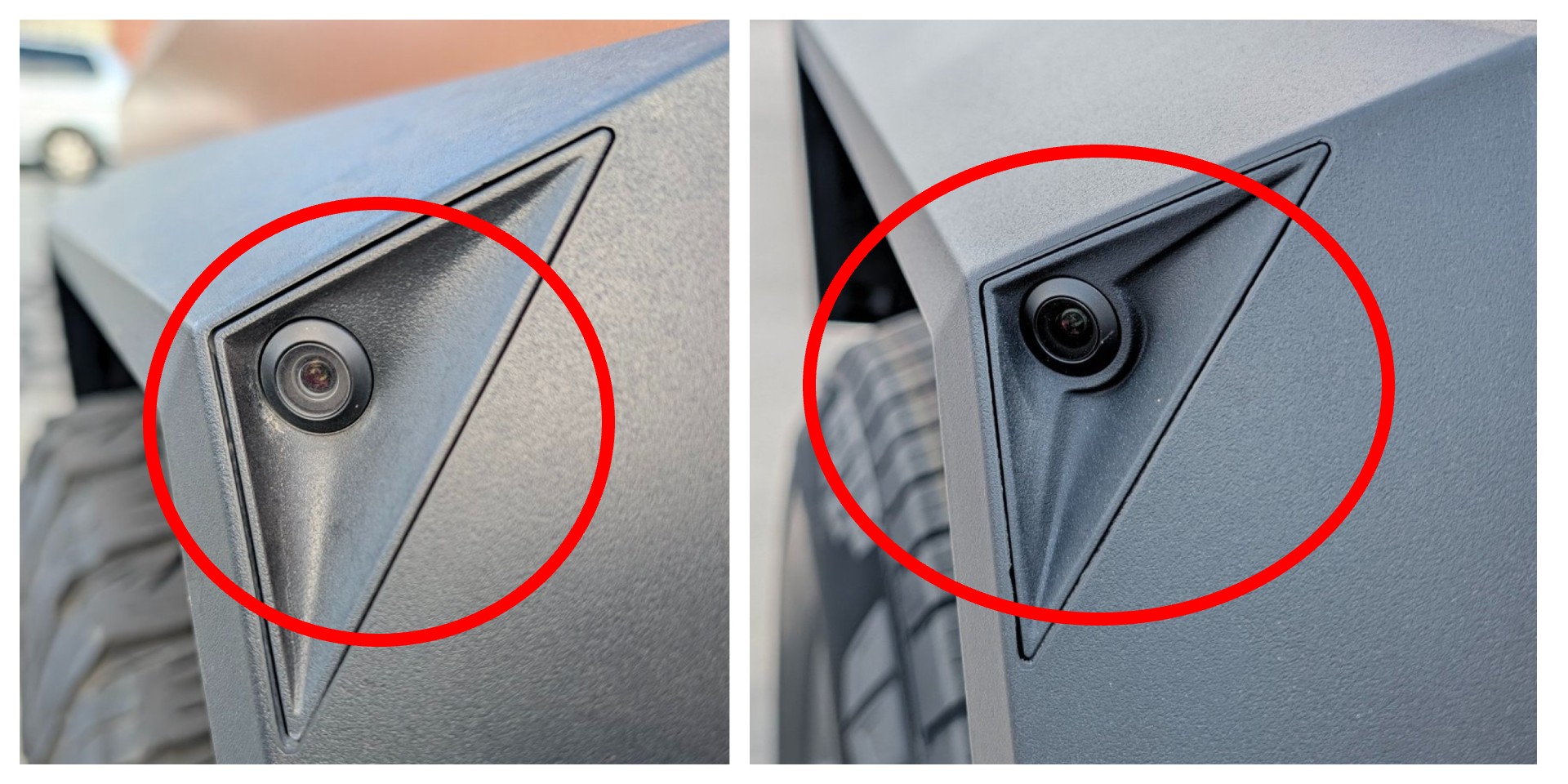
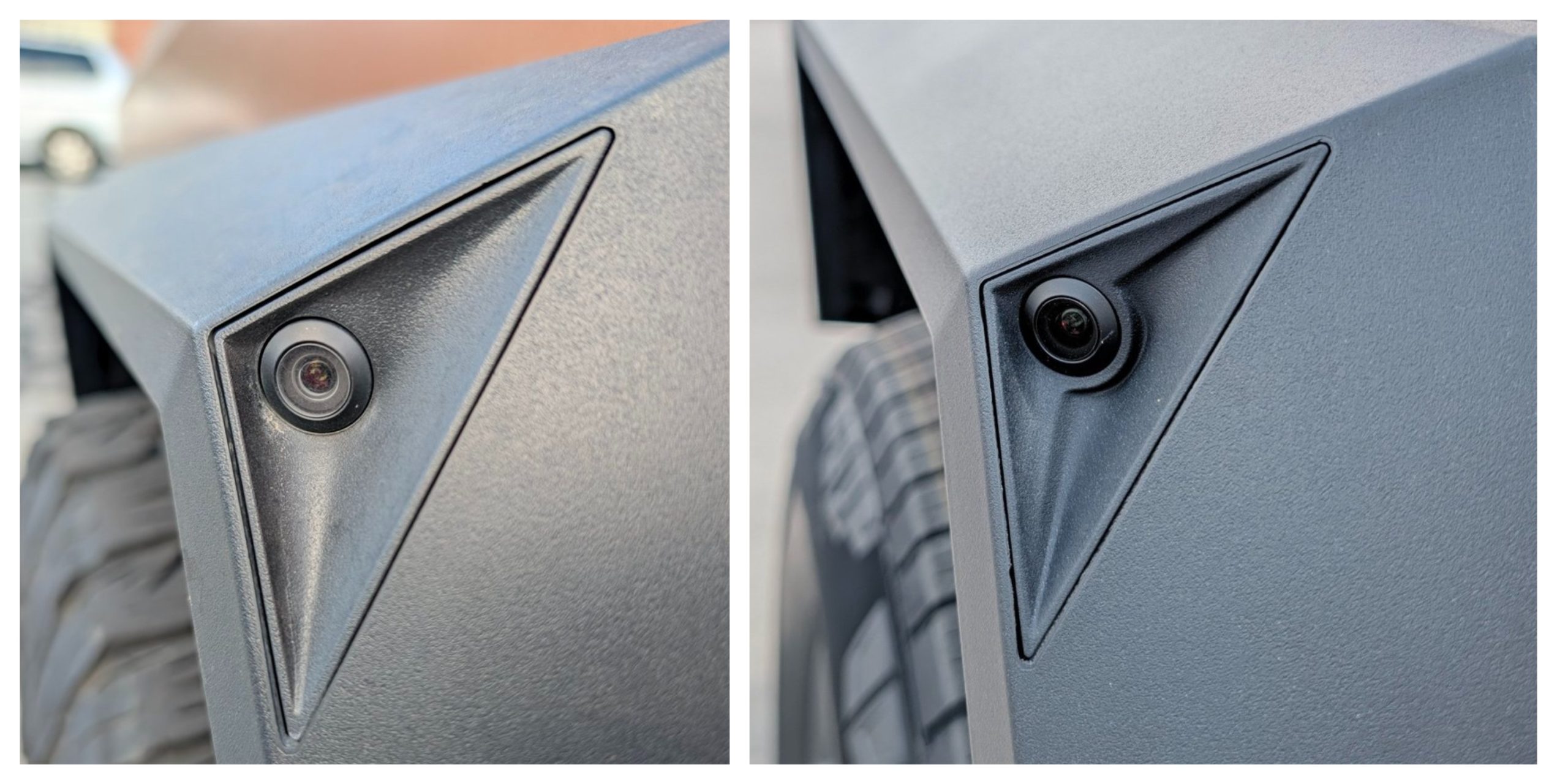
Recent examples of this philosophy include the modification of side-repeater camera housings to improve visibility in wet weather through passive aerodynamics, and the transition from aluminum to a self-reinforcing polypropylene for the vehicle’s underbody aero shield. These changes, often made without fanfare, reflect an engineering culture that treats the product as a "living" entity.
Market Response and Future Outlook
The market reception to the Powerwall 3 integration has been largely positive, particularly among the "early adopter" demographic that makes up the bulk of the current Cybertruck owner base. For consumers who invested in expensive Powershare hardware, the update validates their commitment to the Tesla ecosystem.
However, challenges remain. The company still faces pressure to ensure that the promised compatibility for Powerwall 2 and Powerwall+ arrives on schedule. Furthermore, as the Cybertruck becomes more deeply integrated into home electrical systems, Tesla will need to maintain a robust support network to troubleshoot potential service issues, as these systems are becoming central to the basic functionality of the modern home.
As of September 2026, the Cybertruck stands as one of the most technologically complex vehicles on the road. The successful integration of its battery with the Powerwall 3 suggests that Tesla is moving closer to its ultimate goal: a closed-loop energy system where solar panels, home batteries, and electric vehicles work in perfect concert. As the energy sector continues to transition toward renewables, the ability of consumers to control their own power destiny—effectively taking the home "off-grid" for days at a time—will likely become a primary selling point for the entire Tesla product suite.
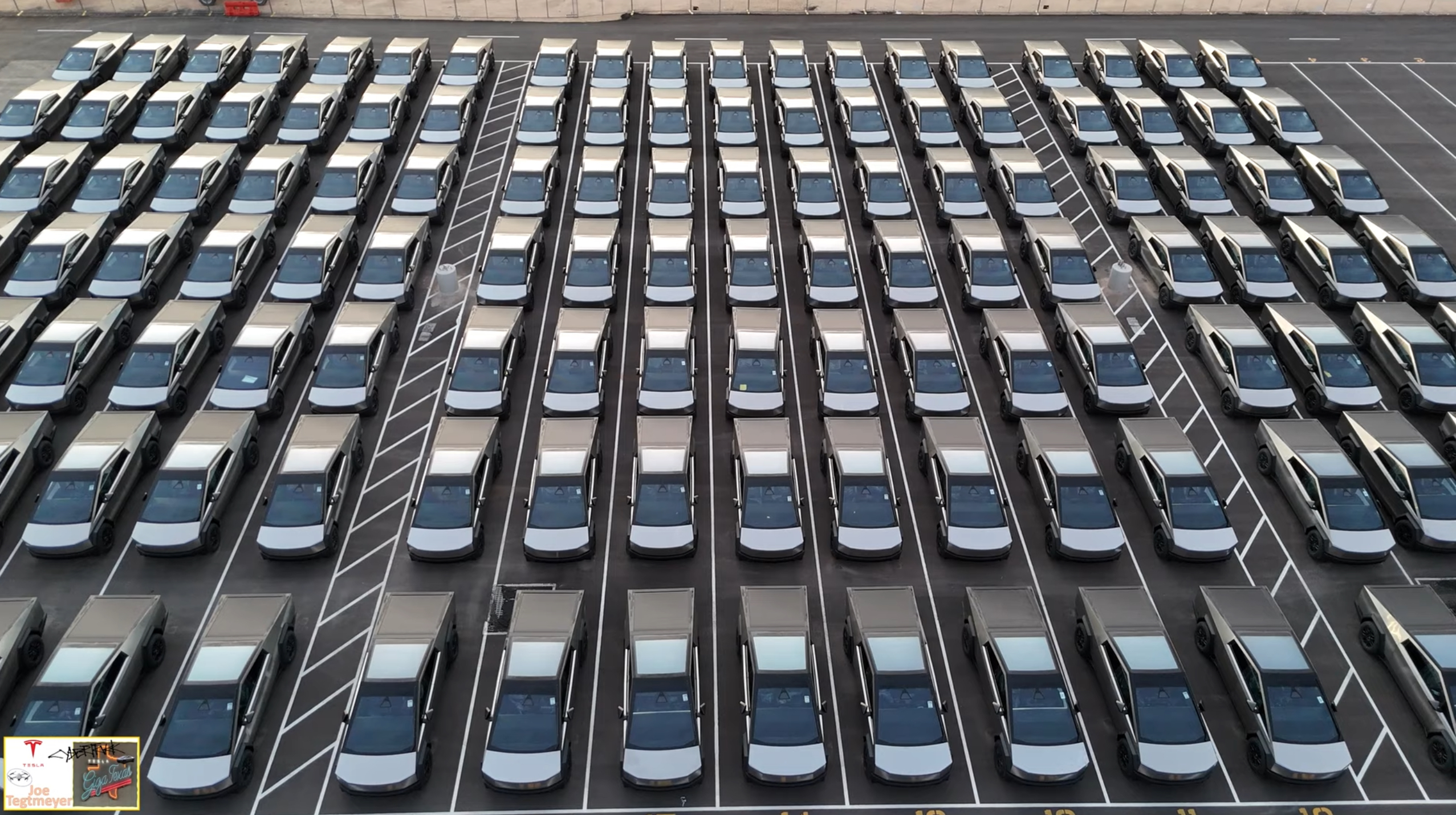
With the Powerwall 3 integration now in the wild, the conversation among owners is expected to shift toward real-world performance metrics, such as the efficiency of the discharge cycle and the ease of the initial configuration. For now, the successful rollout serves as a clear indication that Tesla is prioritizing the refinement of its existing fleet, ensuring that the vehicles delivered in 2023 remain as relevant and capable as those rolling off the line at Gigafactory Texas today.