Xbox Revives Backward Compatibility with PC Launch of Classic Titles Amidst Strategic Overhaul

Microsoft is making a significant play to bolster its gaming division, not only by re-evaluating its broader strategy following substantial layoffs and studio closures, but also by reintroducing classic Xbox titles to a new platform. In a move that has garnered considerable attention within the gaming community, Xbox has officially launched "Xbox Backward Compatibility on PC," a program designed to bring beloved "classics" to personal computers and handheld gaming devices, such as the ROG Ally, for the very first time. This initiative represents a notable evolution of Xbox’s long-standing commitment to preserving and providing access to its gaming heritage, offering enhanced performance and accessibility features for a curated selection of games.
A Strategic Pivot: Embracing the PC Frontier
The announcement arrives at a pivotal moment for Xbox. The company recently underwent a significant restructuring, involving the dismissal of approximately 3,200 employees and the closure of four studios: Arkane Austin, Tango Gameworks, Alpha Dog Games, and Roundhouse Games. This widespread reduction in workforce and studio footprint has led to widespread speculation about the future direction of Xbox’s internal development and overall business strategy. While leadership has offered insights into future exclusive titles, the overarching vision has appeared somewhat ambiguous to observers. Against this backdrop, the re-emergence of a backward compatibility program, specifically targeting PC, suggests a strategic pivot towards maximizing the reach and lifespan of its intellectual property, leveraging the expansive PC gaming market as a key growth area.
The "Xbox Backward Compatibility on PC" program aims to bridge the gap between older console experiences and the modern PC gaming environment. The emulation effort includes a suite of technical enhancements designed to improve the visual and performance fidelity of these classic games. Players can expect features such as "graphics settings, including up to 4x resolution upscaling, VSync support, Fullscreen and Windowed display modes, anisotropic filtering, enhanced anti-aliasing, and more." These improvements are intended to make the games not only playable but also visually appealing on contemporary hardware, catering to both nostalgic fans and new players discovering these titles for the first time.
The Inaugural Class of Classics
The initial rollout of the program features a quartet of well-regarded, albeit not necessarily blockbuster, titles from the Xbox and Xbox 360 eras. These include:
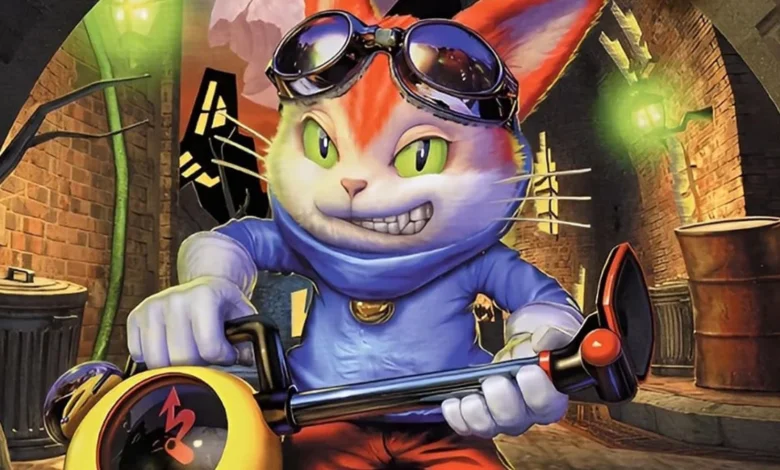
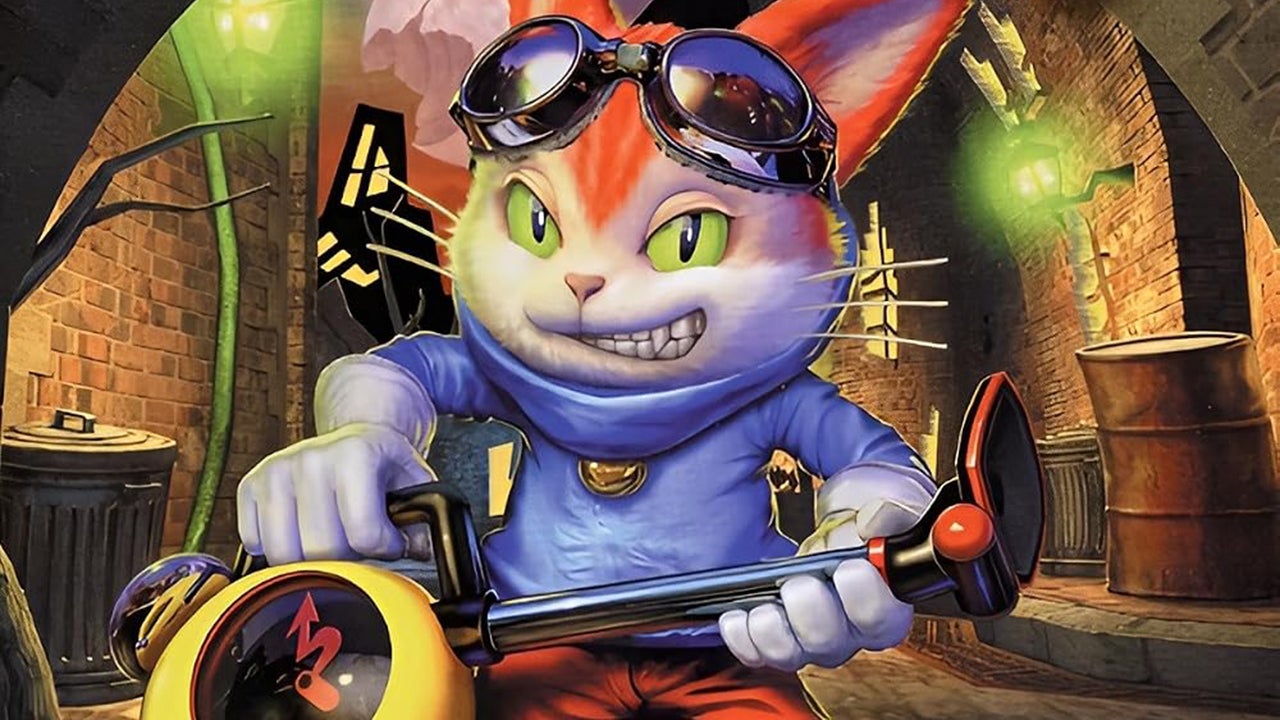
- Blinx: The Time Sweeper: A unique platformer known for its time-manipulation mechanics.
- Conker: Live & Reloaded: A remastered version of the controversial and humorous N64 title, Conker’s Bad Fur Day.
- Crimson Skies: High Road to Revenge: A beloved aerial combat game with a distinctive steampunk aesthetic.
- Fuzion Frenzy: A fast-paced, party-style multiplayer game.
While these games may not possess the immediate sales appeal of major modern franchises, their inclusion signifies a deliberate effort to preserve and celebrate unique aspects of Xbox’s gaming history. The move stands in contrast to a broader industry trend where many older releases are either difficult to acquire or are being re-released as expensive remakes and remasters, often with limited availability. Xbox’s previous backward compatibility efforts for its consoles, particularly the Xbox 360 compatibility on Xbox One and Series X/S, were widely praised as a significant strength for the brand. This PC-centric revival can be seen as an evolution and expansion of that successful strategy.
Accessibility and Ownership: A New Era for Old Games
A significant aspect of this new program is its integration with the Xbox ecosystem. Each of the four launch titles is available for purchase individually on PC, with prices set at $9.99 USD (regional pricing may vary). Crucially, these games are also included with all Xbox Game Pass plans. This dual approach ensures broad accessibility, catering to both outright purchasers and subscription service members.
Furthermore, the program addresses concerns about digital ownership. For players who previously purchased digital licenses for these games on console, that ownership now extends to their PC or handheld devices. This "carry-over" license policy is a consumer-friendly feature that acknowledges and rewards existing loyalty. The inclusion of cloud support for these titles further enhances their accessibility, allowing players to stream them on various devices without needing to install them locally.
Future Horizons and Industry Context
The launch of Xbox Backward Compatibility on PC is presented as a foundational step, with plans for further enhancements and game additions. Jason Ronald, VP of next-generation at Xbox, hinted at future developments, stating, "We plan to add even more features to Xbox Backward Compatibility games in the future." Notably, the initial four games are slated to receive achievements in the coming months, a feature that has been a staple of modern gaming and a key draw for many players.
The somewhat sudden and "half-baked" nature of this initial wave, as described by some observers, suggests a strategic response to current market conditions or internal pressures. It could be interpreted as an "emergency" measure, akin to the recent Bethesda roadmap reveal, designed to demonstrate progress and engagement amidst broader organizational shifts.
The implications of this move extend beyond the PC platform. It remains unclear whether this initiative signals a renewed focus on backward compatibility for future Xbox consoles. However, given the historical success and positive reception of such features, it is a development that many fans will be watching closely.
In the wider console landscape, the future of physical media and backward compatibility is a growing concern. Sony, for instance, is reportedly phasing out physical game releases entirely by January 2028, raising questions about the long-term viability of disc-based game preservation for future PlayStation consoles. In contrast, platforms like GOG (Good Old Games) continue to champion game preservation efforts, working to make a wide array of titles accessible across different eras. Xbox’s move, therefore, can be viewed within this broader industry dialogue about how games from past generations are kept alive and accessible in an increasingly digital and evolving market. The success of "Xbox Backward Compatibility on PC" could set a precedent for how other publishers and platform holders approach the challenge of preserving their gaming legacies for future generations of players.

Supporting Data and Context
The gaming industry has seen a significant shift towards digital distribution and subscription services in recent years. According to Newzoo’s Global Games Market Report, digital game sales accounted for the vast majority of revenue, with PC gaming remaining a robust and growing segment. The PC market is projected to continue its upward trajectory, driven by hardware advancements, the proliferation of gaming laptops and handhelds, and the increasing popularity of PC-specific titles and services like Steam and Xbox Game Pass for PC.
Xbox Game Pass, in particular, has become a cornerstone of Microsoft’s gaming strategy, offering a vast library of games for a monthly subscription fee. The inclusion of these classic titles within Game Pass further enhances the value proposition of the service, attracting new subscribers and retaining existing ones by offering a diverse and ever-expanding catalog. The average price of $9.99 for individual game purchases on PC is also competitive, aligning with industry standards for older, yet still desirable, titles.
The historical success of Xbox’s backward compatibility program on consoles is a significant data point. The Xbox 360 backward compatibility program, launched on the Xbox One in 2015, gradually expanded to include hundreds of titles. This feature was frequently cited as a major selling point for the console, demonstrating a commitment to player investment in their game libraries. By extending this philosophy to the PC, Xbox is tapping into a different, but equally enthusiastic, segment of the gaming audience.
Analysis of Implications
The strategic decision to focus backward compatibility efforts on PC carries several implications for Xbox and the broader gaming industry:
- Market Expansion: By bringing classic Xbox titles to PC, Microsoft is effectively opening up new revenue streams and expanding the potential audience for its intellectual property. This is particularly relevant as the company navigates a period of strategic recalibration.
- Strengthening PC Presence: The move reinforces Xbox’s commitment to the PC gaming ecosystem, a market where it has steadily grown its presence through Xbox Game Pass for PC and its integration with the broader Windows operating system.
- Brand Loyalty and Nostalgia: Reintroducing beloved games taps into a powerful sense of nostalgia among long-time Xbox fans. This can foster goodwill, reinforce brand loyalty, and create positive sentiment during a time of significant change.
- Preservation of Gaming History: In an era where digital storefronts can change and games can become unavailable, this initiative plays a role in preserving gaming history. By ensuring these titles can still be played, Xbox contributes to the cultural heritage of the medium.
- Competitive Differentiation: While other platforms have also dabbled in backward compatibility or emulation, Xbox’s comprehensive approach, particularly with its enhanced features and subscription integration, could offer a competitive advantage.
The success of this program will likely depend on the rate at which new games are added, the quality of future enhancements, and the continued support for the PC platform. If Xbox can maintain momentum and consistently deliver valuable retro gaming experiences, "Xbox Backward Compatibility on PC" could become a significant and enduring pillar of its gaming strategy, demonstrating a forward-thinking approach to its rich gaming legacy.
Related posts: