Why Bethesda Never Outsourced The Elder Scrolls for a New Vegas Style Spin-off

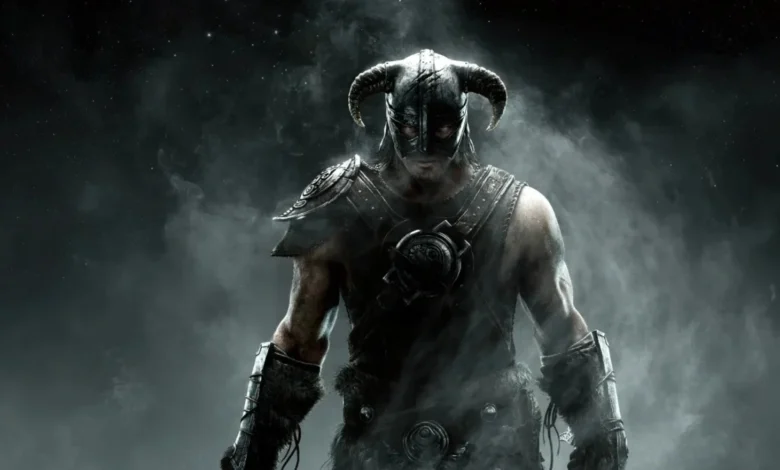
The persistent, decade-long gap between the release of The Elder Scrolls V: Skyrim and the long-anticipated arrival of The Elder Scrolls VI has fueled endless speculation among the gaming community. For years, fans have wondered why Bethesda Game Studios, known for its sprawling open-world RPGs, has not commissioned an external development partner to create a spin-off title to bridge the wait. This strategy was famously employed by Bethesda with the 2010 release of Fallout: New Vegas, developed by Obsidian Entertainment. However, recent insights from former Bethesda lead developer and series loremaster Kurt Kuhlmann reveal that such a partnership for the fantasy franchise was never on the table, primarily due to the protective stance maintained by director Todd Howard.
The Protective Philosophy of Bethesda Game Studios
According to Kuhlmann, who shared these insights during an appearance on the FRVR podcast, the decision to keep The Elder Scrolls development strictly in-house is rooted in a desire to maintain total creative control and avoid the fragmented public perception that followed the Fallout franchise. Fallout: New Vegas, while critically acclaimed, inadvertently created a schism within the player base. A vocal segment of the gaming community began to champion Obsidian Entertainment as the superior developer for the Fallout intellectual property, frequently comparing the writing quality and branching quest design of New Vegas favorably against Bethesda’s internal efforts like Fallout 3 and Fallout 4.
Kuhlmann noted that Todd Howard, the face of Bethesda’s creative vision, was deeply wary of inviting that same dynamic into The Elder Scrolls. By keeping the development of the mainline series entirely within the walls of Bethesda Game Studios, the team ensures that the "brand identity" remains singular and untarnished by external interpretations. This protective attitude serves to shield the franchise’s lore and mechanical design from the scrutiny that arises when two different studios offer conflicting takes on the same universe. For Bethesda, the series is more than just a product; it is a carefully curated legacy that they are unwilling to outsource.
A Chronology of Development and Distribution
To understand why this approach has been so rigid, one must look at the timeline of the studio’s output. Skyrim was released in November 2011, achieving unprecedented commercial success and becoming one of the best-selling video games of all time. Following its release, Bethesda shifted its focus toward Fallout 4 (2015), the development of The Elder Scrolls Online (2014), and eventually the space-faring RPG Starfield (2023).
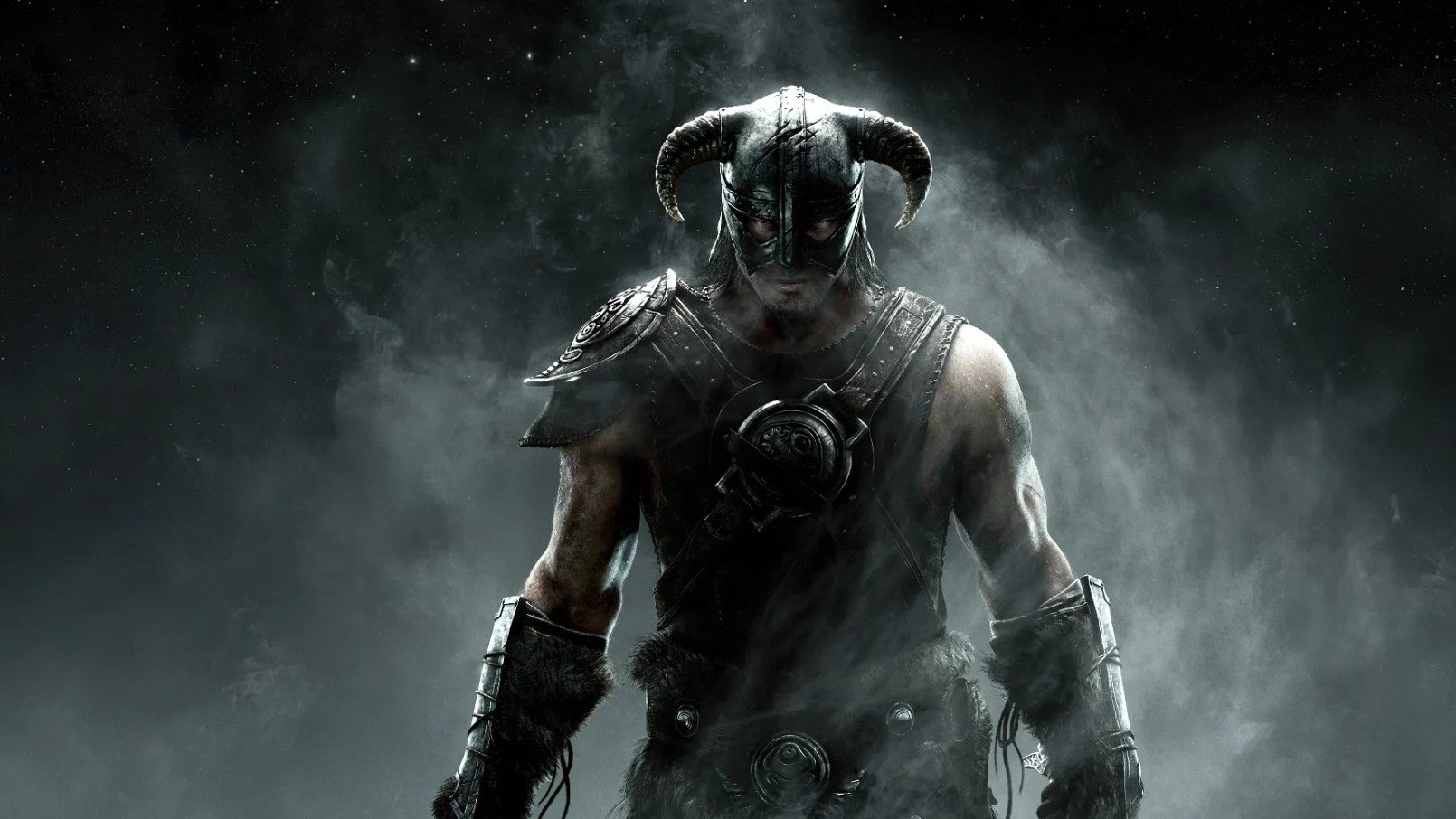
The gap between main entries in the Elder Scrolls series has now stretched to nearly 15 years, a period that would typically be considered an ideal window for a smaller-scale spin-off in most other major franchises. During this interim, other studios under the Zenimax Media umbrella—and later Microsoft/Xbox—have attempted to keep the Elder Scrolls name relevant. The Elder Scrolls Online, while technically developed by ZeniMax Online Studios, serves as the primary vessel for the franchise’s presence in the current market. Kuhlmann acknowledged that this project effectively "took the heat off" the studio by providing a constant stream of new content, satisfying a significant portion of the player base who have transitioned into viewing the series primarily through the lens of the MMO experience.
The Impact of the Xbox Acquisition
The corporate landscape surrounding Bethesda changed fundamentally in 2021 when Microsoft finalized its acquisition of ZeniMax Media. This brought Bethesda Game Studios and Obsidian Entertainment under the same corporate umbrella—Xbox Game Studios. This structural shift has reignited fan speculation regarding a potential collaboration on future Elder Scrolls projects.
However, the organizational philosophy at Microsoft seems to favor a high degree of autonomy for its internal studios. Following the recent internal restructuring at Bethesda and the broader layoffs across the Xbox division, leadership has signaled a desire to maintain the distinct creative identities of its various teams. Jill Braff, president of Bethesda, has explicitly stated that the "creative identity and strengths" of studios like Obsidian will be preserved. While this protects the integrity of those studios, it also underscores why a forced collaboration—even between internal partners—might not be an immediate priority for the company’s current strategic roadmap.
Data and Market Implications
The discourse surrounding the "New Vegas effect" is supported by market data that highlights the differing consumer behaviors regarding the two franchises. While both Fallout and The Elder Scrolls maintain massive, dedicated fanbases, the lore-heavy, high-fantasy nature of The Elder Scrolls requires a level of internal consistency that Bethesda has historically prioritized over rapid release cycles.
Bethesda’s conservative approach has arguably paid off in terms of brand longevity. Skyrim remains a top-selling title across multiple generations of consoles, a feat rarely achieved by single-player RPGs without constant content updates. By avoiding a "diluted" release schedule, Bethesda has maintained the prestige of the Elder Scrolls brand. From a business perspective, the risk of creating a "competing" Elder Scrolls game—one that might alienate core fans or confuse the brand’s identity—outweighs the potential short-term gains of a spin-off title.

The Future of the Franchise
As Bethesda turns its full attention toward the development of The Elder Scrolls VI, the industry continues to monitor how the studio balances its legacy with modern expectations. The fact that the studio has remained steadfast in its refusal to outsource its most valuable property speaks to a corporate culture that values creative guardianship above all else.
While the prospect of an Obsidian-developed Elder Scrolls game remains a tantalizing "what-if" for many fans, the reality of the situation is that Bethesda views the franchise as a singular, cohesive narrative experience that must be shepherded by the team that originated it. The integration of Obsidian into the wider Microsoft ecosystem does not necessarily guarantee a departure from this policy. If anything, the current trajectory suggests that Bethesda is content to proceed at its own pace, prioritizing the internal development process to ensure that the eventual arrival of The Elder Scrolls VI meets the lofty expectations established by its predecessors.
In the final analysis, the absence of an Elder Scrolls spin-off is not a failure of strategy, but a deliberate exercise in brand preservation. By refusing to follow the model that produced Fallout: New Vegas, Bethesda has ensured that the Elder Scrolls universe remains, for better or worse, a strictly internal endeavor. As the studio continues its work on the next mainline entry, it remains to be seen whether this long period of silence will result in a product that justifies the intense, protective caution demonstrated by Todd Howard and his team over the last decade and a half. The community, meanwhile, continues to wait, fueled by the enduring popularity of Skyrim and the promise of what is to come.