The State of Modern Indoor Hydroponic Gardening: Evaluating the Latest Consumer Systems

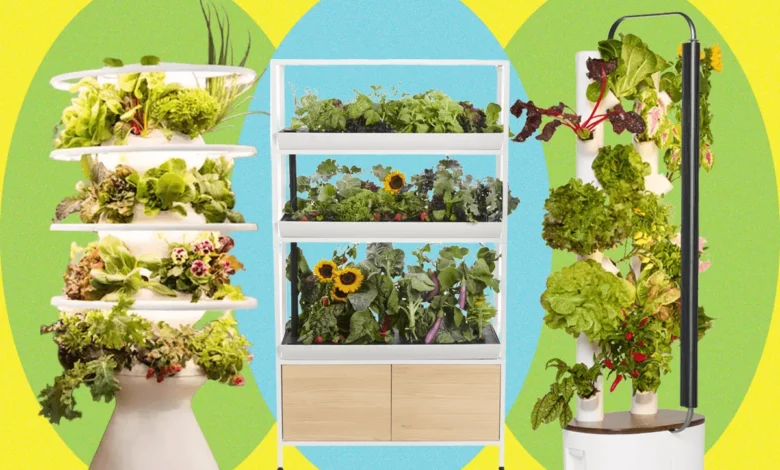
The rise of residential hydroponics represents a significant shift in how urban dwellers engage with agriculture, moving away from traditional soil-based cultivation toward technology-driven, controlled-environment systems. As the market for "smart gardens" expands, consumers are increasingly presented with a range of options that promise effortless harvests within the confines of a kitchen or apartment. However, recent performance evaluations of these systems reveal a complex landscape where design aesthetics and ease of use frequently conflict with agricultural output and long-term sustainability.
For many, the appeal of indoor hydroponics is rooted in the promise of year-round fresh produce. Unlike outdoor gardening, which is dictated by seasonal changes, regional climate constraints, and soil quality, indoor hydroponic systems leverage artificial lighting and nutrient-rich aqueous solutions to bypass these limitations. This industry has seen a surge in investment, with startups aiming to automate every aspect of the growth cycle. Yet, as testing data indicates, the gap between the marketed potential and the reality of home-scale production remains substantial.
Chronology and Development of Consumer Hydroponics
The transition of hydroponics from industrial-scale agricultural technology to a lifestyle consumer product has been gradual but accelerated significantly over the last decade. The foundational principles, such as the Kratky method—pioneered by horticulturist Dr. Bernard Kratky—have long been utilized in academic and professional settings. This method, which relies on a passive, non-circulating water culture, allows plants to access both air and nutrients without the need for complex mechanical pumps.

In recent years, consumer-facing companies have adapted these principles into sleek, user-friendly hardware. The trajectory of this market moved from simple, low-tech kits to integrated systems featuring LED arrays, mobile application connectivity, and automated nutrient dosing. By 2025, the market was flooded with options ranging from desktop herb gardens costing under $100 to sophisticated, multi-tier automated farms exceeding $1,000.
Comparative Performance: The Practical Reality
Recent evaluations of popular systems highlight a divergence in performance. The Click & Grow Smart Garden 9, for instance, is frequently cited for its extreme simplicity. By utilizing a "smart soil" pod system and a passive wicking mechanism, it eliminates the need for complex technical maintenance. However, data suggests that while the system is highly accessible for novice users, it suffers from slow growth cycles. Users often report waiting weeks for minimal yield, and in some instances, inconsistent germination rates. The product’s design focuses on low-effort maintenance rather than high-volume production, making it more suitable for aesthetic or decorative planting than for supplementing a household diet.
Conversely, newer entries like the Lettuce Grow Counterstand reflect a more technical approach. By utilizing the Kratky method through a series of aesthetic amber beakers and a timed LED system, it attempts to balance form and function. While the system offers a more sophisticated appearance than plastic-heavy competitors, users have noted that the yield-to-footprint ratio is suboptimal. For a device occupying a significant portion of a countertop, the output of a few leaves per week represents a limitation in efficiency that is common among smaller indoor units.
The Problem of "Smart" Complexity and Quality Control
The push toward integrating sensors and "smart" features has not been without its challenges. The LetPot Smart Seed Starter serves as a case study in the risks of over-engineering consumer appliances. Despite features like EC (electrical conductivity) sensors and integrated heating pads, the product has been plagued by reports of inconsistent quality control. Technical failures, such as auditory interference from power adapters and the loss of programmed settings during power cycles, underscore the fragility of these systems.

Furthermore, the Plantaform Smart Indoor Garden, which gained industry attention for its "fogponics" technology, highlights the risks of introducing new, complex methods into residential environments. By aerosolizing nutrient-infused water, the system seeks to maximize oxygenation to the roots. However, independent testing has raised concerns regarding the integrity of the unit’s enclosure. If a system is not perfectly airtight, the aerosolization process can negatively impact indoor air quality, a critical oversight for a product intended for use in living spaces. These instances demonstrate that the industry is currently in a phase of rapid, often experimental development, where safety and environmental impact within the home are sometimes secondary to technical innovation.
Economic and Environmental Implications
The question of whether home hydroponics can lead to financial savings remains a point of contention. Industry experts note that the high upfront costs of hardware, combined with the recurring expenses of proprietary seed pods and nutrient solutions, create a significant barrier to traditional cost-benefit justifications. Unlike traditional gardening, where the primary cost is soil and seeds, the "smart" garden model relies on a subscription-like ecosystem of supplies.
From an environmental perspective, the benefits are more nuanced. Hydroponic systems are objectively more water-efficient than soil gardening, as they minimize evaporation and runoff. However, the reliance on high-intensity LED lighting for 16 to 18 hours a day, alongside the manufacturing footprint of the hardware itself, introduces a carbon cost that is often overlooked. For households in regions with high electricity costs, the energy expenditure required to sustain a productive garden can exceed the retail price of the produce being grown.
The Role of Technology in Future Food Systems
The broader implications of these systems extend to the future of urban food security. As cities become more densely populated, the ability to produce food locally—even in small quantities—is an area of intense research. However, for these technologies to become viable, the industry must overcome several hurdles:

- Maintenance Standardization: Many systems require manual intervention that can be cumbersome for the average user, such as cleaning pumps or managing pH levels.
- Yield Efficiency: Current consumer-grade systems are largely limited to leafy greens and herbs. Scaling these systems to produce nutrient-dense crops, such as root vegetables or fruit-bearing plants, remains a challenge due to space constraints and the biological needs of larger plants.
- Lifecycle Sustainability: The trend of "planned obsolescence" in tech hardware is a concern for the indoor gardening sector. When a system fails, the resulting electronic waste is substantial. Developing modular, repairable systems would be a necessary step for the industry to align with sustainability goals.
User Expectations vs. Operational Reality
Interviews with developers and industry participants suggest that the primary appeal of these products is the "convenience factor." Many consumers are not seeking to replace their grocery store visits but rather to participate in a high-tech, low-dirt hobby. When managing expectations, it is essential to categorize these devices as consumer electronics rather than serious agricultural tools.
The maintenance requirements of these systems—ranging from daily checks of water levels to the periodic cleaning of reservoirs to prevent algae—often surprise users who expect a "set it and forget it" experience. The noise levels of pumps, the intensity of the light, and the potential for water leaks are all factors that necessitate a dedicated, often non-living space for operation.
Conclusion: Navigating the Market
For the prospective consumer, the decision to invest in a hydroponic system should be guided by specific goals. If the objective is to gain an understanding of plant biology or to enjoy the visual appeal of greenery in an urban setting, smaller, low-maintenance systems like the Click & Grow may suffice. However, for those looking for significant yield or long-term efficiency, the technology has yet to reach a level of maturity that guarantees consistent, cost-effective production.
As the industry continues to evolve, the focus must shift from "smart" connectivity to "reliable" functionality. Until companies can address the fundamental issues of quality control, long-term durability, and actual caloric yield, indoor hydroponics will remain a niche interest rather than a staple of the modern household. Future developments in this sector are expected to emphasize sustainable materials and more robust, user-serviceable components, moving the industry away from the current trend of disposable hardware toward a more sustainable, and ultimately more productive, future.