Google Pixel 11 Series Sees Unprecedented Early Price Drops Ahead of Holiday Season

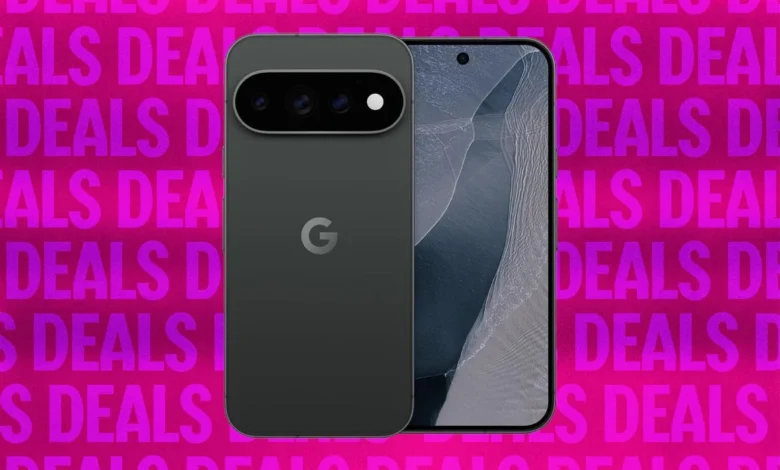
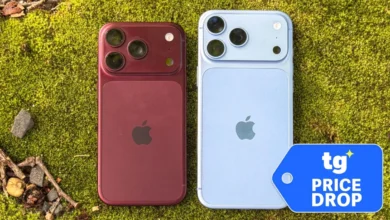
The landscape of the premium smartphone market has undergone a significant shift in recent months, characterized by a departure from the traditional retail cycle where flagship devices typically maintained their launch pricing for several quarters. In a notable break from this precedent, Google has introduced substantial price reductions across its entire Pixel 11 range—the standard Pixel 11, the Pixel 11 Pro, the Pixel 11 Pro XL, and the Pixel 11 Pro Fold—less than three months after their official August release. This aggressive pricing strategy arrives well ahead of the traditional Black Friday and Cyber Monday shopping windows, signaling a broader industry reaction to cooling consumer demand and rising hardware production costs.
A Departure from Traditional Retail Timelines
Historically, the flagship smartphone market followed a predictable seasonal cadence. Manufacturers would announce and release high-end hardware in the late summer or early autumn, maintaining strict MSRPs (Manufacturer Suggested Retail Prices) through the holiday period to protect brand value and profit margins. However, the release of the Pixel 11 series in August 2026 coincided with a period of significant macroeconomic pressure.
Global smartphone shipments have faced stagnation as consumer replacement cycles lengthen, driven by both economic caution and the perception that year-over-year hardware improvements have reached a point of diminishing returns. By offering deep discounts—ranging from $200 off the base Pixel 11 to $350 off the Pixel 11 Pro XL—Google is effectively recalibrating its market position. These price adjustments are particularly significant because they essentially nullify the $100 across-the-board price increase implemented by most major manufacturers this year, which companies cited as a necessary response to a global memory chip shortage exacerbated by the intensive computational demands of new on-device AI workloads.
Market Context and the AI Memory Crisis
The primary driver behind the original price hikes for the 2026 flagship cohort was a supply chain bottleneck. The integration of advanced artificial intelligence, which requires high-bandwidth memory (HBM) and specialized neural processing units, placed an unprecedented strain on semiconductor manufacturers. As AI-centric features became the primary marketing differentiator for flagship phones, the cost of the hardware required to run these models locally—rather than in the cloud—skyrocketed.
When the Pixel 11 launched in August, it carried a higher price tag to reflect these costs. However, the subsequent market data revealed that consumers were more price-sensitive than anticipated. By mid-October, sales velocity began to taper, prompting retailers and manufacturers to intervene. Analysts suggest that this mid-quarter price correction is a strategic effort to clear inventory and capture market share before the competitive intensity of the late-November holiday sales period, where consumers are increasingly conditioned to expect the year’s deepest discounts.
Detailed Breakdown of the Pixel 11 Pricing Adjustments
The current promotion structure is as follows:
- Pixel 11: Now available with a $200 discount.
- Pixel 11 Pro: Available with a $300 discount.
- Pixel 11 Pro XL: Available with a $350 discount.
- Pixel 11 Pro Fold: Available with a $250 discount.
The decision to apply the largest discount to the Pixel 11 Pro and Pro XL is indicative of a focus on the premium segment, where the competition from rival manufacturers remains fierce. These models feature advanced camera arrays, including improved telephoto zoom capabilities and superior low-light sensor performance, alongside brighter, more power-efficient OLED displays. The inclusion of the "HiLight" LED on the rear chassis of the Pro models represents a design attempt to create a unique visual identity, though it has faced mixed reception regarding its practical utility.
Technical Capabilities and Ecosystem Integration
Beyond the pricing strategy, the Pixel 11 series is defined by its focus on the Tensor G6 chipset. This processor is specifically engineered to handle the "proactive" AI features that differentiate the current Google experience from its predecessors. These features include advanced voice-to-text processing, real-time language translation, and "Magic Capture," an automated photography tool that utilizes generative models to optimize frame composition and lighting in real time.
Furthermore, the Pixel 11 range stands out as one of the few Android smartphone families to fully embrace the Qi2 wireless charging standard. The inclusion of an integrated magnetic ring facilitates a more robust ecosystem of mounts and accessories, mirroring the utility found in the MagSafe ecosystem. This shift toward standardizing wireless power is seen by industry observers as a critical step in creating a more unified and interoperable mobile experience, potentially encouraging long-term user retention.
The Evolution of the Foldable Segment
The Pixel 11 Pro Fold represents Google’s continued investment in the foldable form factor. With a significant upgrade in durability—highlighted by an IP68 rating for water and dust resistance—the device addresses one of the most common consumer concerns regarding the longevity of folding screens. While the Fold does not incorporate the same high-end camera array as the Pro or Pro XL models, it maintains feature parity in terms of software and AI capabilities.
The early discounting of the Pro Fold is particularly noteworthy. Foldable devices have long occupied a niche, high-price tier that serves primarily as a technological showcase rather than a mass-market product. By lowering the entry price, Google is attempting to lower the barrier to entry for early adopters who might otherwise be discouraged by the standard four-figure price tag. This move suggests that the company is aiming to transition foldables from "experimental" status to "mainstream luxury."
Implications for the Broader Smartphone Industry
The decision to discount the Pixel 11 series so soon after launch creates a ripple effect throughout the smartphone industry. Competitors, who are also grappling with high inventory levels and the rising costs of AI-capable silicon, are under increased pressure to follow suit. Industry analysts suggest that this trend may lead to a shorter "shelf life" for full-priced flagships, forcing manufacturers to adopt more dynamic pricing models.
Furthermore, the focus on "proactive assistance" as a core software pillar suggests that future hardware iterations will be defined less by physical specifications—such as screen resolution or camera megapixel counts—and more by the efficiency and reliability of their local AI models. If these models become the primary driver of value, the hardware itself may become a commodity, leading to even more frequent and aggressive price fluctuations as brands compete for the user’s attention.
Conclusion and Future Outlook
The current promotion of the Pixel 11 series is a reflection of a maturing and highly competitive smartphone market. By responding to consumer demand and adjusting prices to counter the inflation of the past year, Google is positioning its flagship line to remain competitive throughout the critical Q4 retail period. For the consumer, this represents a unique opportunity to acquire top-tier hardware at a price point that acknowledges the current economic reality.
As we look toward the remainder of the year, it is likely that other manufacturers will implement similar, if not more aggressive, promotions to maintain their market standing. The era of the "static price" appears to be coming to an end, replaced by a more fluid market environment where value is determined by a combination of cutting-edge AI utility and strategic retail timing. Whether this trend toward early discounting will sustain long-term profit margins remains to be seen, but for the immediate future, it marks a significant shift in the relationship between technology companies and the consumers they serve.