End of an Era: Google Permanently Pulls the Plug on the Pixel Tablet as Inventory Vanishes Globally


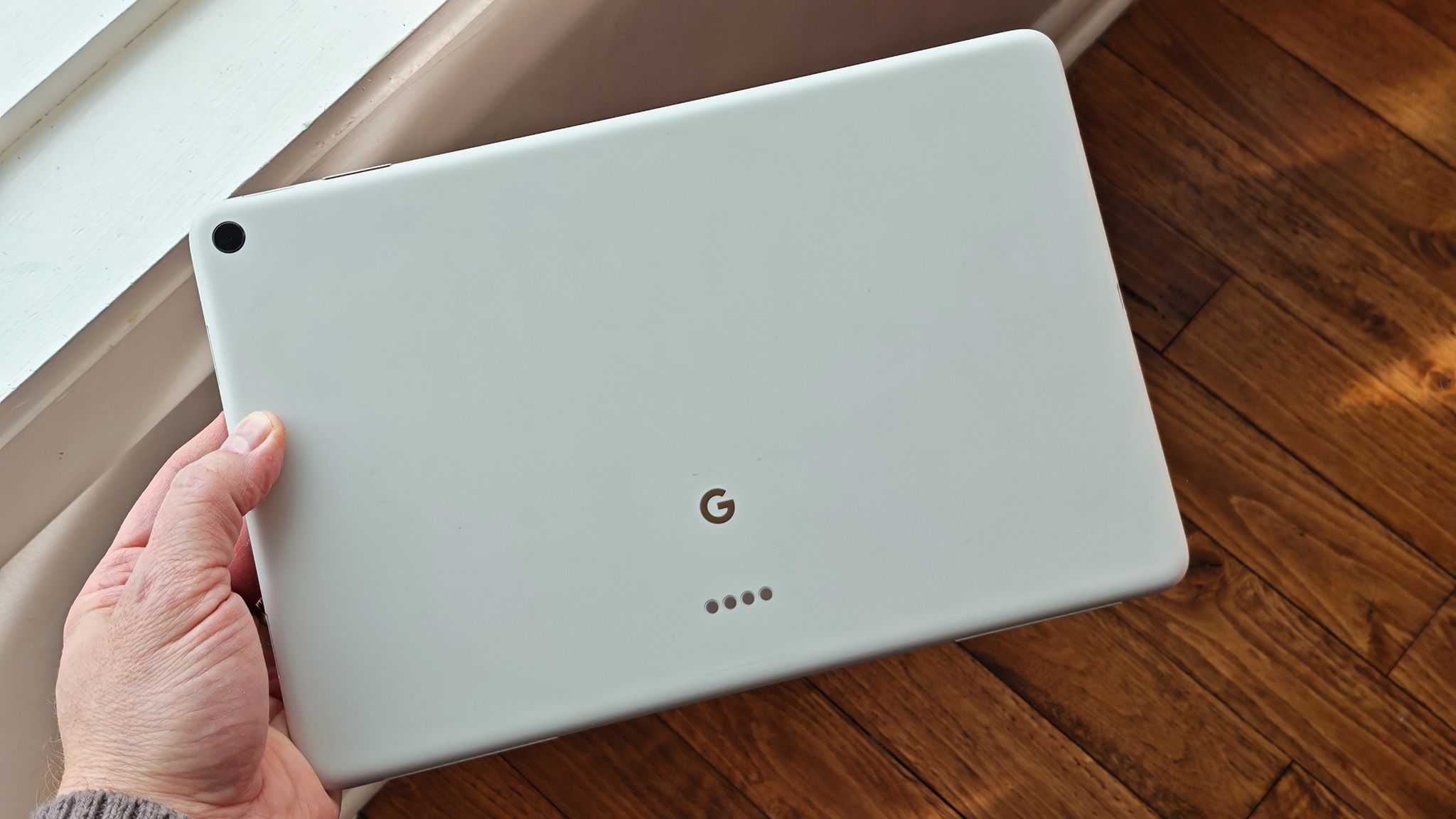
The era of the Google Pixel Tablet has officially drawn to a permanent close. Industry observers and tech enthusiasts tracking retail availability noticed a definitive shift when Google completely removed the Pixel Tablet product listing from the official Google Store. What began as a lingering "out of stock" status has now evolved into total eradication from the manufacturer’s digital storefront, with major third-party retailers such as Amazon and Best Buy following suit by clearing out their remaining inventories. This final retail phase confirms that Google is no longer manufacturing or distributing the hybrid device, effectively sealing the fate of a product that sought to redefine how consumers interact with both mobile computing and smart home environments.
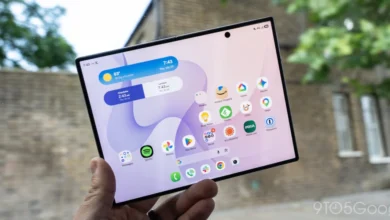
Launched with considerable fanfare in 2023 at a retail price of $499, the Pixel Tablet was introduced as a bold experiment in hardware versatility. Rather than positioning the device as a direct competitor to traditional, standalone media consumption slabs, Google engineered the hardware to bridge two distinct product categories. By pairing the tablet with an innovative speaker-and-charging dock, the device seamlessly transitioned from a conventional Android tablet into a stationary smart home hub capable of displaying Google Photos, managing smart home appliances, and functioning as a Nest Hub-style smart display. On paper, the concept addressed a common consumer dilemma: the tendency for tablets to sit idle and uncharged in drawers when not in active use. By keeping the device docked and powered, it remained perpetually useful even when owners were not actively browsing the web or streaming video.
Despite the conceptual ingenuity, the Pixel Tablet faced an uphill battle from the moment it hit the market. Consumer and critic reception was noticeably mixed, characterized by debates over its value proposition, technical limitations, and the state of Android’s tablet application ecosystem. While the inclusion of the speaker dock in the box justified the $499 price point for some buyers, others felt the display technology, processor capabilities, and camera hardware lagged behind similarly priced competitors in the tablet space. Furthermore, the hybrid nature of the device created a fragmented identity that struggled to capture the mainstream momentum enjoyed by established market leaders.
Behind the scenes, internal shifts at Google suggested that the writing was on the wall long before the hardware completely disappeared from store shelves. Rumors and industry supply chain reports initially indicated that Google had ambitious roadmaps mapped out for the product line, including a heavily anticipated second-generation Pixel Tablet slated for release in 2025, followed by a third-generation iteration planned for 2027. However, the commercial realities of the hardware market ultimately forced a strategic pivot. Facing softer-than-expected sales figures, lower-than-projected profitability margins, and a broader corporate mandate to streamline hardware expenditures under its Devices and Services division, Google reportedly cancelled its future tablet development pipelines in 2024.
Even after those internal cancellations became public knowledge, the original Pixel Tablet remained in circulation, relying on existing inventory to satisfy residual consumer demand through official and retail channels. That final safety net has now vanished. Consumers seeking to purchase a brand-new Pixel Tablet from primary storefronts will find no official avenues remaining. While fleeting units might occasionally surface through niche liquidators or secondary resale marketplaces, Google’s direct involvement in the product’s distribution lifecycle has ended.
The Chronology of the Pixel Tablet Lifecycle
The trajectory of Google’s tablet initiative serves as a case study in the rapid pivots often seen in the consumer electronics sector. Tracing the timeline of the device highlights how quickly corporate strategies can shift in response to market feedback:
May 2023: Google officially unveils the Pixel Tablet at the annual I/O developer conference, emphasizing its dual-purpose identity as both an entertainment tablet and a smart home display anchored by its proprietary charging speaker dock.
June 2023: The Pixel Tablet officially launches to the public with an introductory price tag of $499, entering a highly competitive market dominated by Apple’s iPad lineup and various Android alternatives.
Early 2024: Amid underwhelming sales performance and shifting internal hardware priorities, reports emerge indicating that Google has scrapped development plans for successive generations of the device, effectively grounding the product line’s long-term roadmap.
Late 2024 through Early 2025: The device remains available for purchase as retailers gradually deplete remaining stock levels, while Google extends software and security update commitments to reassure existing consumers.
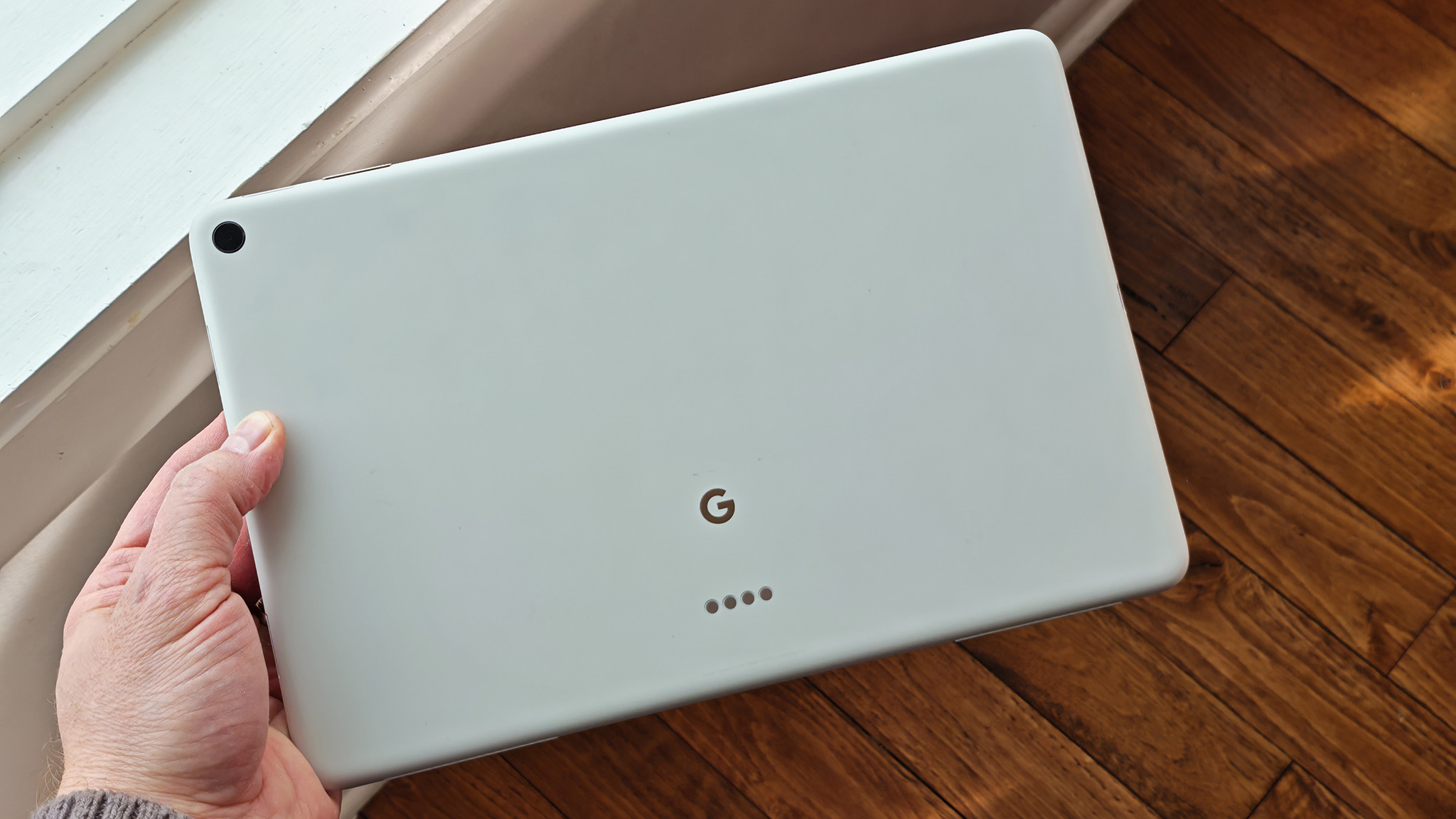
Recent Weeks: The product listing on the official Google Store transitions from "out of stock" to entirely non-existent, mirroring similar inventory clearances across major nationwide electronics retailers like Amazon and Best Buy.
Software Support and Long-Term Implications for Existing Owners
For the consumers who invested in the Pixel Tablet during its active run, the discontinuation announcement brings immediate questions regarding longevity and maintenance. Fortunately, Google has maintained its commitment to software longevity for the hardware already in circulation. Current owners will not be left stranded without security protections or system updates in the immediate future. Industry guidelines and Google’s official support statements indicate that the Pixel Tablet is slated to receive continuous software updates and security patches through mid-2028. This ensures that existing units will remain functional, secure, and compatible with the broader Android application ecosystem for several more years.
Nevertheless, the permanent retirement of the Pixel Tablet carries broader implications for Google’s hardware ecosystem and its ongoing efforts to compete in the tablet sector. Google has historically experienced a volatile history with tablet form factors, ranging from early Nexus-branded slates to the premium Pixel Slate running ChromeOS, and finally to the Android-powered Pixel Tablet. Each attempt has yielded valuable lessons in software optimization and hardware design, particularly regarding Android’s user interface adaptations for larger screens.
The failure of the Pixel Tablet to secure a permanent foothold raises questions about whether Google will attempt to re-enter the standalone tablet market in the future under a different branding strategy or focus exclusively on its smartphone and wearable portfolios. For now, the departure of the device leaves a distinct gap in Google’s hardware lineup—a space where smart home integration and mobile computing briefly intersected before commercial pressures forced the experiment to an end.
As the tech industry processes the finality of the Pixel Tablet’s removal from retail channels, the device will be remembered as a bold, forward-thinking concept that dared to rethink the stationary role of consumer electronics in the modern household. While the market ultimately decided that the hybrid formula was not sustainable enough to warrant future generations, the legacy of the device lives on through the continued software support promised to its current user base. For Google, the chapter is closed, leaving hardware analysts to wonder what path the company will chart next in its continuous quest to harmonize the Android ecosystem across all screen sizes.