Tesla Cybercab riders can now pull up a rear camera view and darken the screen

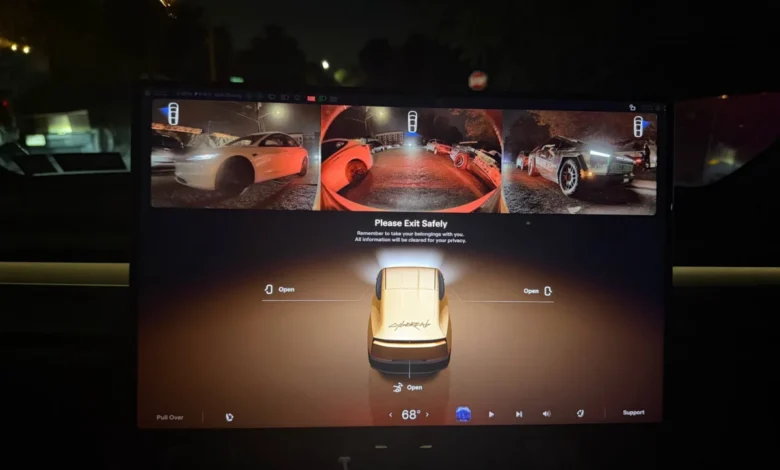
Tesla has officially introduced new user-interface enhancements for its autonomous Cybercab fleet, marking a significant step forward in the passenger experience for its robotaxi service. Users in Austin, Texas, can now access a live rear-facing camera feed directly from the vehicle’s center display, providing passengers with greater situational awareness. Additionally, the company has rolled out a "quiet mode" that allows users to dim the cabin screen, a feature designed to enhance comfort for those looking to rest during transit. These updates represent a rapid iteration cycle for Tesla’s software-defined vehicle platform, which continues to evolve based on real-time feedback from its growing user base in the Texas capital.
A Rapid Response to Passenger Feedback
The implementation of the rear camera feed highlights the agility of Tesla’s software development team. The feature was explicitly requested by a passenger, Dan Burkland, earlier in October. Burkland had publicly suggested that providing passengers with visibility into the vehicle’s exterior surroundings—particularly the rear and side views—would significantly improve the "peace of mind" associated with riding in a vehicle lacking a human operator, mirrors, or rear windows.
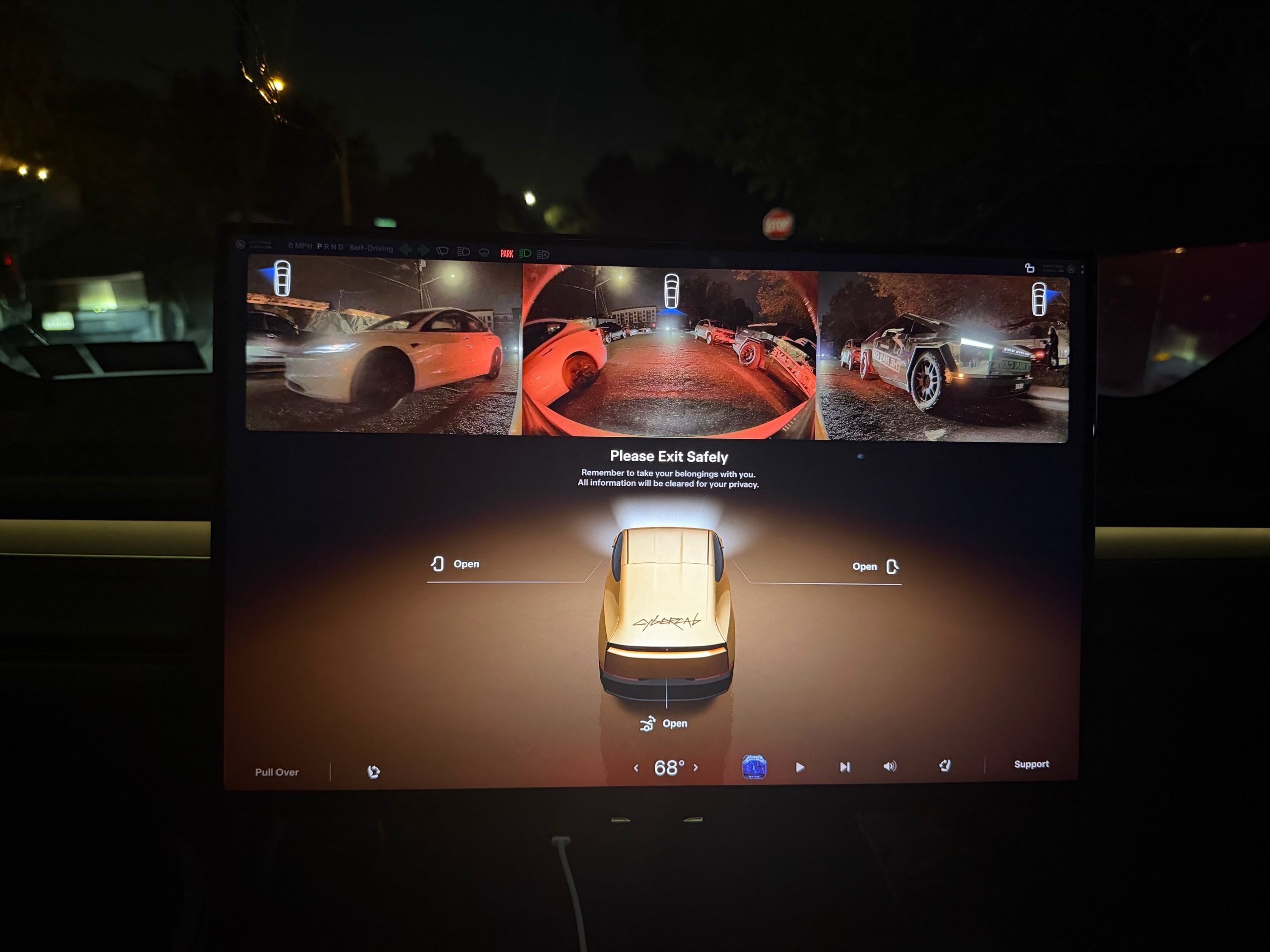
Within just two weeks of the request, Tesla’s software engineers, including Evan (@CarCoder), confirmed the deployment. The feature is intuitive, allowing passengers to toggle the feed, view multiple camera angles, and swipe to hide or show the display as needed. Previously, camera access was limited to the end of a trip, appearing only on the "Please Exit Safely" screen to ensure passengers could check for cyclists or traffic before opening the doors. By extending this functionality to the entire duration of the trip, Tesla is effectively replacing the traditional rearview mirror with a digital, on-demand interface.
Technical Integration and AI Optimization
The development of this feature serves as an interesting case study in how Tesla leverages its internal AI capabilities. Yun-Ta Tsai, a senior staff engineer on Tesla’s AI team, noted that the tuning of the human-facing camera view was optimized using Grok. According to Tsai, the implementation involved directly programming the vehicle’s fixed-function hardware. This approach underscores the growing influence of the Grok agent within the Tesla ecosystem. Since its integration into the Cybercab and Model Y robotaxi fleets in September, Grok has transitioned from a chatbot to an active assistant capable of managing various vehicle functions. The seamless integration of these features suggests that Tesla is moving toward a highly customizable, AI-driven environment where the passenger’s interaction with the vehicle is as fluid as a smartphone experience.
Timeline of Recent Software and Fleet Updates
The introduction of the rear camera and quiet mode is part of a broader, aggressive update cycle for the Austin robotaxi fleet. The timeline of these enhancements reflects Tesla’s commitment to refining the service as it prepares for wider adoption:

- September 2026: Tesla officially integrates Grok Bot into its robotaxi fleet, enabling a more interactive and helpful AI assistant for passengers.
- Early October 2026: Passenger Dan Burkland requests on-demand access to exterior camera feeds for increased transparency and comfort.
- Mid-October 2026: Tesla begins rolling out a redesigned Live Activity interface for iPhone and Apple Watch users, alongside new live trip-sharing features.
- October 24, 2026: Users report the emergence of "quiet mode," a feature that allows for total screen dimming.
- October 25, 2026: Wide confirmation of the rear camera feed functionality across the Austin fleet.
These updates arrive at a critical juncture for Tesla as it scales its operations. With the company targeting the delivery of Cybercabs to individual customers by the end of 2026, the focus on user-centric software is likely a precursor to a more commercialized, consumer-facing product launch.
Contextualizing the Design Gap
The Cybercab’s design presents a unique set of challenges that are being addressed through these software updates. By removing the steering wheel, brake pedals, and rearview mirror, Tesla has created a cabin that is entirely focused on the passenger. However, this minimalist approach can induce a sense of isolation or anxiety for riders accustomed to having a clear view of the road.
By utilizing the eight existing exterior cameras—which are already necessary for the vehicle’s Full Self-Driving (FSD) stack—Tesla is solving the visibility issue entirely through code. This is a cost-effective and scalable solution that avoids the need for physical hardware retrofits. As the fleet grows, the ability to push such meaningful changes over-the-air (OTA) becomes a significant competitive advantage, allowing Tesla to adapt to user needs without removing vehicles from service for mechanical upgrades.

Broader Implications for the Robotaxi Industry
Tesla’s ability to implement these features so quickly suggests that the underlying architecture of its robotaxi service is highly modular. While other autonomous vehicle providers often struggle with the rigid nature of their hardware-software integration, Tesla’s approach treats the vehicle as a platform.
The "quiet mode" is particularly noteworthy for its implications regarding the commercial future of the robotaxi. As these vehicles begin to compete with traditional ride-hailing services, the ability to create a personalized environment—whether for working, sleeping, or simply relaxing—becomes a key differentiator. If a passenger can dim the lights, silence the audio, and monitor the journey from their own device, the robotaxi becomes more than just transportation; it becomes a mobile lounge.
Future Outlook: Scaling and Standardization
While these features are currently exclusive to the Cybercab fleet in Austin, their success will likely dictate the roadmap for other vehicles in the Tesla lineup. There has been no official statement regarding whether these specific UI elements will be ported to the Model Y robotaxi fleet, but given Tesla’s history of feature parity across its software-defined products, it is highly probable that these functions will become standard in future updates.
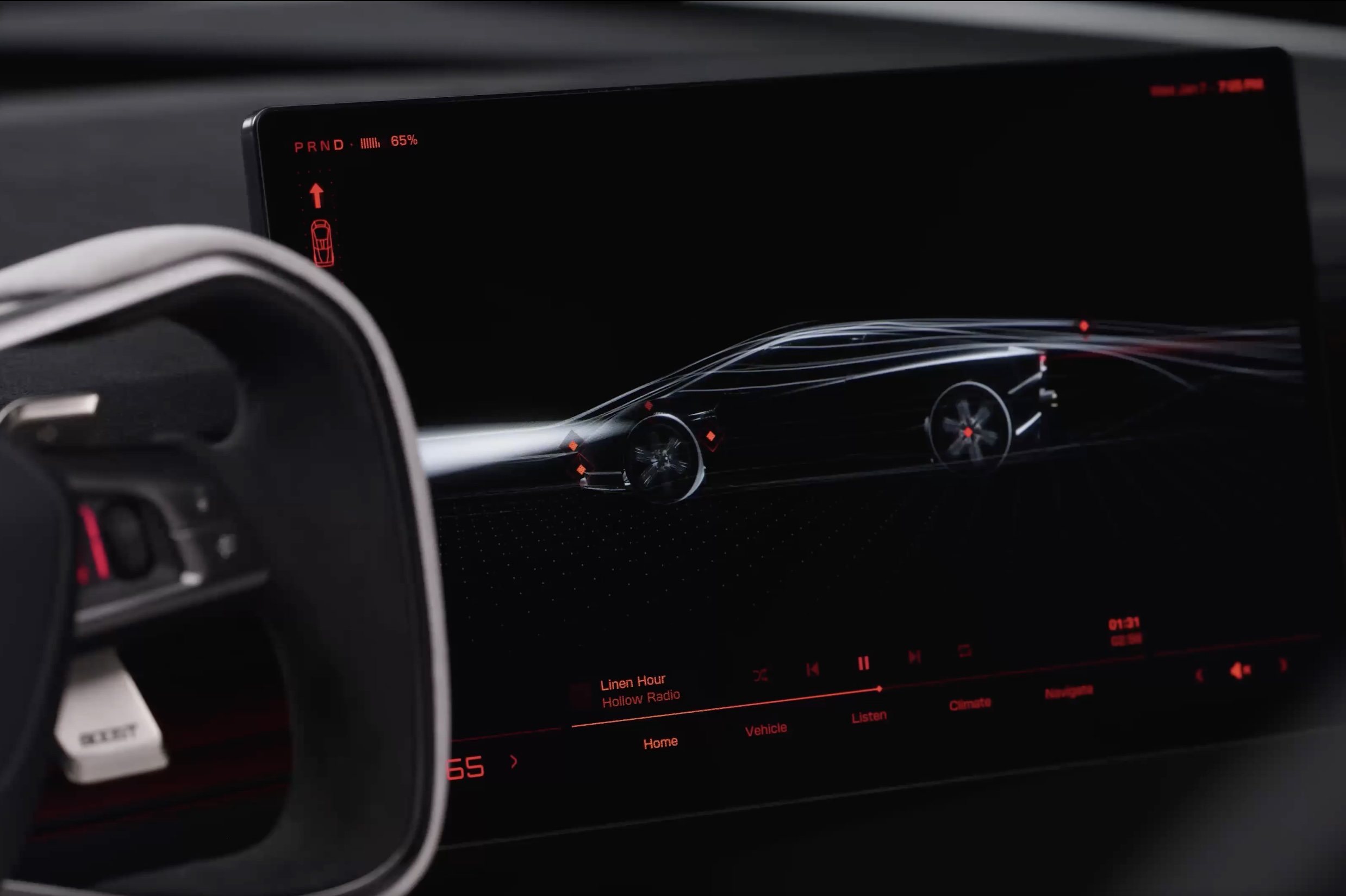
Furthermore, as the company ramps up production at its factories in Fremont and Giga Texas, the standardization of these features will be essential. The ongoing collaboration between Tesla’s AI engineers and its product designers is creating a baseline for what a "production-quality" robotaxi should look like. As Tesla pushes toward its goal of millions of units, the focus will likely remain on reducing the friction between the AI’s decision-making process and the passenger’s understanding of that process. By granting the passenger a window into what the car sees, Tesla is effectively building trust, one pixel at a time.
As of late October 2026, the company continues to focus on refining the reliability and service life of its hardware, while simultaneously ensuring the software interface keeps pace with the demands of a diverse user base. The rapid success of the camera and quiet mode updates serves as a strong indicator that Tesla is successfully navigating the transition from a specialized testing phase to a mature, high-volume commercial service. Whether through the integration of AI-assisted tuning or the responsiveness of its software engineering team, Tesla is setting a new precedent for how passenger-centric autonomous transit should function in the modern era.