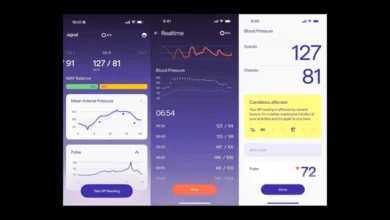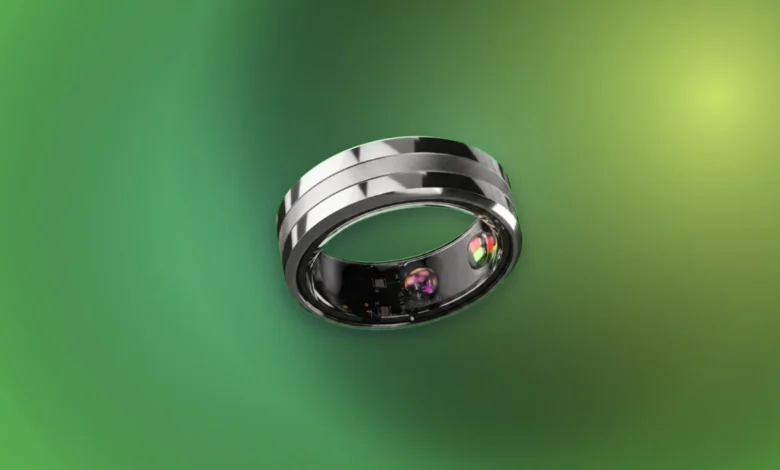
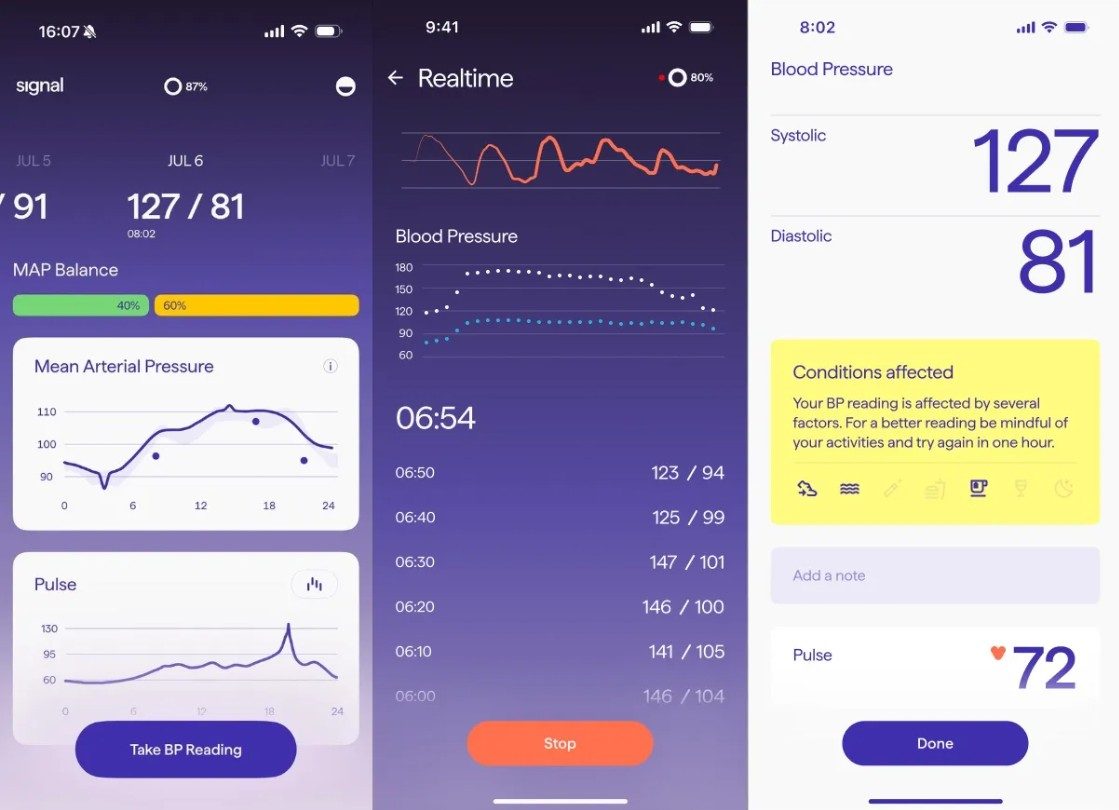
Vital Signals, a new player in the health tech arena, is positioning the Signal Ring as a convenient solution for individuals seeking to monitor their blood pressure regularly. According to a report by Bloomberg, preorders for the Signal Ring are scheduled to open on July 16, with the first shipments expected to commence in October. The device is designed to collect readings throughout the day and overnight, presenting the data via a dedicated mobile application compatible with both iOS and Android platforms. However, a crucial aspect of this launch is that the consumer version of the Signal Ring has not received clearance from the U.S. Food and Drug Administration (FDA), meaning it is entering the market as a "wellness device" rather than a medically approved diagnostic tool. Vital Signals is reportedly conducting separate clinical trials for a medical-grade iteration of the ring, intended for the diagnosis of hypertension and the identification of dangerous trends, though the results of these trials have not yet been publicly disclosed.
The Quest for Cuffless Blood Pressure Monitoring: A Market Overview
The ability to accurately and conveniently measure blood pressure has long been a holy grail in wearable technology. Hypertension, or high blood pressure, affects billions globally and is a major risk factor for heart disease, stroke, and kidney failure. Regular monitoring is crucial for managing the condition, but traditional arm-cuff sphygmomanometers, while accurate, can be cumbersome, disruptive, and often lead to inconsistent measurement practices. This creates a significant demand for less intrusive, more continuous monitoring solutions.

For years, companies like Apple and Oura have dominated the smart ring and smartwatch markets, offering sophisticated tracking of metrics such as heart rate, blood oxygen levels (SpO2), electrocardiograms (ECG), sleep patterns, and activity levels. Apple, for instance, has successfully navigated the FDA clearance process for its Apple Watch’s ECG feature and irregular rhythm notifications, elevating its status beyond a mere consumer gadget to a credible health monitor. Oura Rings, on the other hand, focus primarily on sleep quality, readiness scores, and activity tracking, utilizing heart rate and temperature data to provide holistic wellness insights. Despite their advanced sensor arrays and powerful algorithms, neither company has offered direct, numerical systolic and diastolic blood pressure readings without external calibration or a separate cuff, largely due to the stringent accuracy requirements and regulatory hurdles associated with such a vital health metric. The challenge lies in translating subtle physiological signals captured from the wrist or finger into reliable blood pressure figures, a task fraught with complexities given individual physiological variations and the dynamic nature of blood flow.
Vital Signals’ Signal Ring attempts to bridge this gap by promising direct blood pressure measurements, a move that could potentially redefine the capabilities expected from a smart wearable. This ambition places the company in a unique position within the competitive landscape, challenging established norms and pushing the boundaries of what consumers might expect from their personal health devices.
Unpacking the Technology: How the Signal Ring Aims to Function
At the core of the Signal Ring’s purported capability are custom electronics and proprietary algorithms designed to estimate blood pressure from the finger. While specific technical details remain somewhat under wraps, this approach typically involves advanced optical sensors, such as photoplethysmography (PPG) sensors, which emit light into the skin and measure the changes in light absorption or reflection caused by blood flow. By analyzing these pulsatile changes, the ring’s algorithms can infer various cardiovascular parameters.
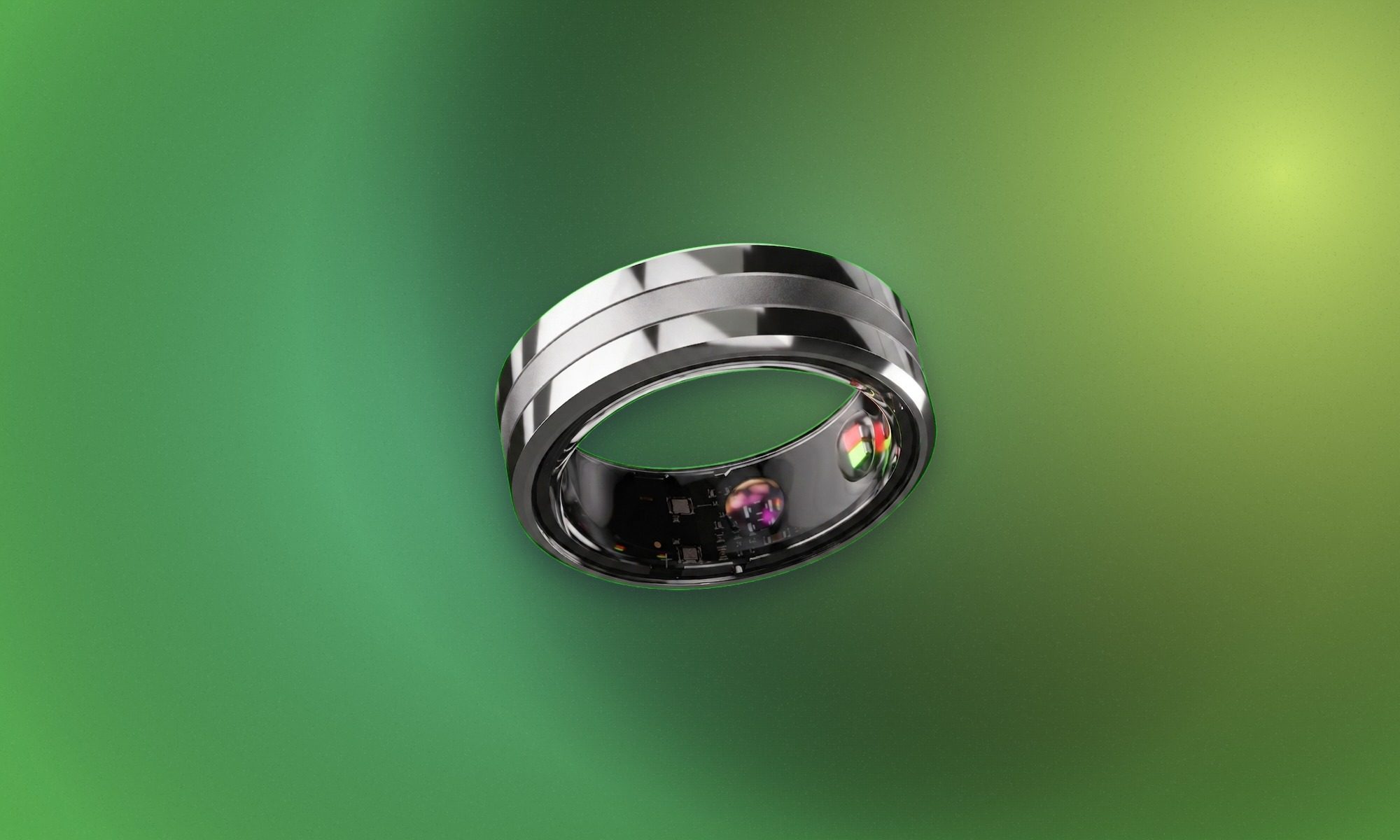
One common method for cuffless blood pressure estimation involves the analysis of pulse transit time (PTT) or pulse wave analysis (PWA). PTT measures the time it takes for a pulse wave to travel between two points, which can correlate with arterial stiffness and, consequently, blood pressure. PWA involves analyzing the shape and characteristics of the blood pressure waveform to derive systolic and diastolic values. Vital Signals claims its system goes further by accounting for individual physiological differences, including body mass and varying arterial stiffness, which are critical variables that can significantly impact the accuracy of cuffless blood pressure measurements. These individual variations make a one-size-fits-all algorithm extremely challenging.
The American Heart Association (AHA) has acknowledged the potential of cuffless blood pressure devices, describing a similar approach across the category where optical sensors capture cardiovascular signals, and sophisticated software translates these into estimated readings. However, the AHA also stresses the importance of rigorous validation for these devices.
For the Signal Ring to achieve the cleanest and most reliable measurements, users are still advised to sit quietly and manually initiate a measurement session. The accompanying app offers guided breathing exercises and is designed to pause readings if it detects movement or talking, both of which can introduce artifacts and significantly throw off the accuracy of the results. This requirement highlights that even with advanced technology, environmental and user-dependent factors remain crucial for obtaining reliable data from cuffless devices. Furthermore, a significant portion of the data processing for the Signal Ring occurs in the cloud. While the ring can record measurements offline, users will only be able to view their results once the device reconnects to the internet and the data has been processed by Vital Signals’ remote servers. This dependency on cloud connectivity could be a limitation for users in areas with poor internet access or those with privacy concerns regarding their health data.
The Regulatory Gauntlet: FDA Clearance and the "Wellness Device" Distinction
The distinction between a "wellness device" and a "medical device" is paramount in the realm of health technology, particularly concerning vital signs like blood pressure. A wellness device, like the consumer version of the Signal Ring, is generally intended for general health awareness, fitness tracking, or promoting a healthy lifestyle. It is not designed or authorized to diagnose, treat, mitigate, or prevent any disease or condition. Conversely, a medical device undergoes rigorous scrutiny by regulatory bodies like the FDA to ensure its safety and effectiveness for specific medical purposes, such as diagnosing hypertension.
The FDA has established a comprehensive framework for clearing medical devices, which typically involves demonstrating substantial equivalence to a legally marketed predicate device (510(k) clearance) or, for novel devices, undergoing a more intensive Pre-Market Approval (PMA) process. For devices purporting to measure blood pressure, the FDA’s requirements are exceptionally stringent, demanding extensive clinical performance testing and evaluation against established accuracy standards, such as those set by ISO 81060-2. These standards require devices to demonstrate accuracy within a very narrow margin when compared to a gold-standard reference measurement across a diverse population. The absence of FDA clearance for the Signal Ring’s consumer model means that its blood pressure readings, while numerical, should not be used for medical diagnosis or treatment decisions.
The FDA has explicitly warned consumers against relying on unauthorized blood pressure wearables, emphasizing the potential for serious health consequences. A false reading, whether inaccurately high or low, could lead to delayed treatment for genuine hypertension, prompt an inappropriate change in medication, or create a false sense of security, all of which could have life-threatening implications. This is why Vital Signals’ ongoing clinical trials for a medical-grade version, and the eventual publication of their results, will be critical for gaining trust from the medical community and, ultimately, FDA clearance. Until then, the device remains in a regulatory gray area, offering data that users should interpret with extreme caution and in consultation with healthcare professionals. The FDA’s draft guidance for cuffless non-invasive blood pressure measuring devices further underscores the extensive performance testing and evaluation expected from this category, including validation in various populations (e.g., different age groups, ethnicities, and health conditions).
Navigating Accuracy Concerns and Real-World Limitations

Initial hands-on demonstrations, such as the one reported by Bloomberg, have already highlighted potential accuracy issues with the Signal Ring. During these tests, a few readings were reportedly inaccurate, with Vital Signals attributing these discrepancies primarily to the ring’s fit. This is a meaningful limitation, as the performance of optical sensor-based wearables is highly dependent on consistent and proper skin contact. Factors such as finger size variations, swelling, moisture, and even slight movements can interfere with the sensor’s ability to capture reliable physiological signals, leading to erroneous data. Ensuring a perfect fit across a diverse user base, whose fingers can vary significantly in size and shape, presents a substantial engineering challenge.
Beyond fit, other environmental and physiological factors can influence the accuracy of cuffless blood pressure measurements in daily use. Temperature fluctuations, sweating, the user’s activity level, and even stress can affect blood flow and skin impedance, potentially introducing noise into the readings. The cloud-centric data processing also means that while the ring can record measurements offline, users will not have immediate access to their blood pressure data until an internet connection is re-established. This could be problematic for individuals who need instant feedback or who live in areas with unreliable connectivity.
For consumers, these practical limitations underscore the FDA’s warning: an unauthorized device, regardless of its technological sophistication, cannot replace the accuracy and reliability of medically validated equipment. The promise of continuous, convenient blood pressure monitoring is compelling, but the path to achieving it in a clinically reliable manner is complex and fraught with technical and regulatory hurdles.
Target Audience, Market Impact, and Future Outlook

Vital Signals is strategically targeting individuals who already have hypertension or are at an elevated risk of developing it, rather than the general fitness enthusiast market. While the Signal Ring does incorporate features like heart rate monitoring and some basic sleep tracking, these appear to play supporting roles to its primary function of blood pressure measurement. This specific demographic has a compelling need for convenient monitoring, and if the Signal Ring can eventually prove its accuracy and gain regulatory approval, it could offer a significant advantage over traditional methods.
A notable competitive aspect of the Signal Ring is its one-time purchase price of $399, with no associated subscription fees. This stands in contrast to competitors like Oura, which requires a monthly subscription for full access to its data and advanced features, making the Signal Ring potentially more appealing to budget-conscious consumers seeking a long-term monitoring solution. However, this cost-effectiveness must be weighed against its current "wellness device" status.
For individuals whose medical treatment plans hinge on accurate blood pressure readings, the unequivocal advice from healthcare professionals and regulatory bodies remains to continue using authorized, validated arm-cuff devices and to consult with a clinician for all diagnostic and treatment decisions. The Signal Ring, in its current iteration, can perhaps serve as a complementary tool for tracking trends and fostering greater awareness, but not as a definitive diagnostic instrument.
The introduction of the Signal Ring will undoubtedly spark considerable interest and debate within the wearable technology and healthcare sectors. It represents a bold step towards an often-discussed but rarely achieved feature in consumer wearables. Its success, or lack thereof, following its October shipping date, will largely depend on its real-world performance, particularly how well it handles the myriad challenges of movement, imperfect fits, and varied physiological responses outside of controlled testing environments.

The broader implications for the smart wearable market are significant. Should the Signal Ring demonstrate reasonable accuracy in real-world scenarios and eventually achieve medical clearance, it could accelerate the push for other tech giants to prioritize and invest more heavily in cuffless blood pressure monitoring. It could also set a precedent for "wellness" devices that operate on the very edge of medical functionality, forcing a re-evaluation of regulatory frameworks and consumer expectations. From an ethical standpoint, the widespread availability of such data, even if not medically validated, raises questions about data privacy, user interpretation, and the potential for anxiety or self-misdiagnosis.
In conclusion, Vital Signals’ Signal Ring is a compelling and ambitious product that aims to deliver a long-sought-after health metric directly to the user’s finger. Its promise of convenient, cuffless blood pressure readings for $399, without a subscription, is undeniably attractive. However, its launch as a wellness device without FDA clearance places a significant burden of caution on consumers and healthcare providers alike. The journey from a promising technological innovation to a trusted medical tool is a long one, paved with rigorous validation, transparent clinical data, and regulatory approval. As the Signal Ring makes its way into the hands of consumers this October, its real-world performance will be closely scrutinized, and its ultimate impact on personal health monitoring will depend on its ability to overcome the complex challenges of accuracy, reliability, and regulatory acceptance.