Why Upgrading to the Apple Watch Series 12 Makes Sense After Years of Incremental Updates

Apple Inc. has long dominated the global smartwatch market, capturing consumer loyalty through tightly integrated hardware and software ecosystems. However, in the years leading up to the release of the Apple Watch Series 12, critics and tech enthusiasts alike frequently noted a plateau in year-over-year performance gains. Following the introduction of the S9 chip—which brought significant neural processing upgrades and paved the way for advanced on-device processing—subsequent iterations largely focused on display tweaks, chassis reductions, and minor sensor refinements. For many consumers utilizing older models like the Series 8 or Series 9, the incentive to upgrade remained minimal. That landscape shifted dramatically this fall with the official commercial rollout of the Apple Watch Series 12, accompanied by the broad deployment of watchOS 27. Currently retailing on promotional platforms such as Amazon at a discounted price point of $329—down from its standard $399 MSRP—the Series 12 has reignited discussions regarding what a modern wearable device can and should accomplish. A comprehensive evaluation of the device reveals four core technological pillars that substantiate the upgrade: the introduction of the performance-focused S11 processor, advanced health sensing and newly implemented watch-face complications, the innovative AI-driven Siri Recap tool, and significantly optimized battery charging speeds.
The Architectural Leap: The S11 Chip and Processing Performance
To understand the significance of the Apple Watch Series 12, one must first examine the silicon powering it. For consecutive product cycles, Apple’s wearable chip architecture saw iterative tweaks rather than sweeping systemic overhauls. While the S10 architecture offered baseline stability and power efficiency, it struggled under the weight of increasingly complex, generative AI-driven software tasks introduced in recent watchOS iterations.
The integration of the S11 chip marks a distinct departure from this period of hardware stagnation. Built on an advanced semiconductor node, the S11 processor dramatically accelerates everyday tasks, app launches, and background sync operations. More importantly, it serves as the necessary computational foundation for the intensive machine-learning workloads required by watchOS 27. In functional testing, AI-driven features such as contextual on-device voice recognition and localized query processing—which previously exhibited noticeable latency and sluggish response times on legacy hardware—operate with fluid responsiveness on the Series 12. Industry analysts note that this performance delta ensures the device is adequately future-proofed against upcoming software demands, offering a level of responsiveness that finally matches the fluid interfaces found on modern smartphones.

Evolving Biometrics: Health Sensing Systems and New Complications
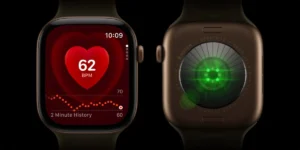
Health and wellness tracking have consistently served as primary market drivers for the Apple Watch lineup. With the Series 12, Apple introduced a revised Health Sensing System designed to enhance the precision and breadth of biometric monitoring. Beyond fundamental metrics such as continuous optical heart rate tracking and precise step counting, the hardware incorporates refined sensor arrays capable of gathering more nuanced physiological data points throughout the day and night.
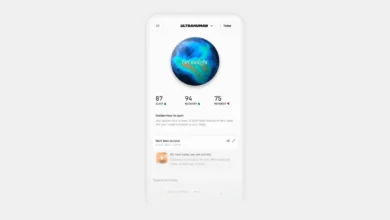
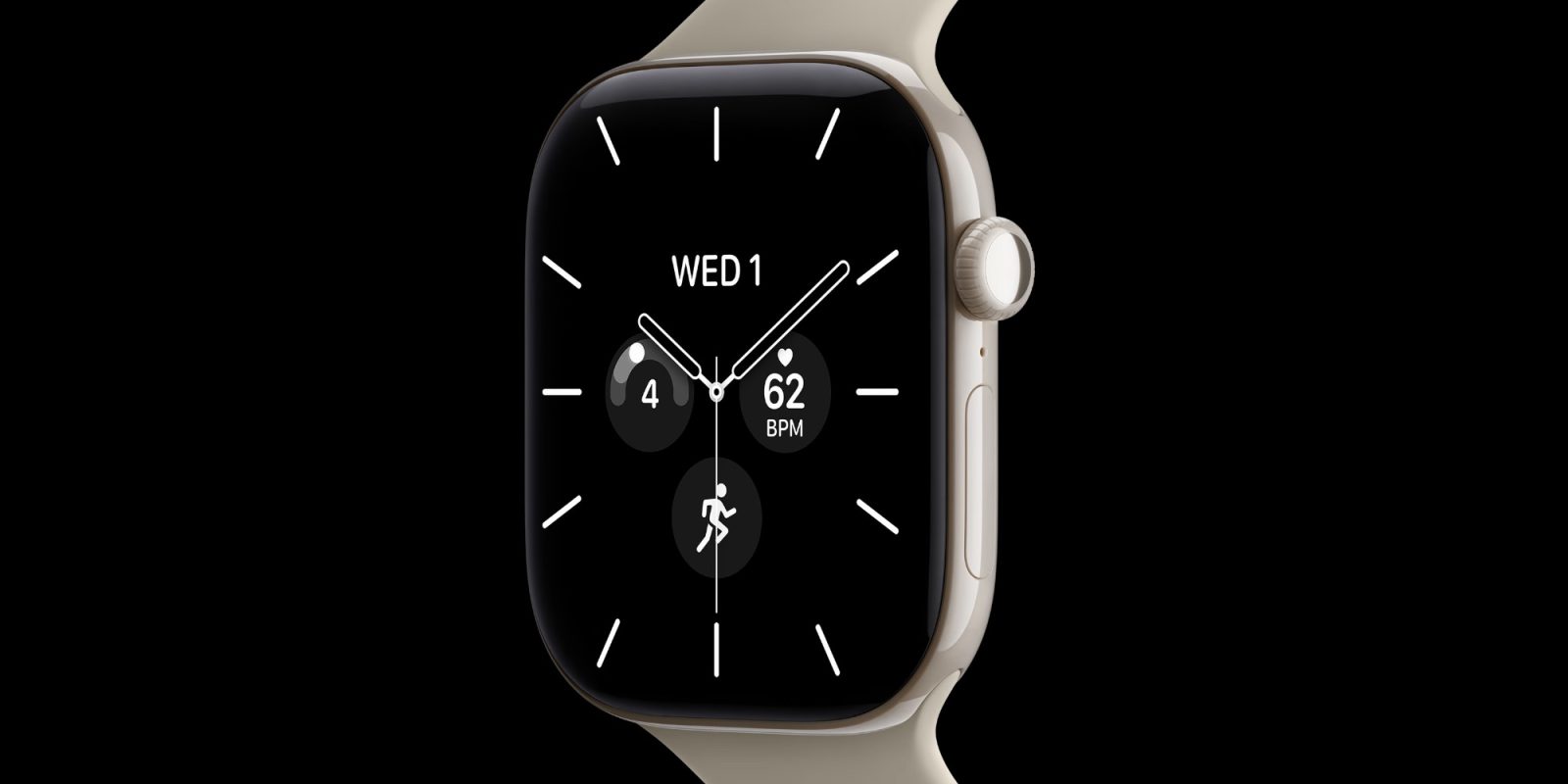
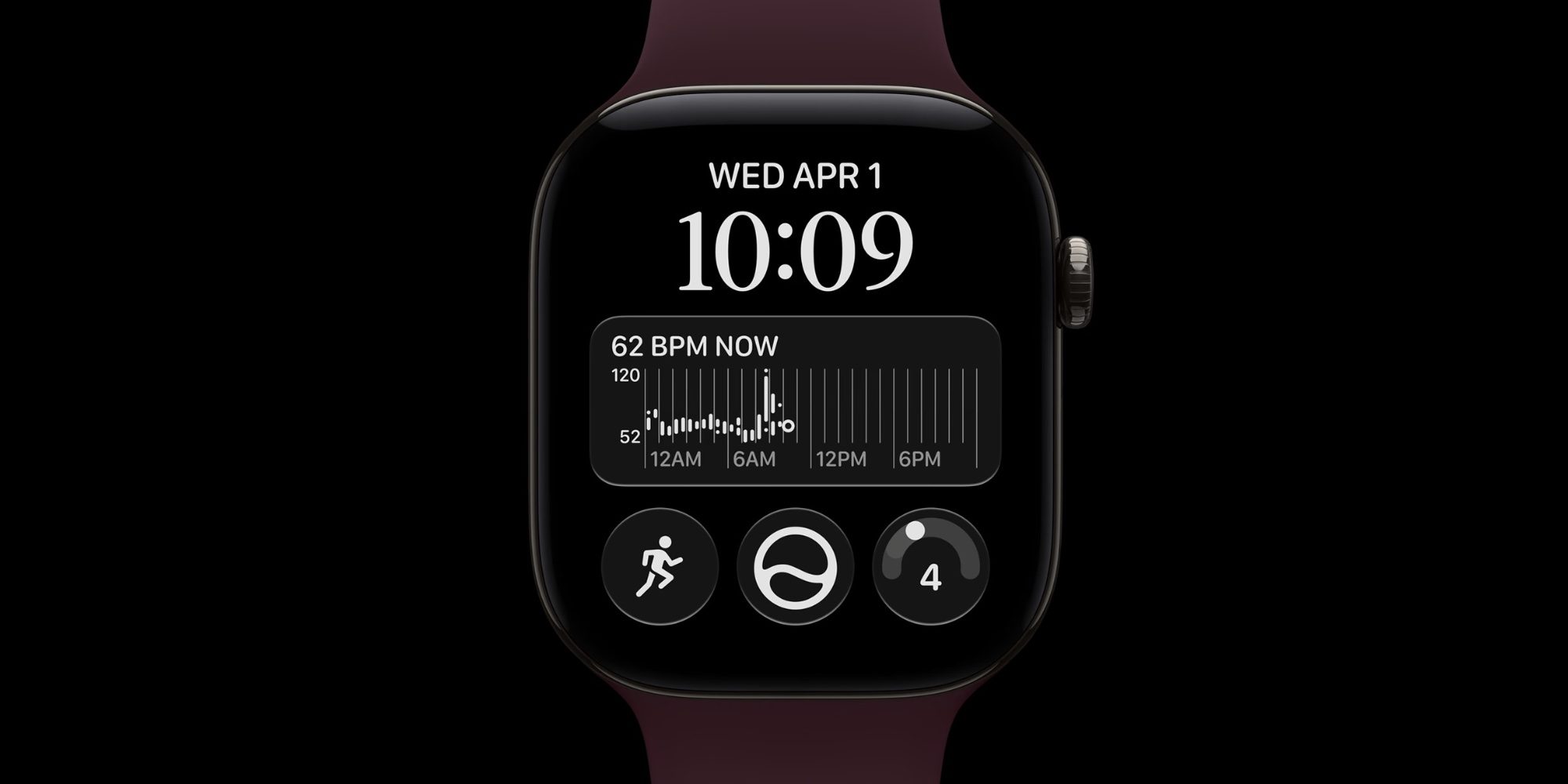
Crucially, the hardware improvements are not confined to the background of the device; they translate directly into user-facing utility through three newly engineered complications. Available exclusively on compatible watch faces for the Series 12, these complications deliver real-time, at-a-glance visibility into vital health vectors. Users can now monitor continuous heart rate fluctuations, highly accurate daily cumulative step outputs, and a newly synthesized readiness score directly from their home screen. This readiness score aggregates sleep quality, recent exertion levels, and resting biometrics to provide a holistic daily assessment of physical recovery. By bridging the gap between raw data collection and actionable insight, these complications represent a meaningful progression in consumer-grade preventative health monitoring.
Contextual Memory Management: The Integration of Siri Recap
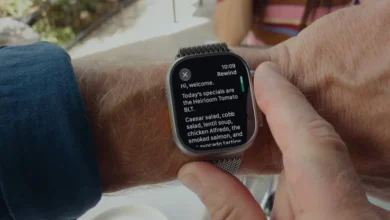
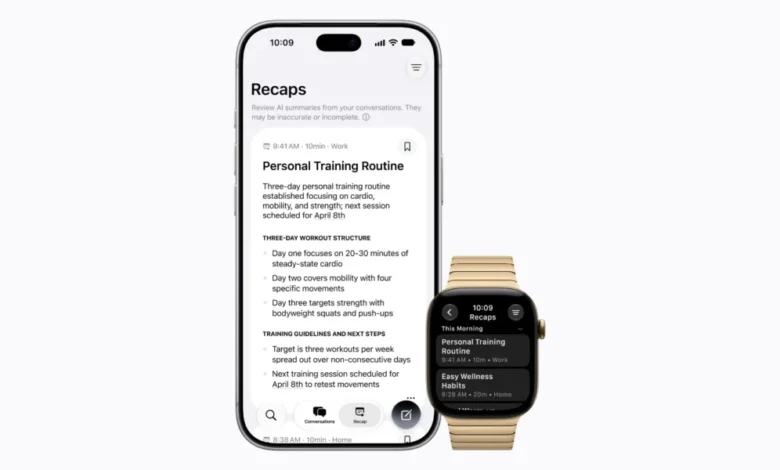
Perhaps the most technologically ambitious feature accompanying the Apple Watch Series 12 ecosystem is the introduction of Siri Recap, deployed via the watchOS 27.3 beta software update. Leveraging advanced Apple Intelligence frameworks tailored specifically for localized wearable processing, Siri Recap introduces a novel approach to personal data management and daily organization.
According to official technical documentation provided by Apple, Siri Recap operates ambiently in the background, securely analyzing conversational contexts and daily engagements throughout the user’s routine. Utilizing advanced natural language processing models, the system generates high-level, summarized text synopses designed to assist users in recalling important details, action items, or discussion points without manually digging through notes or message logs.
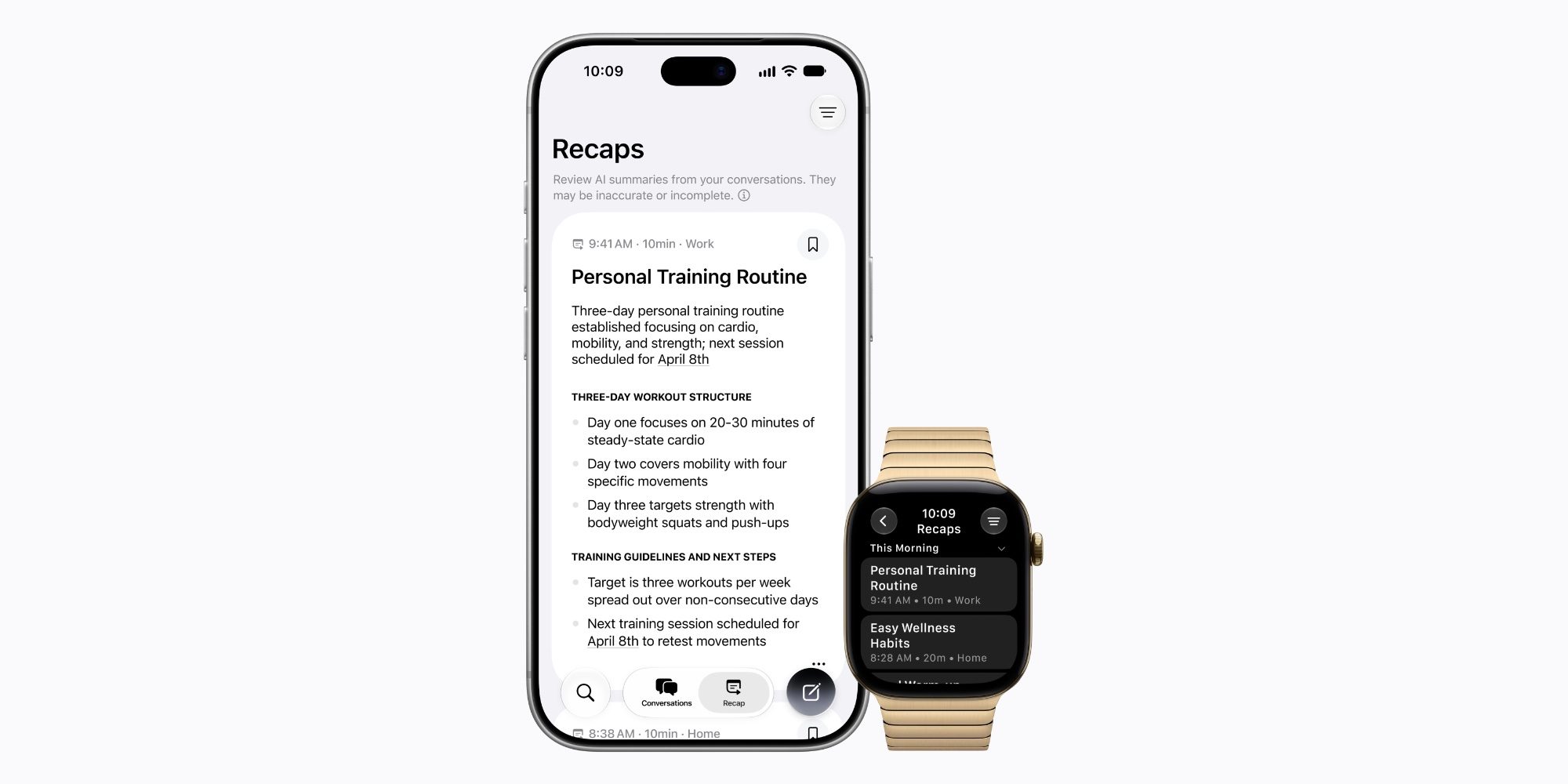
Privacy advocates and security analysts have closely scrutinized the implementation of ambient conversational parsing. In response, Apple has emphasized its commitment to on-device processing architecture and stringent data governance. The vast majority of conversational fragments processed by Siri Recap are retained temporarily and deleted automatically. Only aggregated, high-level summaries are preserved for immediate user retrieval, ensuring that the feature functions as an efficient cognitive aid while maintaining robust data privacy standards. For professionals and active individuals managing heavy communication schedules, Siri Recap bridges the gap between passive wearable utility and active personal productivity.
Power Management, Thermal Efficiency, and Rapid Charging
Battery longevity has historically been a critical battleground in the smartwatch industry. While the Apple Watch Series 12 maintains a baseline operational endurance comparable to its predecessor, the Series 11, it introduces critical efficiency gains—most notably delivering up to 25 percent greater battery stamina during sustained outdoor GPS and fitness tracking sessions.
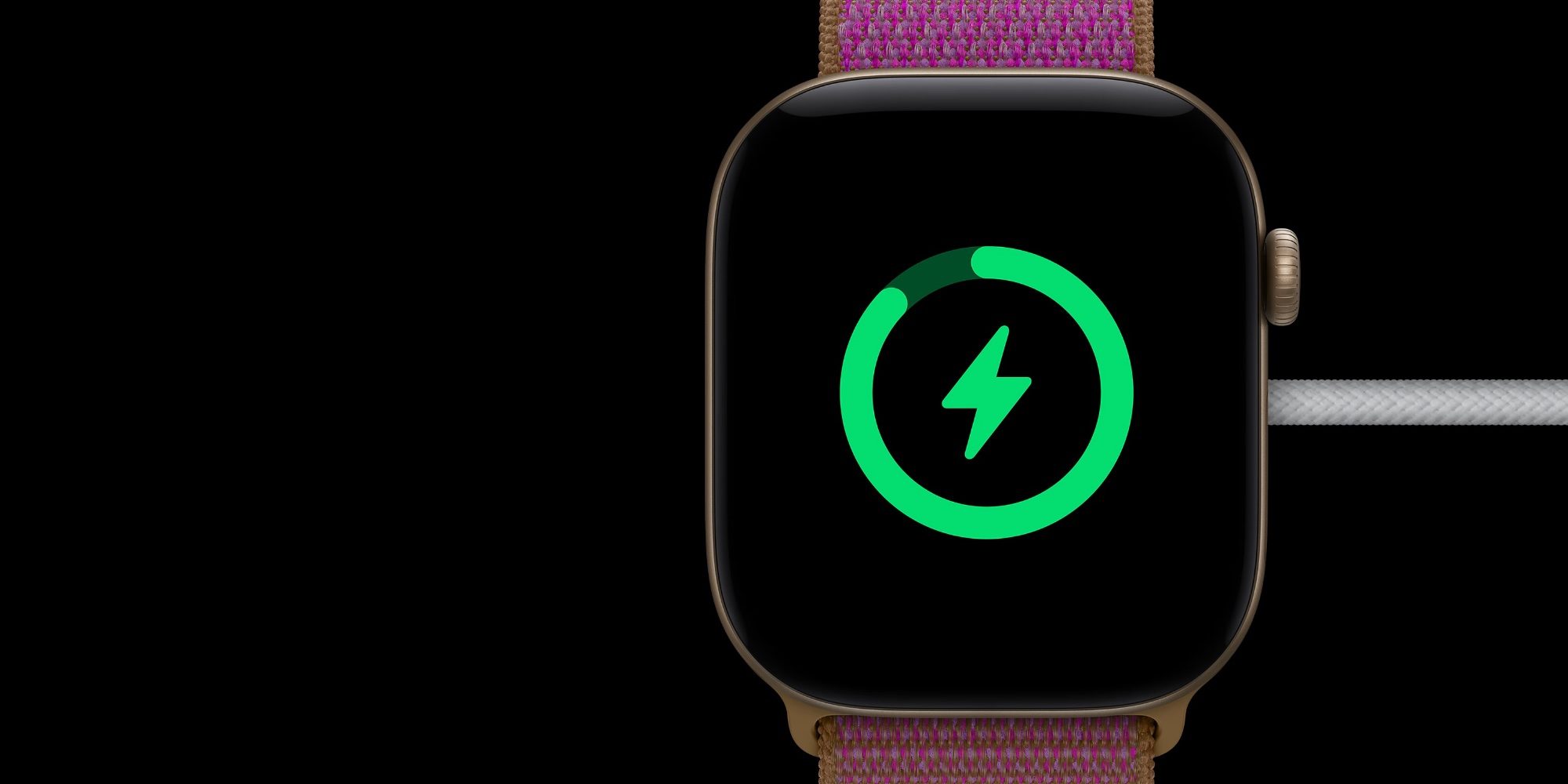
However, the most tangible daily improvement for consumers lies in the realm of power replenishment. The Series 12 features a redesigned internal power delivery system that supports substantially faster charging protocols. While previous generations required deliberate planning to ensure adequate battery levels for overnight sleep tracking, the Series 12 dramatically reduces tether time. Benchmarks indicate that a brief evening charge of just a few minutes restores enough power to sustain overnight health monitoring and a full day of subsequent usage. This mitigation of charging friction addresses one of the most common user complaints regarding modern wearables, ensuring that device maintenance requires minimal disruption to daily routines.
Market Implications and Economic Positioning
The release and subsequent promotional pricing of the Apple Watch Series 12 underscore a broader strategic shift within consumer technology markets. Facing lengthening device replacement cycles among consumers, manufacturers are increasingly relying on tangible software-hardware integrations—such as localized artificial intelligence and advanced wellness metrics—to justify hardware upgrades.

By pricing the Series 12 at $329 during current promotional windows on platforms like Amazon, down from its standard $399 retail baseline, Apple and its retail partners are aggressively targeting fence-sitting consumers who purchased older models during the pandemic-era wearable boom. Industry observers note that this pricing strategy not only stimulates hardware adoption but also secures long-term engagement with subscription-based health and fitness services.
Ultimately, the Apple Watch Series 12 transcends the category of an incremental annual refresh. Through the computational muscle of the S11 chip, the practical utility of new health complications, the forward-looking integration of Siri Recap, and vastly improved charging speeds, the device establishes a comprehensive benchmark for what consumers should expect from a flagship mainstream smartwatch. As watchOS continues to evolve, the Series 12 stands positioned as a resilient, highly capable tool designed to meet the demands of modern digital consumers for years to come.