Salon App Transforms Apple TV into a Digital Art Gallery to Compete with Premium Frame Displays

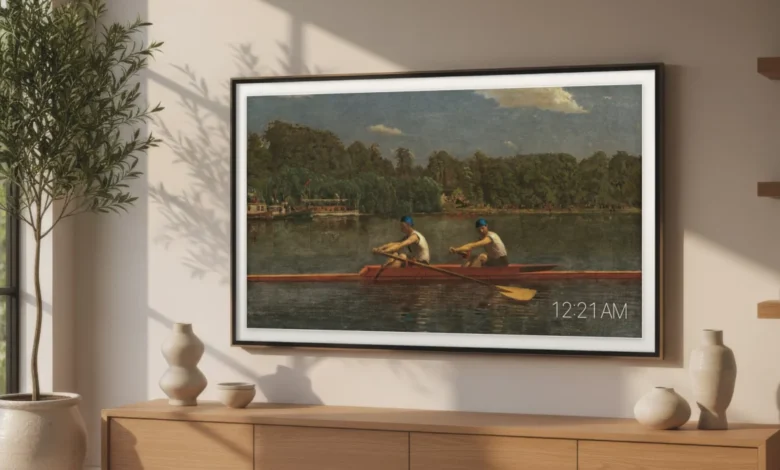
The evolution of home entertainment has long been dominated by the pursuit of high-fidelity picture quality and cinematic immersion. However, a growing trend in interior design and consumer electronics focuses on the "idle state" of television displays. As living room aesthetics prioritize minimalism, the traditional black rectangle of a dormant television is increasingly viewed as an eyesore. Enter Salon, a new application for tvOS that aims to bridge the gap between high-end, dedicated digital art displays like the Samsung Frame TV and the ubiquitous Apple TV ecosystem. By leveraging the existing hardware of the Apple TV, Salon provides a curated, subscription-free alternative to proprietary art modes, signaling a shift in how consumers interact with their home media devices.
The Problem of Idle Display Aesthetics
For years, the television industry has struggled to address the psychological and aesthetic impact of large, inactive screens in residential environments. While screensavers have existed since the early days of computing, they have historically been limited by either low-resolution graphics or repetitive, uninspired animations. When Samsung introduced the "Frame" concept, it fundamentally changed the market by integrating an "Art Mode" that mimics the appearance of a canvas, complete with matte borders and ambient light sensors to adjust brightness.
However, the hardware-locked nature of these displays often comes with significant drawbacks. Many users find themselves tethered to the manufacturer’s ecosystem, which frequently employs subscription-based models to access high-quality art libraries. Furthermore, the software environments—often based on proprietary platforms like Tizen—have been criticized by enthusiasts for being sluggish or difficult to navigate compared to the fluidity of Apple’s tvOS. This disconnect between hardware quality and software utility provided the impetus for the development of independent solutions like Salon.

The Genesis of Salon
The development of Salon, led by independent developer Rene, serves as a case study in "gap-filling" within the software industry. Recognizing that the vast majority of tvOS applications are either focused on streaming media or simplistic, repetitive "vibe" content like virtual fireplaces, the developer identified an opportunity to elevate the Apple TV’s secondary utility.
The rationale behind the app’s creation was rooted in personal frustration. After purchasing a dedicated art-focused television, the developer found the user experience lacking. The subscription fees required to unlock a full library of art, coupled with a restrictive interface, proved to be a catalyst for building an alternative. By creating Salon, the developer sought to democratize the digital art experience for anyone already in possession of an Apple TV, essentially software-enabling an art-mode experience on standard hardware.
Core Features and Functionality
Salon is built on a foundation of accessibility and customization. At its core, the application provides a gateway to over 1,000 open-access paintings sourced from global museum collections. These works are curated to ensure they translate well to high-definition and 4K display formats, accounting for aspect ratios and color accuracy.
Key features include:

- Curated Art Libraries: Users can cycle through an extensive archive of classic and contemporary fine art.
- Personalized Integration: Beyond public domain works, the application allows users to import personal photographs via iCloud, turning a family television into a digital photo frame.
- Aesthetic Controls: To mirror the physical appearance of a gallery piece, the app includes customizable framing options. Users can toggle between edge-to-edge displays or apply digital borders that simulate a frame.
- Informational Overlays: For those who prefer functionality alongside aesthetics, the app provides a subtle, minimalist clock and date display that can be positioned to remain unobtrusive.
The application requires tvOS 17 or later, ensuring it remains compatible with a wide range of current and recent-generation Apple TV hardware. By utilizing a one-time purchase model rather than a recurring subscription, the developer distinguishes the app from the prevailing "software-as-a-service" trends that have frustrated consumers in the smart home space.
Market Context: The "Vibe Coding" Movement
The rise of applications like Salon is part of a broader, nascent movement often referred to in developer circles as "vibe coding." This term describes the creation of software that is designed primarily to improve the ambient environment of a space rather than to serve as a high-utility productivity tool.
In the broader context of the smart home, the Apple TV is increasingly being viewed as a central hub for environmental control. As the device becomes more integrated with HomeKit and other smart home protocols, the demand for software that can transform the TV into a "smart window" or a "digital canvas" has increased. Data from recent consumer behavior studies indicates that users are spending more time customizing their digital environments to match their interior design, viewing technology as an extension of home décor rather than just a utility.
Technical Implications and Limitations
While Salon offers a robust solution, it is important to acknowledge the limitations of using a standard LED/OLED television as a digital frame. Dedicated art televisions, such as those from Samsung, often utilize specialized matte, anti-glare coatings that scatter ambient light, making the image appear more like ink on paper and less like a glowing screen. A standard Apple TV display, even one with a high-end OLED panel, will still emit light.

However, the software-level adjustments provided by Salon—such as brightness dimming and careful color calibration—go a long way toward mitigating the "screen-like" appearance. For many users, the cost-to-benefit ratio of using an existing Apple TV and a $9.99 application versus purchasing a dedicated $1,500+ art display is highly favorable.
Broader Implications for Indie Developers
The success of niche, high-quality apps like Salon underscores a changing landscape for independent developers on tvOS. Historically, the platform has been neglected in favor of iOS and iPadOS. By targeting a specific, under-served need—ambient, high-quality visual art—Salon demonstrates that there is a viable market for "quality-of-life" software on the television platform.
Industry analysts suggest that as the television continues to serve as the focal point of the modern living room, the demand for "polite" technology—devices that are helpful and visually pleasing when active, but invisible or aesthetic when idle—will continue to grow. This shift represents a significant opportunity for developers who can combine design-forward thinking with technical stability.
The Future of Ambient Computing
The introduction of Salon is not merely an isolated event but a signpost for the future of ambient computing. As our homes become increasingly saturated with screens, the need for software that manages the "visual noise" of these devices becomes paramount. Whether it is through AI-generated art, live weather visualizations, or curated museum galleries, the goal is to make the television a contribution to the room’s atmosphere rather than a distraction from it.

For the end-user, the barrier to entry for this experience has been significantly lowered. By decoupling the art-frame experience from proprietary, expensive hardware, apps like Salon provide a modular, user-centric way to reclaim the wall space occupied by our televisions. As the developer continues to refine the application and potentially expand the library of available works, the expectation is that the standard for "idle" television content will continue to rise.
Conclusion
Salon represents a thoughtful synthesis of art, technology, and user-centered design. By addressing the specific frustrations associated with premium smart-TV features and offering a polished, one-time-purchase alternative, the app effectively carves out a niche in the crowded tvOS marketplace. It highlights the potential for independent developers to challenge the status quo set by large consumer electronics corporations, proving that even a simple concept—turning a screen into a frame—can be executed with enough nuance and care to provide genuine value to the consumer. As we move forward, the integration of such applications into our daily routines may well define the next chapter of the smart home experience, one where technology is expected to be as beautiful as it is functional.