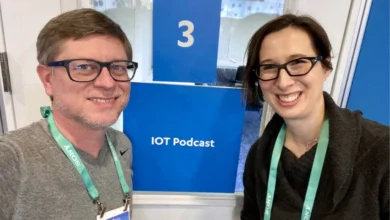
After an influential eight-year run chronicling the rapid evolution of connected technologies, The Internet of Things Podcast has officially broadcast its final episode. Episode 437 marks the end of an era for the program, which established itself as a definitive voice in the consumer smart home and industrial IoT sectors. Rather than focusing on the standard industry headlines of the day—such as Arm’s high-profile initial public offering, Brilliant’s latest display control panels, or Leviton’s second-generation smart circuit breakers—the final installment served as a retrospective. The hosts dedicated the episode to exploring the personal and professional reasons behind stepping back from the weekly production, outlining their future endeavors, and offering a curated guide of trusted resources for listeners eager to stay informed about the ever-expanding IoT landscape.
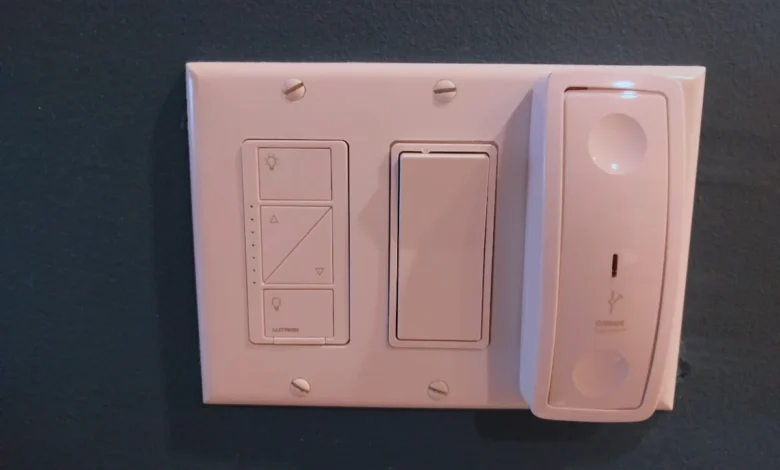
The closure of the podcast reflects a broader maturation within the Internet of Things ecosystem. Over the past eight years, connected devices have transitioned from experimental hobbyist gadgets into deeply integrated components of residential infrastructure, commercial buildings, and industrial manufacturing plants. By taking a step back to evaluate the trajectory of the market, the final episode provided a comprehensive look at how far the industry has come since the podcast’s full-time launch in 2016, a period humorously commemorated by the hosts as an era defined by mismatched smart light switches and endless protocol tinkering.
A Timeline of Growth and Industry Transformation
To understand the significance of Episode 437, it is necessary to examine the timeline of The Internet of Things Podcast against the backdrop of the modern smart home movement. When the show began in the mid-2010s, the consumer IoT market was fiercely fragmented. Early adopters contended with closed ecosystems, proprietary hubs, and unreliable wireless protocols that frequently failed to communicate with one another.
Between 2016 and 2019, the market experienced a massive influx of venture capital and consumer adoption, driven largely by the proliferation of voice assistants like Amazon Alexa and Google Assistant. However, this growth also exacerbated interoperability challenges. Users routinely faced frustrating setup processes and security vulnerabilities stemming from poorly maintained device firmware.
As the industry entered the 2020s, the focus shifted toward standardization and unified protocols. The prolonged development and eventual rollout of Matter—the smart home interoperability standard backed by tech giants like Apple, Google, Amazon, and the Connectivity Standards Alliance (CSA)—marked a pivotal turning point. Throughout these years, The Internet of Things Podcast served as a critical forum for dissecting these structural shifts, interviewing industry leaders, and translating complex technical specifications into actionable insights for developers, manufacturers, and consumers alike.
Curated Resources for the Post-Podcast Era
Recognizing that loyal listeners would seek alternative avenues for IoT news and analysis, the final episode dedicated significant time to recommending top-tier industry resources. For those interested in audio content, the hosts pointed to The Mr. Beacon Show and The IoT Podcast as valuable listening options.
For written journalism and deep dives into product ecosystems, the recommendations spanned several prominent publications. The Verge and TechHive were highlighted for their rigorous consumer hardware reviews and tracking of smart home trends, while The Ambient was noted for its dedicated focus on connected living spaces. On the industrial side of the technology spectrum, readers were directed to the Journal of Innovation, published by the Industrial IoT Consortium, and the reporting of James Blackman at RCR Wireless, whose coverage frequently examines enterprise deployments, cellular IoT, and edge computing.
Financial and venture capital movements in the sector remain vital indicators of market health. To track funding rounds, mergers, and acquisitions, the hosts recommended Dan Primack’s Axios Pro Rata newsletter. Additionally, Iskander Smit’s Target is New publication was highlighted for offering thoughtful, forward-looking analyses intersecting IoT, artificial intelligence, and industrial design. Community-driven platforms such as Reddit’s r/smarthome and r/homeautomation were also cited as grassroots barometers for consumer sentiment and troubleshooting.
Expert Perspectives: Jennifer Pattison Tuohy on the State of Matter and Beyond
The final episode featured a guest appearance by Jennifer Pattison Tuohy, smart home reporter for The Verge. Having covered the beat for nearly a decade, Tuohy brought a historical perspective to the discussion, evaluating the current maturity of the connected home and the practical realities of emerging technologies.
A central theme of Tuohy’s analysis was the ongoing deployment of the Matter protocol. While Matter was initially hyped as a silver bullet for smart home fragmentation, Tuohy’s insights—grounded in rigorous hands-on testing—helped ground expectations. She discussed the delicate balance between software-level standardization and hardware-level infrastructure, emphasizing that true smart home reliability depends just as much on robust home networking foundations (such as mesh Wi-Fi and thread border routers) as it does on individual end-user devices.
Furthermore, Tuohy explored the viability of various business models for connected home manufacturers. As the industry moves away from pure hardware sales toward service-oriented models, companies are increasingly challenged to find sustainable ways to fund ongoing cloud infrastructure, security updates, and software feature development without alienating consumers through aggressive subscription fees. Her discussion on upcoming initiatives from the Connectivity Standards Alliance provided listeners with a glimpse into how standards bodies plan to address these architectural and commercial hurdles in the years ahead.
Answering Final Listener Questions on Infrastructure and Innovation
True to the community-focused ethos of the show, Episode 437 concluded with a final listener-submitted question addressing two fundamental concepts: what constitutes a complete smart home, and what future innovations will sustain industry momentum.
In addressing the definition of a complete smart home, the hosts and their guest moved beyond the superficial appeal of voice-controlled colored lights and automated appliances. Instead, a truly complete smart home was characterized as ambient, invisible, and deeply integrated into the physical architecture of a residence. Rather than requiring constant active engagement from the user, a mature smart home anticipates needs through sensors, optimizes energy consumption dynamically, and prioritizes privacy and local control over cloud dependency.
Looking toward the future of innovation, the discussion highlighted several key technological pillars. Edge computing and localized machine learning are expected to replace heavy reliance on distant cloud servers, drastically reducing latency and improving data privacy. In the industrial sector, advancements in low-power wide-area networks (LPWAN) and energy-harvesting sensors will enable maintenance-free deployments across expansive enterprise environments. Meanwhile, the convergence of artificial intelligence with spatial computing and sensor networks promises to create environments that understand context rather than merely executing discrete, programmed commands.
Broader Industry Implications and Legacy
The conclusion of The Internet of Things Podcast marks a reflective moment for the tech media landscape. Over eight years, the podcast documented the maturation of a technology sector that grew from an enthusiast niche into a trillion-dollar global market encompassing smart cities, connected healthcare, automated agriculture, and residential home automation.
The challenges discussed in the final episode—ranging from device interoperability and cybersecurity vulnerabilities to sustainable business models and user privacy—remain central to the ongoing evolution of connected systems. As the industry advances past the foundational years documented by the podcast, the accumulated archives of The Internet of Things Podcast will stand as an essential historical record of how the modern connected world was built, critiqued, and refined.