The Resurgence of Compact Disc Technology and the Return of Physical Media to the High-Fidelity Audio Market

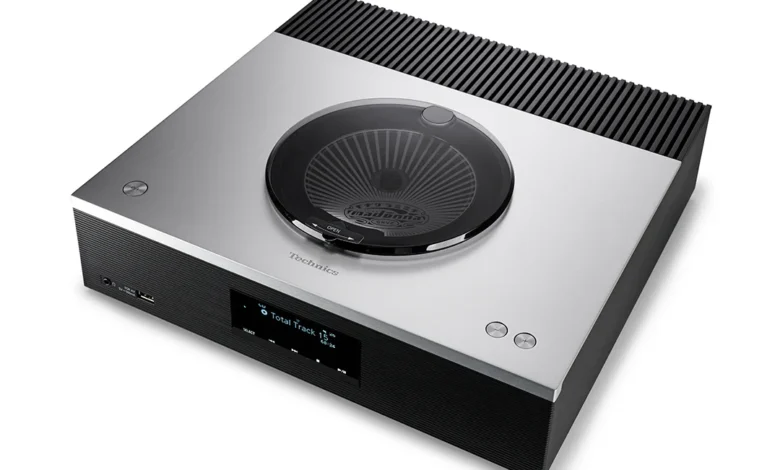
While the vinyl revival has dominated headlines for the better part of a decade, a quieter, yet equally significant transformation is occurring within the audio industry: the resurgence of the Compact Disc. Once declared obsolete by the rapid rise of streaming services and compressed digital files, the CD is experiencing a renewed period of relevance, driven by a combination of consumer nostalgia, the pursuit of superior sound quality, and a growing desire for tangible ownership in an increasingly intangible digital landscape.
The shift is supported by tangible metrics. Last December, global search interest for "CD players" reached a five-year peak, signaling that listeners are no longer content with relying solely on cloud-based libraries. Industry analysts suggest this is part of a broader "physical media correction," where consumers are seeking to insulate their collections from the licensing whims of digital platforms, which frequently remove or modify albums without warning.
A Brief Chronology of the Format
To understand the current revival, one must look back at the origins of the medium. The Compact Disc was launched commercially in 1982, a collaborative effort between Sony and Philips. It promised "perfect sound forever," utilizing 16-bit/44.1kHz PCM encoding. By the late 1980s, the CD had effectively replaced the vinyl record as the dominant music format, holding that position until the mid-2000s, when MP3s and, subsequently, streaming services like Spotify began to erode its market share.
The decline was precipitous. Between 2000 and 2015, CD sales plummeted globally as the industry pivoted toward the "unbundling" of albums into individual tracks. However, the last three years have shown a stabilization. According to recent data from trade organizations like the RIAA and the BPI, the rate of decline has slowed significantly, with certain demographics—particularly Gen Z and younger Millennials—actively seeking out used CDs in thrift stores and boutique record shops.
The Technological Case for CDs
The primary driver for the modern CD resurgence is the limitations of lossy streaming. While high-resolution streaming tiers have become available, many audiophiles argue that the dedicated architecture of a high-end CD player offers a level of jitter reduction and error correction that a standard computer-based transport cannot match.
Modern manufacturers have responded to this demand by refining the playback chain. Unlike the budget-oriented portable players of the 1990s, contemporary high-fidelity players are engineered with high-precision internal DACs (Digital-to-Analog Converters), vibration-damped chassis, and specialized laser mechanisms that extract data with greater accuracy than ever before.
Market Leaders and Hardware Evolution
The current market for CD players is segmented between entry-level enthusiasts and those seeking high-end performance. Several key models currently define the state of the art:
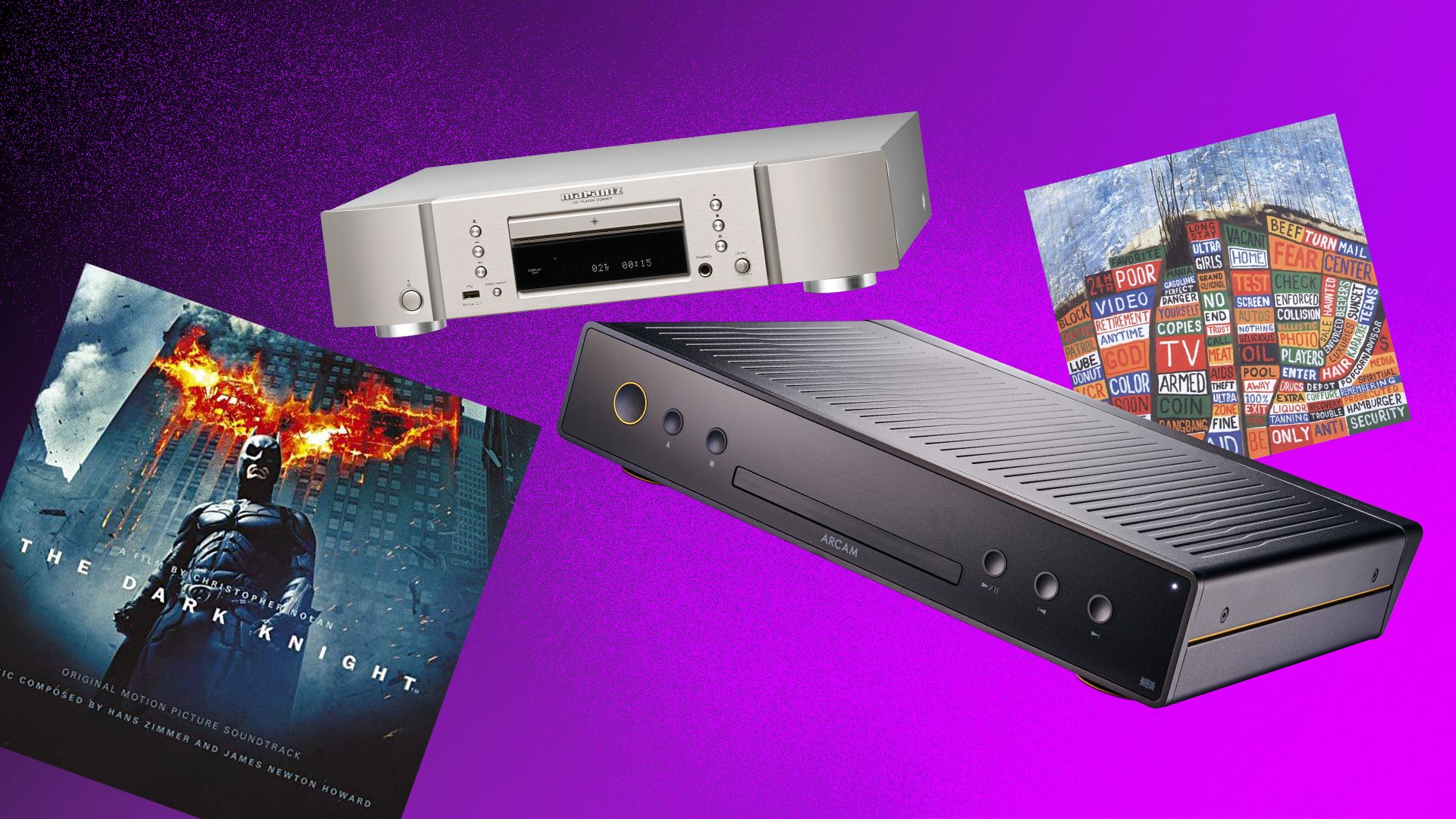
- The Marantz CD 70: Representing the latest evolution in mid-tier playback, the CD 70 has been lauded for its neutral, insightful presentation. Its arrival underscores the commitment of legacy brands to maintain the format, providing a bridge for those moving from aging micro-systems to dedicated hi-fi setups.
- The Arcam CD5: Recognized as a benchmark in the mid-price category, the CD5 has earned industry-wide acclaim for its "muscular" sound profile. Its success suggests that manufacturers are finding a sustainable path by focusing on build quality and sonic "heft"—traits often absent in purely digital, software-based listening.
- The Cyrus 40 CD: Serving the premium segment, this unit highlights the importance of rhythmic precision. By utilizing advanced power supply design and proprietary disc-reading software, it demonstrates how far the technology has come since the early 2000s.
- The Cambridge Audio CXC: This transport remains a staple for those who have already invested in a high-end external DAC. By focusing strictly on the extraction of digital data, it offers a modular approach to hi-fi that appeals to modern, tech-literate consumers who wish to curate their own signal chain.
The Impact of "Physicality" in Music Consumption
The resurgence of the CD is not merely a technical phenomenon; it is a psychological one. In an era of infinite, algorithmic-driven choice, the CD offers a fixed, finite experience. There are no "skips" in a playlist—there is only the album as the artist intended it to be heard.
This trend is echoed in the retail sector. Independent record stores, which survived the vinyl boom by diversifying their stock, report that used CD bins are being browsed with increasing frequency. Furthermore, limited edition CD releases, often packaged with high-quality liner notes and expanded artwork, have become collector’s items, providing a tangible value proposition that digital files lack.
Analysis of Future Market Implications
The industry is currently in a phase of "hybrid consumption." Most audiophiles now maintain a library of physical media while simultaneously utilizing streaming services for discovery. This behavior indicates that the CD is unlikely to regain its position as the primary format, but it has successfully secured a permanent niche as a "prestige" format.
For hardware manufacturers, this creates a stable, albeit specialized, market. The challenge remains in attracting a younger generation that is accustomed to the convenience of smartphone-based audio. Brands that succeed in this environment are those that prioritize ease of use—integrating optical drives with modern connectivity options like Bluetooth or high-quality headphone amplifiers—without sacrificing the "analog-like" ritual of loading a disc.
Expert Perspectives and Best Practices
For those looking to enter or return to the format, industry experts emphasize that the player is only as good as the rest of the chain. A common pitfall for newcomers is connecting a high-quality player to inferior amplification or speakers.
Furthermore, the longevity of the format depends on proper maintenance. Unlike vinyl, which is susceptible to dust and surface scratches, CDs are vulnerable to "disc rot" and deep abrasions to the polycarbonate layer. Consequently, the secondary market for high-quality, pre-owned players is also booming, as vintage units from the 1990s and 2000s—often built like tanks—are being serviced and put back into circulation.
Conclusion: A Permanent Place in the Audio Landscape
The Compact Disc has transcended its initial purpose as a mass-market utility to become a staple of the high-fidelity enthusiast’s toolkit. As streaming platforms face increasing pressure to justify their subscription costs and the inherent fragility of digital-only ownership becomes more apparent, the CD stands as a resilient alternative.
With manufacturers continuing to innovate at both the entry-level and the ultra-high-end, the format is no longer a relic of the past. It is a vital, functioning component of the modern audio landscape, providing a bridge between the physical intimacy of vinyl and the precision of the digital age. As long as there are listeners who value the tactile experience of music, the disc will continue to spin.