Blue Planet 3: Everything You Need to Know About the Landmark Natural History Series

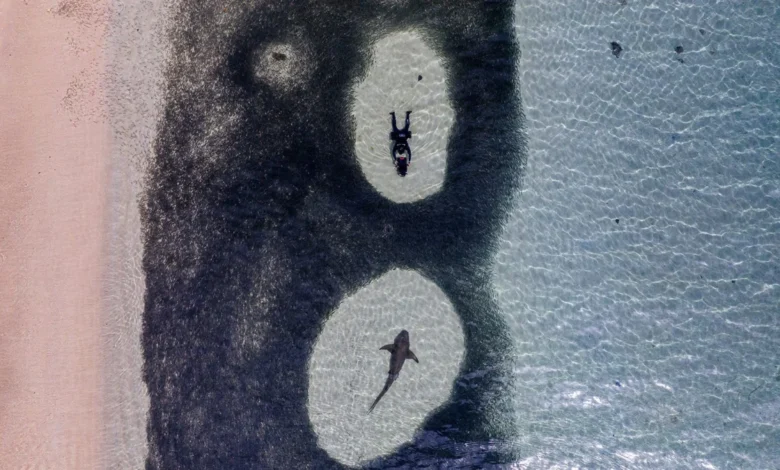
The third and final chapter in the Blue Planet series—narrated, at the age of 100, by the peerless David Attenborough—will make waves by showcasing animal behaviours both newly discovered and never before captured, in five distinct habitats: tropical seas, open ocean, seasonal seas, polar waters and the deep. This ambitious six-part production marks a quarter-century since the original series redefined natural history broadcasting, cementing the BBC’s reputation as the global gold standard for marine exploration.
Four Years in the Making: A Technological Feat
The production of Blue Planet 3 represents the culmination of four years of intensive fieldwork. To capture the ocean’s most elusive inhabitants, the BBC Natural History Unit moved beyond traditional filming methods, deploying a suite of cutting-edge technologies. Among the innovations are long-term remote underwater 4K cameras, splash-resistant drones capable of filming in harsh maritime environments, and the "mini dome," a specialized housing that allows cameras to transition seamlessly between aerial and sub-surface shots.
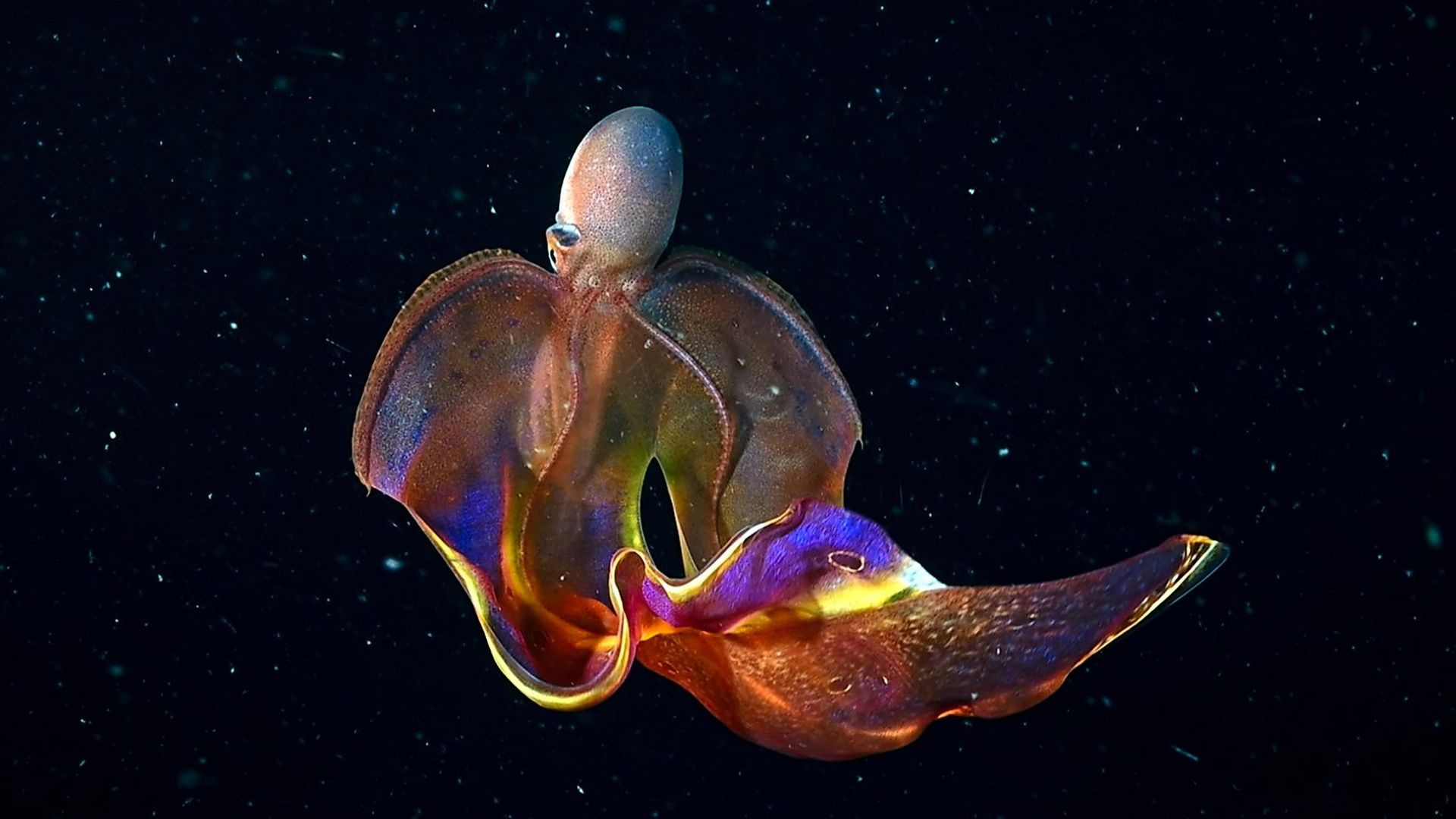
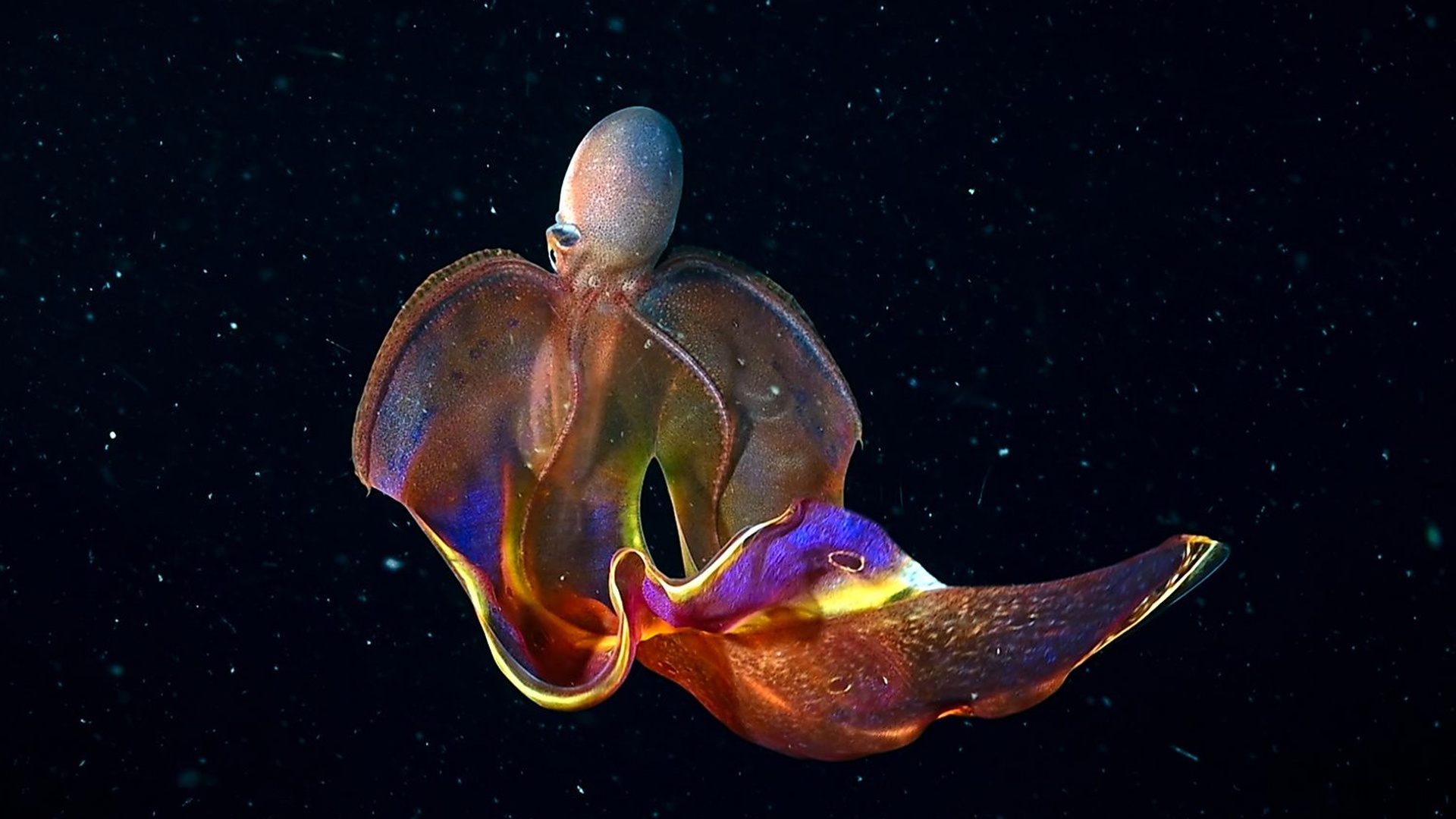
These technological investments were necessary to document behaviors that have previously remained hidden from human eyes. The series promises to unveil remarkable footage, including bottlenose dolphins utilizing sea sponges to protect their snouts while foraging for prey, vast, rhythmic swarms of crustaceans, and sea lions that have adapted to hunt swans in unique coastal environments. Perhaps most striking is the inclusion of an octopus species that exhibits amphibious tendencies, hunting prey on land rather than underwater.
In an era where digital manipulation is increasingly common in media, the production team took a conscious, almost defiant stance on authenticity. To avoid any potential accusations of reliance on generative AI to smooth out footage or enhance visual quality, producers explicitly chose to retain raw, grainier, and cloudier shots. This decision serves to reassure audiences that the breathtaking imagery on screen is a true reflection of the natural world, captured through lens and light rather than algorithmic reconstruction.
A Chronology of a Marine Masterpiece
The legacy of the Blue Planet franchise is deeply intertwined with the evolution of modern broadcasting. The original series, which aired in 2001, was the first to use high-quality, dedicated underwater photography to explore the entirety of the world’s oceans. It was a watershed moment that moved marine biology into the mainstream consciousness.
The second installment, Blue Planet II, released in 2017, achieved cultural phenomenon status. It was widely credited with shifting public policy and consumer behavior regarding plastic pollution, a testament to the show’s power to influence global environmental discourse. With the third and final installment, the series aims to close this narrative arc by highlighting the resilience of marine ecosystems while acknowledging the fragility imposed by a changing climate.
Global Distribution and Viewing Access
For viewers within the United Kingdom, the series is broadcast on BBC One at 8pm GMT every Sunday. Digital accessibility is facilitated through the BBC iPlayer, which offers free streaming to those possessing a valid UK TV license and a registered account.
For international audiences, the distribution strategy reflects the global demand for high-end documentary content. In the United States, the series is scheduled to air on BBC America and the streaming platform AMC+, with the premiere set for January 23. This staggered release schedule is standard for high-budget co-productions, allowing the BBC to maintain a foothold in both the domestic public service market and the competitive international commercial sector.
For those traveling outside of their home broadcast regions, the issue of digital geo-blocking remains a primary hurdle. Viewers currently abroad who wish to access the content from their home library—such as a British citizen traveling in the United States or Ireland—often turn to Virtual Private Network (VPN) services. While these tools allow users to bypass regional restrictions by masking their IP address, it is essential to remain aware of the terms and conditions of the streaming providers involved. Most major platforms, including the BBC, actively work to mitigate unauthorized access from outside their licensed territories to comply with international copyright law.
Implications for Natural History Broadcasting
The arrival of Blue Planet 3 occurs at a critical juncture for both television and science communication. As traditional linear broadcasting faces stiff competition from subscription-based streaming services, the "event television" model pioneered by the BBC continues to hold significant sway. By securing Sir David Attenborough’s participation, the series retains a sense of authority and continuity that few other programs can match.
From a scientific perspective, the series serves as an invaluable record of marine health. The footage captured by the team provides researchers with rare insights into how species are adapting to shifting oceanic temperatures and changing habitats. The data gathered during these four years of filming—ranging from migration patterns to mating rituals—often provides the raw material for secondary academic studies, bridging the gap between entertainment and ecological research.
Technical Limitations and Expectations
One question frequently raised by viewers in the age of high-definition home cinema is whether the series will be available in 4K or Ultra High Definition (UHD). While the production team captured the majority of the content using 4K-capable sensors, the BBC has not yet confirmed a widespread UHD rollout for the series. Viewers should not assume that the standard iPlayer stream will default to 4K, as the BBC’s UHD availability is typically reserved for select events or high-profile programming on a case-by-case basis.
For those looking to optimize their viewing experience, the series acts as a catalyst for home theater upgrades. The visual fidelity of the underwater cinematography, with its high dynamic range (HDR) and intricate color palettes, is designed to test the capabilities of modern OLED and Mini LED displays. Upgrading to a television with advanced 4K-upscaling capabilities can significantly enhance the perceived quality of the broadcast, ensuring that the subtle textures of deep-sea flora and fauna are rendered with maximum clarity.
Final Reflections
As the Blue Planet series concludes its run, it leaves behind an unparalleled archive of the world’s most mysterious domain. The production team’s commitment to capturing the reality of the ocean, warts and all, underscores a growing desire for authenticity in an increasingly synthetic media landscape.
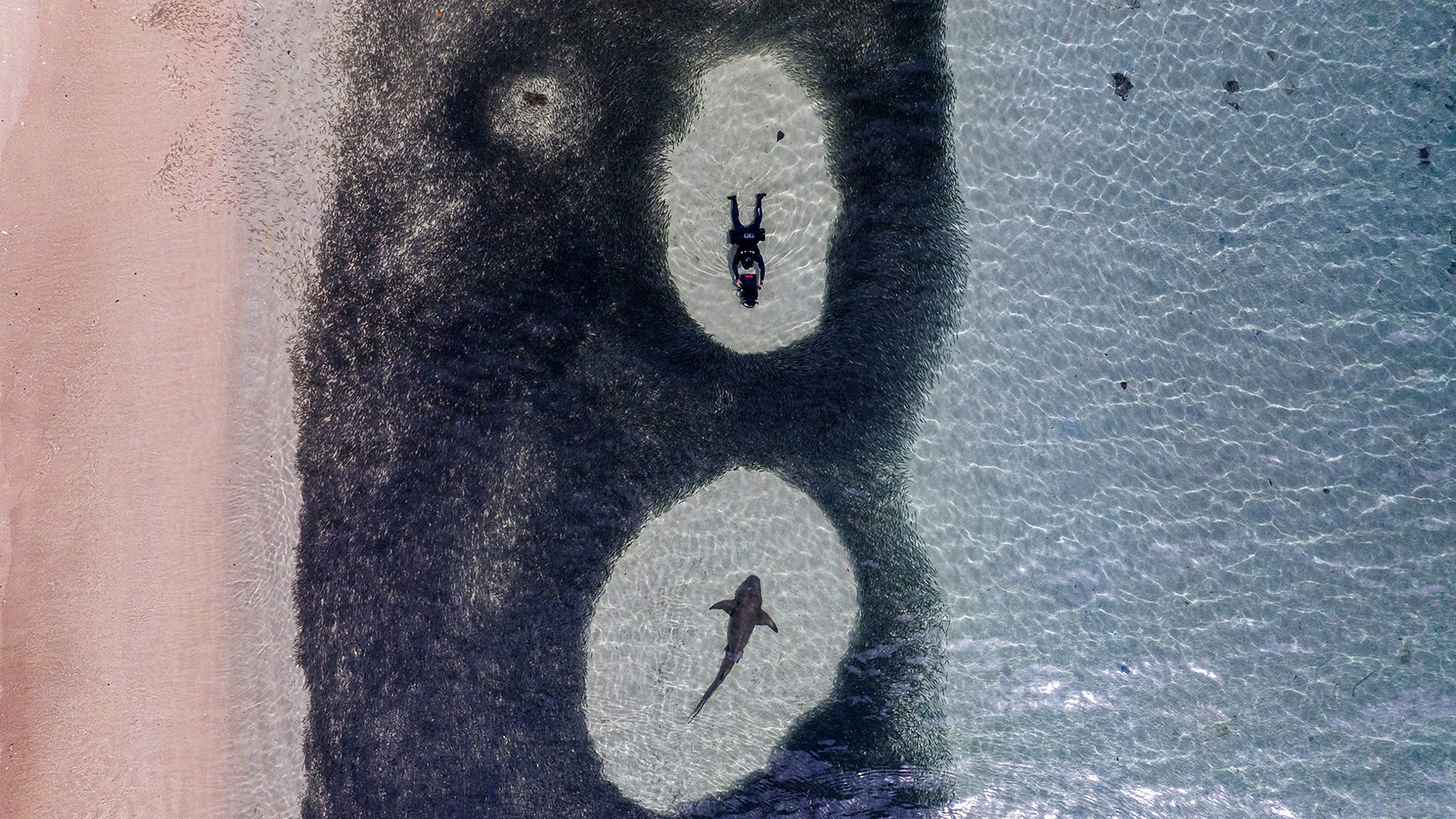
Whether it is the haunting song of a whale, the complex social interactions of cephalopods, or the harsh realities of life in the deep-sea trenches, the series serves as a final, comprehensive look at the blue heart of our planet. For the millions of viewers who have tuned in over the past 25 years, Blue Planet 3 is not just another television show; it is a concluding chapter in a long-running dialogue between humanity and the vast, unknown wilderness that covers the majority of the Earth’s surface.
As viewers prepare to watch, they are encouraged to verify their regional broadcast schedules and ensure their streaming setups are configured correctly to receive the best possible transmission. The ocean has never looked more vibrant, nor more vulnerable, than it does through the lens of this final, historic production.